From Philly and the Pa. suburbs to South Jersey and Delaware, what would you like WHYY News to cover? Let us know!
Dr. Rachana Shah’s patients are children, but some have developed health issues that are usually prevalent in older people: sleep apnea, joint pain or pre-diabetes.
As a pediatric endocrinologist at Children’s Hospital of Philadelphia’s Health and Well-being Clinic, many of Shah’s young patients have obesity.
The overall impact of obesity makes it important to start treating it early, she said.
“Pediatric obesity is a predictor of obesity in adulthood, and can lead to many different metabolic and other organ system diseases,” she said. “Watching and waiting for years or decades is not the right approach.”
Early approaches to treatment always start with helping kids and their families make changes to eating habits, physical exercise and other lifestyle factors like screen time, mental health and sleep.
But those steps alone may not help some children reach a healthy weight, Shah said, as things like genetics, hormones and changes in the brain, gut and liver can affect appetite and weight regulation.
“So, when we are seeing that these health behavior or lifestyle changes are not having an impact, and particularly when we’re already starting to see pre-diabetes, sleep apnea … it’s even more urgent to think about expanding our approach beyond just continuing the nutrition and exercise,” she said.
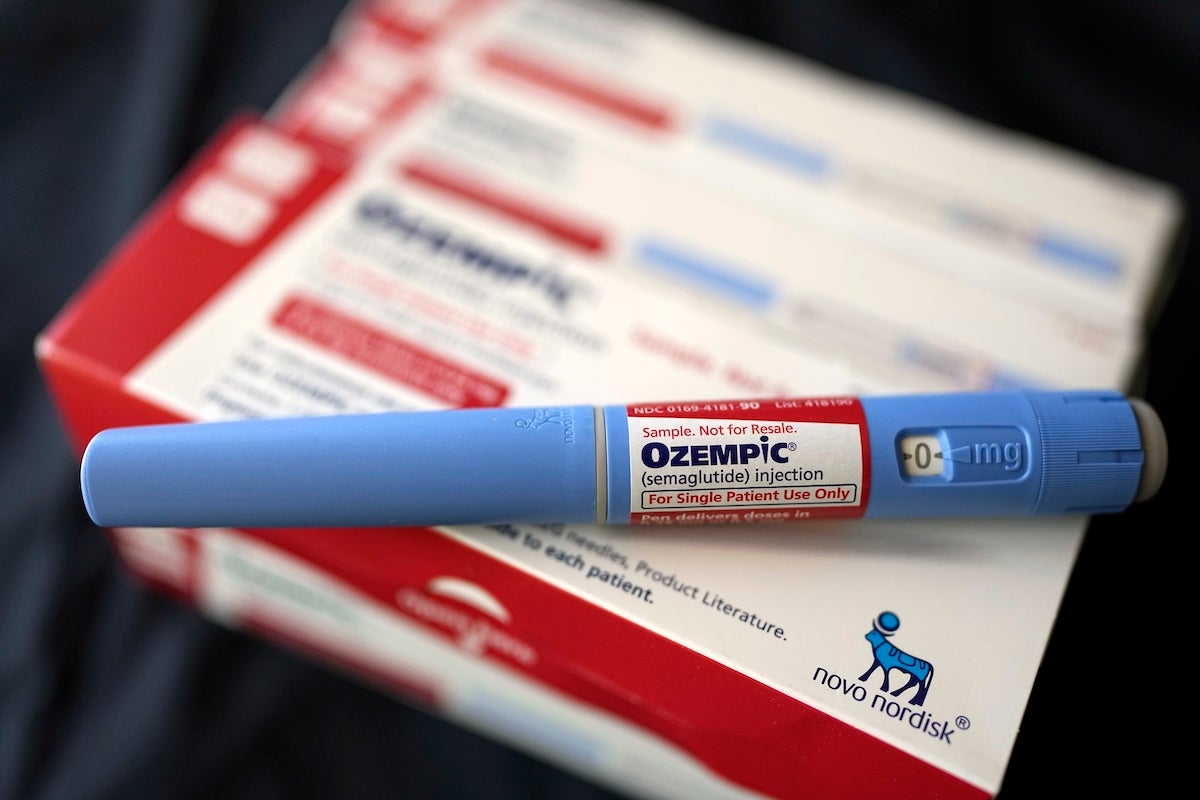
That’s when medications may come in. Use of glucagon-like peptide-1 receptor agonists, known as GLP-1s, has skyrocketed among adults, but they’ve only been approved for children in the last several years.
Experts say these drugs could be a useful tool in fighting a growing epidemic of childhood obesity, and the number of adolescents taking medications has sharply increased nationally. Still, CHOP researchers found that only a fraction of eligible kids ultimately get a GLP-1 prescription. Even after they do, families struggle with cost and insurance coverage issues that make it hard for their children to stay on the medication.
Side effects and gaps in follow-up care are also causing disruptions in medication use, according to CHOP’s findings, recently published in the journal Pediatrics.
“There continue to be a lot of barriers, even after you get a prescription for these medications, to actually being able to use them in a sustained way,” said Dr. Emily Gregory, a primary care physician and researcher at CHOP. “And I think we’re starting to see hence that, as they’ve seen on the adult side, that the roll out of these medications could reinforce some of the inequities we see in access to care and treatment.”