
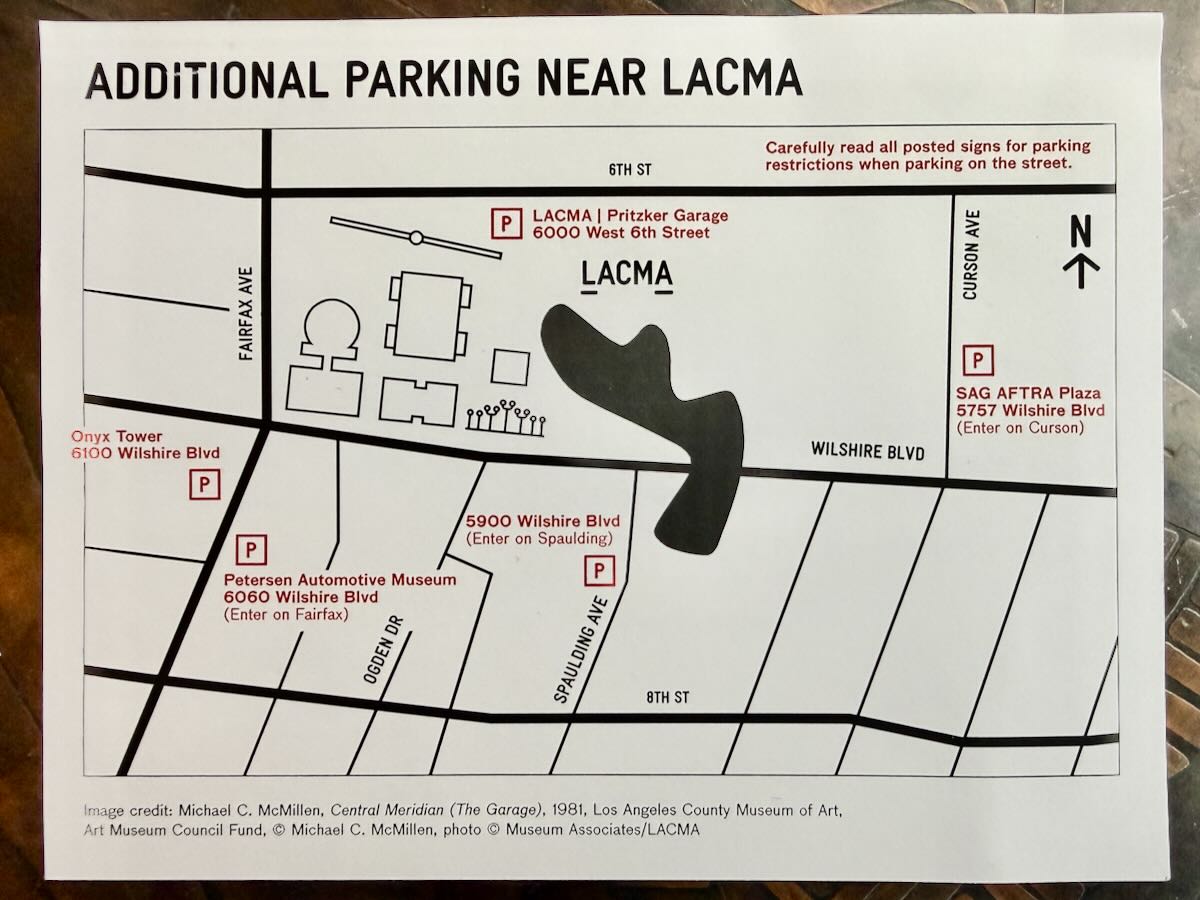
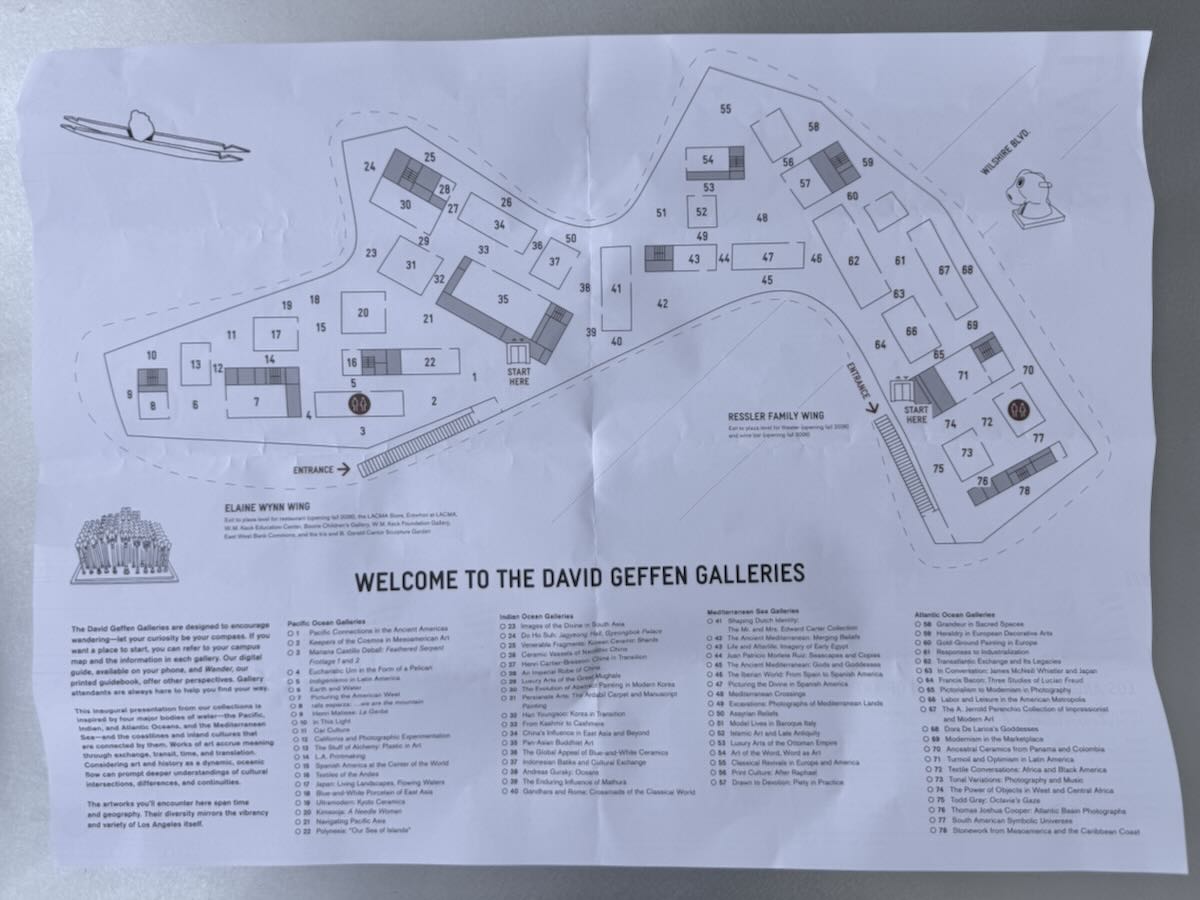
A lot has been written about the spectacular new David Geffen Galleries building at the Los Angeles County Museum of Art, but none of those people who attended press previews had to worry about parking. We pulled into the usual lot on 6th Street, only to be told that it was full and handed the postcard below. That the new addition has put stress on parking capacity is to be expected, but why doesn’t LACMA email this map to visitors before they show up? I’ll waive my consultancy fee this time. (There was plenty of parking at the SAG AFTRA garage; it costs $3 per 15 minutes, so you’ll likely hit the $24 maximum.)
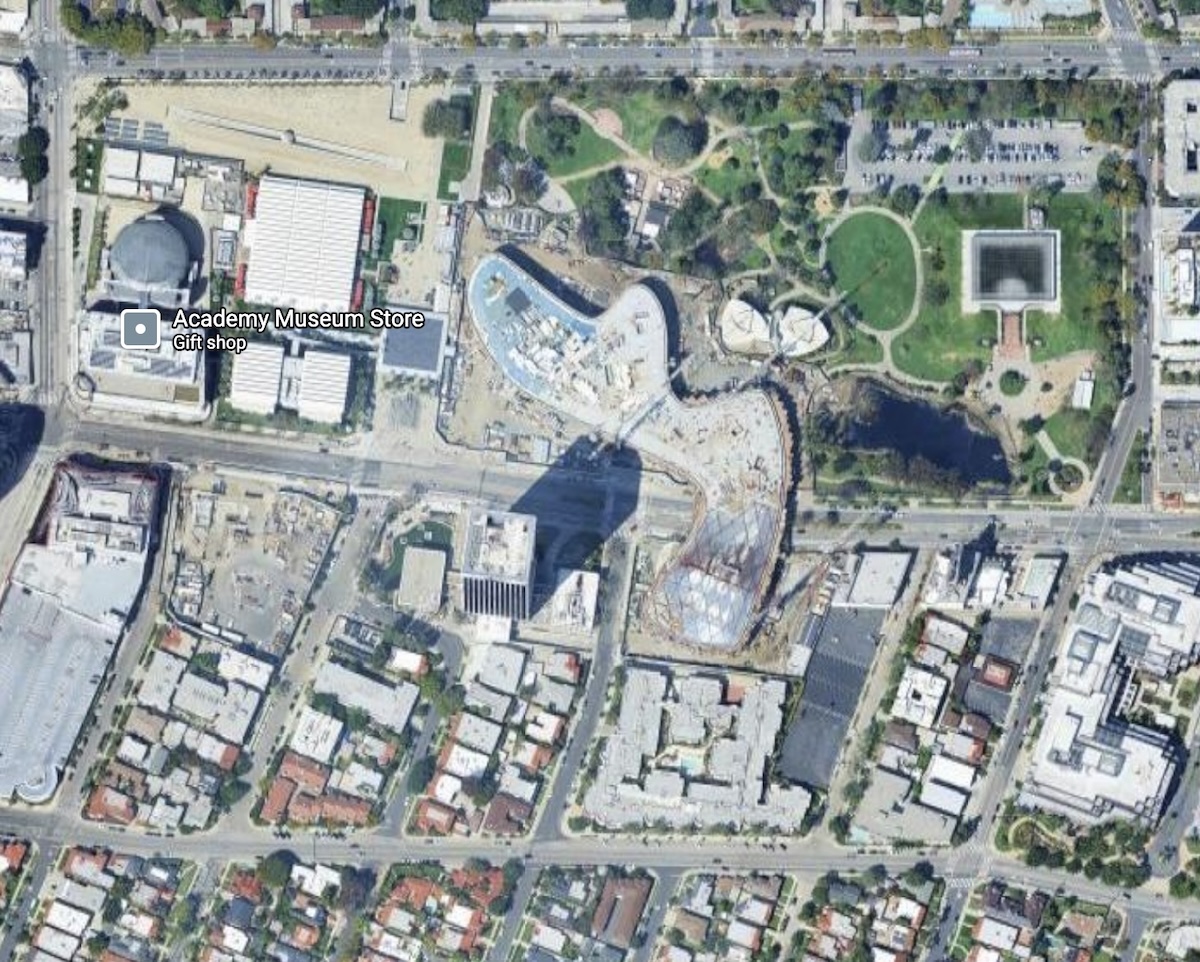
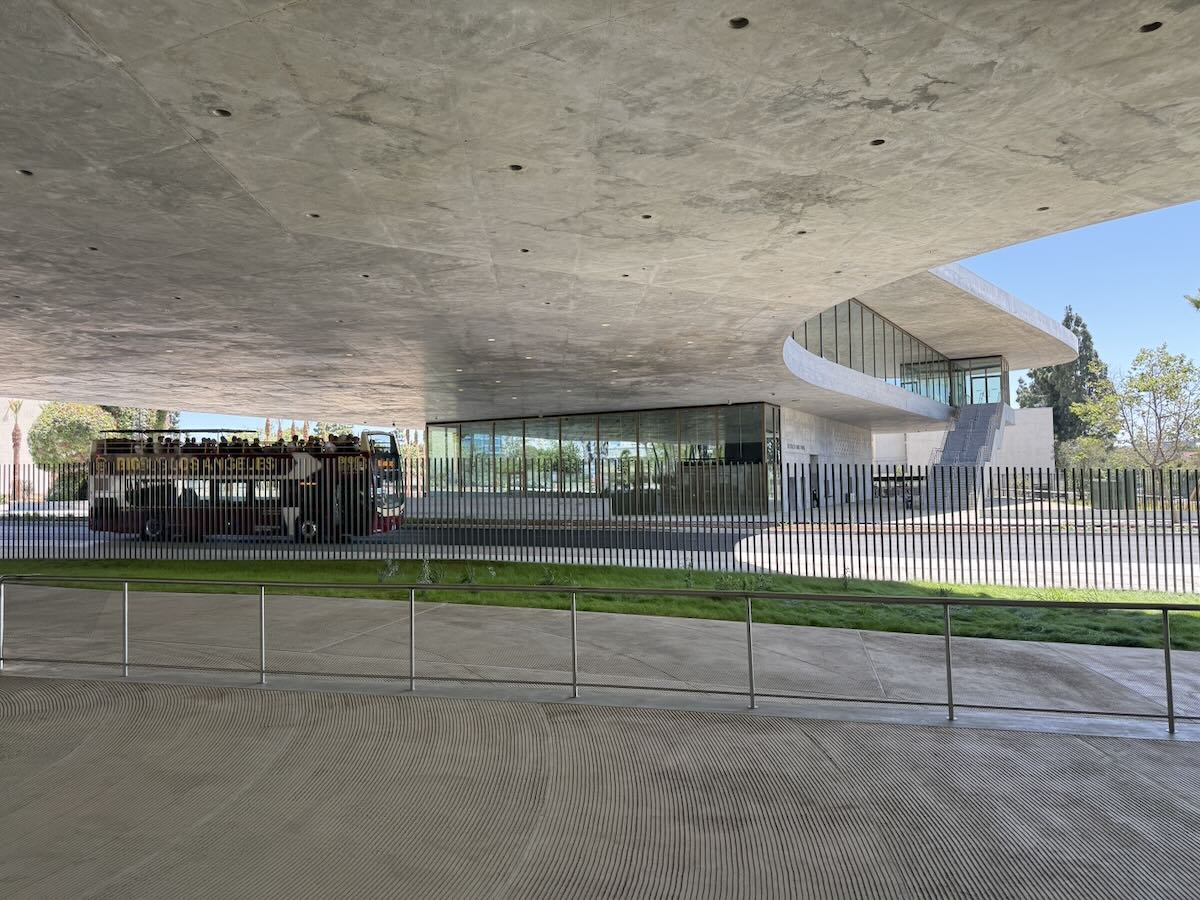
 Anyway, the new 110,000-square-foot building really is fantastic. I don’t know what to compare the shape to—a Matisse cut-out? a cartoon head about to eat the Pavilion for Japanese Art?—but the most remarkable thing about Peter Zumthor’s design is the way it extends over Wilshire Boulevard.
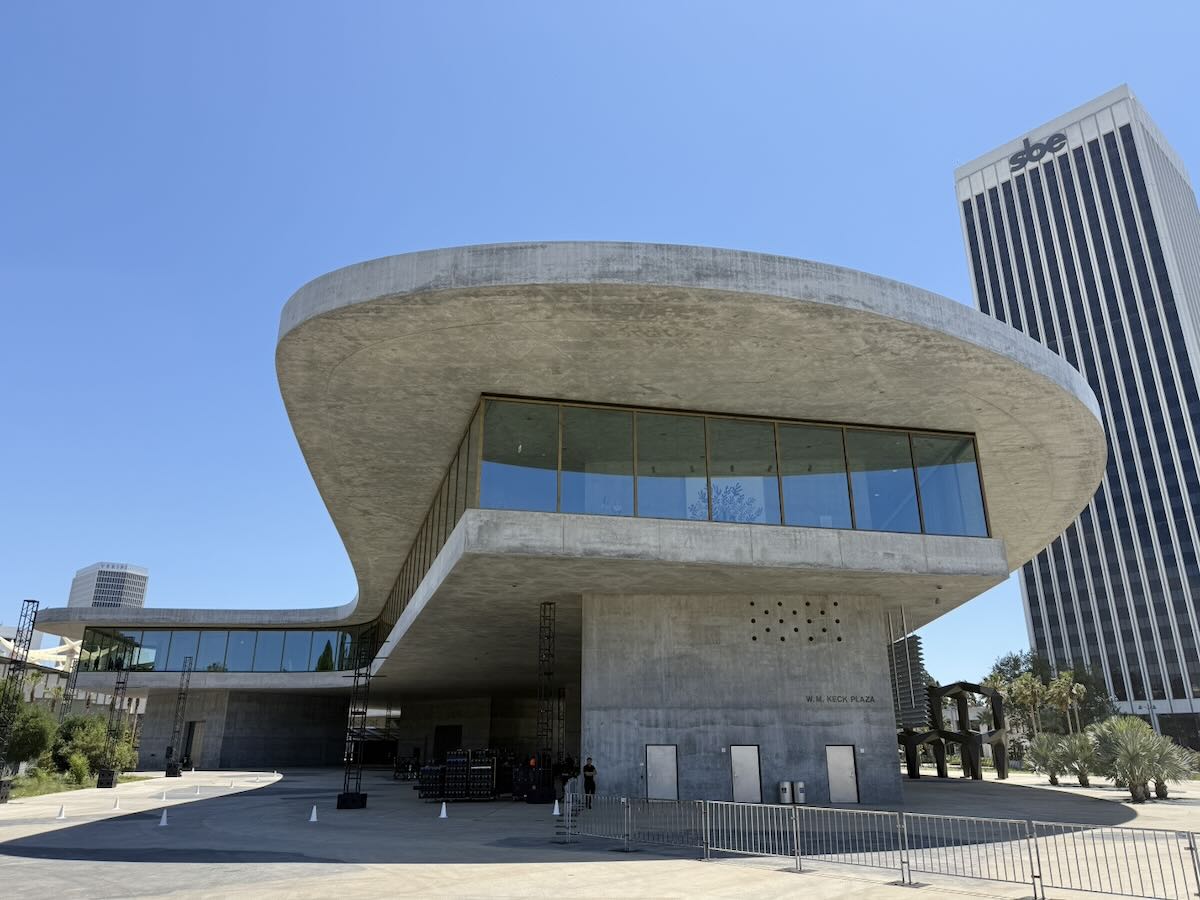
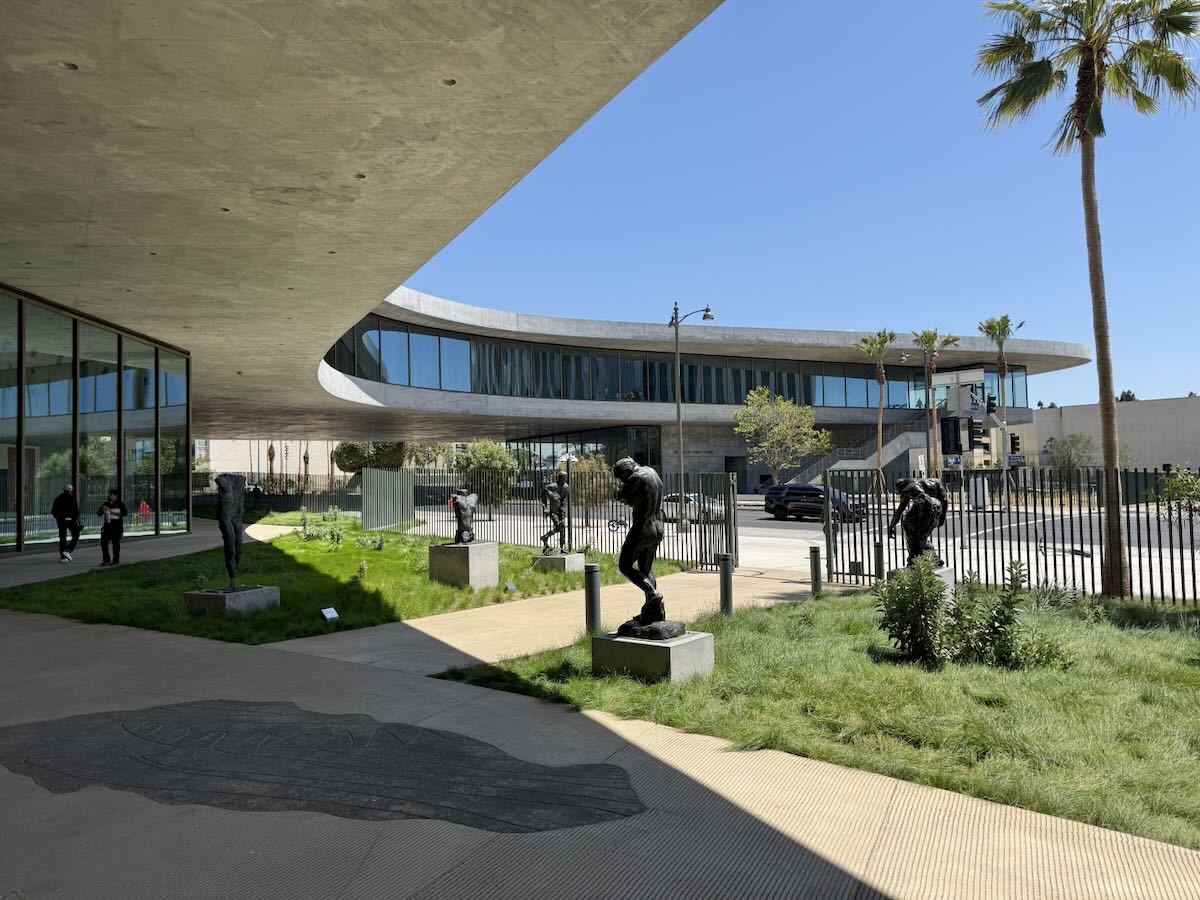 And it’s no mere walkway over the street. The engineering is impressive.
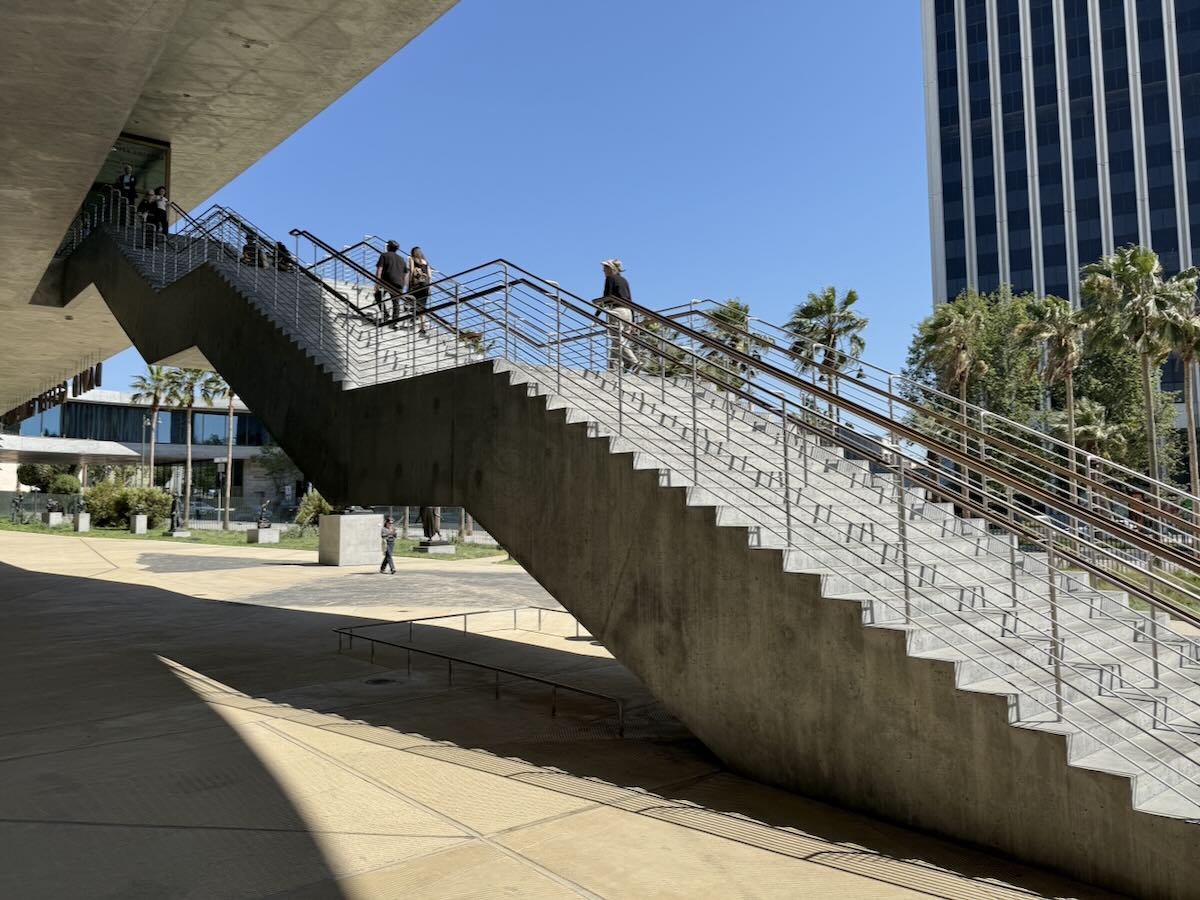
 There are elevators, but the main entrance is up a dramatic set of stairs near the “Urban Light” installation.
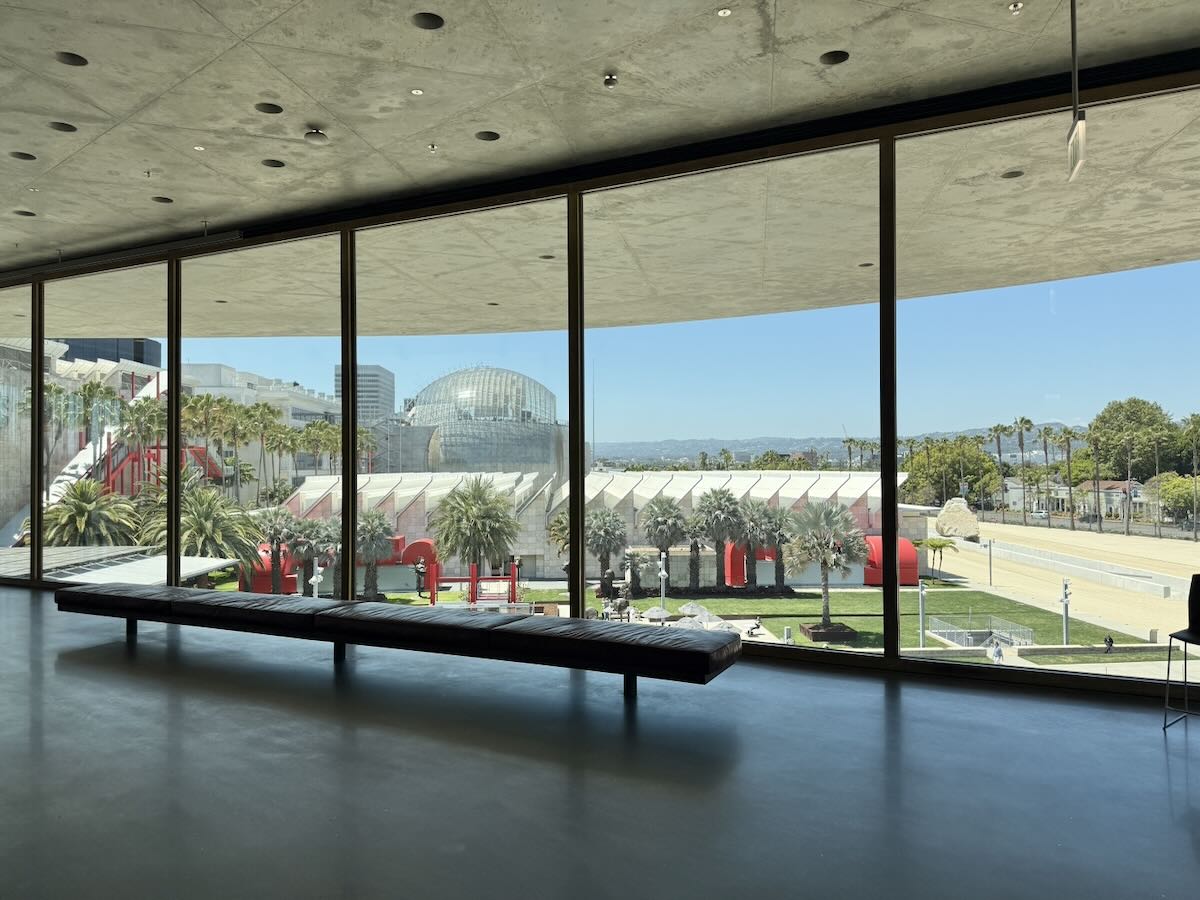
The galleries are all on the upper level, in an open-plan layout, with a glass perimeter and rooms dotting the interior. The irresistible views of the cityscape are the main benefit of being upstairs. Unlike at most museum spaces, however, there’s no intuitive route. From an architectural perspective, that’s not a demerit—on the contrary, it makes for very interesting exploring.
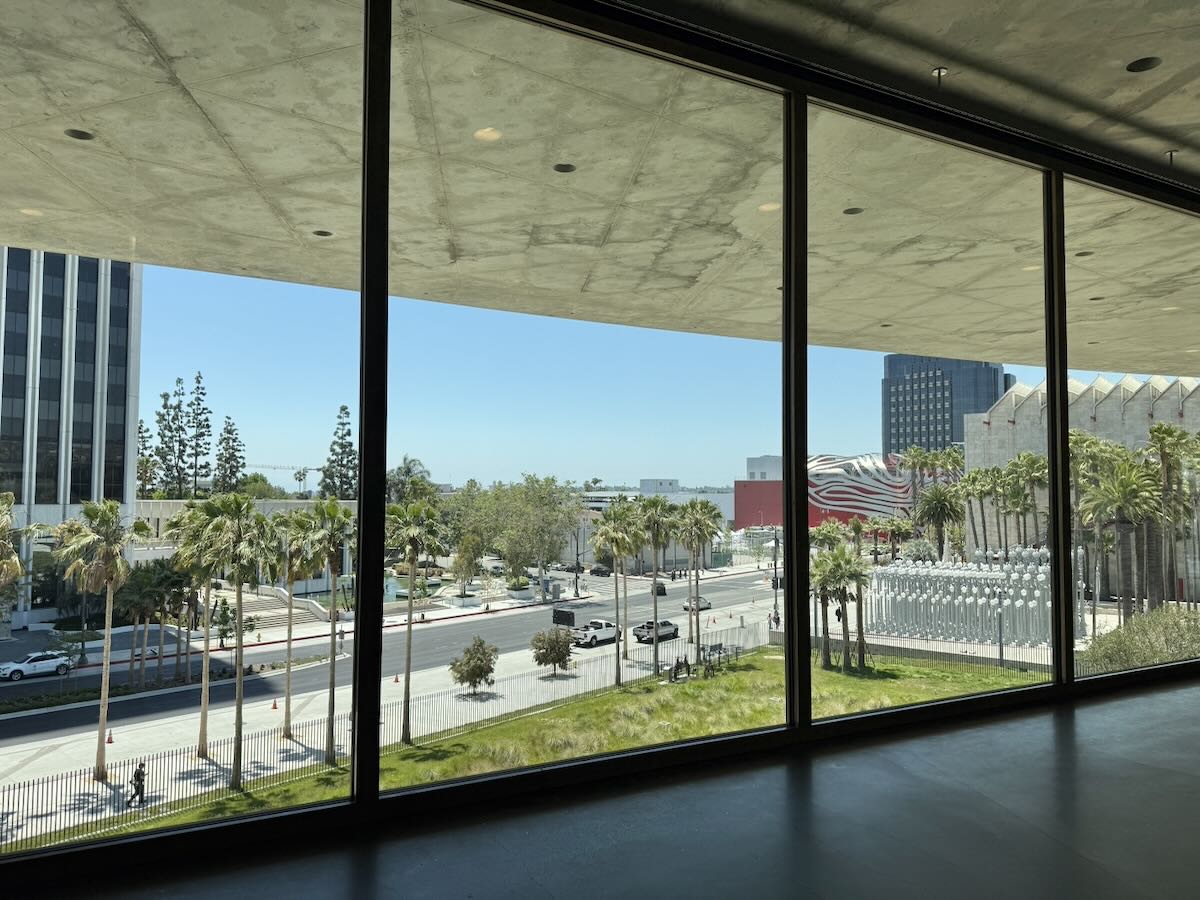
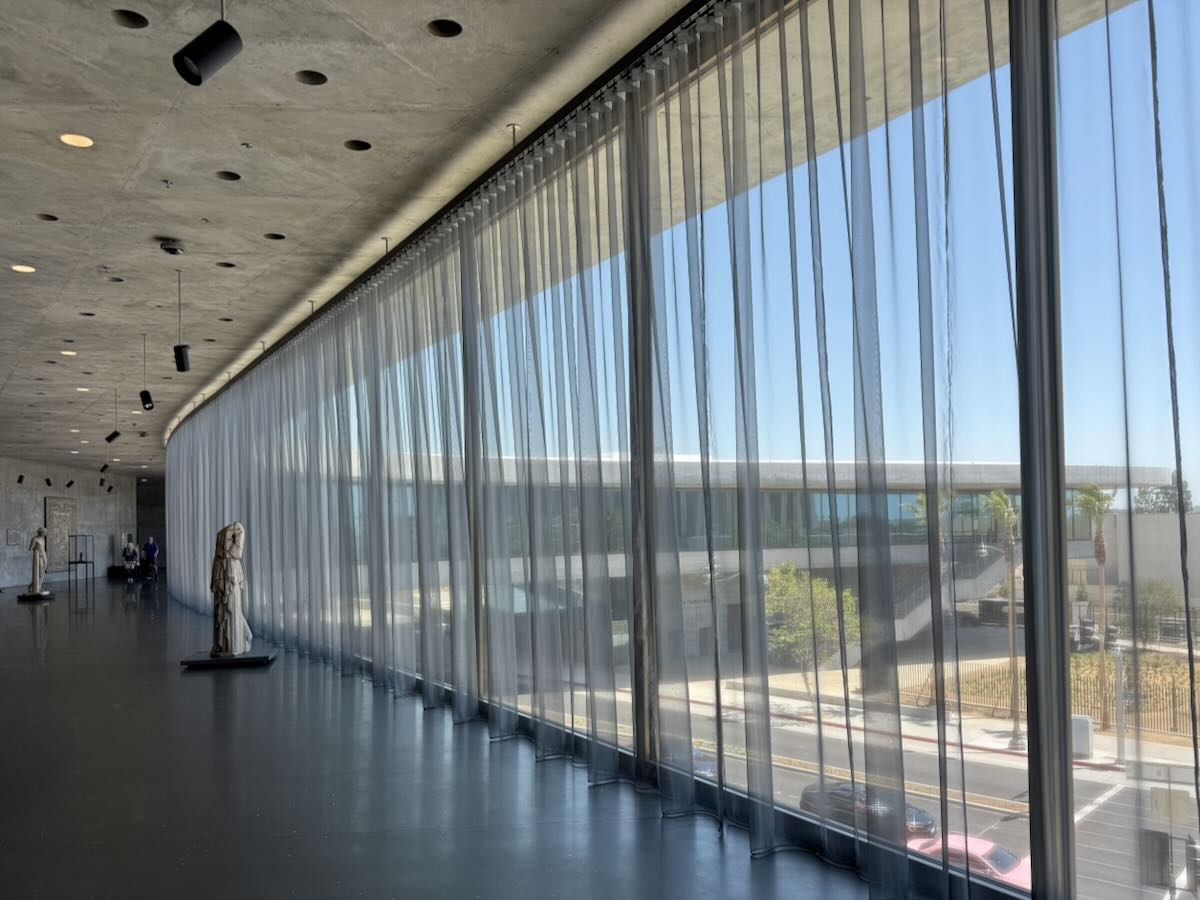
 Metallic gauze draperies soften the light without sacrificing the view.
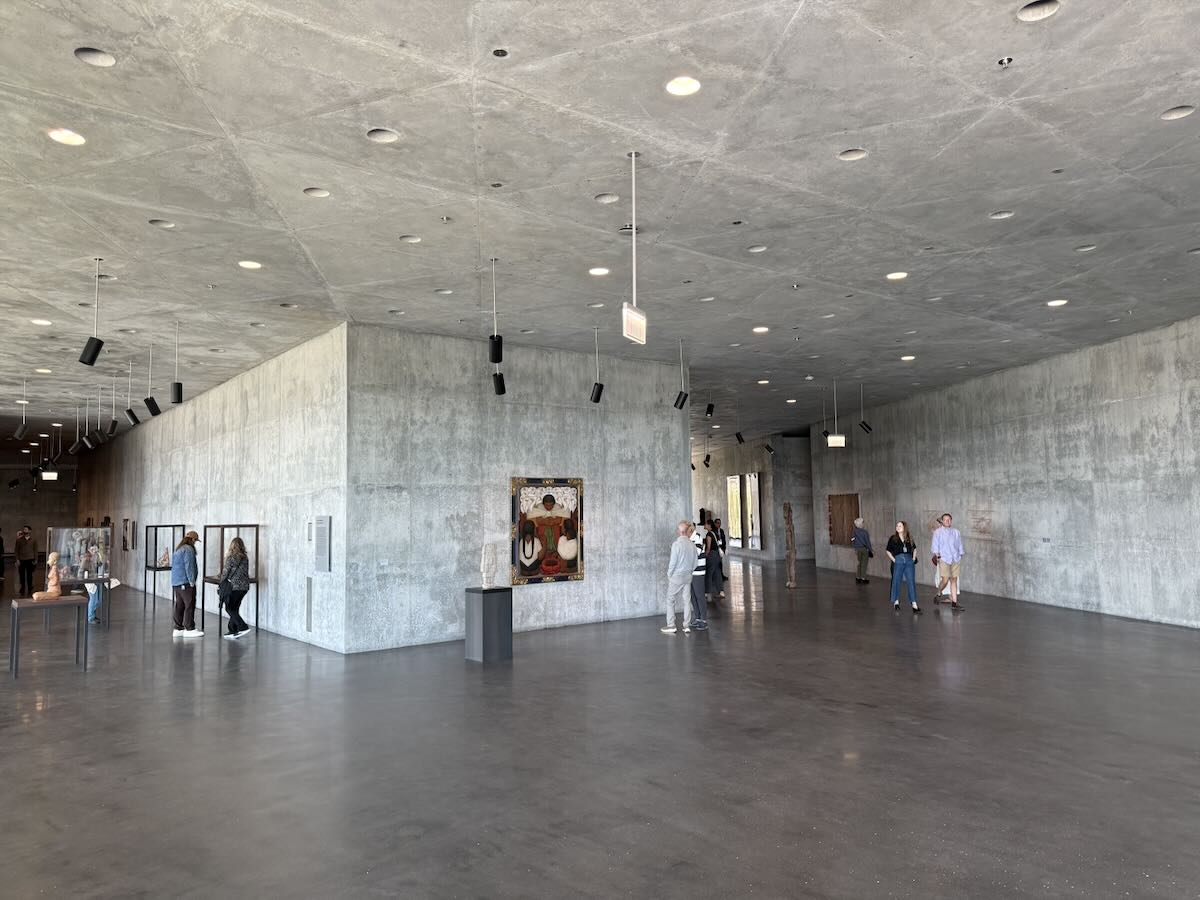
 Interiors are a concrete lover’s dream. Zumthor must be paying homage to Tadao Ando, who’s known for his use of the material, including at high-profile art museums in Japan. I would’ve loved to see it before any of the art was installed.
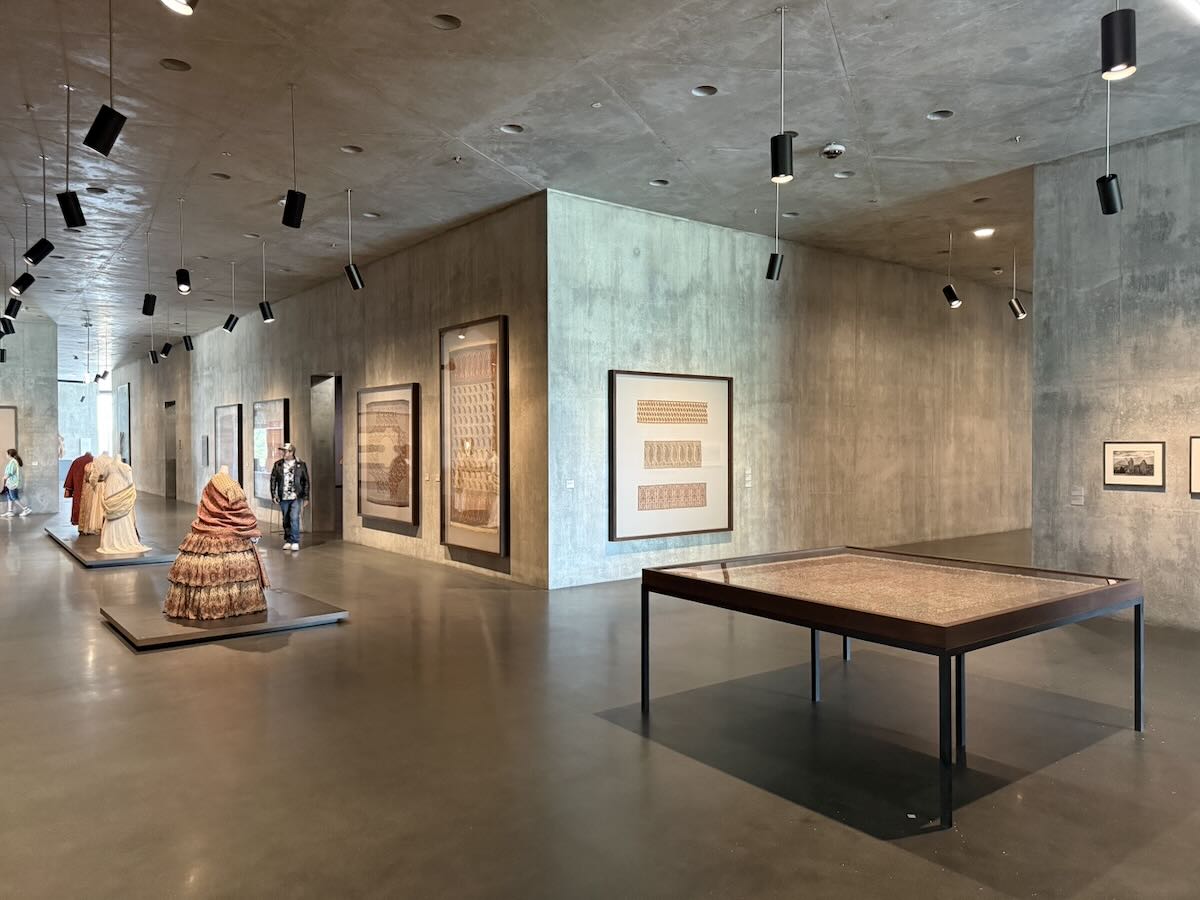 In some rooms, the concrete has been tinted—a process that’s more interesting than you might expect. They feel like different worlds.
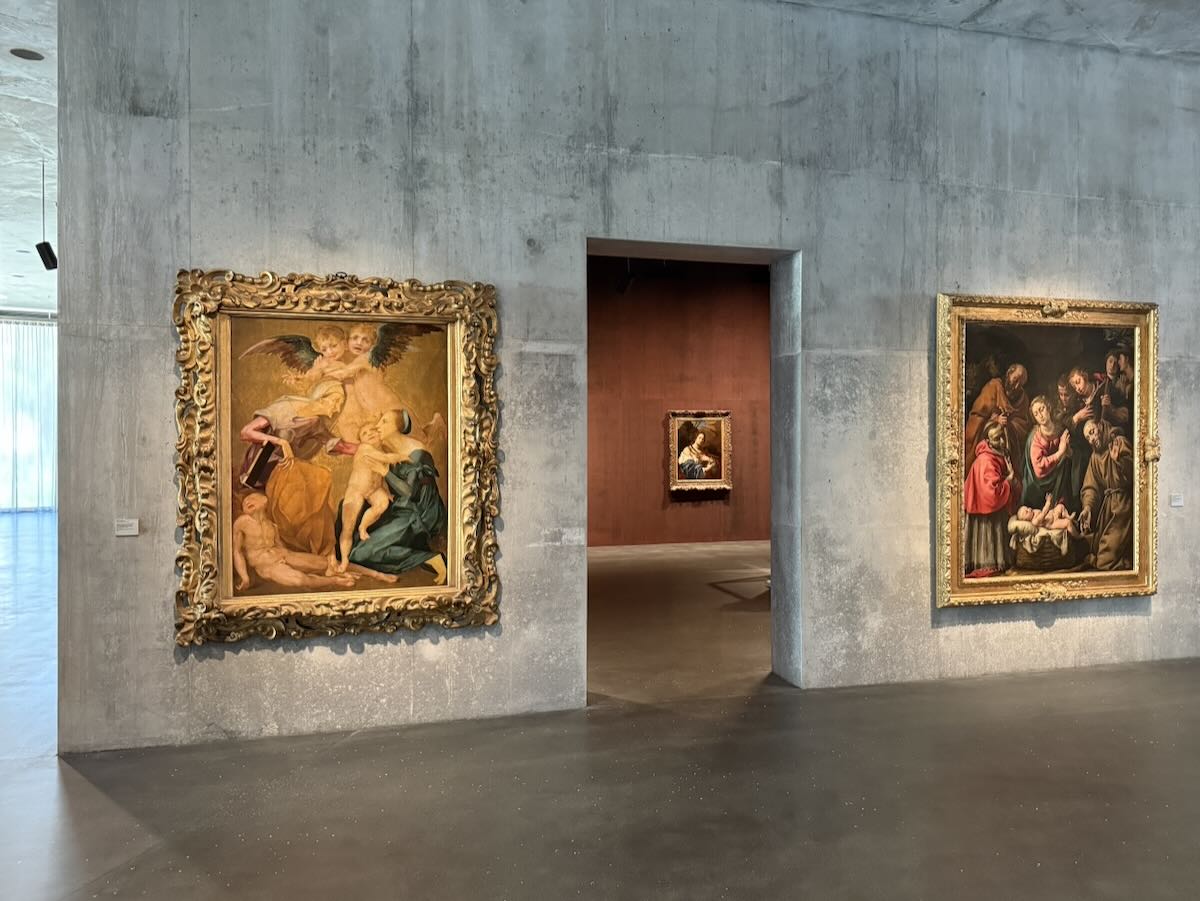
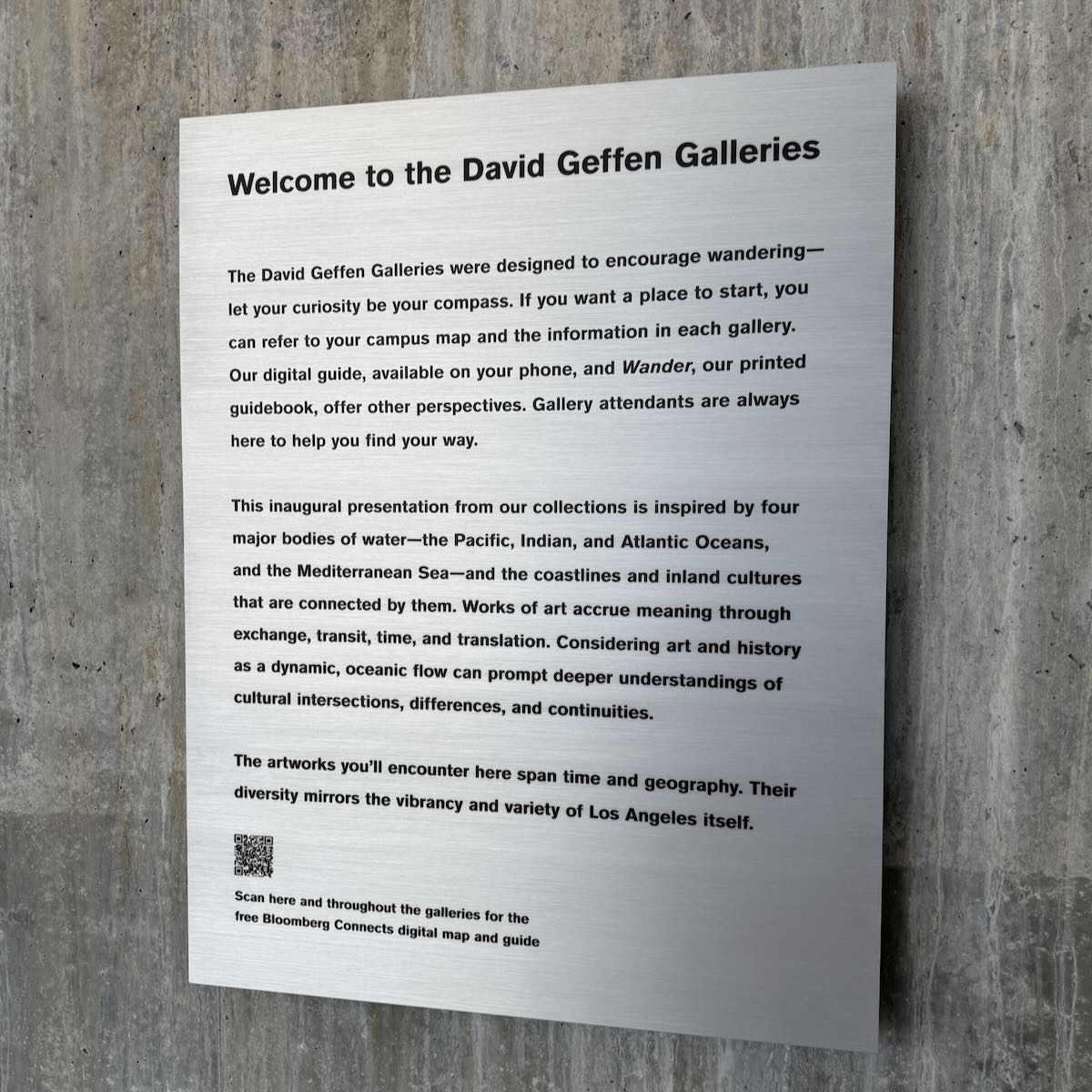
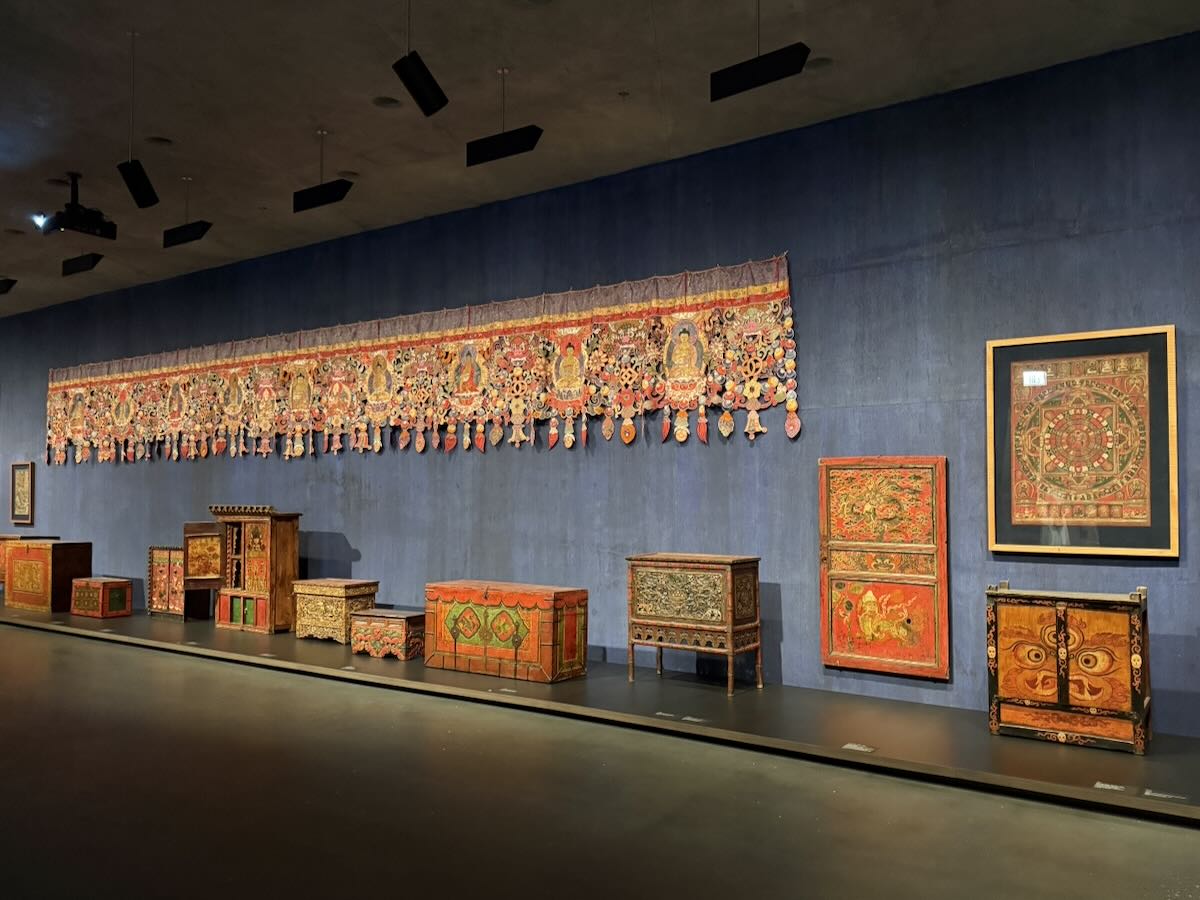 While the building is clearly a winner, the curatorial choices have been more controversial—not which pieces from the permanent collection are and are not included, but how it’s all organized. “A single, non-hierarchical exhibition level inspired by the flow of oceans,” is how the museum describes it, but it feels the Metropolitan Museum of Art got shaken like a snow globe. (One benefit is surely that it hides shortcomings in the collection.) I like wandering in a museum, more so on the first visit; I wonder what returning would feel like. How do you break off a part, the way you might at the Met?
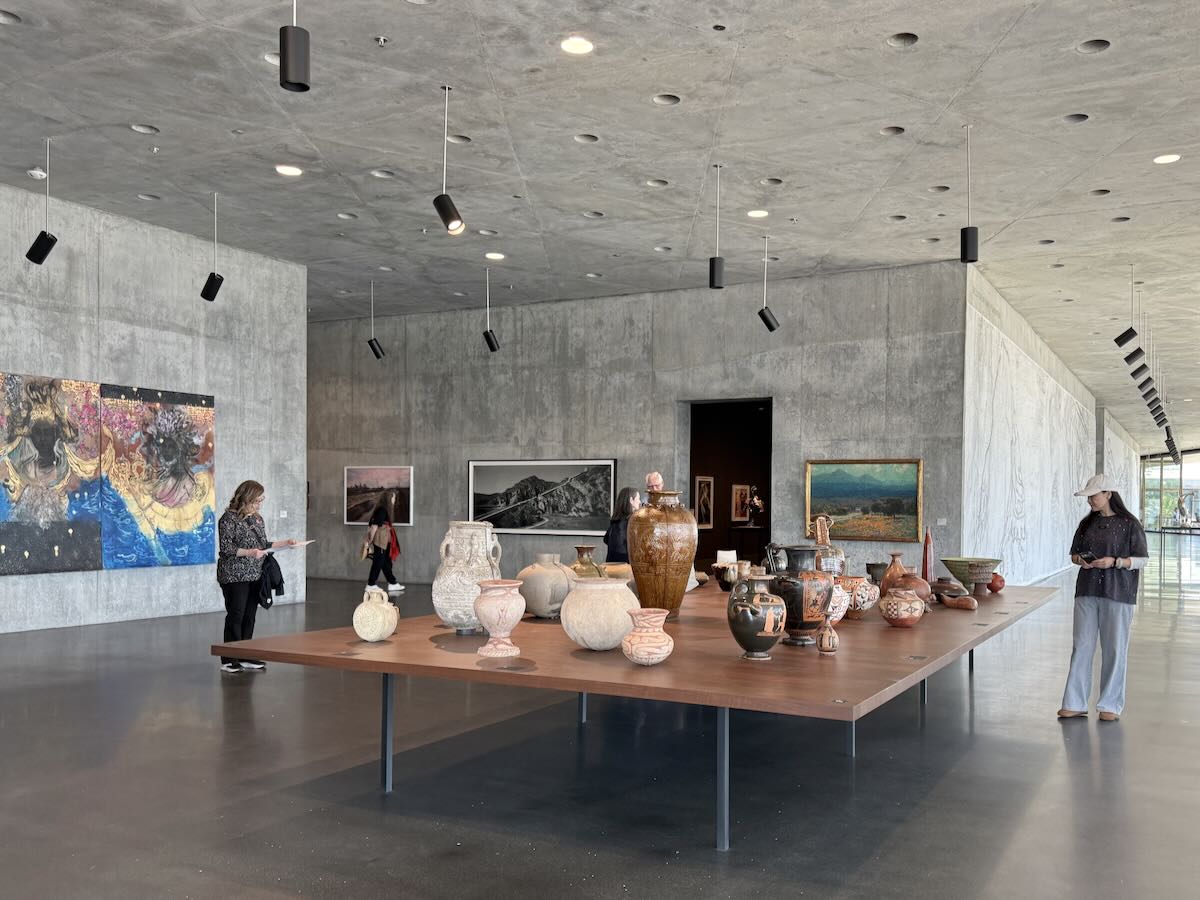
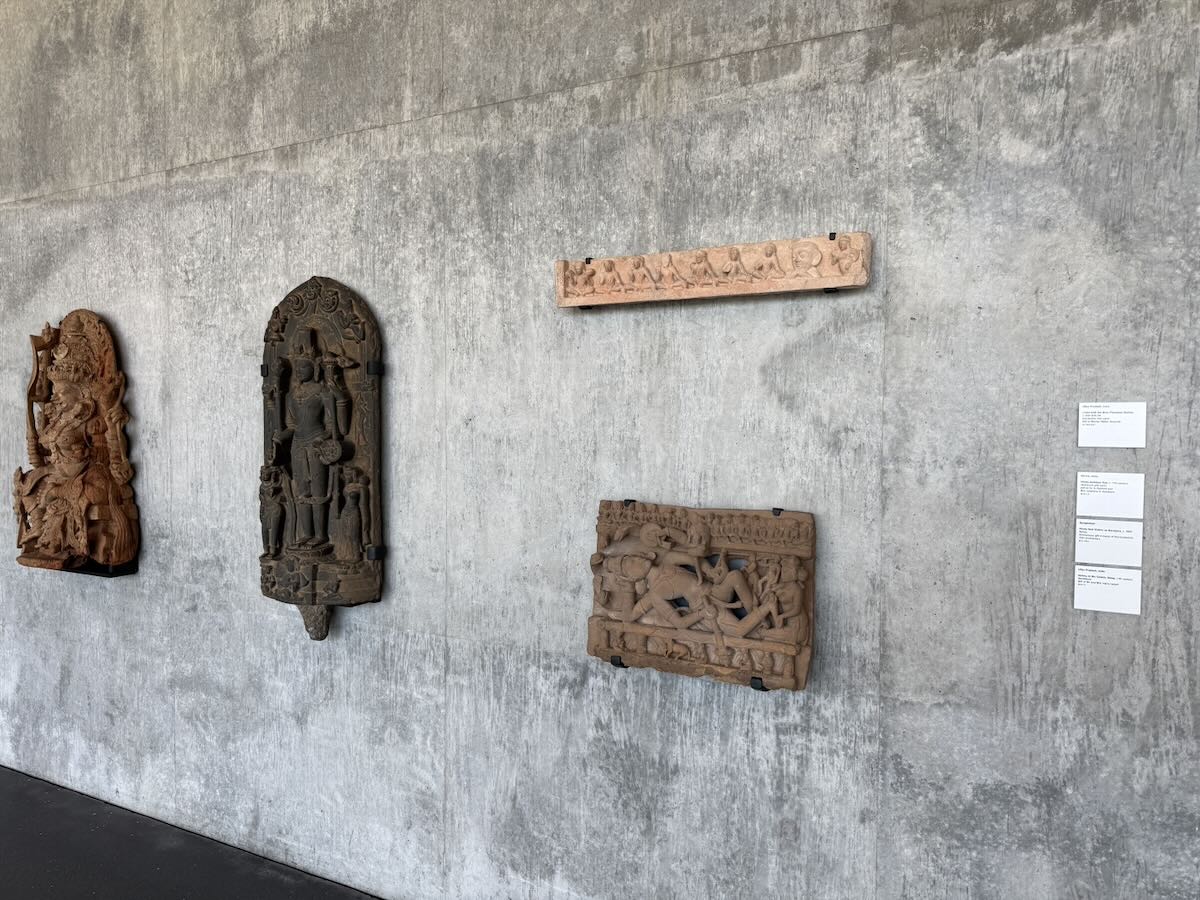
The higgledy-piggledy arrangement is sometimes enlightening, as at the table with water vessels from different periods and regions displayed side by side and the European garments shown alongside figurative paintings and Asian textiles.
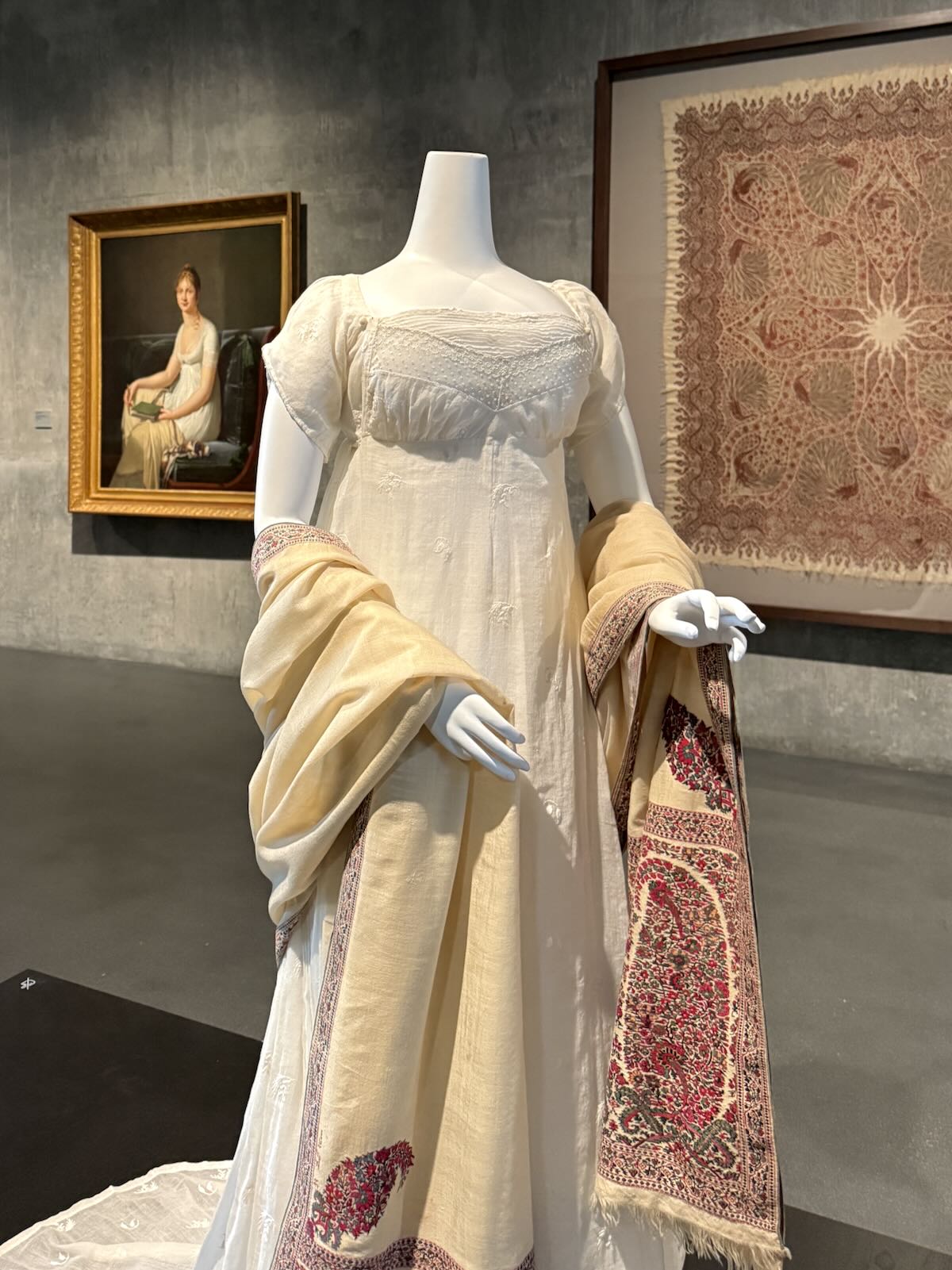 There’s an undeniable element of surprise. You really don’t know what might be around the corner—like a eucharistic urn from Bolivia, or a 1961 Studebaker designed by Raymond Loewy, or an 18th-century Paraguayan cabinet.
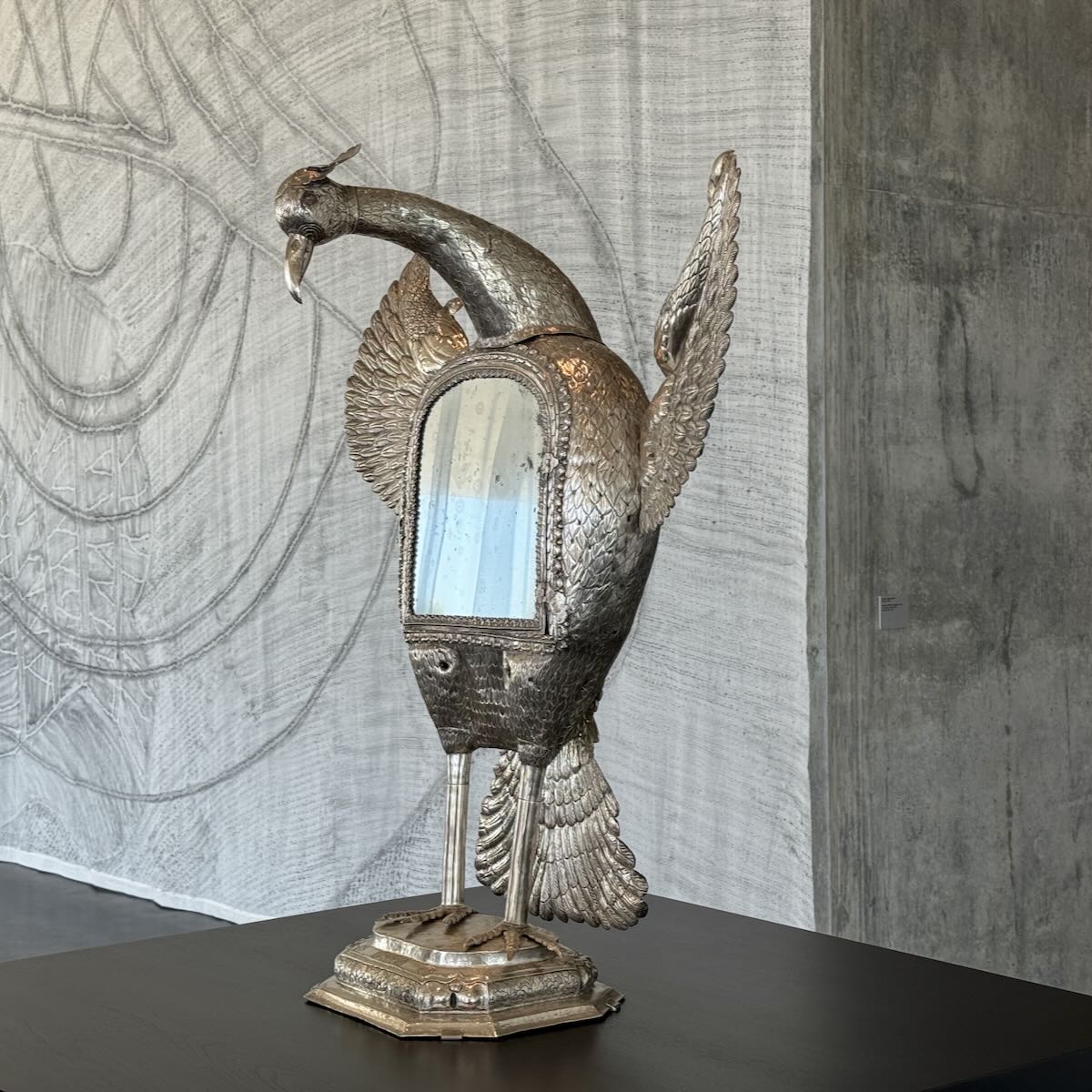
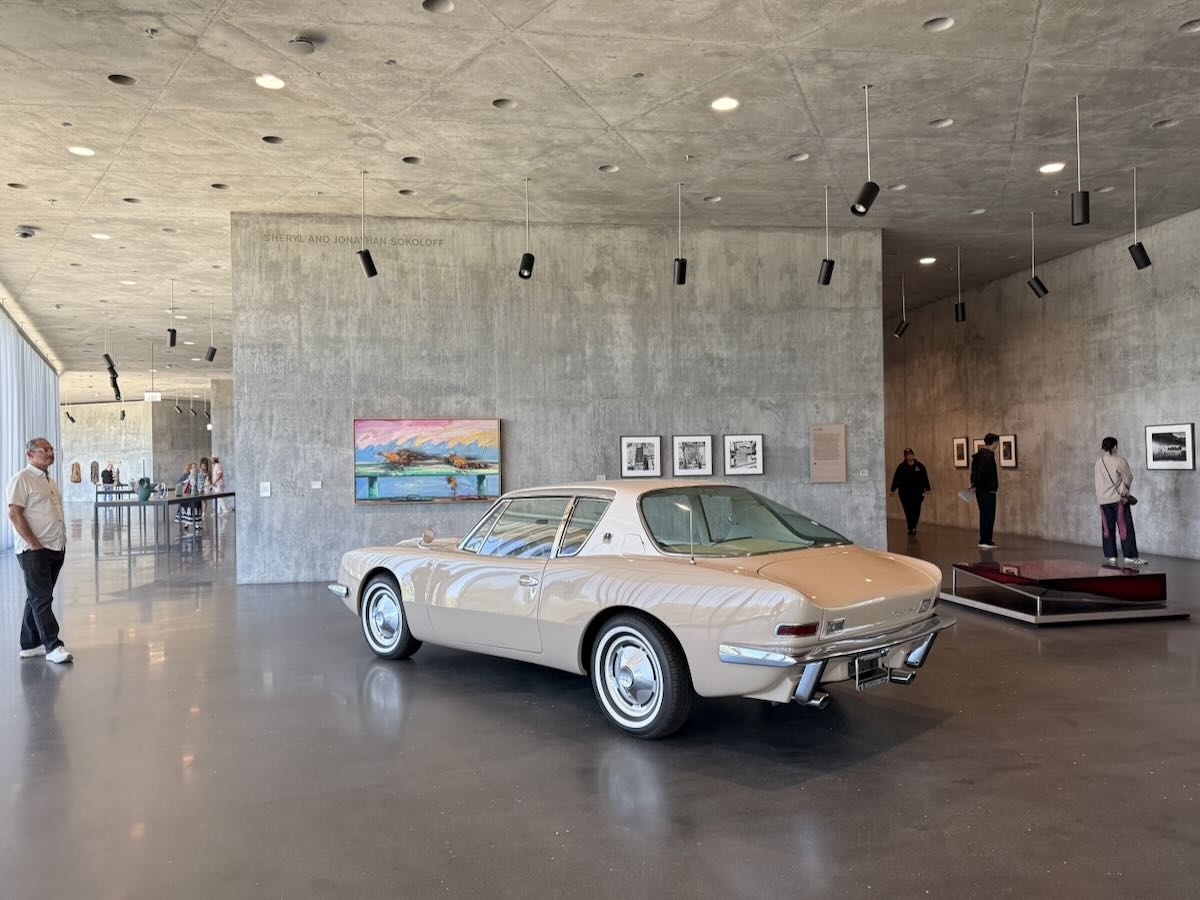
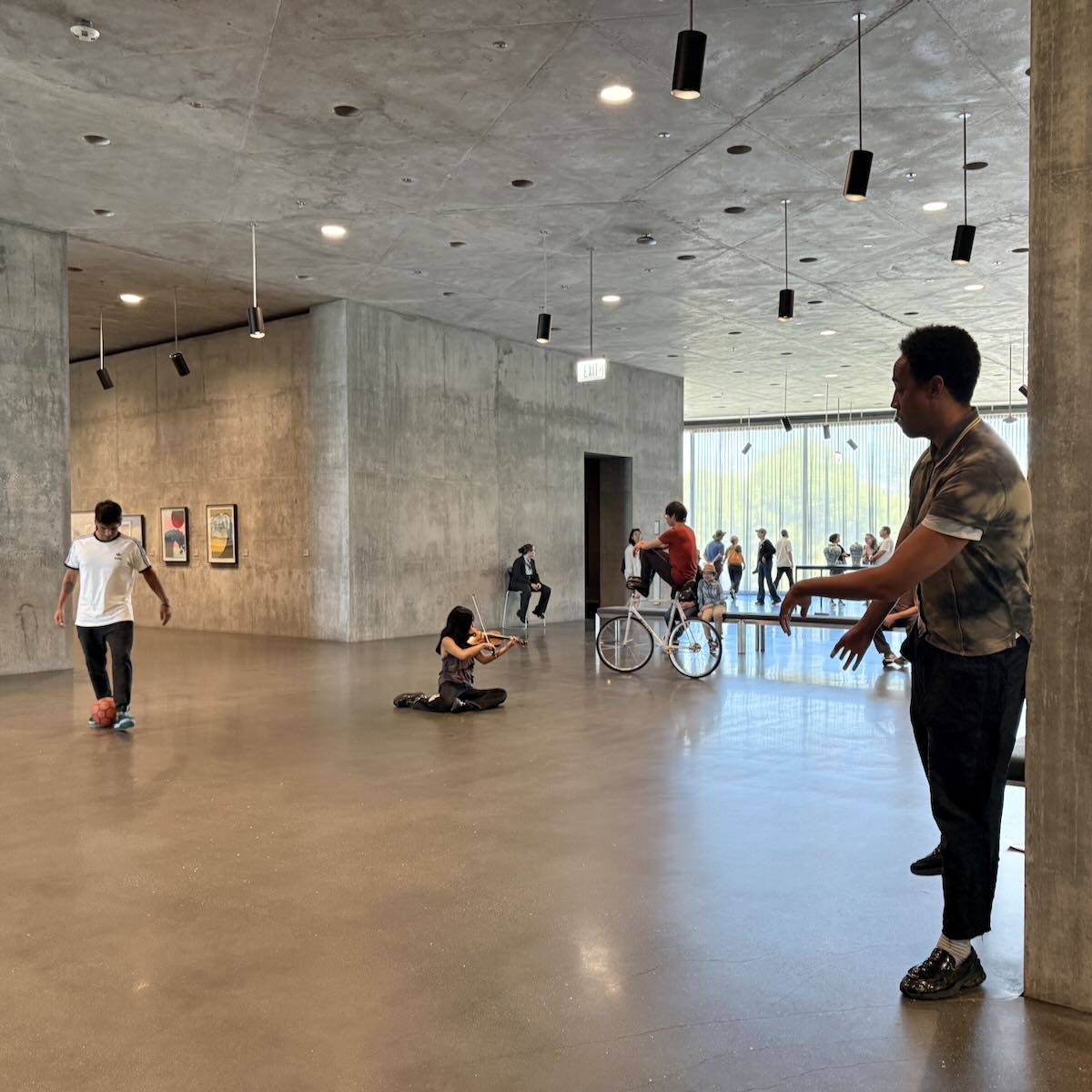
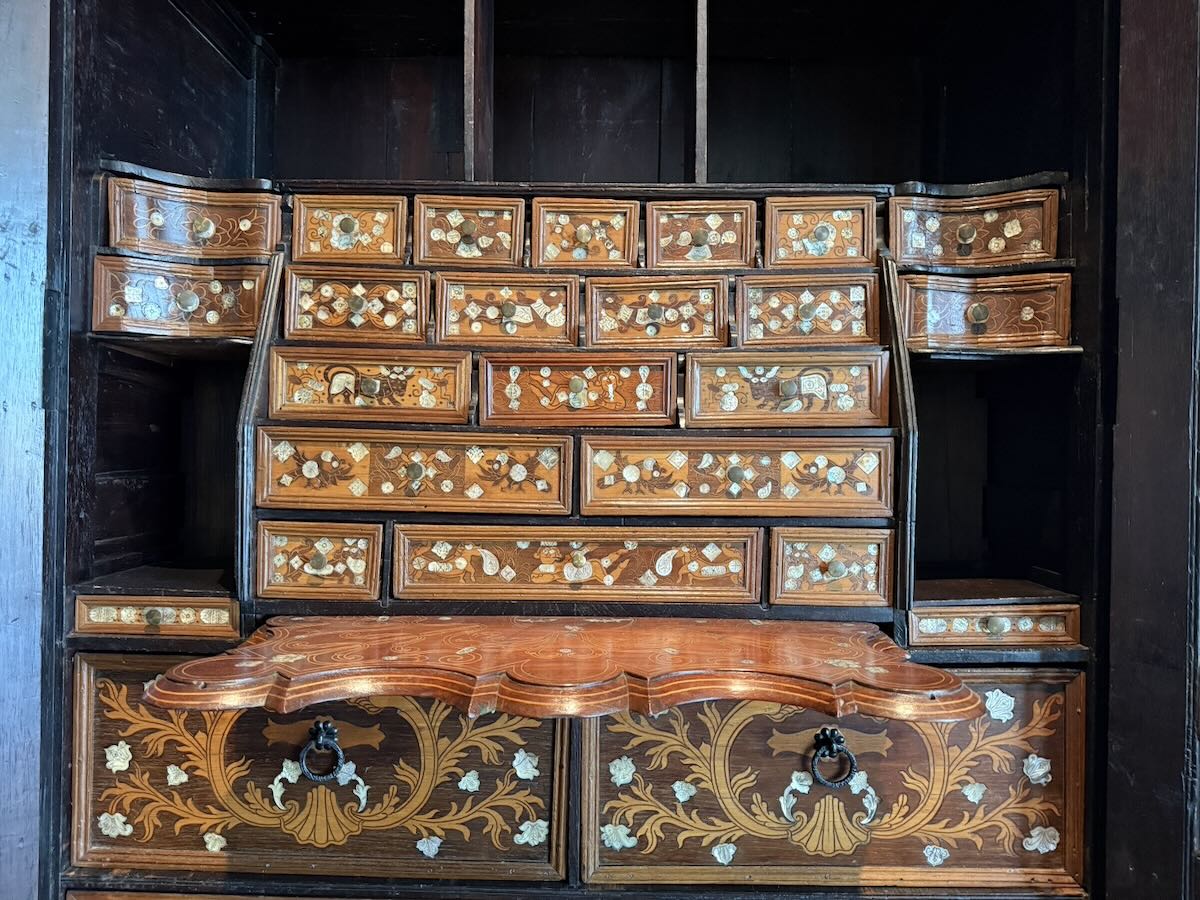 Any large museum can leave you feeling drunk on art, but the curation can lead to whiplash as you ping-pong from era to era, style to style, region to region. And this may sound crazy when talking about such a rich, varied stash of amazing stuff, but all that looking at things—things on the wall, things on the floor, things in vitrines, maybe a thing hanging from the ceiling—gets repetitive. I found myself wishing for something experiential, an installation or two like James Turrell Skyspace or a Yayoi Kusama Infinity Mirror Room. The only moment along those lines was a free-form performance involving a guy kicking a soccer ball, a violinist, a bicyclist, and a dancer. It wasn’t especially additive, although the music wafting through the galleries was pleasant. And I suppose it did broaden our sense of what else might be a performance—the woman who brought her dog? The guy rolling calls? The wailing baby that seemed to be tailing us?
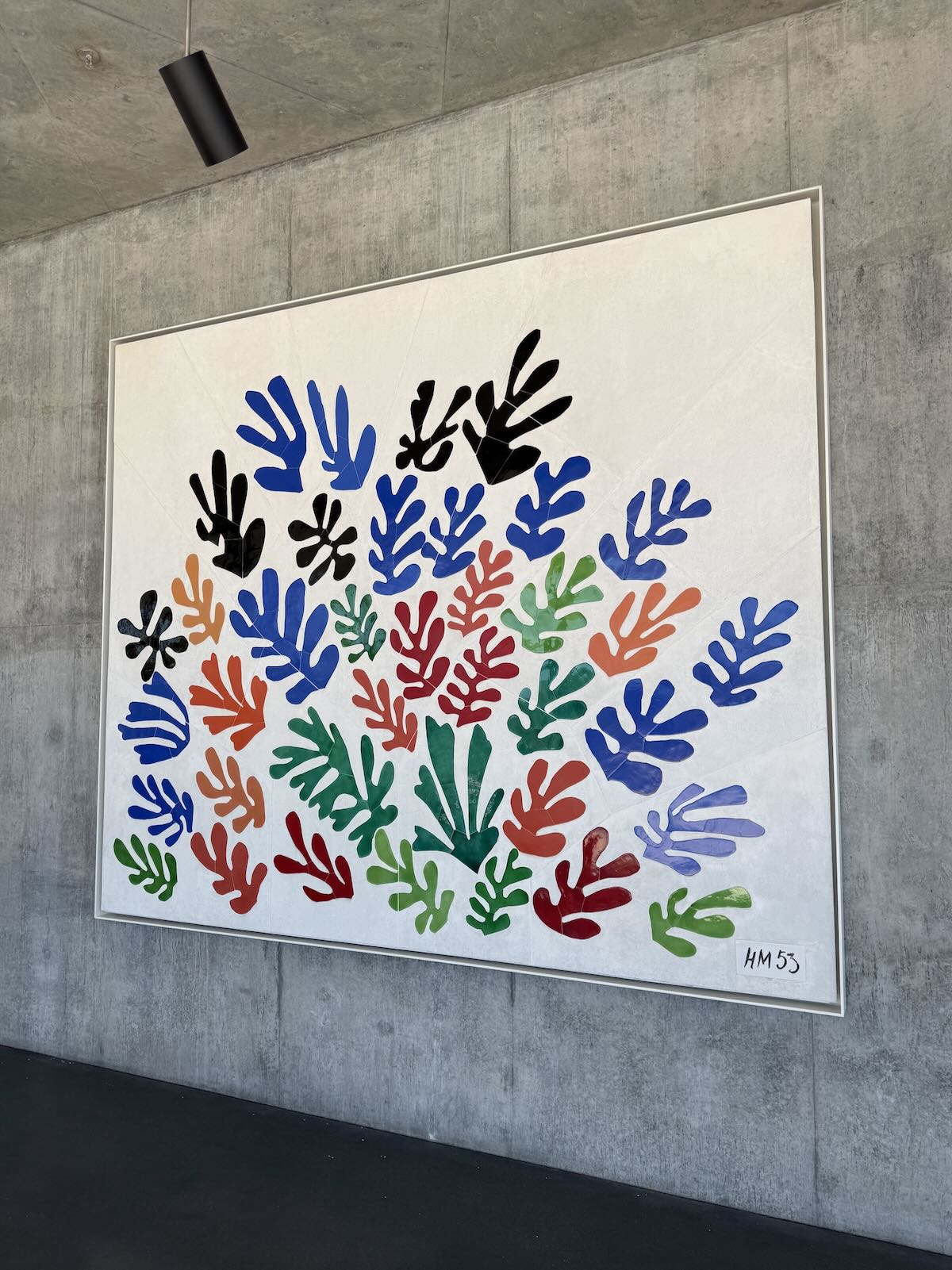
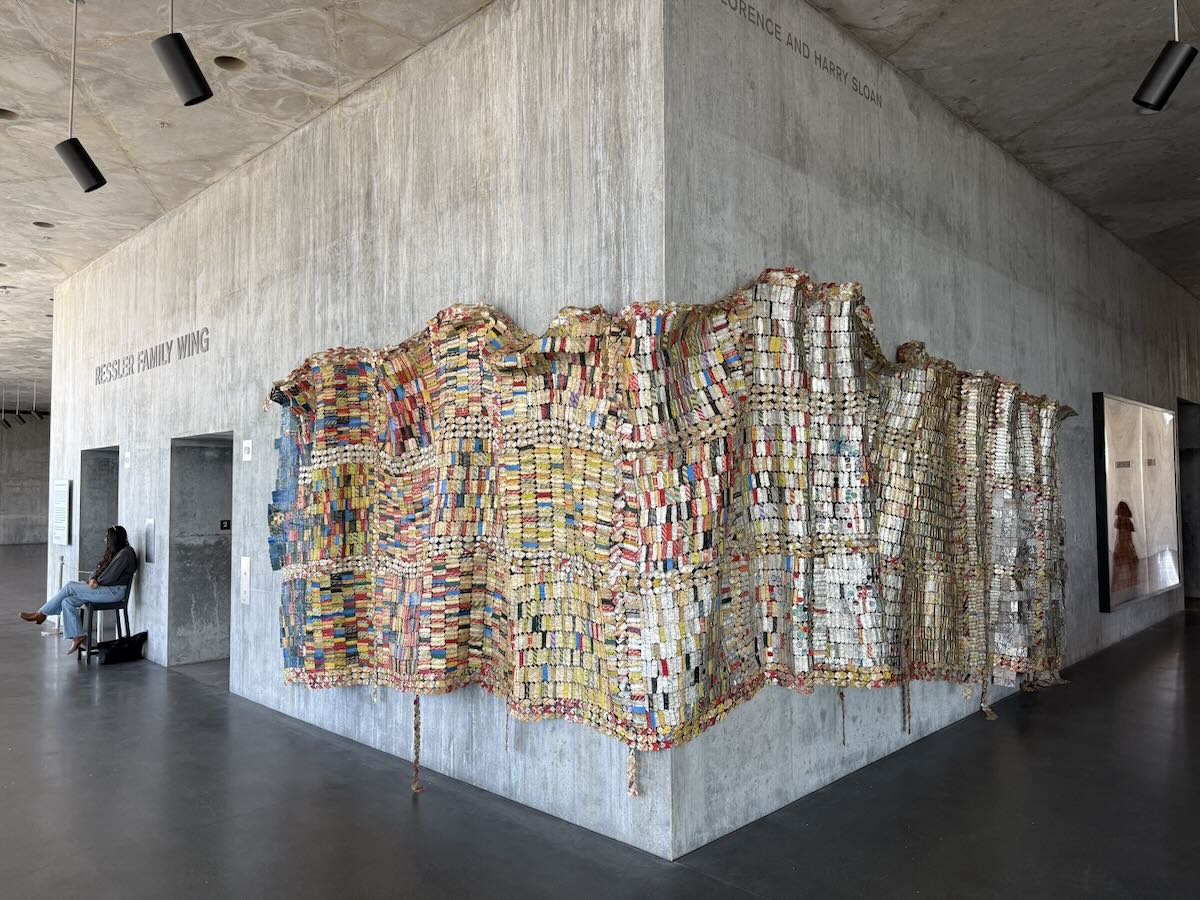
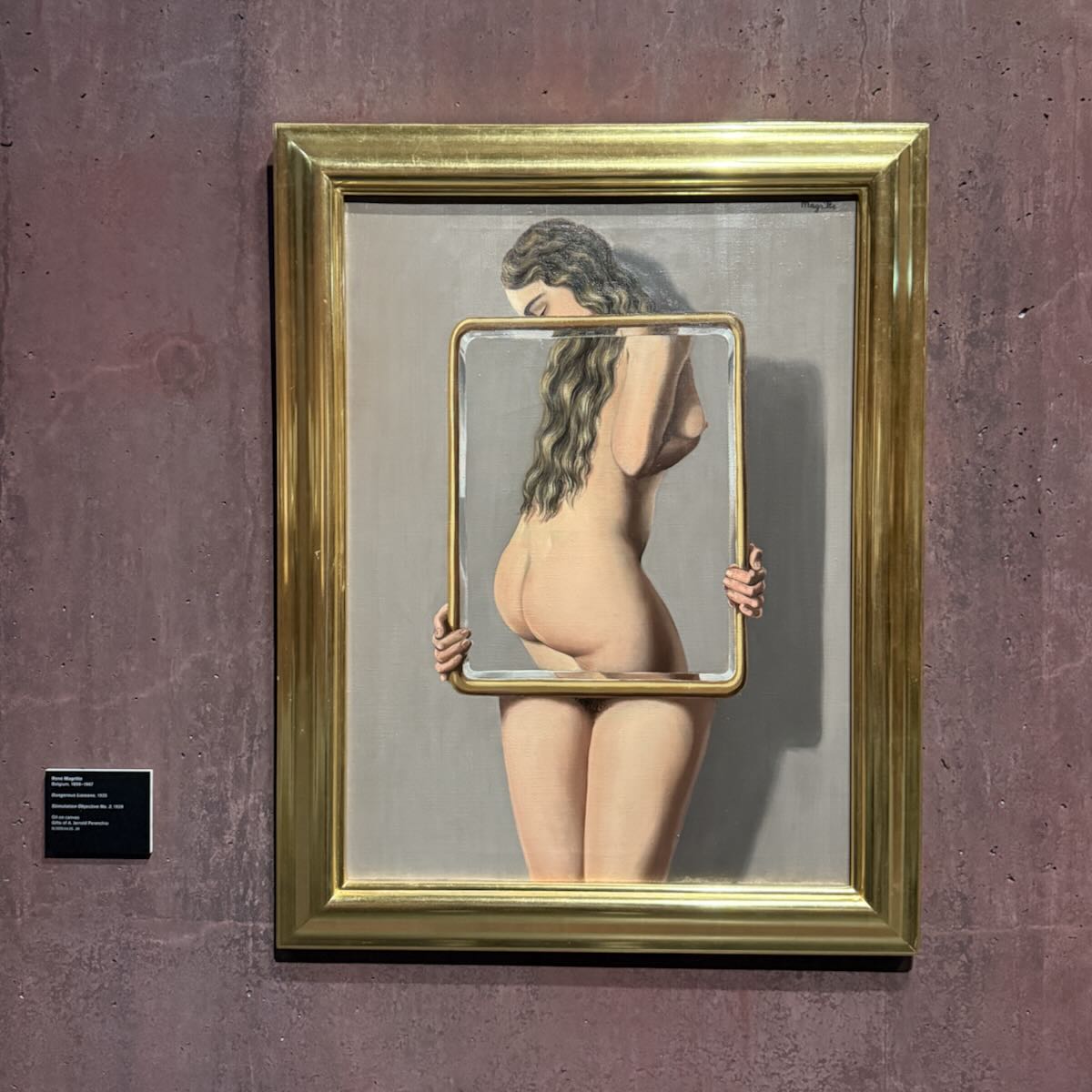
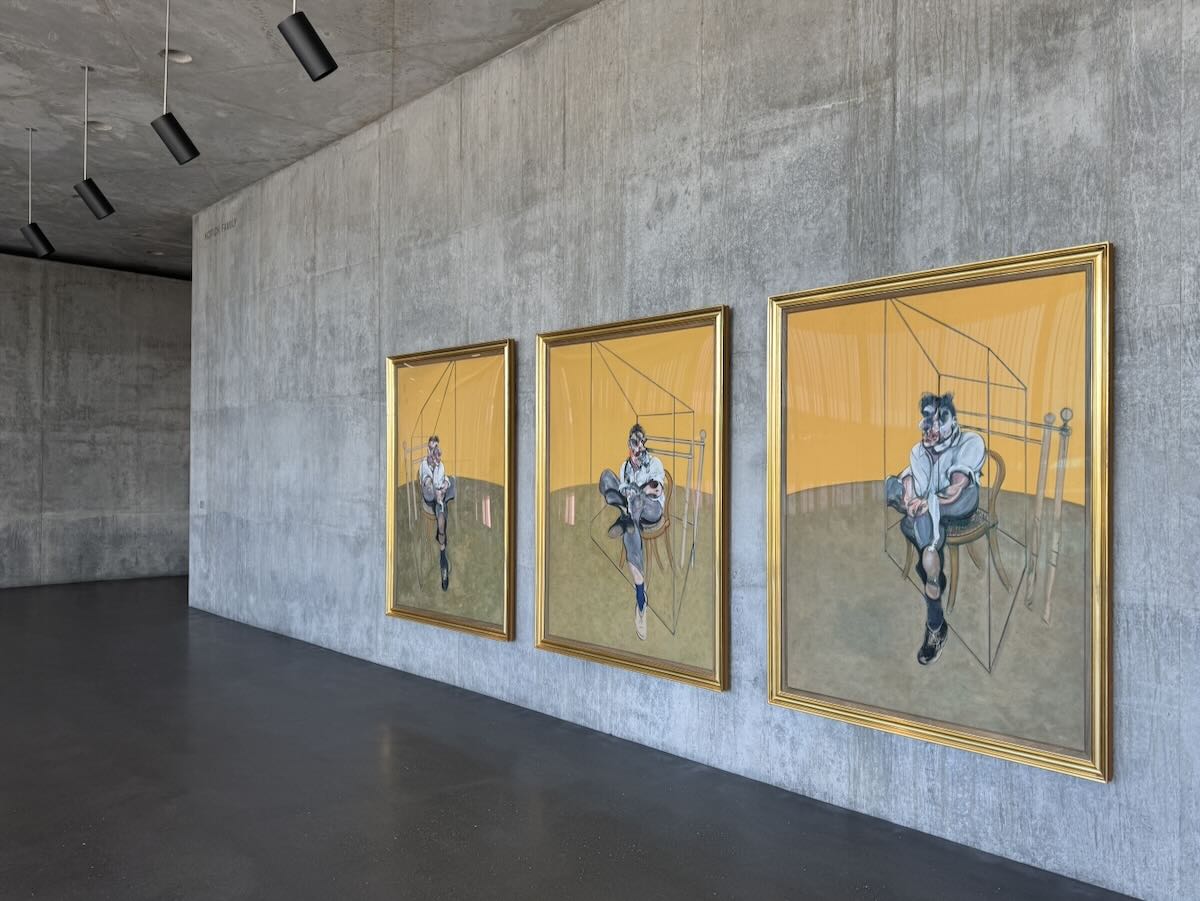
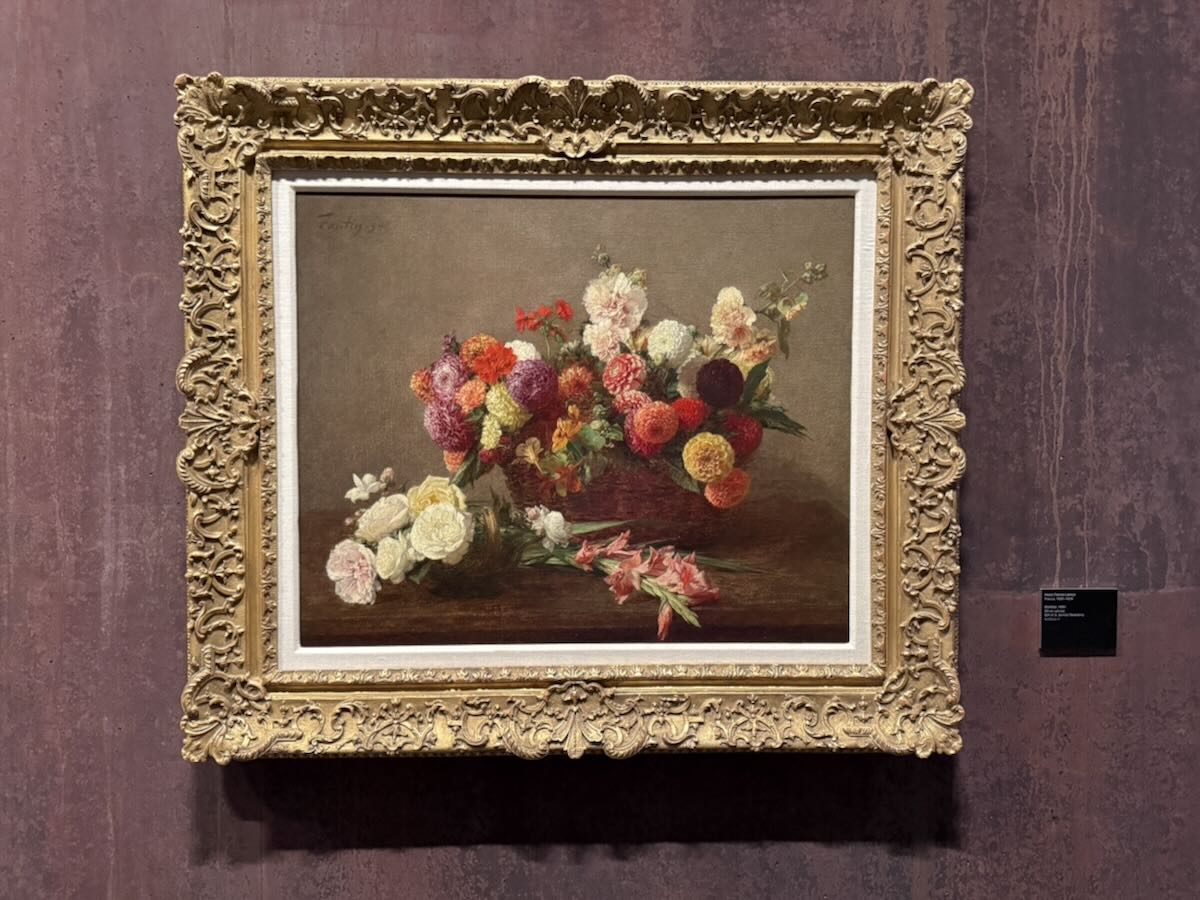
 That said, if you want fabulous pieces from marquee artists—including ones that particularly delighted me by Henri Matisse, El Anatsui, René Magritte, Francis Bacon, and Henri Fantin-Latour—you’ve come to the right place.
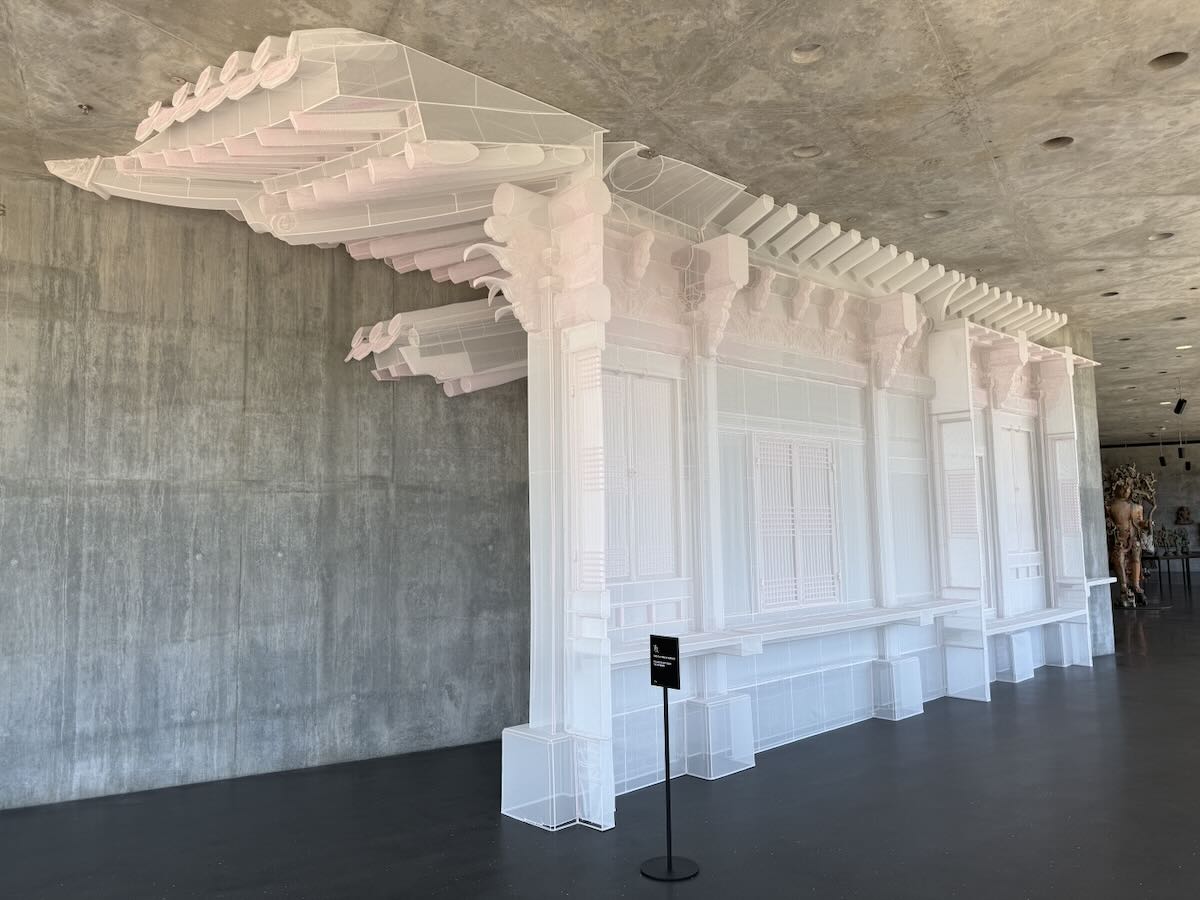
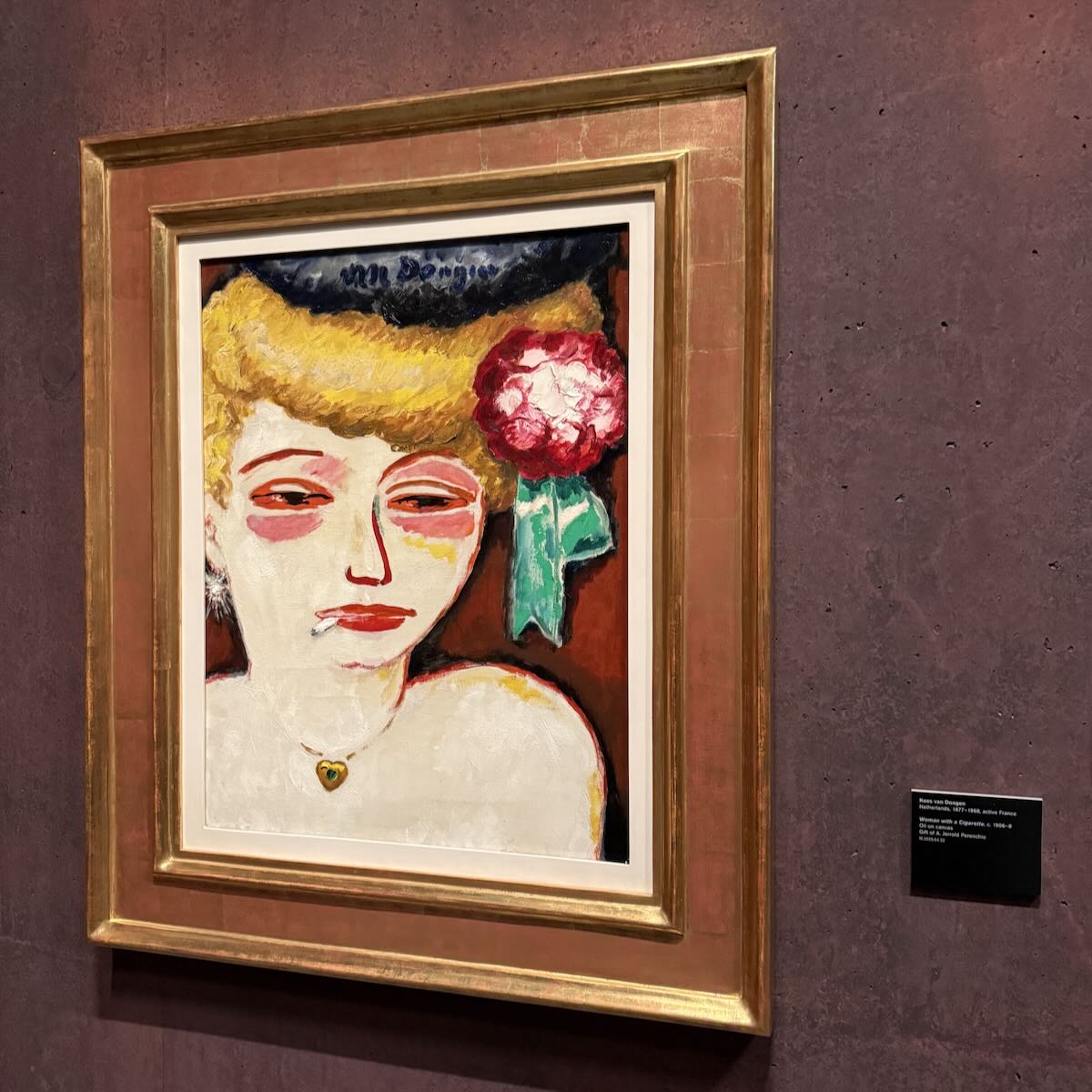
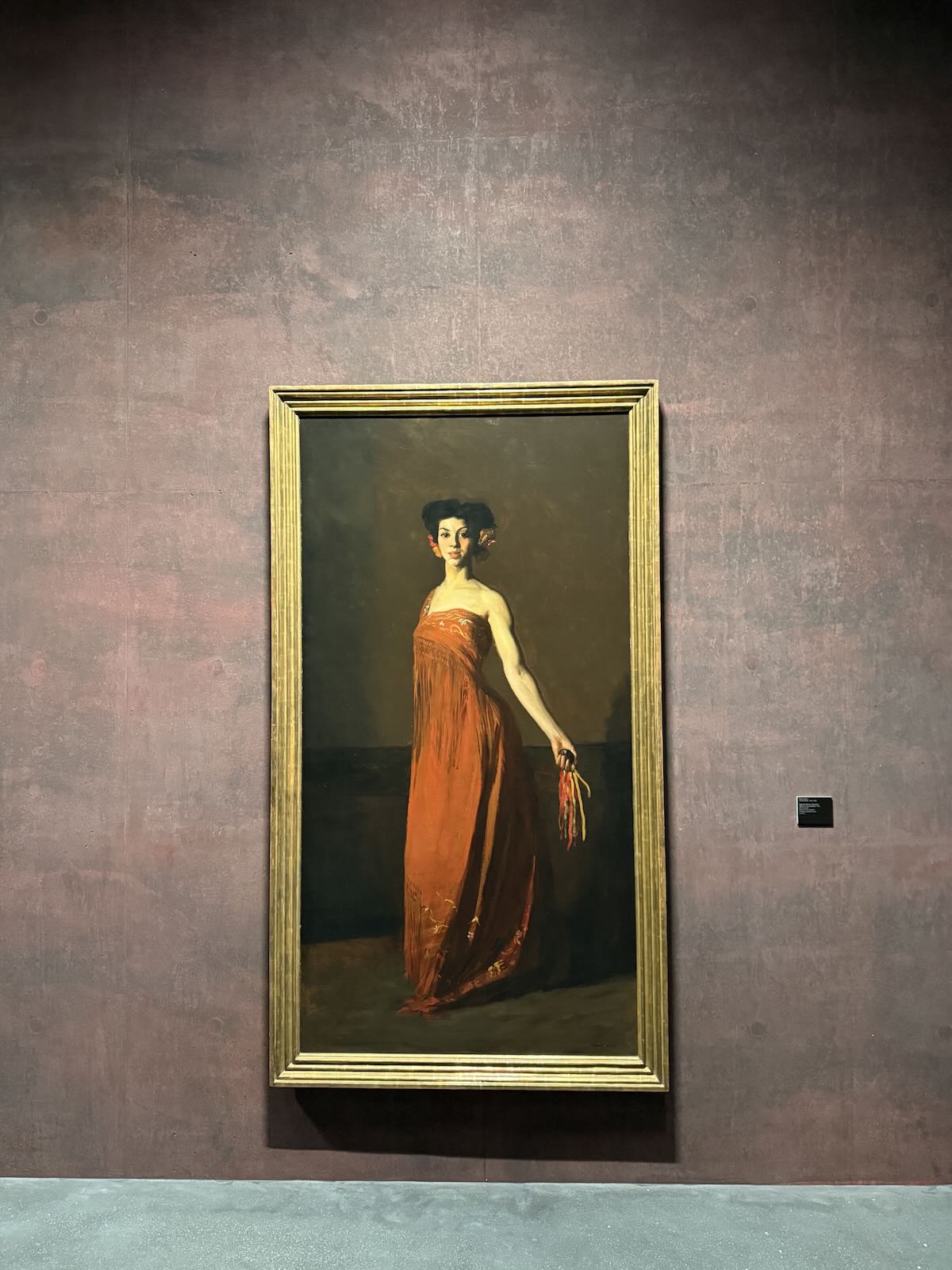
 Do Ho Suh, Kees van Dongen, and Robert Henri, meanwhile, were among the artists I was pleased to discover.
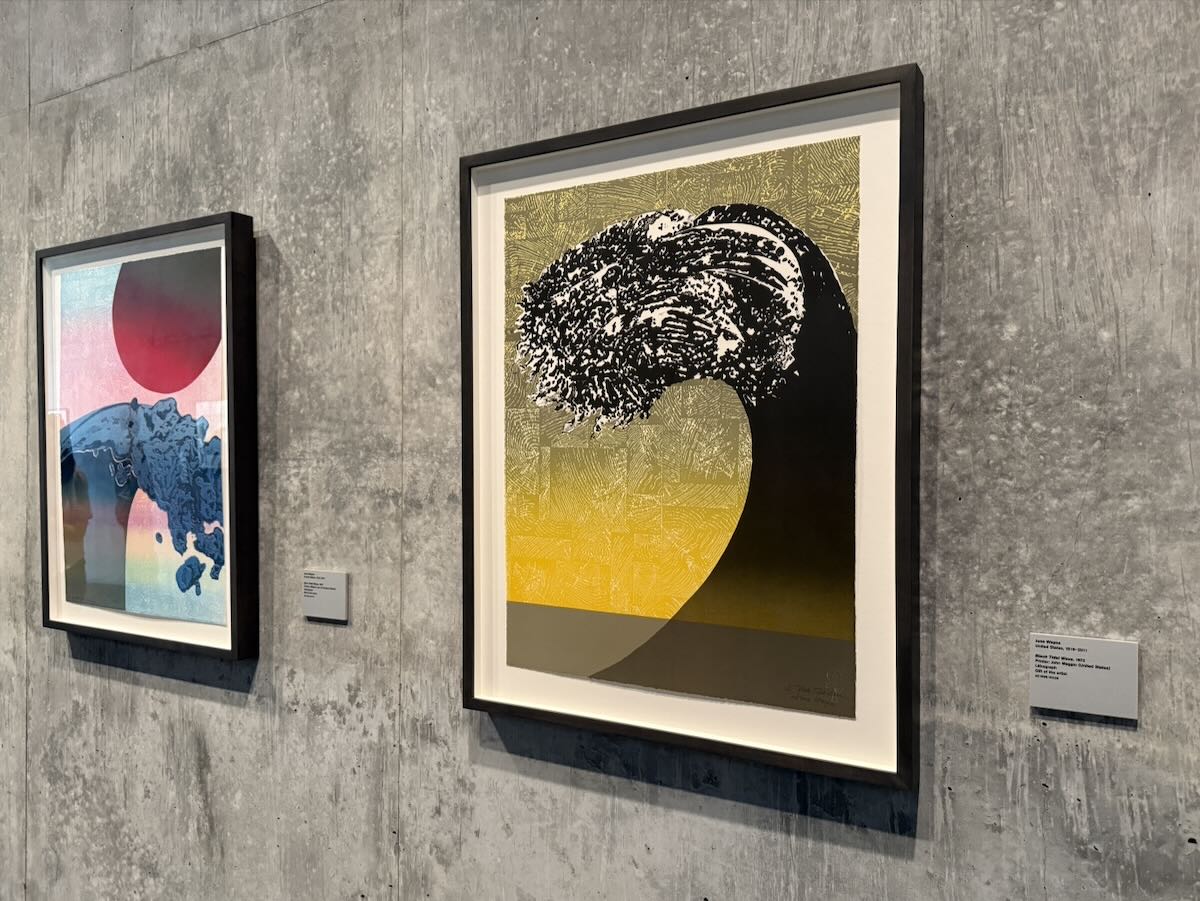
 And I loved the wave lithographs by June Wayne, but why is one missing? There were a few empty vitrines, too, and an installation still under construction—odd in such a high-profile opening.
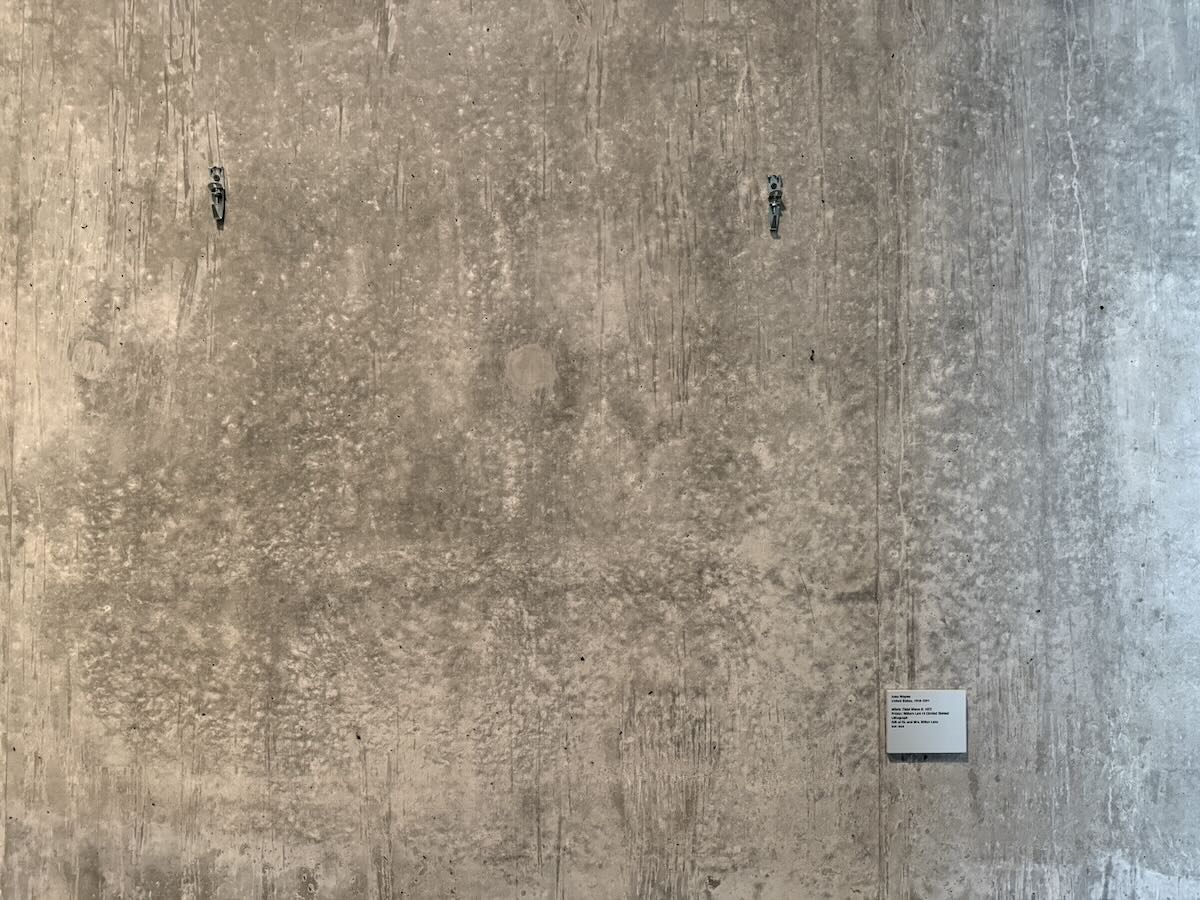 When you couldn’t identify the artist by looking at the work, good luck. The labels might be outside the room…
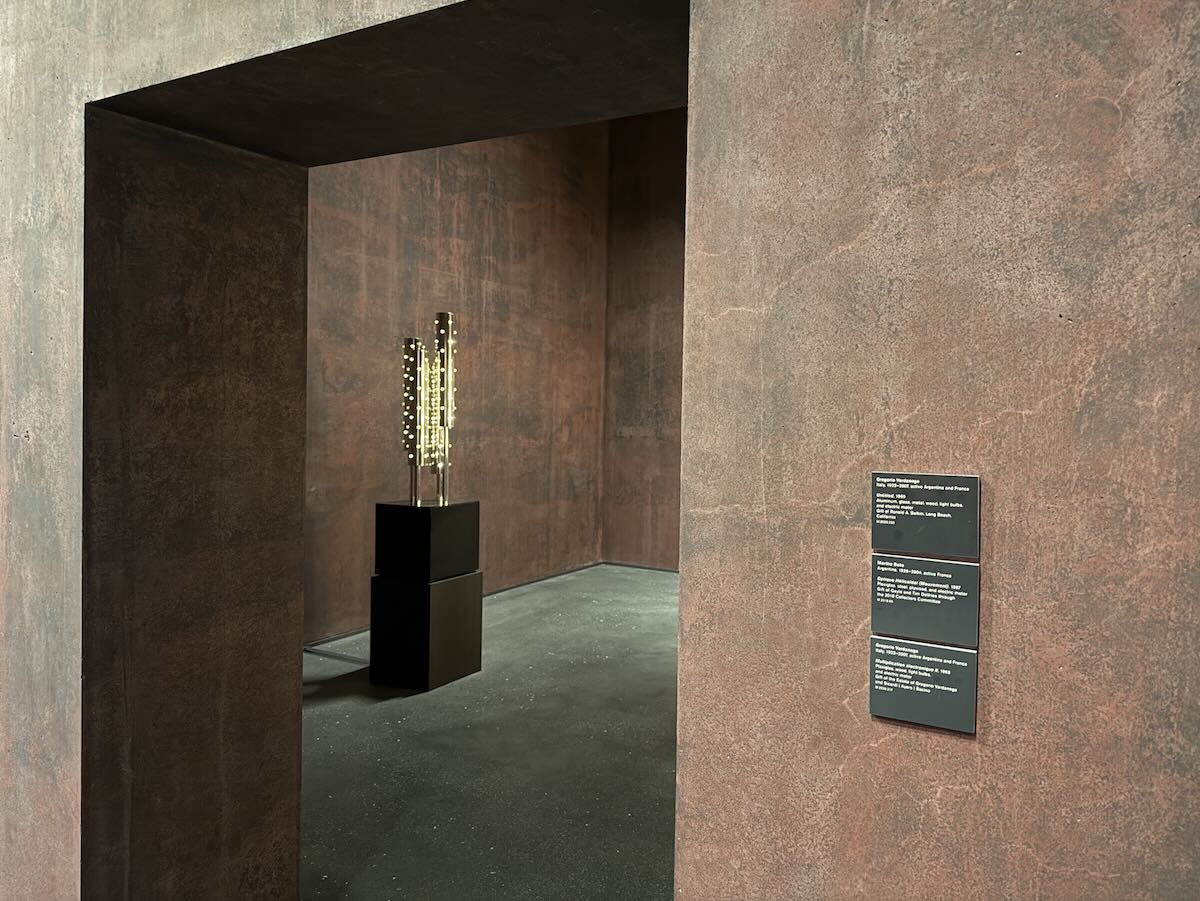 …or arranged in a puzzling fashion.
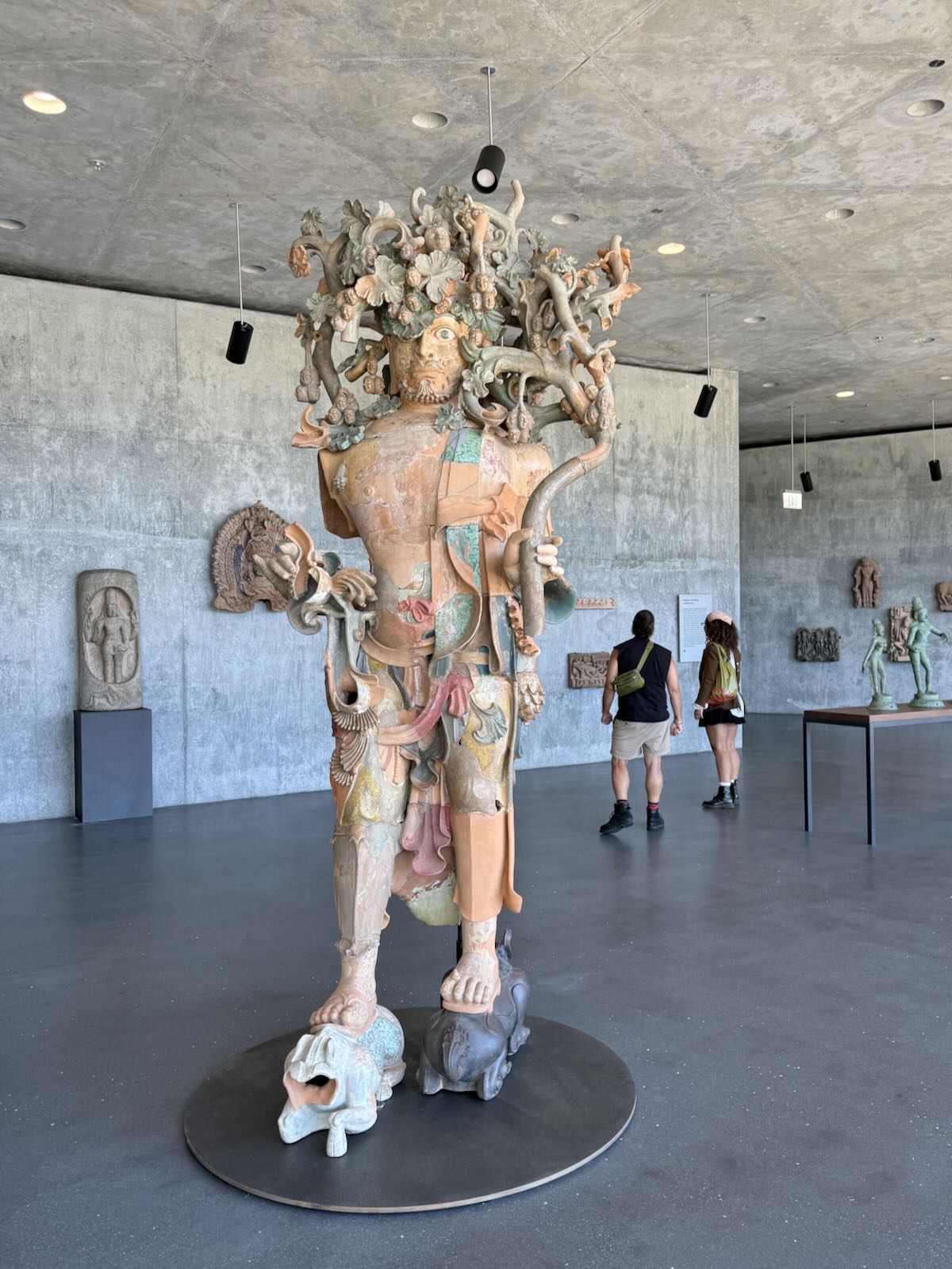
 In the case of this sculpture, we walked all around the gallery trying to figure out which label might apply. We deduced it must be Manjunath Kamath’s “Vikatonarva.” Knowing the name of the artist or work may not be that enlightening, but this piece dates from 2024, which is important information, given that it’s surrounded by antiquities. But then most of the labels at the museum include little info beyond who donated it, and honestly, who besides the donor gives a fig? Tell me about the art! This is extra frustrating because—as you can see if you click “Vikatonarva” above—they have the info. (Every now and then there was a QR code, but I don’t want to spend my time at a museum staring at my phone.)
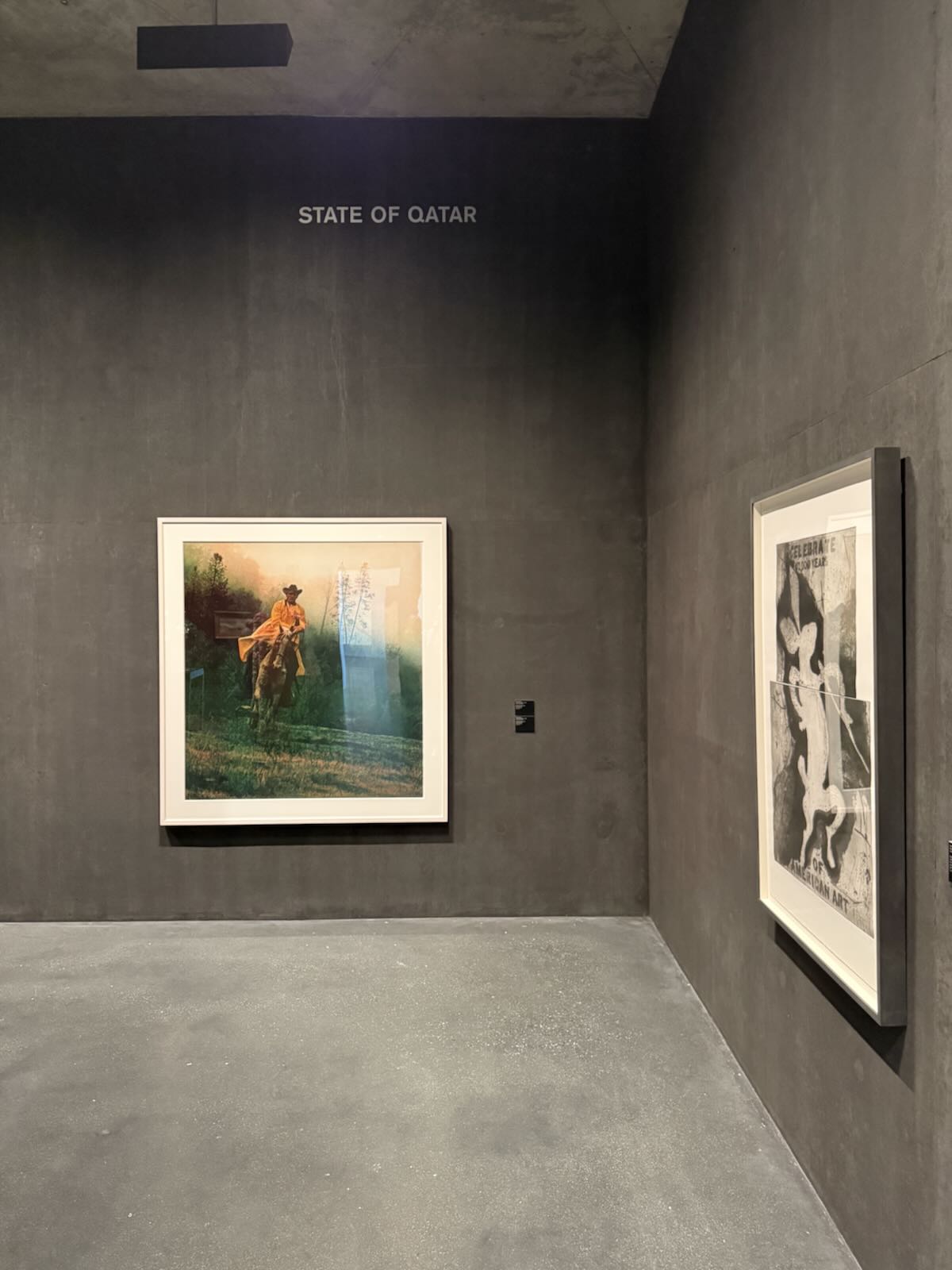
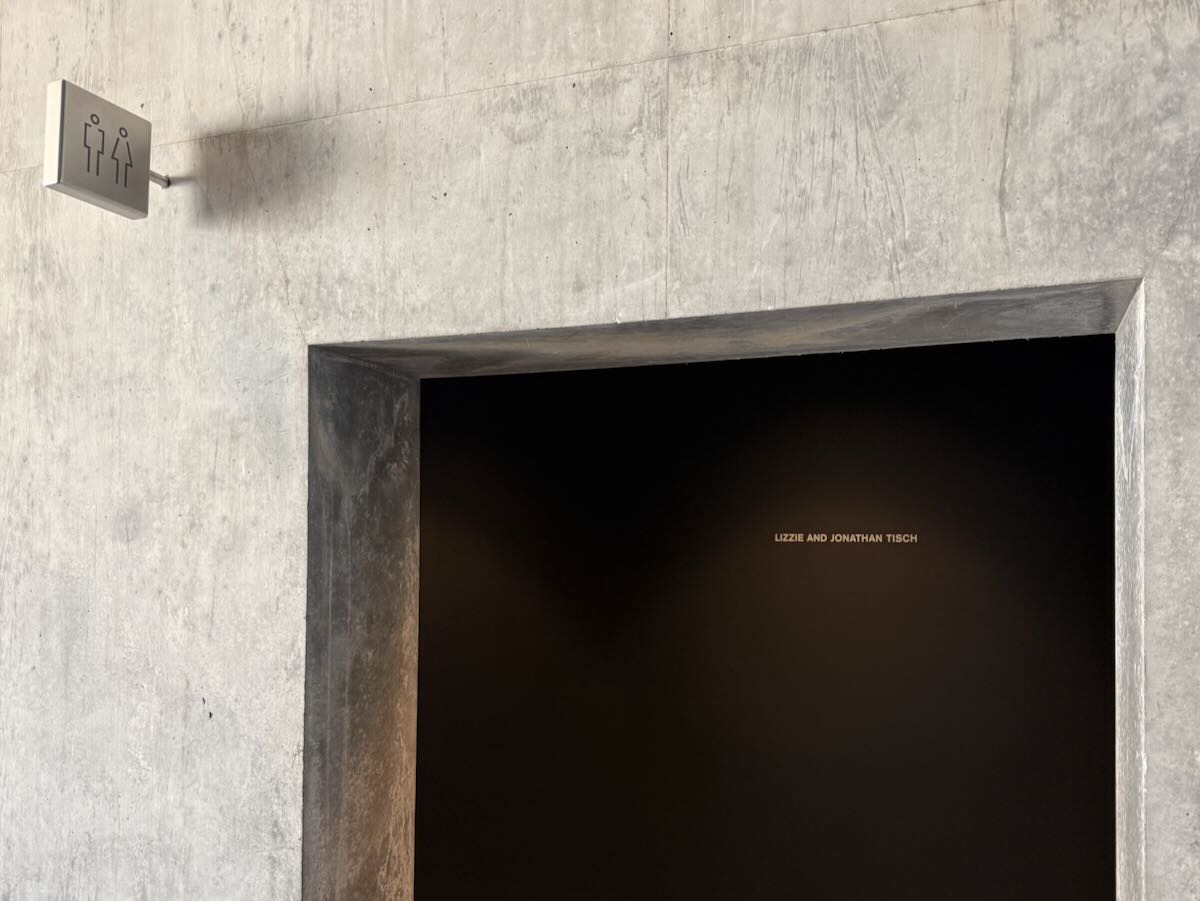
 Speaking of donors, seeing a country among the names of rich people was a little disorienting. We vowed that if we’re ever in the position to buy naming rights, we’ll opt for a restroom. I’m confident that 90% of people who entered this one noticed Lizzie and Jonathan Tisch’s name.
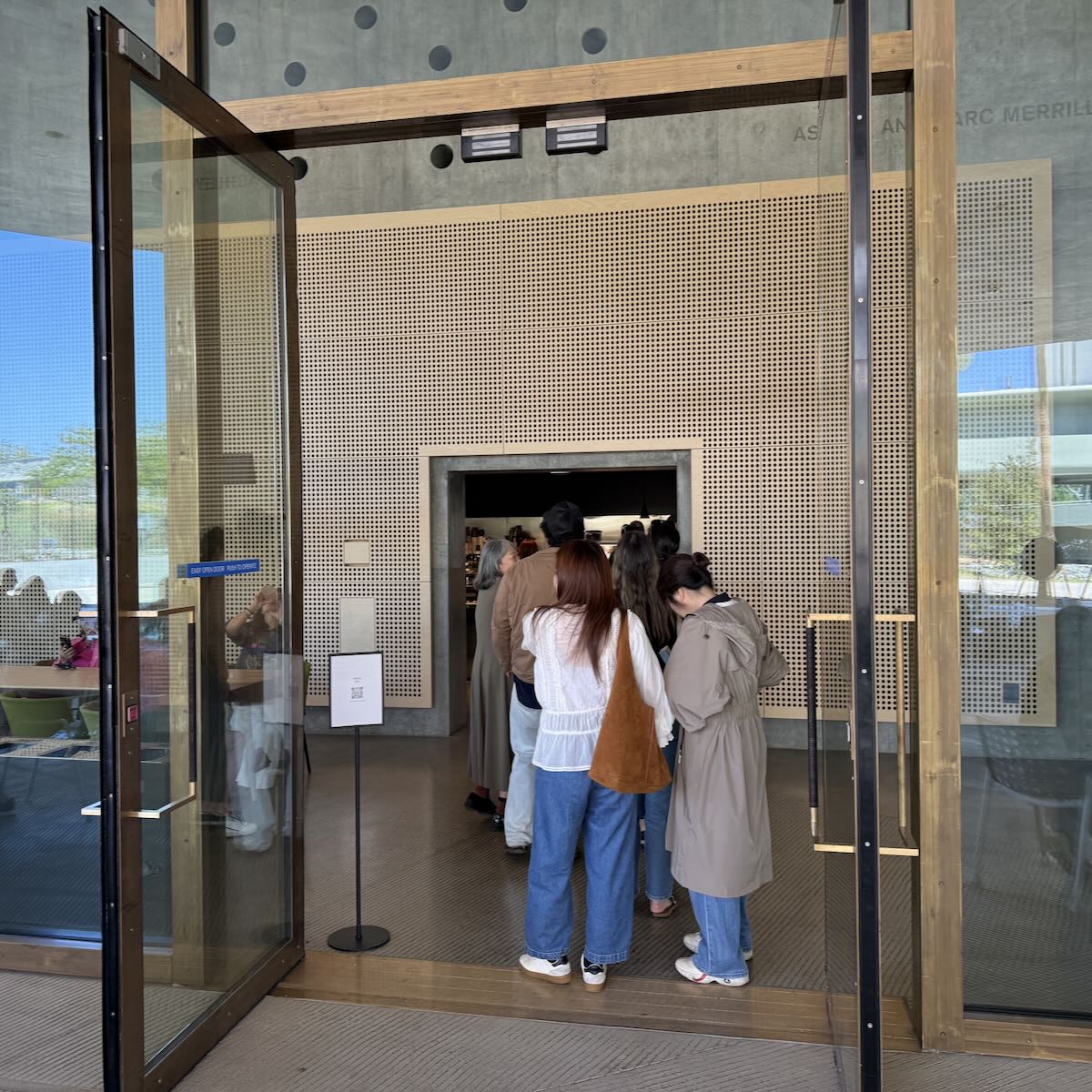
 At one point, we took a break and went down and around to the Erewhon snack bar inside the building. With an entrance resembling some kind of temple, it was even more pretentious than a normal Erewhon. (A wine bar elsewhere in the building is due to open in the fall.)
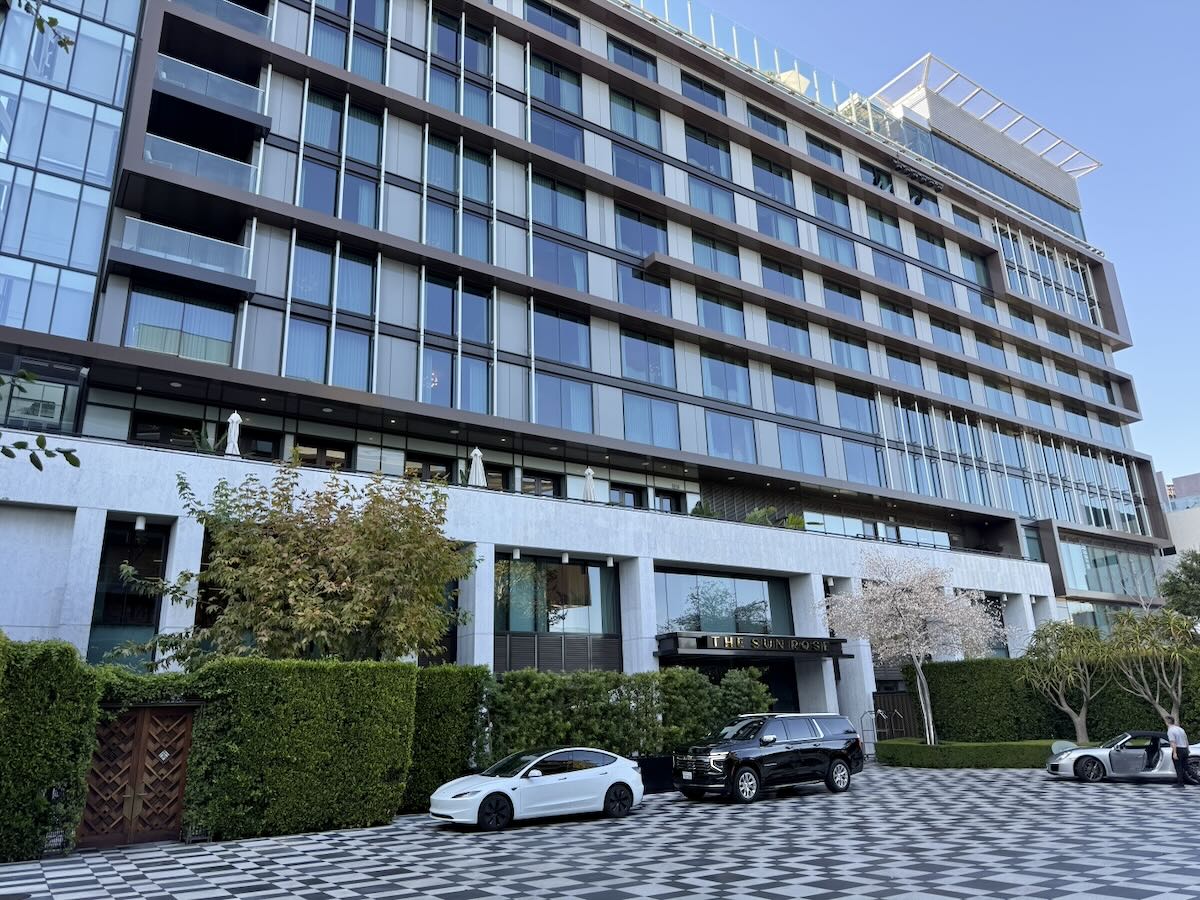
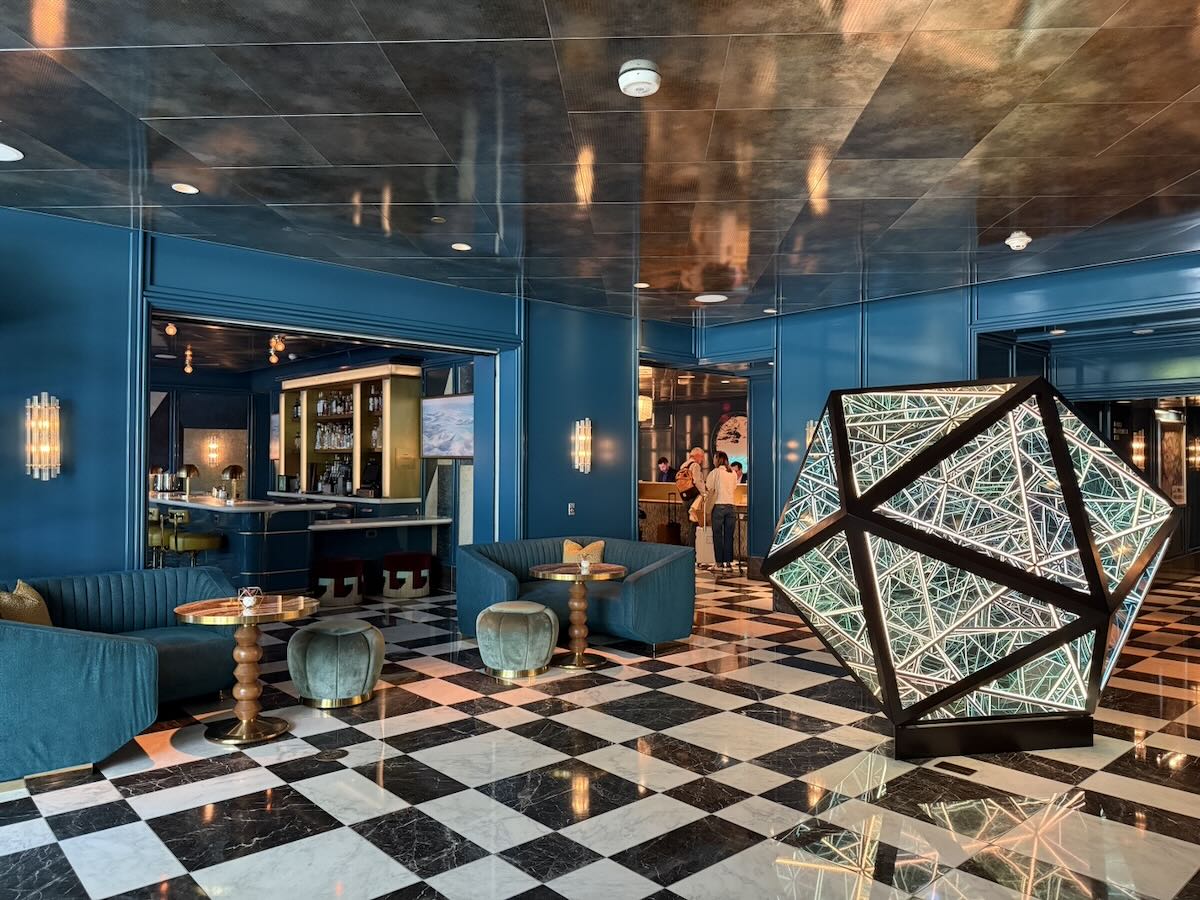
 The main reason we were in L.A. was to attend a show at the Hollywood Bowl, so we stayed at The Sun Rose Hotel in West Hollywood, which was born as a Pendry. The design is trying too hard, and the room was a little meh, but it got the job done.
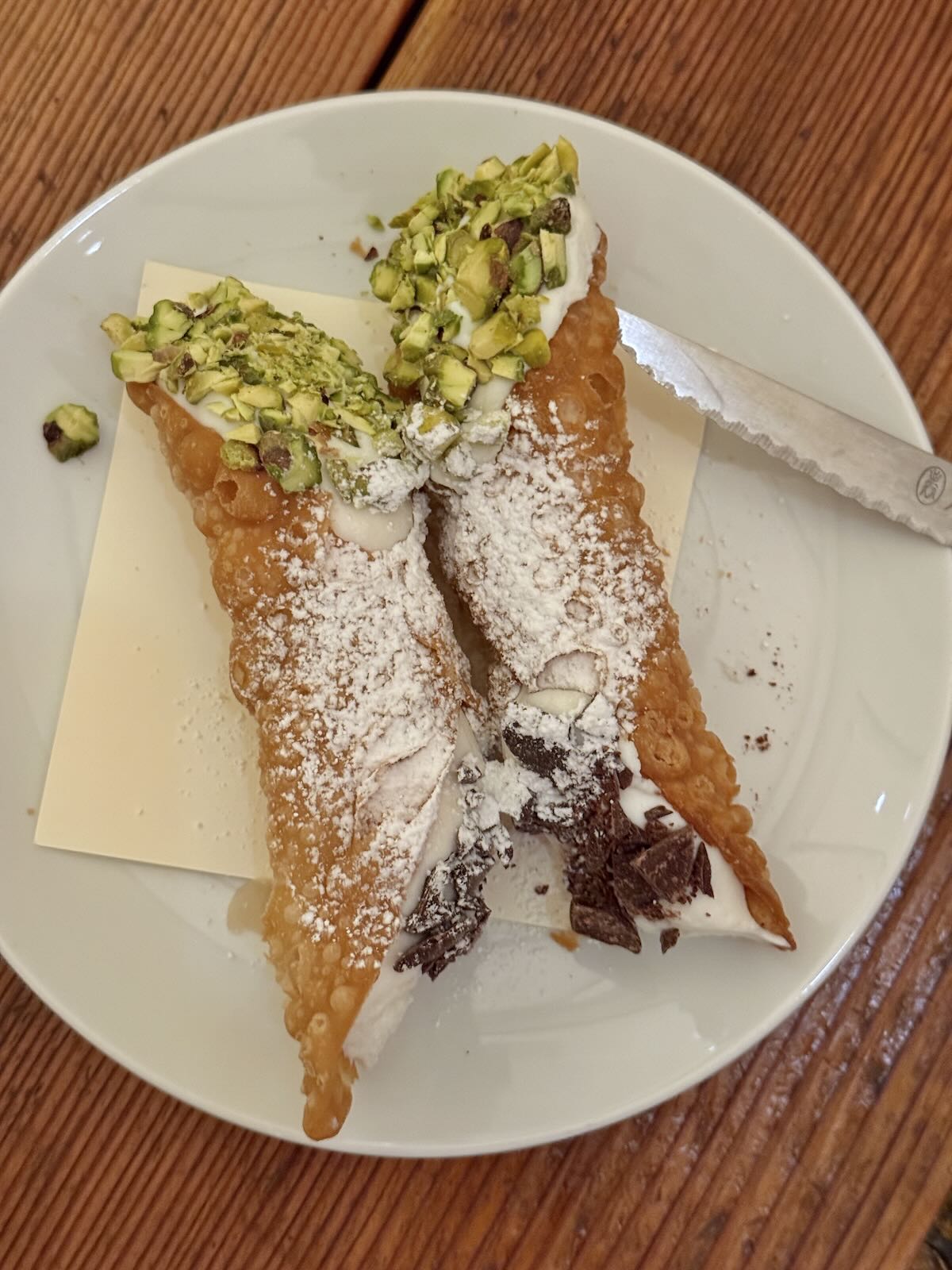
 For dinner, we took a Waymo—which has expanded service way beyond greater Santa Monica—to Antico Nuovo, in a grotty strip mall east of Hancock Park. The meal was excellent, topped off with freshly fried and filled cannoli. As for the Hollywood Bowl, it probably would’ve seemed more magical if we didn’t have a smaller, more charming version right here at home.
·············
Previous travel coverage:
••• The Majesty of Angkor Wat
••• From Vietnam With… Ambivalence
••• Singapore: The City That Never Spits
••• Las Vegas: The Original Sim City
••• That’s Life in Death Valley
••• The Glorious Isolation of Santa Barbara Island
••• Hiking From Hotel to Hotel in the Dolomites
↓↓↓ A Ramble Through the English Countryside
••• Notes from Up North: Healdsburg, Mendocino, and San Francisco
••• There’s More to Peru Than Machu Picchu
••• On a Backroads Tour of New Zealand’s South Island
••• Navigating the North Island of New Zealand
••• Don’t Be So Quick to Write Off Phoenix
••• The Most Magical City in the World
••• One and Done in Sedona
••• A Proper Visit to Santa Monica
••• A Quickie in San Francisco
••• Dipping a Toe Into Southern Corsica
••• The Exquisite Luxury of Taking Paris for Granted
••• Santa Rosa Island in One Day
••• Soaking Up History at Castle Hot Springs
••• Driving Through the Heart of Hokkaido
••• Tokyo Is a World Unto Itself
••• Paso Robles, Pinnacles National Park, and Beyond
••• A Review of the Inn at Mattei’s Tavern
••• Another Quickie in L.A.
••• Sitting Pretty at the One & Only Mandarina
••• The Mysteries of Istanbul
••• Palm Springs: Midweek at the Oasis
••• Exploring the Sea Caves of Santa Cruz Island
••• A Summer Swing Through the Northeast
••• Why Is Everyone Going to Portugal?
••• Patagonia Made Easy
••• A Quickie in L.A.
••• From Penthouse to Pavement in Mexico City
••• Do Greek Islands Live Up to the Fantasy?
••• Splendid Isolation at Utah’s Lodge at Blue Sky
••• Three Reasons to Visit Paso Robles Now
 ················
Sign up for the Siteline email newsletter and you’ll never miss a post.