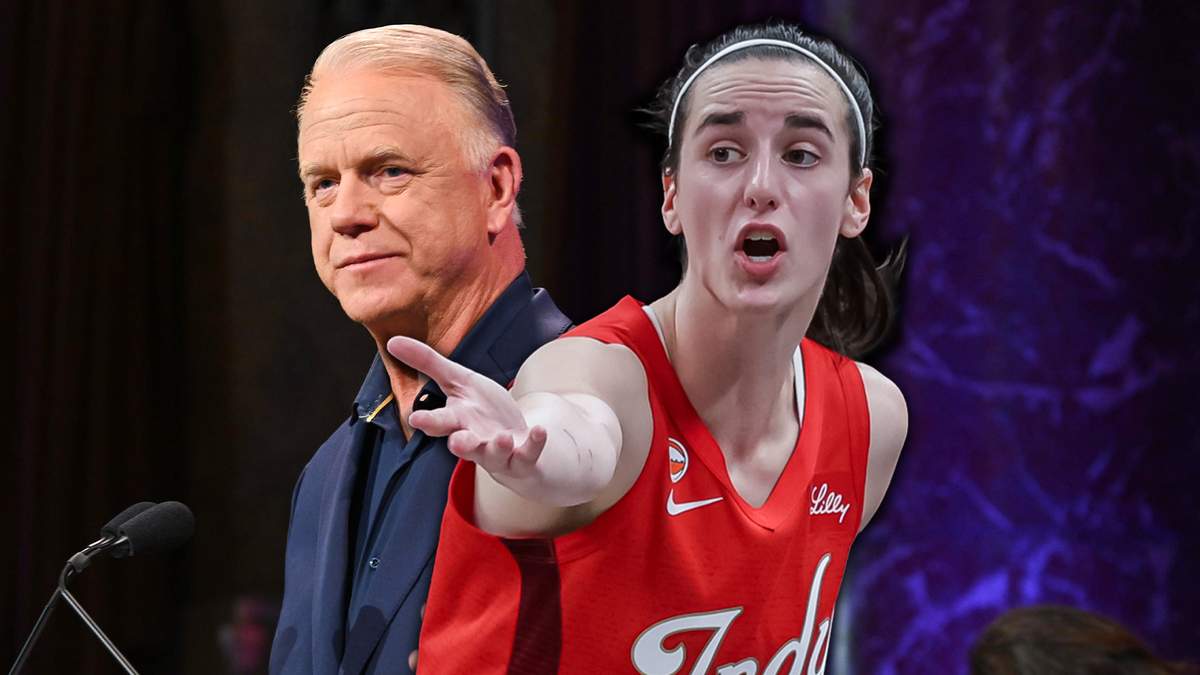
Rob Parker and Kelvin Washington had strong words for Boomer Esiason after the former NFL quarterback suggested Caitlin Clark should consider leaving the WNBA for another league following a physical game against the Phoenix Mercury.
The discussion came after Clark was involved in multiple hard fouls, including an incident with Alyssa Thomas that later resulted in a league suspension. While the physical play sparked debate across the sports world, Parker and Washington took issue with Esiason’s argument that Clark is being mistreated because she is a straight white player.
Using Esiason’s comments as a jumping-off point, Parker criticized the veteran broadcaster, calling him “a terrible talk show host” and accusing him of pushing divisive narratives rather than focusing on basketball. Parker argued that Esiason’s suggestion that Clark should leave the league made little sense, especially given her massive endorsement portfolio and status as one of the biggest stars in women’s sports.
Washington took the discussion a step further, saying Clark often becomes the center of debates she never asked to be part of. According to Washington, Clark is simply trying to play basketball while media personalities and social media users project larger cultural arguments onto her career. He added that commentary like Esiason’s is one of the reasons he feels sympathy for the Indiana Fever star.
Watch the full discussion on The Odd Couple’s YouTube channel and subscribe for more daily sports talk content.
Both hosts pushed back on the idea that Clark deserves special treatment on the court. Washington noted that physical play is common when opposing teams face elite players, comparing Clark’s experience to what stars across sports have historically endured. From Michael Jordan to Steph Curry, top players often become targets because opponents are trying to gain a competitive edge.
Parker also argued that Esiason’s latest comments fit a pattern of controversial opinions that have followed him throughout his media career. He described Esiason as someone who has reached a point where he believes he can say anything without consequence.
Washington closed by broadening the conversation beyond Clark and the WNBA. In his view, the reaction to every Clark foul or on-court confrontation reflects a larger problem in modern sports discourse. Rather than evaluating individual plays on their own merits, too many fans and commentators immediately turn every incident into a cultural or political debate.
For Parker and Washington, the bottom line was simple: Caitlin Clark is a talented player who receives extra attention because of her star power, and the conversation surrounding her has become far more dramatic than the basketball itself. Clark’s physical treatment, they argued, has more to do with competition than conspiracy.