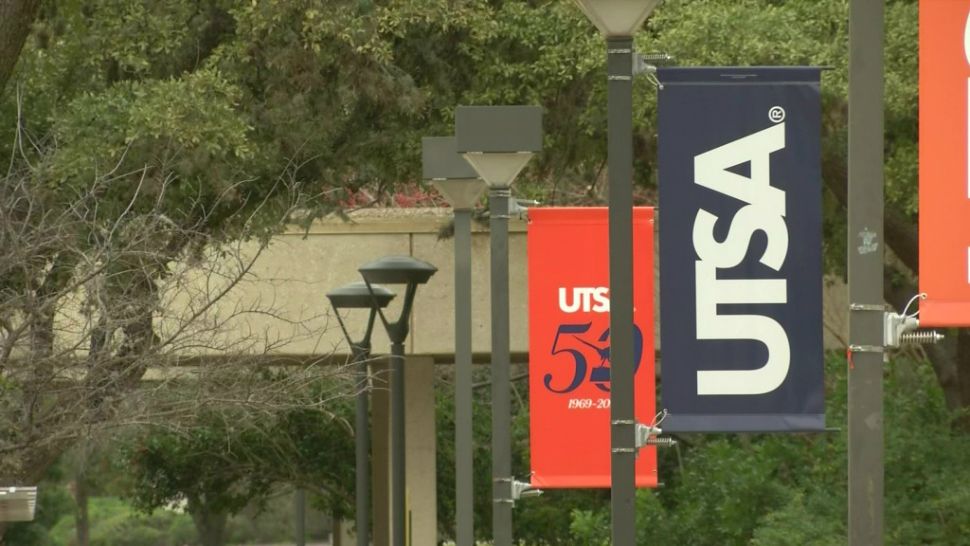
TEXAS — The use of GLP-1 medication has become increasing popular over the last several years. Researchers at the University of Texas at San Antonio are taking a closer look at the correlation between GLP-1’s and the increased amount of phone calls to poison control.
Robert and Jordan Miller have dedicated their time to researching the highs and lows of GLP-1s. They are a class of medication first used to treat type 2 diabetes since 2005, but they more recently gained popularity among folks seeking medical support for weight management.
“Just the sheer volume of the incoming calls,” said Robert Miller.
Since the drug has become popular for weight loss management, pharmacist Robert Miller with the South Texas Poison Center has fielded call after call from both healthcare professionals as well as the general public.
“While working at the poison control center, I noticed starting around post pandemic, began getting a substantial amount of calls regarding the GLP-1 drugs,” said Robert Miller.
That’s when he first became curious as to why so many calls were coming in from folks using this type of medication.
“I noticed with the general public, people found often the manufacturers pens to be confusing. So, frequently problems would be too many clicks. Maybe they confused it with another pen that they had,” said Robert Miller.
The data they began collecting went more than 10 years back.
“We went all the way back to 2012, and it was predominately anti-diabetic medication at that point. The FDA approval happened approximately July 2021. So we looked at from that date forward to 2023,” said Robert Miller.
The two found that as the years went on, manufacturers made the drug more readily available.
Robert Miller said the original formulation of GLP-1s was something patients had to take twice a day. Then once daily. Now it’s once a week for some medications.
“The staggering increase in calls to poison control centers that we’ve seen will hopefully level off as patients and providers become more familiar with these kinds of drugs and what to expect and how to introduce them into a patient’s daily regimen,” said Jordan Miller.
This has lead to more incoming calls to poison control and sometimes trips to the ER for the callers.
“Every three months, we saw the amount of people calling in, increase by 10%. So obviously that’s stacking up every single quarter,” said Robert Miller.
As researchers, both Jordan and Robert Miller believe there will always be a demand for the now popular medication.
“Because the demand is so high and manufacturers want to meet that demand and make it more accessible to prospective patients, they’re creating oral formulations that are easier to take,” said Jordan Miller.
Their goal with the research is that they want the understanding to become more well-known to help treat patients better overall.