Benzinga and Yahoo Finance LLC may earn commission or revenue on some items through the links below.
Healthcare may be one of the few purchases Americans make without ever knowing the real price until the bill shows up.
That’s a problem, according to billionaire entrepreneur Mark Cuban.
Responding to a discussion about universal healthcare on X earlier this month, Cuban argued that some form of universal care could potentially be cheaper, offer better outcomes and create less bureaucracy than the current system. The bigger obstacle, he said, isn’t ideology. It’s transparency.
Don’t Miss:
“Actually, some form of Universal Care could be cheaper, offer better care, and be less bureaucratic,” Cuban wrote.
But he said many proposals fall apart because policymakers underestimate how complicated the economics of American healthcare have become.
The Problem Isn’t Just Cost. It’s Knowing The Cost
Cuban’s central argument was straightforward: nobody truly knows what healthcare costs.
“[The] problem in this country is no one really knows what medical care or drugs cost,” he wrote.
“Everything related to the cost of care has been made intentionally opaque,” Cuban continued. “It’s a business strategy at every step.”
Confidential contracts, complex pricing agreements and a lack of transparency throughout the healthcare system make meaningful reform extraordinarily difficult, according to Cuban.
“Every healthcare contract has a confidentiality clause,” Cuban wrote. “Hospitals don’t know how to allocate costs to determine their true cost.”
Without knowing the actual cost of care, he argued, it’s nearly impossible for the government to negotiate prices, build budgets or design a universal healthcare system that works as intended.
Cuban also questioned how some hospitals can provide care at Medicare reimbursement rates while others charge dramatically more for similar services.
Until those questions are answered, he believes large-scale reform faces significant obstacles.
Why Cuban Thinks Transparency Comes First
Cuban has spent years criticizing unnecessary complexity in healthcare. He co-founded Cost Plus Drugs, an online pharmacy that delivers affordable medications by bypassing middlemen, and he frequently speaks out on drug pricing, pharmacy benefit managers, and insurance practices.
His latest comments reflect a theme he’s returned to repeatedly: transparency has to come before transformation.
“Ideology is not a strategy,” Cuban wrote.
He also warned that major insurers and hospital systems would likely challenge sweeping reforms in court for years, creating additional hurdles even if lawmakers agreed on a plan.
In Cuban’s view, reducing the influence of large healthcare conglomerates and improving transparency would be prerequisites for any serious attempt at universal healthcare.
See Also: The IRS Could Take A Bigger Bite Out Of Retirement Savings Than Many Expect — Some Investors Are Seeking Professional Help
What It Means For Your Financial Plan
While policymakers debate how to fix healthcare, families still have to prepare for the costs they may face.
That’s easier said than done.
Healthcare remains one of the largest expenses many Americans encounter in retirement. According to Fidelity, a 65-year-old retiring today can expect to spend approximately $172,500 on healthcare throughout retirement, excluding many long-term care expenses. For couples, the total can easily exceed $300,000.
Those costs make planning essential.
The challenge is that healthcare decisions aren’t one-size-fits-all. The right strategy depends on factors such as age, income, health status, retirement goals and risk tolerance.
Albert is a personal finance assistance app, making it easier to take control of your finances —without the dress.
Cuban’s broader message wasn’t necessarily that universal healthcare is impossible.
It was that meaningful reform requires something that’s often missing from the conversation: knowing what things actually cost.
Until then, Americans may continue navigating a system where the price of care remains one of the biggest unknowns in both healthcare and personal finance.
Read Next: He Had Plenty of Home Equity But Couldn’t Qualify for a HELOC. Here’s the Alternative He Found.
Building Wealth Across More Than Just the Market
Building a resilient portfolio means thinking beyond a single asset or market trend. Economic cycles shift, sectors rise and fall, and no one investment performs well in every environment. That’s why many investors look to diversify with platforms that provide access to real estate, fixed-income opportunities, precious metals, and even self-directed retirement accounts. By spreading exposure across multiple asset classes, it becomes easier to manage risk, capture steady returns, and create long-term wealth that isn’t tied to the fortunes of just one company or industry.
Arrived
Backed by Jeff Bezos, Arrived Homes makes real estate investing accessible with a low barrier to entry. Investors can buy fractional shares of single-family rentals and vacation homes starting with as little as $100. This allows everyday investors to diversify into real estate, collect rental income, and build long-term wealth without needing to manage properties directly.
FarmTogether
Farmland has historically held its value through market volatility and delivered returns uncorrelated to stocks and bonds. For accredited investors, FarmTogether offers direct access to high-quality U.S. farmland starting at $15,000 — fully managed, with no landlord headaches.
Immersed
Immersed is building technology for the future of work through spatial computing. Known for its AR/VR productivity platform that enables users to work across multiple virtual screens, the company has grown to more than 1.5 million users worldwide. Immersed is also developing Visor, a lightweight headset designed specifically for professional productivity, positioning the company at the intersection of remote work, extended reality (XR), and next-generation computing.
Fundrise
Private real estate and private credit can add income and stability to a stock-heavy portfolio. Fundrise offers access to diversified private real estate and credit strategies through an easy-to-use platform, with professionally managed portfolios designed to generate passive income and long-term growth.
Realberry
Institutional-quality real estate has traditionally been difficult for individual investors to access. Realberry gives accredited investors direct access to private real estate opportunities backed by a team with 35 years of experience, $3.4 billion in assets under management, and $481 million in cumulative distributions paid to investors as of Q4 2025, according to the company. With a portfolio spanning 13 million square feet across seven U.S. states, Realberry focuses on acquiring, developing, and managing real estate with an emphasis on long-term value creation while its principals often invest alongside clients to help align interests.
Mode Mobile
Mode Mobile is changing the way people interact with their phones by letting users earn money from the same apps and activities they already use every day. Instead of platforms keeping all the advertising revenue, Mode Mobile shares a portion back with users who engage with content, play games, and scroll on their devices. Named one of Deloitte’s fastest-growing software companies in North America, the company has built a large beta user base and is scaling a model that turns everyday smartphone usage into a potential income stream.
EquityMultiple
For accredited investors looking beyond stocks and bonds, EquityMultiple provides access to vetted commercial real estate deals starting at $5,000, with only ~5% of opportunities passing their due diligence process.
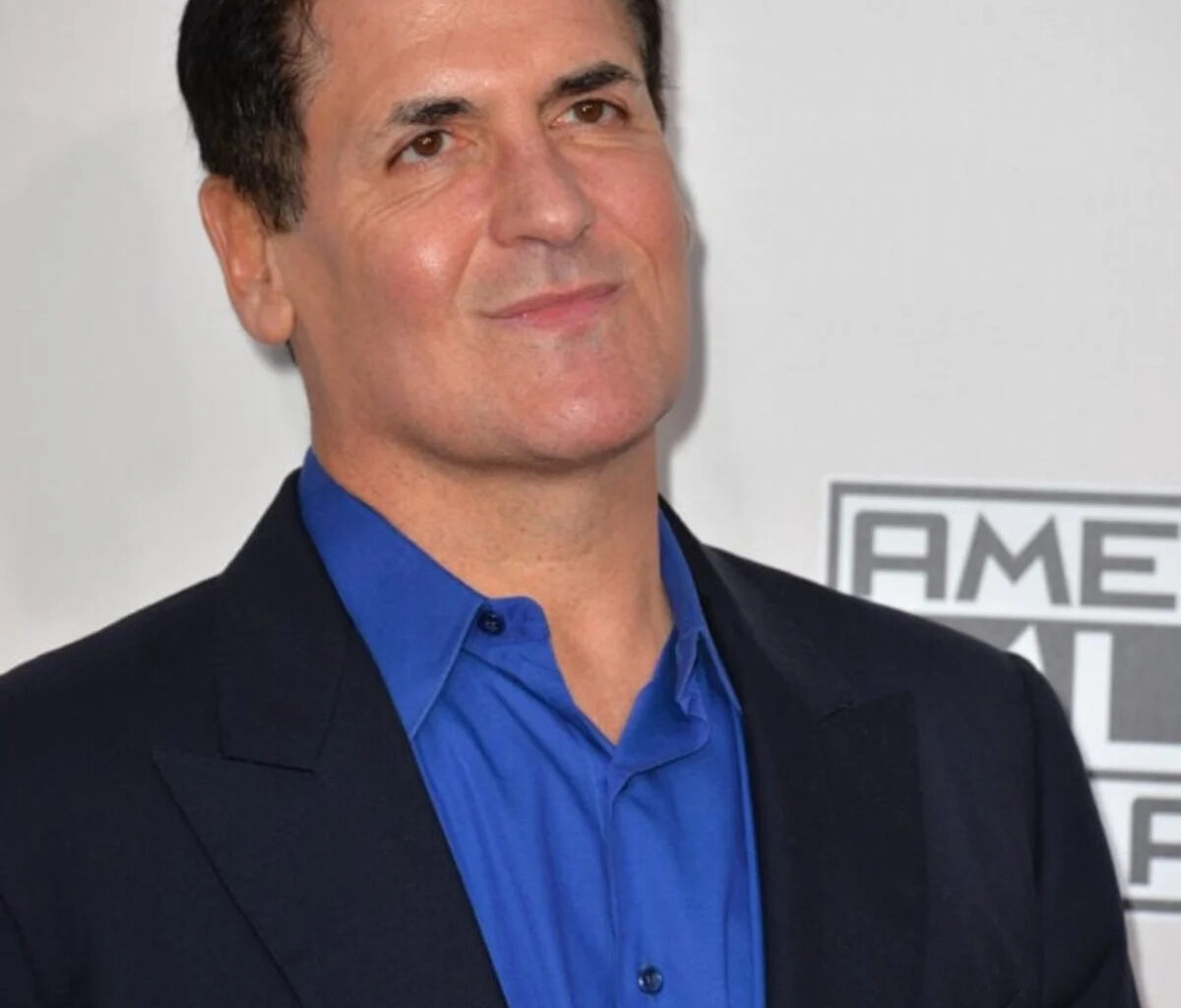
Image: Shutterstock
This article Mark Cuban Says ‘Some Form Of Universal Care’ Could Be Cheaper And Offer Better Care — But The Problem In America Is Things Are ‘Intentionally Opaque’ originally appeared on Benzinga.com
© 2026 Benzinga.com. Benzinga does not provide investment advice. All rights reserved.