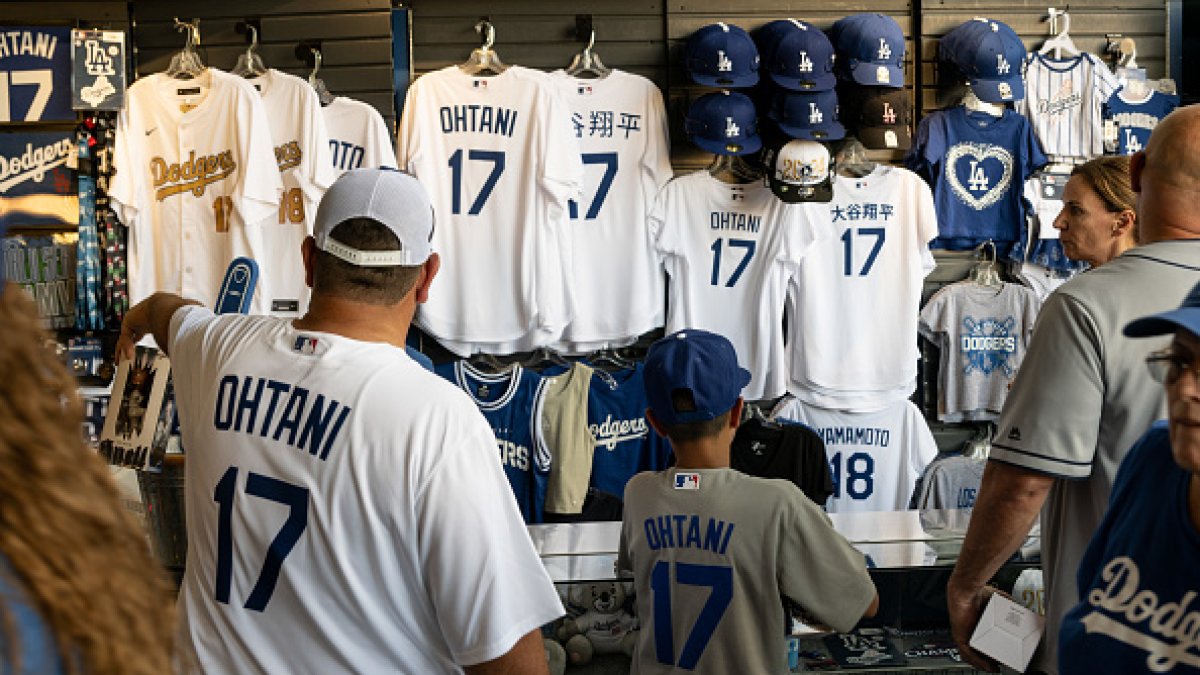
In Los Angeles, Dodgers fans have always worn their loyalty like a badge of honor — stitched into the seams of a Clayton Kershaw jersey, pressed into the curve of a classic “LA” cap, printed on the side of a collector’s bobblehead.
But in 2025, that loyalty is being exploited. In a digital world saturated with knockoff links and too-good-to-be-true deals, fans who bleed Dodger blue have become one of the biggest targets in Major League Baseball’s growing counterfeit crisis.
According to a new report from InGame.com, which analyzed over 133,000 online conversations about fake MLB merchandise, the Los Angeles Dodgers ranked second among all teams in discussions surrounding counterfeit products. In total, Dodgers-related fakes sparked 8,555 online conversations in the last year alone — a staggering number only surpassed by their 2024 World Series opponents, the New York Yankees.
And while passion has always run high in Southern California, this particular conversation carries an undertone of anger, betrayal, and exhaustion.
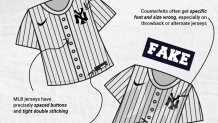
From fake Mookie Betts jerseys with misspelled names to knockoff caps that bleed dye after a day in the sun, fans are discovering — often too late — that they’ve been duped. Roughly 15% of all counterfeit-related conversations involving Dodgers gear carried a negative sentiment, echoing the widespread frustration across the fanbase.
“It looked real until it wasn’t,” one fan told NBC LA about a Dodgers Takashi Murakami jersey they bought off Facebook Marketplace earlier this year.
This isn’t just a one-off complaint. It’s a trend — and an alarming one. Whether it’s bootleg memorabilia flooding social media marketplaces or shady sites mirroring the look and feel of the official Dodgers shop, the problem is not only stealing money from wallets, but trust from the brand.
“I thought I found a deal,” said one fan on a Dodgers Reddit thread after purchasing what turned out to be a counterfeit Freddie Freeman jersey. “Turns out the only thing authentic was how ripped off I felt.”
The issue isn’t confined to Chavez Ravine — it’s blanketing the state.
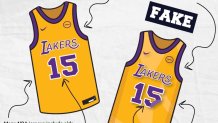
California ranks near the top in counterfeit conversation mentions for all five major U.S. sports leagues, including the MLB and the NBA, where the Los Angeles Lakers are also a target. With the state’s sheer size, tourist volume, and year-round sports calendar, it has become fertile ground for knockoff sellers and online scams.
The Dodgers, being one of baseball’s most iconic franchises, are easy bait.
“People see the blue, the interlocking LA, and they see value,” said a local sports merchandise store owner in Pasadena. “But when that value is replicated and cheapened, it affects everyone — from the fans to the vendors to the players.”
The implications of this fake merch surge stretch far beyond a few botched logos.
Counterfeit gear doesn’t fund MLB teams. It doesn’t support stadium staff, community initiatives, or charitable foundations that teams like the Dodgers contribute to. In many cases, it may even fund international crime rings involved in manufacturing and distribution — a darker reality few fans realize when clicking “Buy Now.”
Earlier this year, federal authorities seized more than $39 million worth of counterfeit sports goods in the lead-up to Super Bowl LIX. Baseball is no safer. As demand for merchandise rises during key moments — trade deadlines, postseason runs, or a star player’s return — the counterfeiters strike fast and wide.
There’s a reason Dodger Stadium sells out more than any other ballpark in America. It’s not just the sunsets or the smell of garlic fries and Dodger Dogs. It’s the people — Angelenos who’ve passed down their fandom through generations, who know the heartbreak of 2017 & 18, and the euphoria of 2024.
This isn’t a crowd that buys gear just to show off. It’s personal.
That’s what makes the rise in knockoff scams so disheartening. Fans aren’t just buying a piece of clothing — they’re buying a piece of their team. And when that piece turns out to be a fake, it cuts deeper than an ignored refund request.
MLB and the Dodgers have taken steps to educate fans on spotting counterfeit products. Tips include:
Checking for official holograms and licensing tags
Being wary of unlicensed sellers on marketplaces like eBay, Facebook, and Instagram
Avoiding sites with unusually low prices or odd domain names (e.g., “.shop”, “.co”)
Verifying return policies and contact info before purchasing
Still, the scammers are getting smarter. Sometimes the only giveaway is in the stitching — or when the jersey starts to unravel after a single wash.
The bottom line is that Dodgers fans deserve authenticity — not just from the players on the field, but from the gear they proudly wear.
As the second-most affected fanbase in all of MLB, it’s time for L.A. to rally not just against rival teams, but against the flood of fakes muddying the meaning of the Dodger blue.
Because a jersey should represent memories — not regrets.