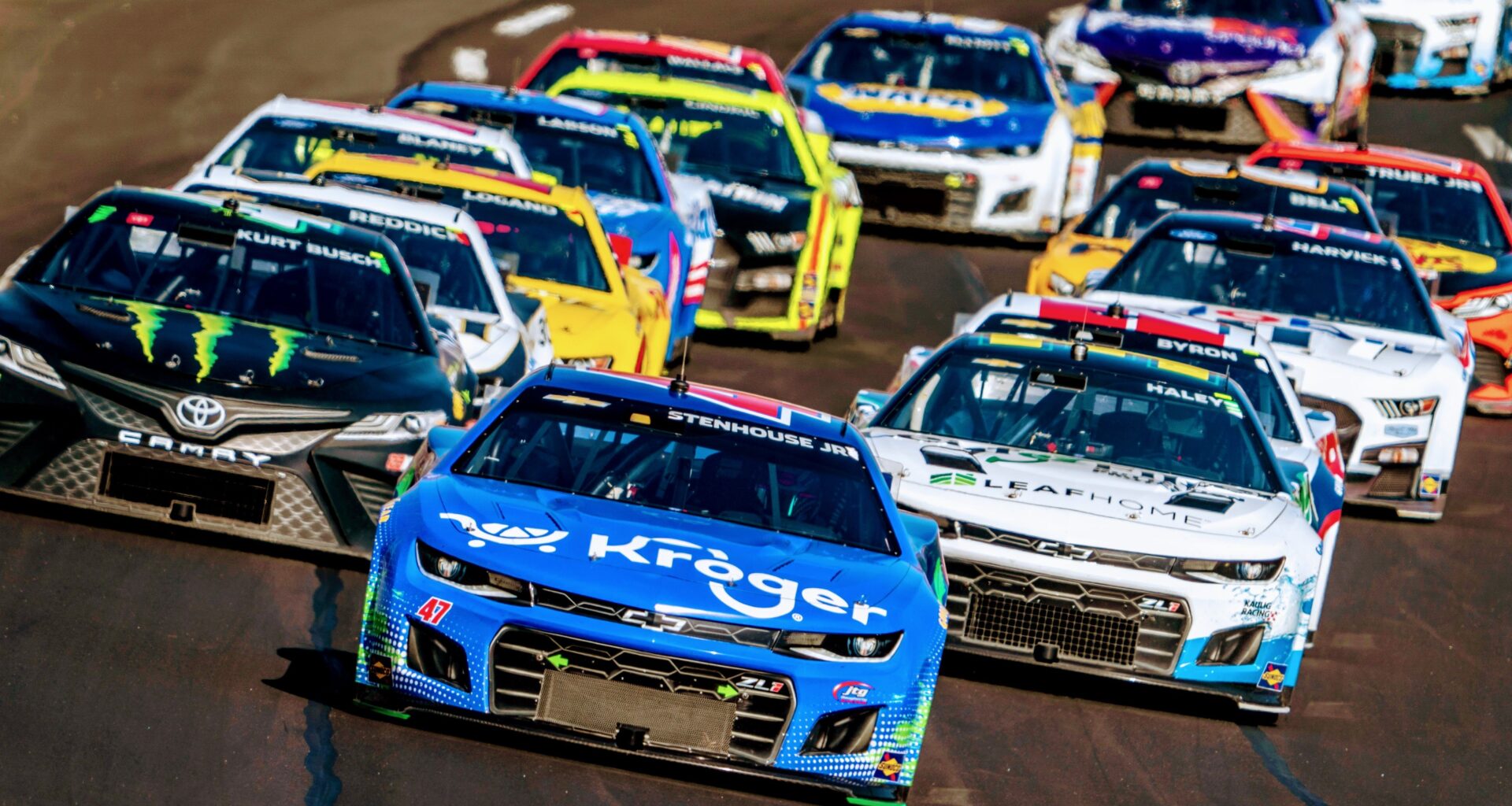
Racing in one way or another is perhaps one of the oldest sports in human history, whether it be foot races, animal races, or chariot races.
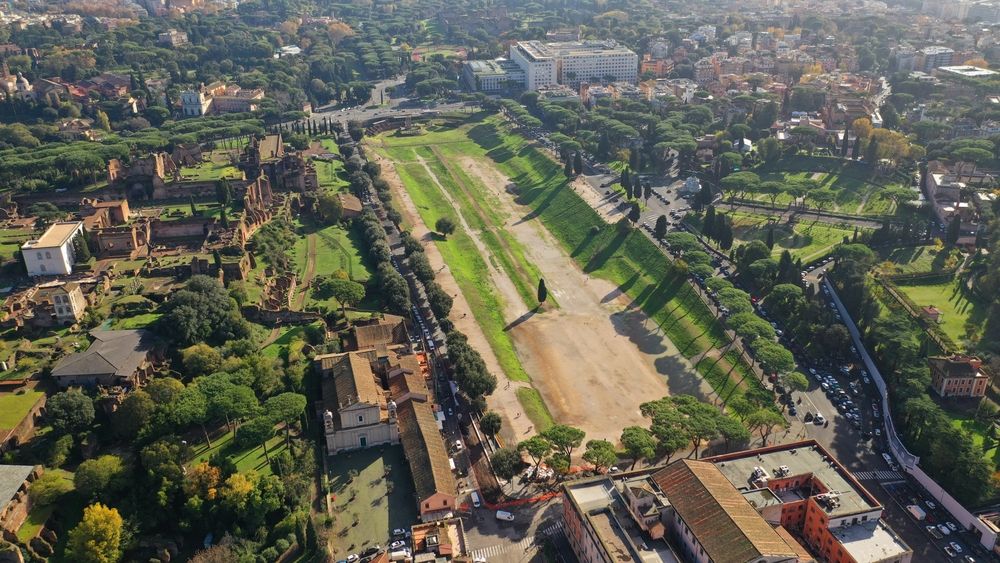
The arenas and tracks on which ancient people held these races defined many ancient cities, such as the once magnificent Circus Maximus, which sits nestled between the Aventine Hill and Palatine Hill.
Ancient Romans shared their love of racing with the areas they conquered, such as Great Britain, which is covered in racetracks where people put on their finest attire to watch horses thunder down the racetrack.
Related
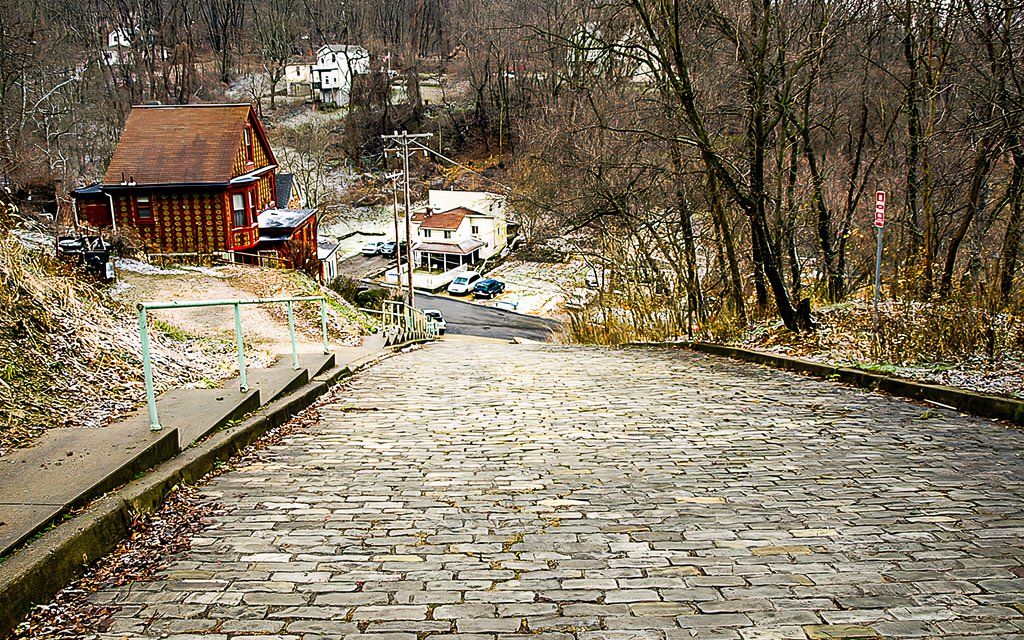
This City Has America’s Steepest Driveable Street, But It’s Illegal To Drive Down It
Nestled in the hills of Pennsylvania is America’s steepest driveable street in a historical city, and it puts San Francisco streets to shame
In the United States, racing has taken on a whole new form, with NASCAR fans filling stadiums that put some Roman stadiums to shame, where they guzzle down their favorite light beers while cheering on their favorite drivers.
These drivers drive state-of-the-art vehicles, which roar across these tracks at over 200 miles per hour, but despite the advanced nature of modern NASCAR, this beloved American pastime has humble origins in the hills of Appalachia, where drivers hustled to smuggle their moonshine.
Without This Famous Ban, There’d Be No NASCAR
Public domain / Wikimedia Commons
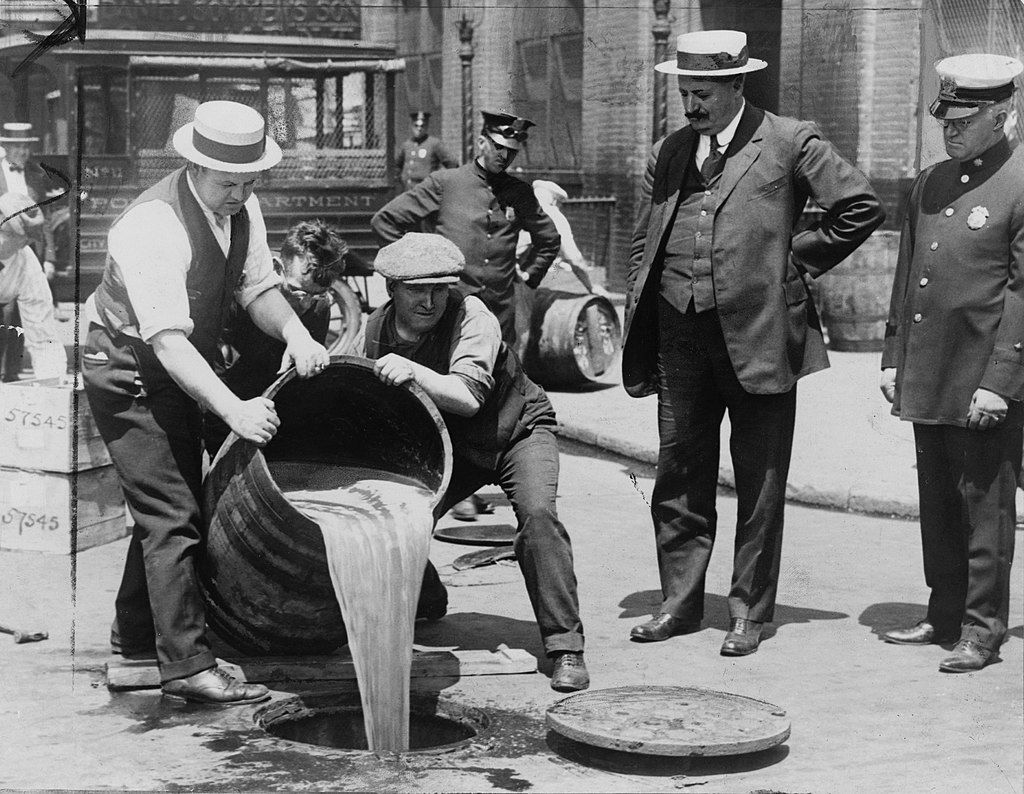
New York City Deputy Police Commissioner John A. Leach, right, watching agents pour liquor into sewer following a raid during the height of prohibition
NASCAR races are a spectacle like no other, with some venues packing in over a quarter of a million fans looking to cheer on their favorite drivers.
These events are complete with barbecues, tailgates, country music concerts, and everything else that defines American culture. Although modern NASCAR races are a sight to behold, NASCAR has humble origins dating back to the days of prohibition.
In 1919, the United States ratified the 18th Amendment, which prohibited the production, sale, and consumption of alcoholic beverages across the nation.
But as history has shown, people love to drink, and almost immediately after the 18th Amendment took effect in 1920, people found ways to circumvent prohibition. Illicit alcohol stills exploded all across the country, predominantly in the Appalachia regions of Virginia, Tennessee, and North Carolina.
Related
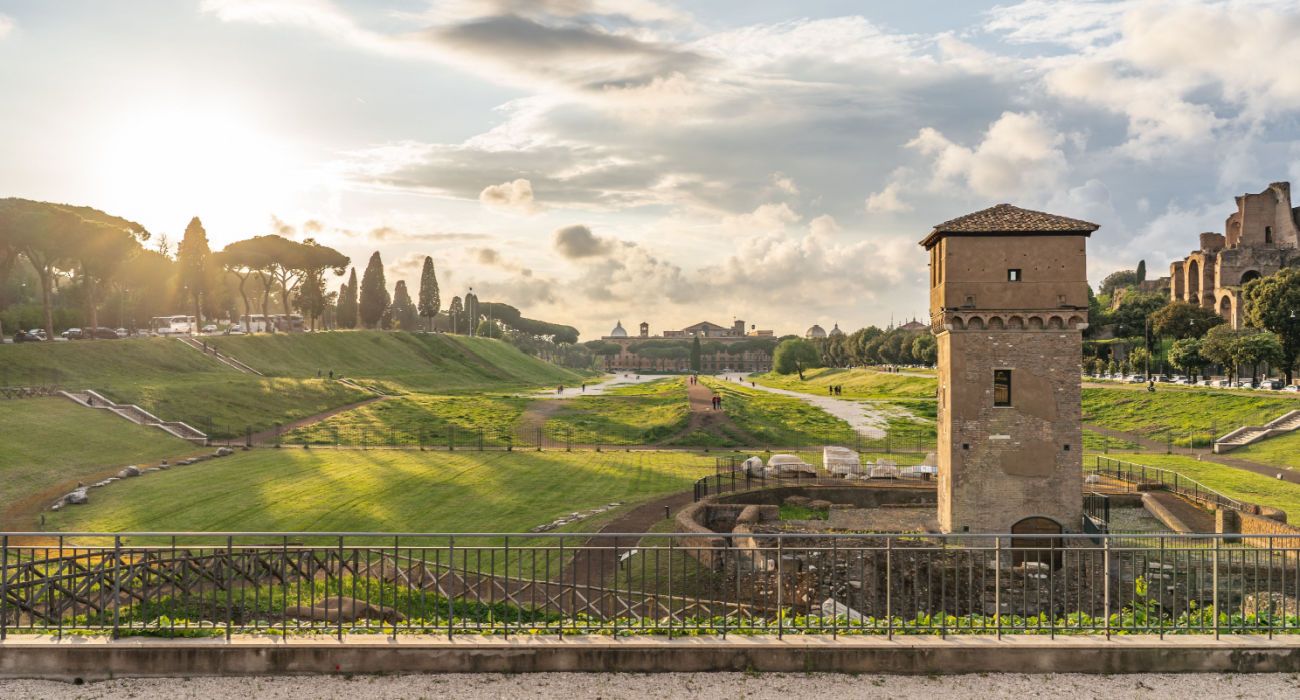
See The Remains Of The Ancient Circus Maximus: The “Largest Circus” Of Rome
While little remains of it today, it is worth seeing the massive Circus Maximus – the largest and oldest of ancient Rome.
Transporting this illegal liquor required the fastest and most skilled drivers, who were well-trained in evading law enforcement to get their moonshine to the mouths of thirsty customers. This is how NASCAR was born, and even after the end of prohibition in 1933, people continued to enjoy the sport of souping up cars and racing them around tight corners.
On February 21, 1948, NASCAR, short for the National Association for Stock Car Auto Racing, held its first race in Daytona Beach, a stunning Florida beach town with no shortage of things to do. In less than one hundred years, NASCAR went from a group of skilled bootleggers to one of America’s most cherished traditions and a multi-billion-dollar business.
America’s Ban Unleashed Firestorm Of Crime And Controversy
Shutterstock
Aerial View of The Circus Maximus
The earliest evidence of humans consuming alcohol goes back to 10,000 BC in the modern nation of Turkey, with other evidence of alcohol consumption from this period existing in China. People have long enjoyed drinking, but as any reputable doctor will explain, drinking has its fair share of negative side effects that range from liver disease to abnormal and destructive behavior.
And at the turn of the century (1899 to 1900), Americans consumed alcohol in very high volumes, with people guzzling down spirits like whiskey while also drinking a fair share of beer, the production of which exploded due to massive influxes of northern European immigrants who found ways to mass-produce beers similar to those in their homelands.
Some people, primarily women who were often subject to their husbands’ drunken rages, sought to have alcohol banned across the United States in a movement known as the temperance movement. The temperance movement resonated with America’s high population of fervent Christians, who recognized the devastating effects of alcohol, and in 1919, the United States ratified the 18th Amendment, which took effect in 1920.
However, this attempt to prohibit alcohol did not sit well with American drinkers, who found ways to skirt these rules, such as setting up and visiting “speakeasies” which secretly served moonshine made in the Appalachia region of America.
Organized crime quickly took over the illicit alcohol trade, known as bootlegging, with notorious gangsters like Al Capone, Lucky Luciano, and Meyer Lansky all getting involved in this illicit and profitable trade. Transporting moonshine from stills in the hills of Virginia to the speakeasies of Chicago required the most skilled and speedy smugglers.
Related
Breaking Down In This National Park Where 68 People Have Died Could Cost You Your Life
This popular park’s extreme conditions pose life-threatening risks, even if you’re in the relative comfort of your car.
Fortunately for these crime bosses, vehicles became mass-produced in the early 20th century, allowing them to transport their alcohol quickly and under the radar of law enforcement. Bootleggers soon began souping up their vehicles to give them an edge over the law enforcement officers on their tail, while also developing new evasive methods to help them get the job done.
On December 5, 1933, the United States passed the 21st Amendment, which repealed the 18th Amendment, making alcohol once again legal in the United States. Although stock car racing lost its original purpose, people are still drawn to the thrill of the sport and the roar of these loud engines, a fascination that continues to thrill millions of Americans.
NASCAR Helps To Define The American Spirit
mathewboy1 / Pixabay
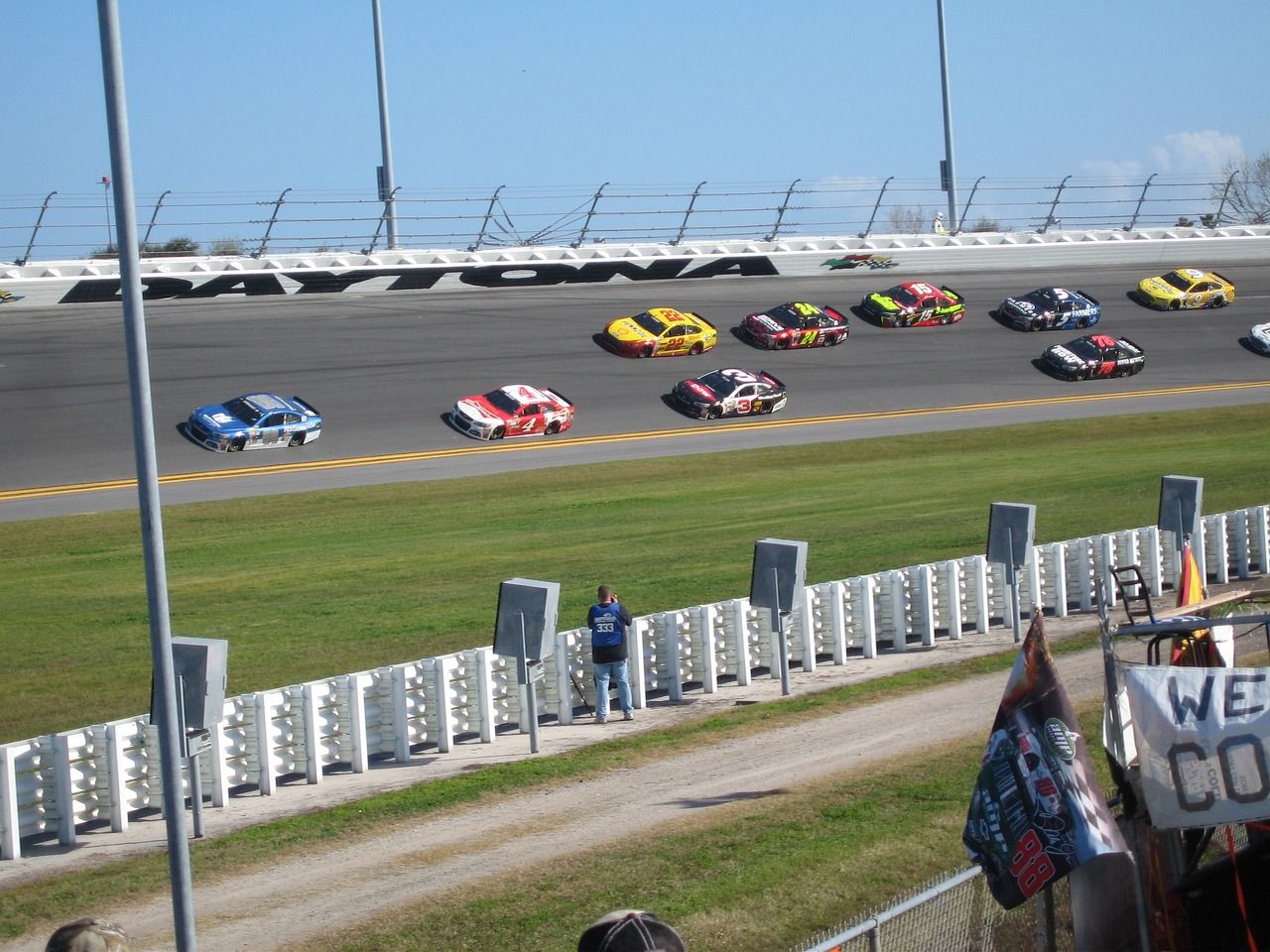
Image of the Daytona 500 racetrack in Daytona Beach, Florida.
Despite its criminal origins, the free and thrilling feelings that NASCAR evokes help to define the American spirit. Additionally, NASCAR has helped produce some of the most iconic names in American sporting history, including Richard “the King” Petty, Dale Earnhardt, Jeff Gordon, and Denny Hamlin.
Every year, millions of people fill the stands at America’s many NASCAR tracks, with even more tuning in on television, looking to experience some of the excitement that has drawn people to the sport of racing for thousands of years.
Perhaps people sitting in the stands of Talladega Superspeedway feel the same rush that ancient Romans may have felt as they cheered on their favorite chariot driver two thousand years ago at the Circus Maximus.