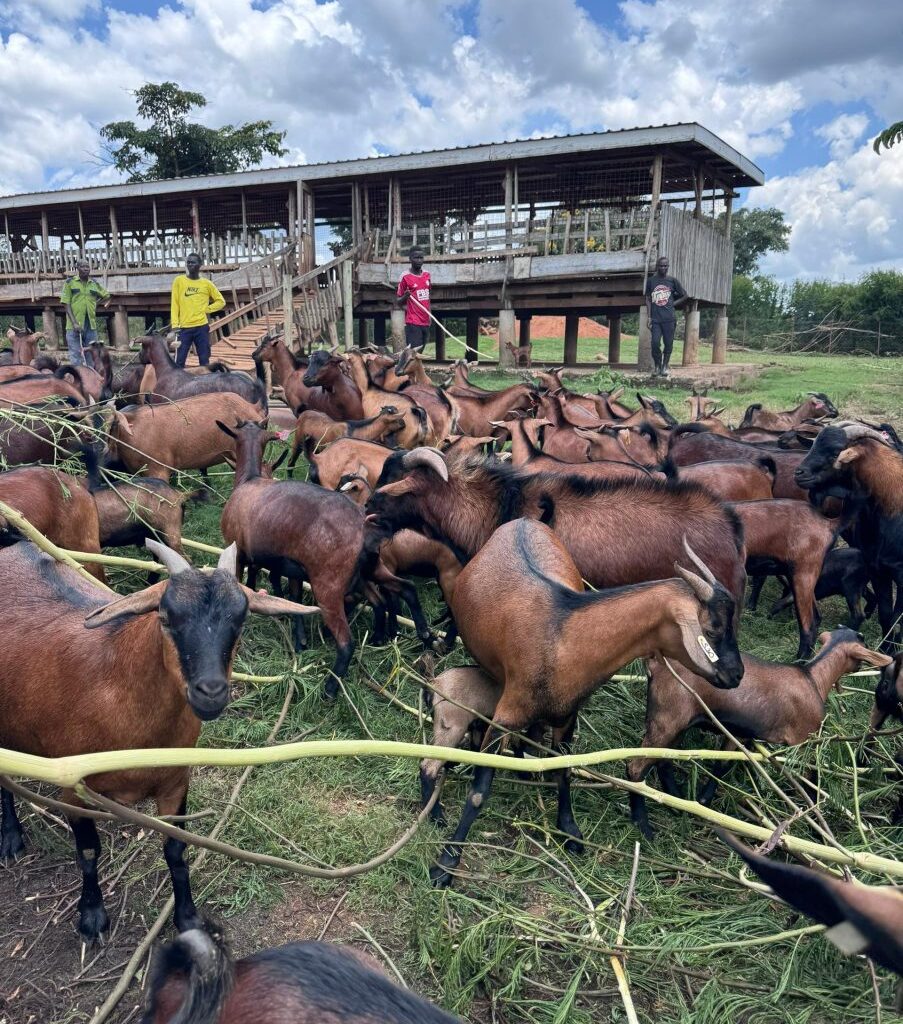
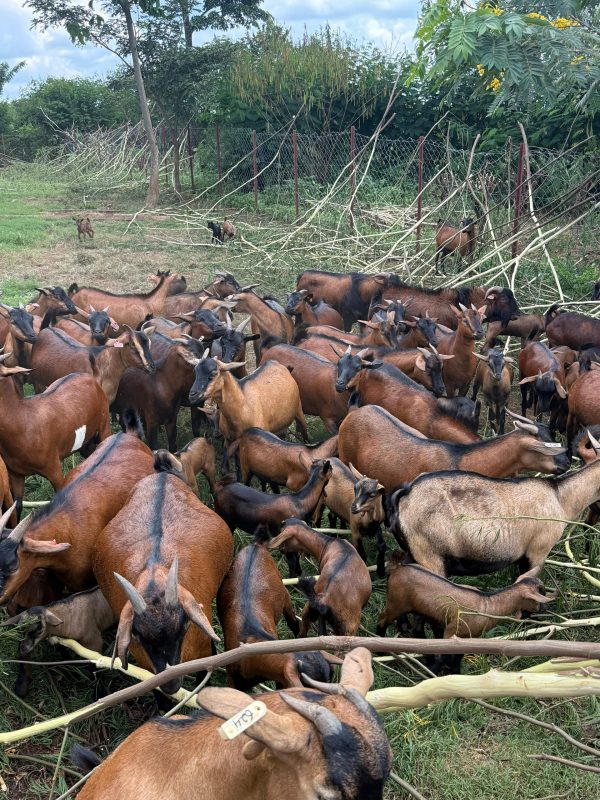
KAMULI, UGANDA – The National Animal Genetic Resources Centre and Data Bank (NAGRC&DB) has launched a new goat breed, the Kasolwe Brown Goat, developed to meet Uganda’s growing demand for meat and milk while reducing dependence on costly exotic imports that have offered limited returns for most farmers.
For years, goat farmers have been importing breeding stock from Southern Africa, the UK, and Switzerland at steep prices, crossing them with indigenous goats in hopes of boosting productivity. But scientists say the results have been underwhelming.
“The economic benefits from crossbreeding are not significantly different from the benefits achieved when farmers choose to do straight breeding among the indigenous goat breeds,” NAGRC&DB said, citing findings from Gross Margin Analysis studies.

The Kasolwe Brown Goat is the result of several years of systematic selective breeding at Kasolwe Stock Farm in Kamuli District, conducted by NAGRC&DB scientists in collaboration with private breeders and custodians in Kamuli and Buyende districts. The programme has established a foundation herd of more than 500 goats that are able to breed “true to type” based on adaptive and productive traits.
Traits

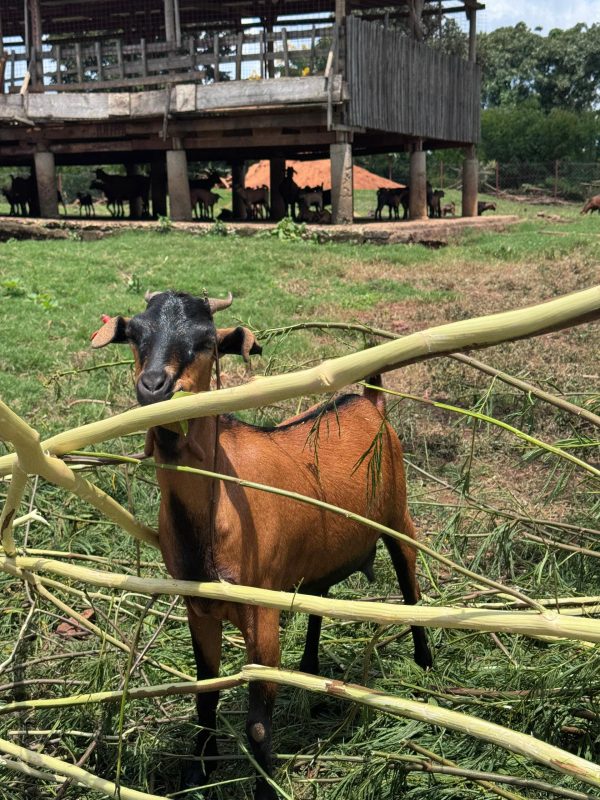
According to NAGRC&DB, the new breed is characterized by excellent twinning rates, rapid growth of up to 127 grams per day, high weaning percentages, and resilience to common goat diseases such as Haemonchosis and Heart Water. It is also able to thrive in marginal production environments while remaining highly prolific.
“This goat is going to be a game changer in Uganda’s livestock industry because of its twinning ability, quick growth, and resilience,” said Dr. Ssengoye Gordon, NAGRC’s Technical Manager of Production. Dr. Katali Benda, head of the goat breeding program, added that the Kasolwe goat is “just one of the many locally developed goat breeds in the pipeline, poised to support the sustainable commercialization of goat farming in Uganda.”

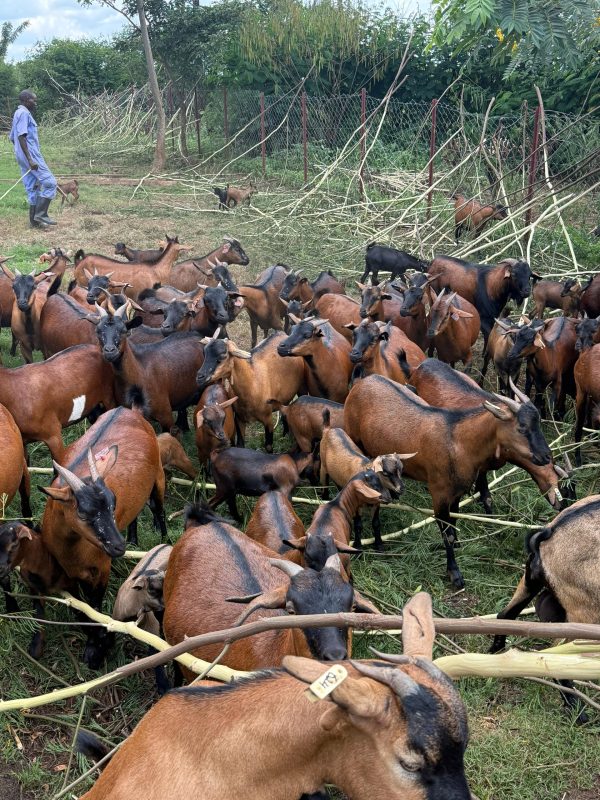
Farmers in the pilot areas of Kamuli and Buyende Districts have already seen significant benefits. “These goats are hardy, require minimal supplementation, and yet grow faster than other breeds I have kept,” said Mr. Tefula, a goat farmer from Kamuli. Mrs. Kamaali from Buyende added that “the high twinning ability has rapidly increased my herd size, something I had never experienced before.”
Another farmer, Mutiibwa, noted that “their tolerance to local parasites and diseases has significantly reduced my veterinary costs and made goat farming much more profitable.”
To ensure wide access, NAGRC&DB plans to multiply the Kasolwe goat breed and distribute it nationwide through the newly formed Kasolwe Goat Breed Society, created in partnership with Kasombereza Farm Solutions.
The goal is to help rural farmers increase productivity, strengthen food security, and boost incomes.
The project has attracted international research interest.
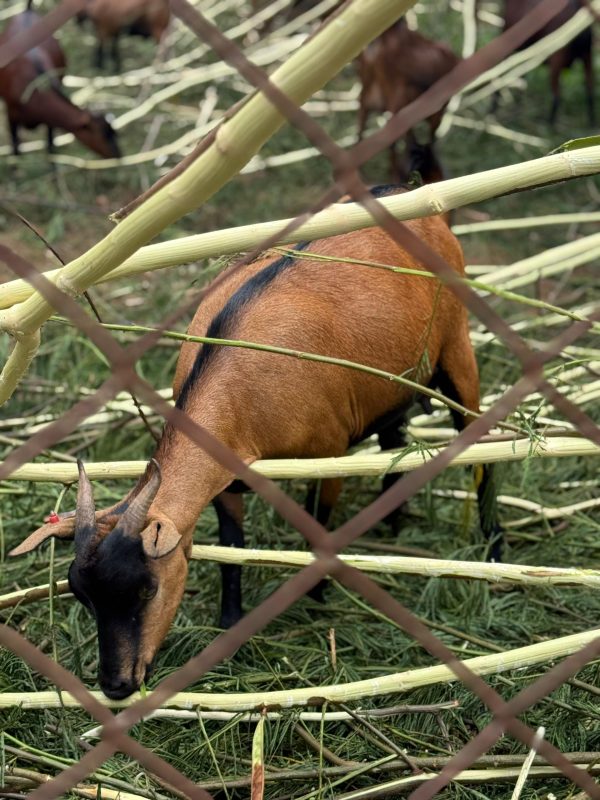
NAGRC&DB is working with Makerere University and the University of Edinburgh’s Roslin Institute to identify and preserve novel genetic adaptations within the breed, particularly those affecting environmental tolerance and immune response.
These traits will be stored in national and regional gene banks to guard against dilution through uncontrolled crossbreeding.
Community members have embraced the development, expressing pride that the breed originated in Busoga sub-region.
Local leaders revealed that NAGRC had to hire armed guards to protect valuable male breeding stock after several attempted thefts, a sign of the breed’s high value and demand.
With sustained scientific innovation, farmer adoption, and private-sector investment, NAGRC&DB envisions Uganda becoming a net exporter of goat genetic resources to other Sub-Saharan African countries, turning indigenous livestock improvement into a driver of national economic transformation.