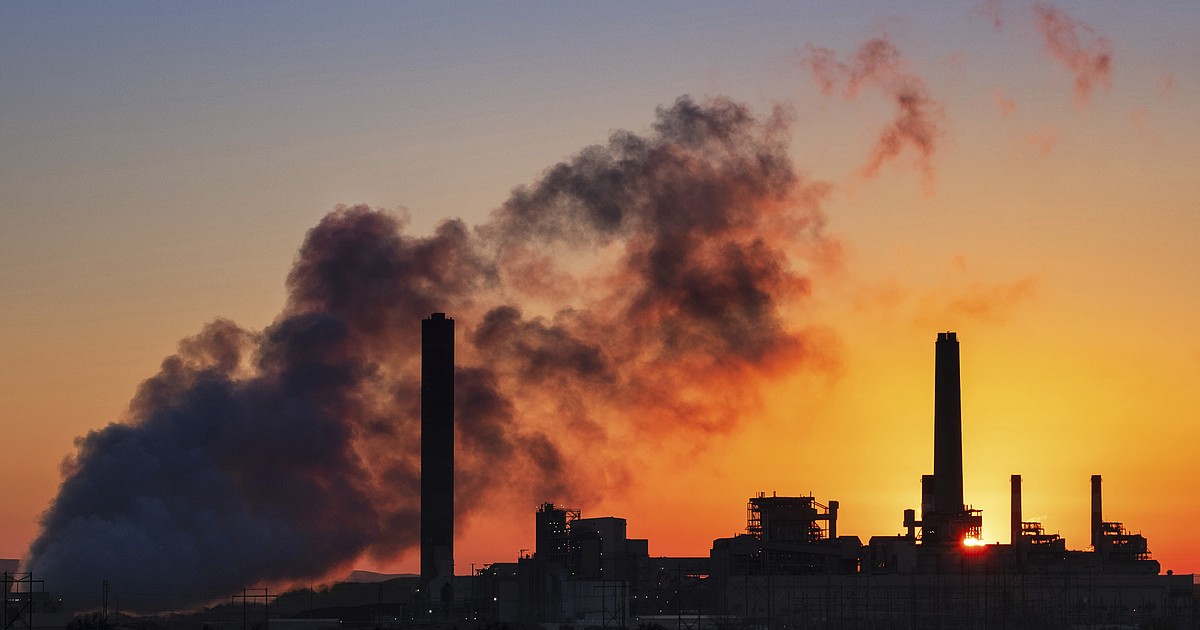
Will the promise of “clean, beautiful coal” deliver for Montana, or has the Powder River Basin been sold a bag of beans?
It’s a question weighing heavily on coal country and the communities it supports after the largest federal auction of a coal lease in the past decade produced deeply disappointing results.
Navajo Transitional Energy Co. was the only company to bid last week on the lease in southeast Montana, offering just $186,000 to lease 167 million tons of coal — less than a penny per ton.
The result was so underwhelming that federal officials immediately canceled a coal lease sale in Wyoming that had also been scheduled for last week.
The news outlet WyoFile reported that market analysts were stunned by the Montana bid. The last major sale in 2012 totaled $793 million at about $1.10 per ton.
Interior Department officials blamed the lowball bid on energy policies that favor renewables. They said President Donald Trump would ultimately unleash “American energy dominance.”
But industry experts suggest the problem is more complex than politics. Natural gas is a cheaper option, and demand for wind and solar alternatives has increased as the technologies become more efficient. Meanwhile, the nation’s arsenal of coal-fired plants is being shuttered as they reach the end of their life cycle — hundreds of coal power plants have closed over the past decade, with many more set to retire in the coming years.
The writing is on the wall in North Dakota and Minnesota, where Xcel Energy is closing its coal-fired plants in favor of a mega solar farm that will power 150,000 homes. The company said solar is more attractive over the long term because it doesn’t have fuel costs after installation. A new battery facility at the site will offset any weather variability that affects power output, the company said.
Energy analyst Seth Feaster told WyoFile the Montana sale flop can’t be ignored.
“It points to the fundamental, structural decline the coal industry is facing — for thermal coal — and that story hasn’t been reversed, despite all the things that they’re talking about,” Feaster said.
Despite Trump’s and Gov. Greg Gianforte’s full-court press in support of coal, winners rise to the top in a supply-and-demand economy. Last week’s auction made it clear that coal is on the losing end of what might be a futile fight against the free market.
If a return to coal’s glory days is in the cards — which would undoubtedly benefit Montanans — it will require years, if not decades, of incentives and innovation, much like those received by renewables, to tip the scales in the industry’s favor. Even then, the odds remain steep in a market increasingly driven by cheaper, cleaner alternatives.
So how long will coal country be convinced to cling to the baseless promise that a legacy industry can be resurrected with the stroke of a pen?