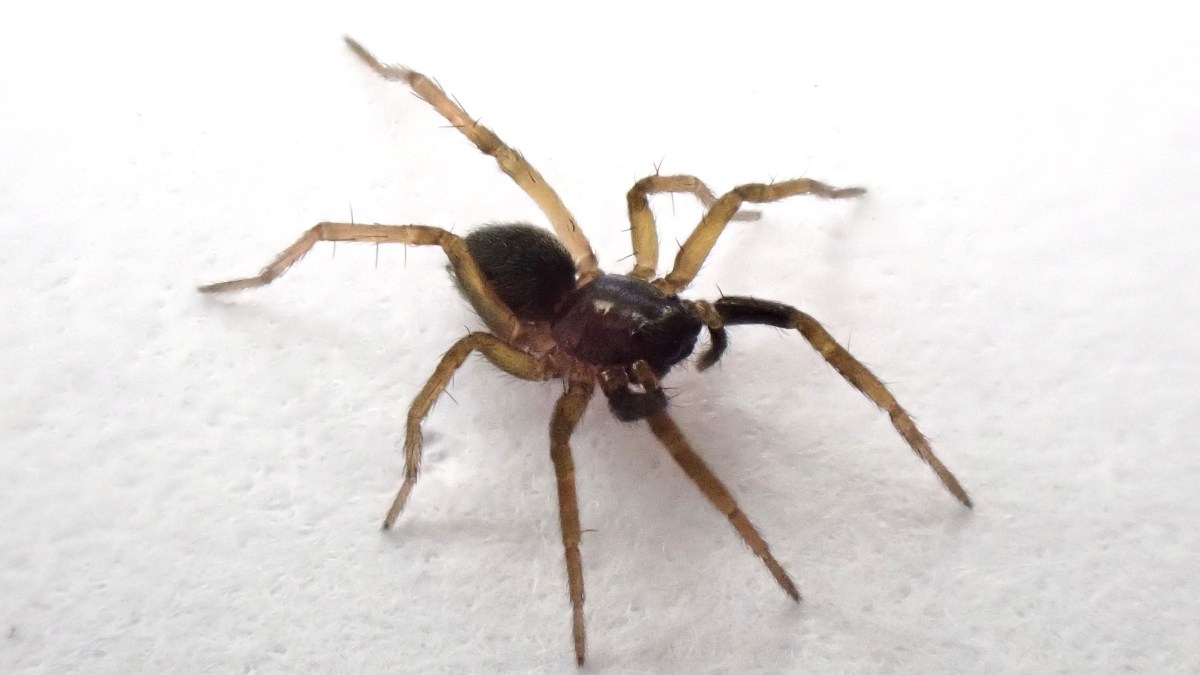
A spider not seen in Britain for 40 years has re-emerged on the Isle of Wight, in what conservationists are calling a rare triumph for native biodiversity.
Aulonia albimana, a critically endangered member of the Lycosidae — or wolf spider — family, was last recorded in 1985. Measuring less than 5mm in length, it has been rediscovered at the National Trust’s Newtown national nature reserve.
Two spiders were found by Mark Telfer and Graeme Lyons, entomologists, in an isolated patch of scrubland that is only accessible by boat. They were spotted moments before Telfer and Lyons were due to pack up and leave the site.
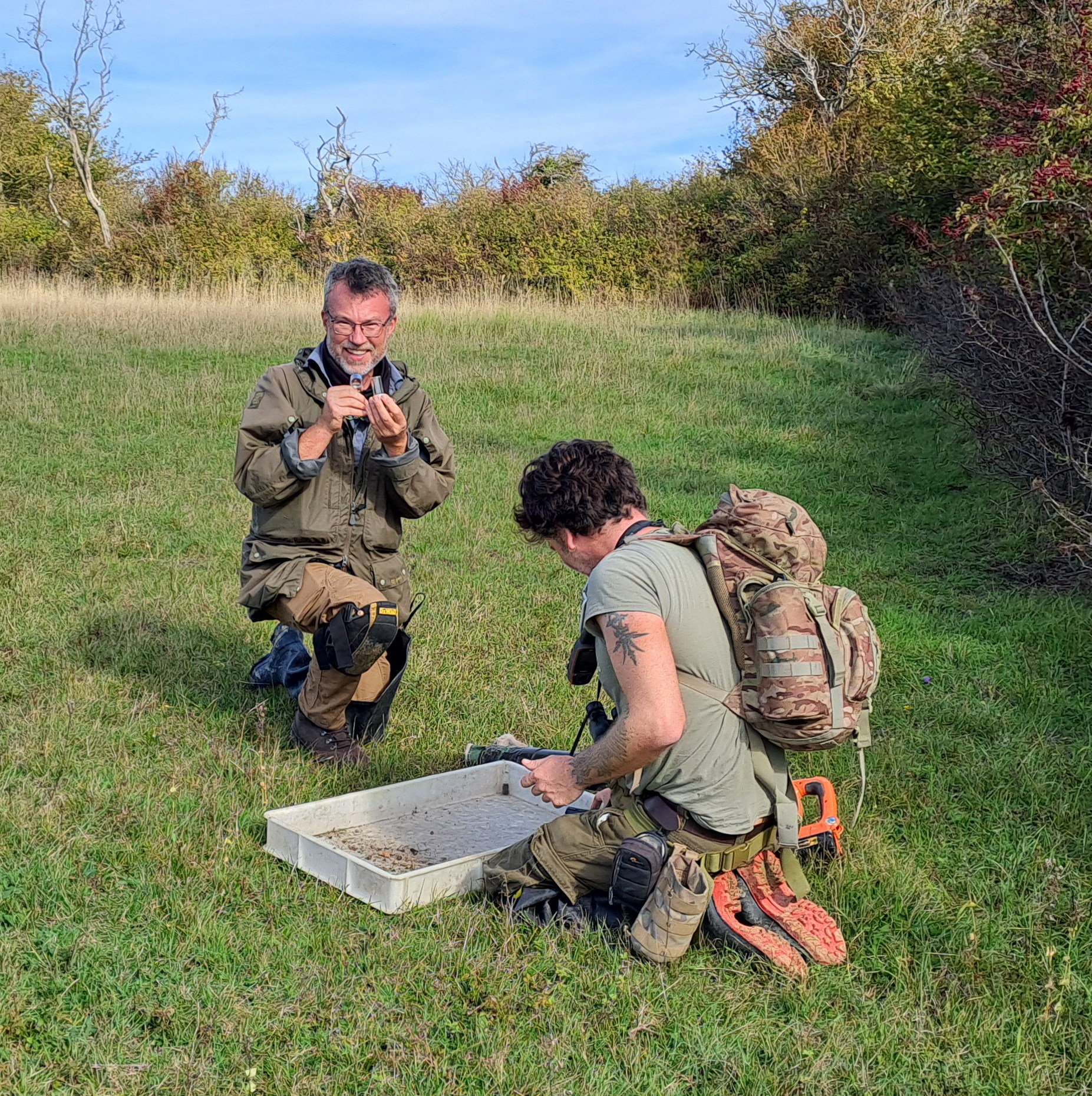
Mark Telfer and Graeme Lyons’s find was said to be a career highlight
JOANNE HODGKINS/NATIONAL TRUST/PA
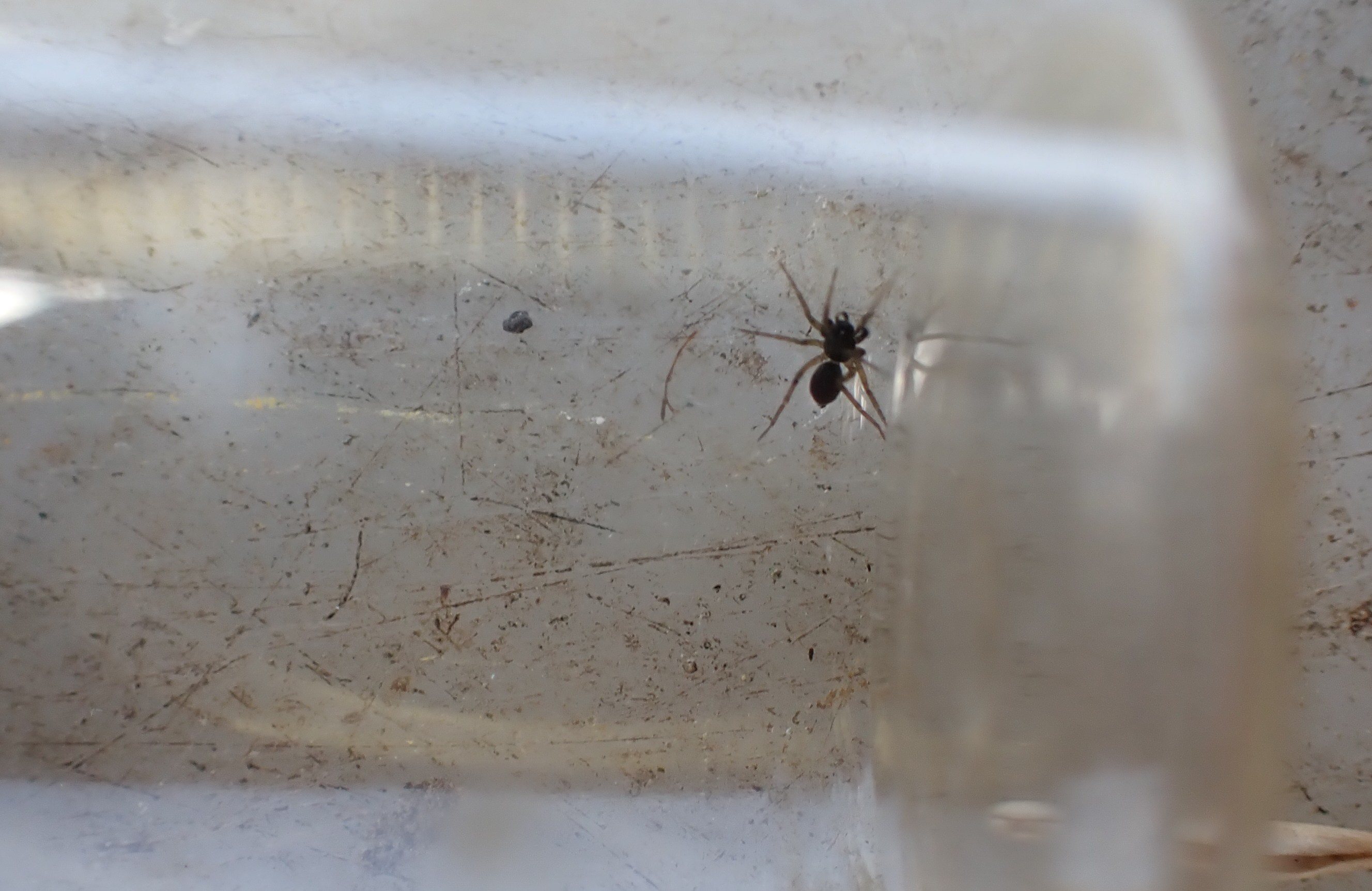
GRAEME LYONS/NATIONAL TRUST/PA
The pair, who had been operating under tight time constraints, have informally christened their find the “white-knuckled wolf spider” — a nod to the pale joints near its mouthparts and the tension of the search.
“To find a species thought lost for 40 years is thrilling,” Telfer told the BBC. “It shows how the right habitat management, combined with curiosity and collaboration, can deliver remarkable results.”
• Autumn’s secrets: a guide to spotting nature’s clues and signs
There are about 38 species of wolf spider in Britain, named for their predatory agility. Most stalk their prey across the ground before striking.

The National Trust’s Newtown nature reserve on the Isle of Wight
JOHN MILLER/NATIONAL TRUST/PA
Lyons added that spotting the species “with just minutes to spare” was a highlight of his career.
He said: “We had just four hours at the site where this spider was last seen 40 years ago, before our boat came to pick us up.
“I found the first one with just nine minutes to go, and the second one in the last minute. I’ve seen 559 species of spider in the British Isles and this one was by far the most exciting find.”
The species has orange legs and dark body markings. Characteristic pale “knuckles” on its palps — the secondary pair of forward appendages — are what inspired its common name.
Dr Helen Smith of the British Arachnological Society said: “The remarkable discovery of this dapper little spider on the Isle of Wight is one of Britain’s epic ‘lost species’ rediscoveries of the century.
“With repeated failure to find it at its former sites, where its open habitat has been lost, it seemed increasingly likely that it had joined the country’s sad list of extinct species.”