Sadly, the MCU has failed to do several characters justice, sometimes after they’ve reached the best point in their story. The Marvel Cinematic Universe is home to hundreds of characters, each with their own arcs, characterization, and fanbases. Managing such a massive interconnected world is no easy task. Some heroes rise to unexpected fame while others fall short of expectations.
The MCU’s constant evolution also means not everyone gets a fair shot. Even characters who once seemed central to the franchise can lose momentum as new stories take the spotlight. Several figures with tremendous potential have been derailed along the way, victims of inconsistent writing and unclear direction.
Nick Fury
Nick Fury’s Story And Characterization Took A Nosedive After Avengers: Endgame
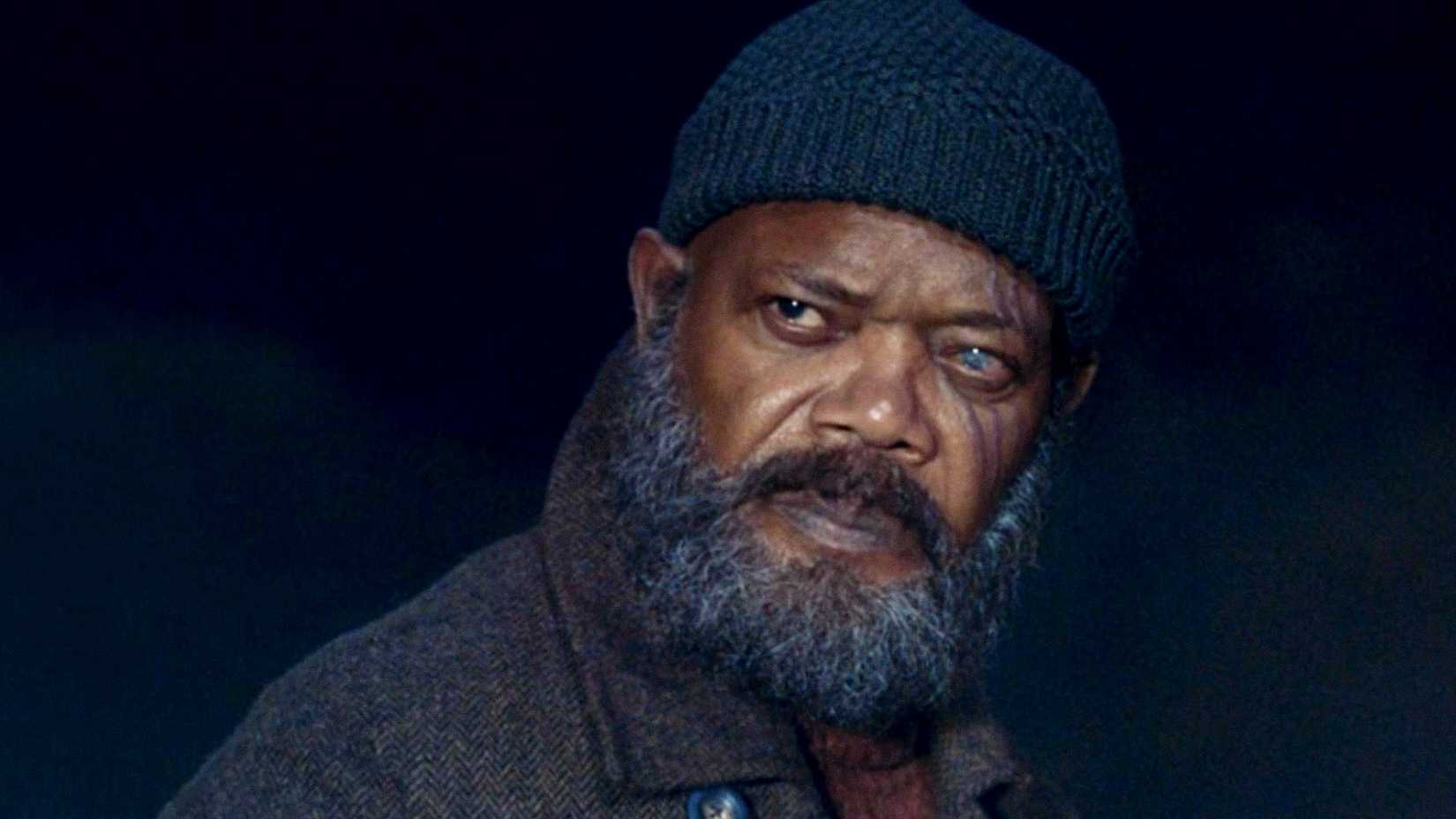
Samuel L Jackson’s Nick Fury walks in the dark wearing a beanie in Secret Invasion
Nick Fury was once the backbone of the MCU as the human who could stand shoulder to shoulder with gods, geniuses, and Super Soldiers. From uniting the Avengers to uncovering Hydra, Fury was the glue holding the MCU together. Once Avengers: Endgame concluded the Infinity Saga, Nick Fury lost all his essence.
In Secret Invasion, Nick Fury is suddenly a tired, self-doubting shell of his former self. Fury constantly makes the wrong calls in a conflict far beyond his capabilities, and uncharacteristically, he doesn’t ask for help from any superhero. Nick Fury is unable to protect Maria Hill from an unremarkable Skrull, and Secret Invasion ends with Fury retreating, having done nothing to solve the Skrull crisis.
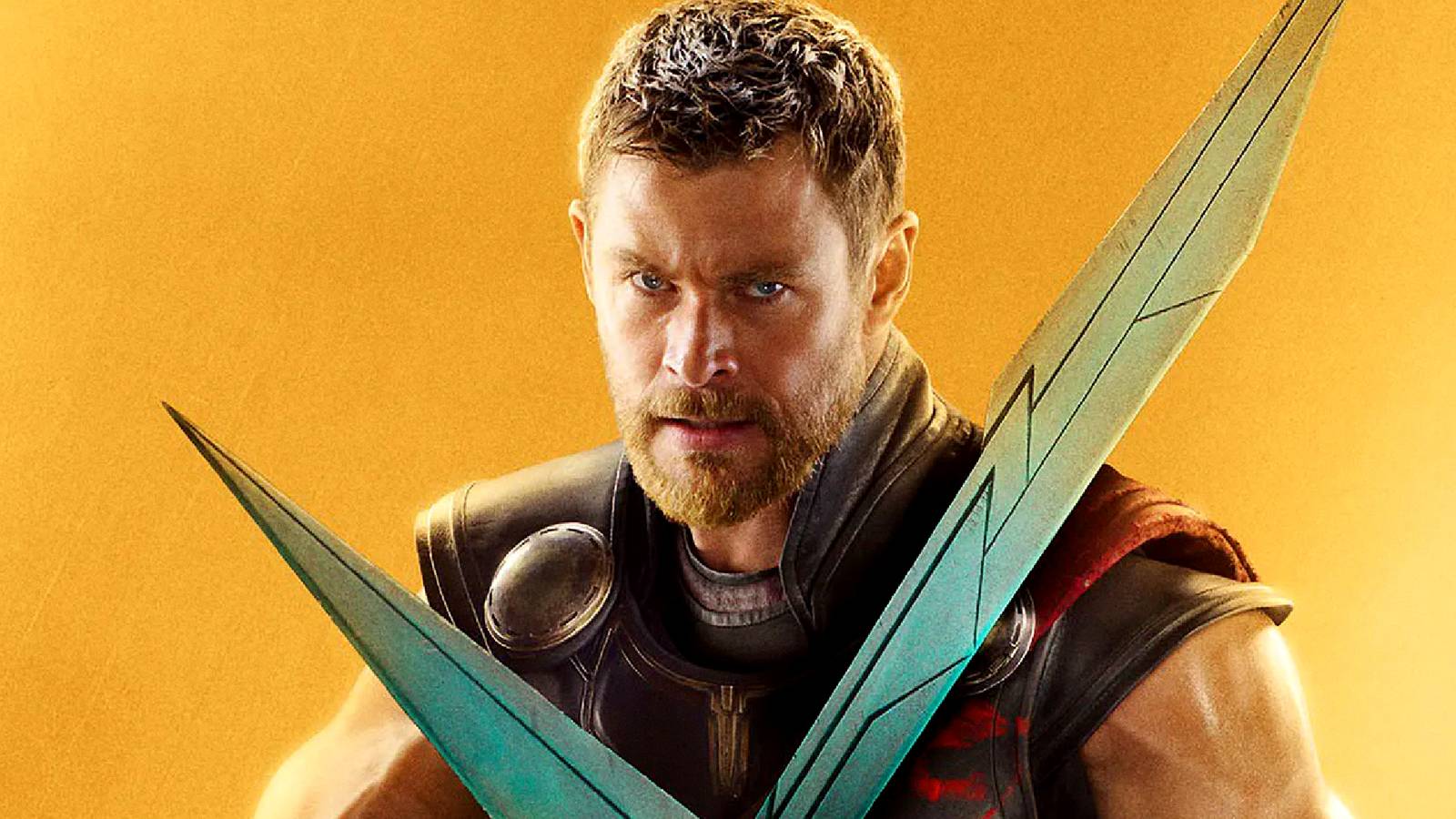
Thor
Thor’s Journey Basically Restarted After Avengers: Endgame
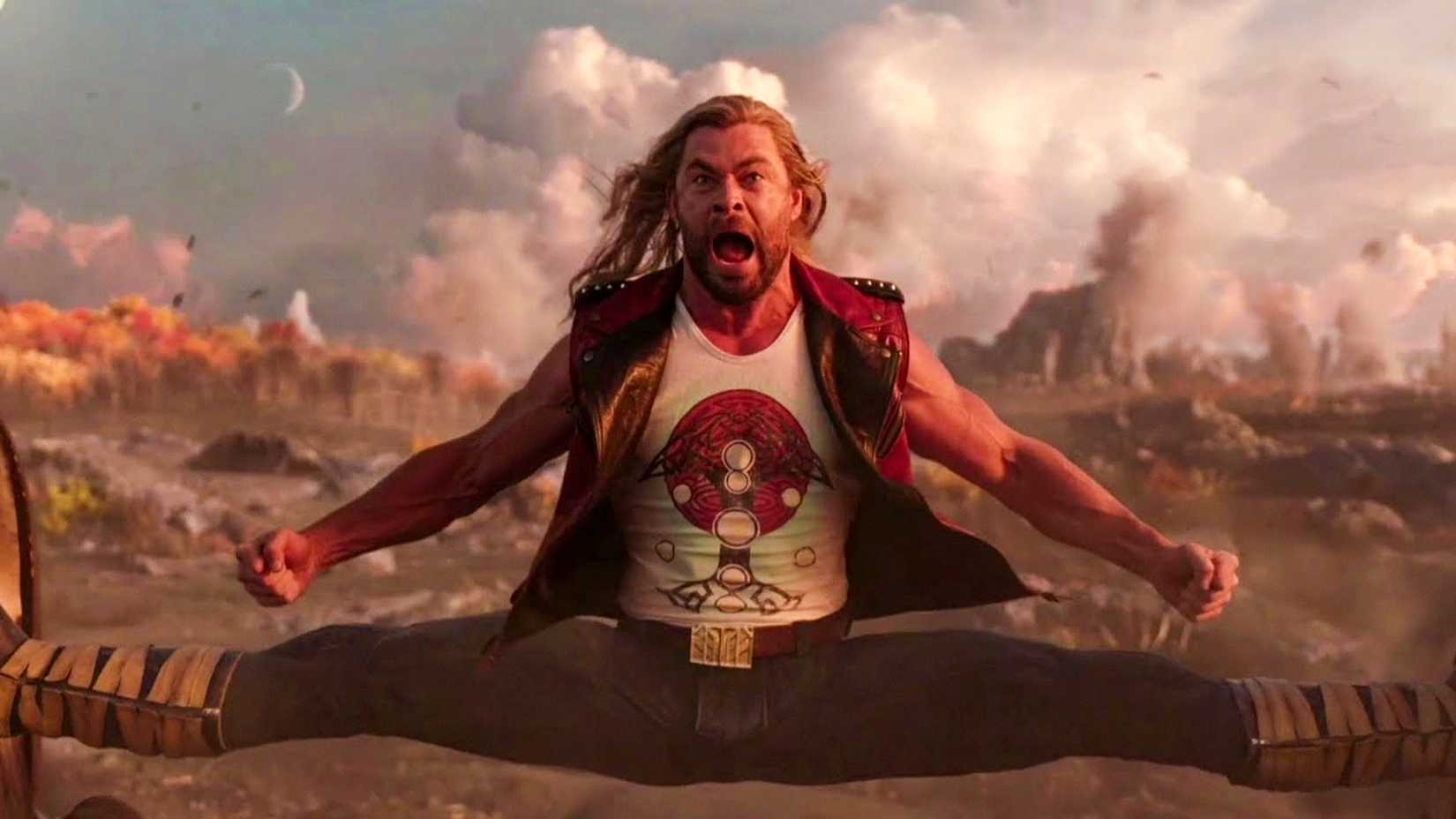
Thor does a split while wearing human clothes in an alien planet in Love and Thunder
Thor’s arc reached its highest point in Avengers: Infinity War, where he became the most powerful and deadliest Avenger after losing everything. Avengers: Endgame’s “Fat Thor” arc divided fans but held real promise with its depiction of a broken god struggling with trauma. Then, Thor: Love and Thunder dismantled all his growth, reverting him to his Phase 1 immaturity and cockiness.
After Love and Thunder, Thor is left directionless. His grief and self-doubt are replaced with jokes, his bond with Jane Foster is rushed, and his struggle with addiction is waved away in a quick montage. Now a caricature of himself, the God of Thunder is adrift in the MCU’s tonal confusion.
Hulk
Hulk’s Journey Lost Its Direction Before Avengers: Endgame
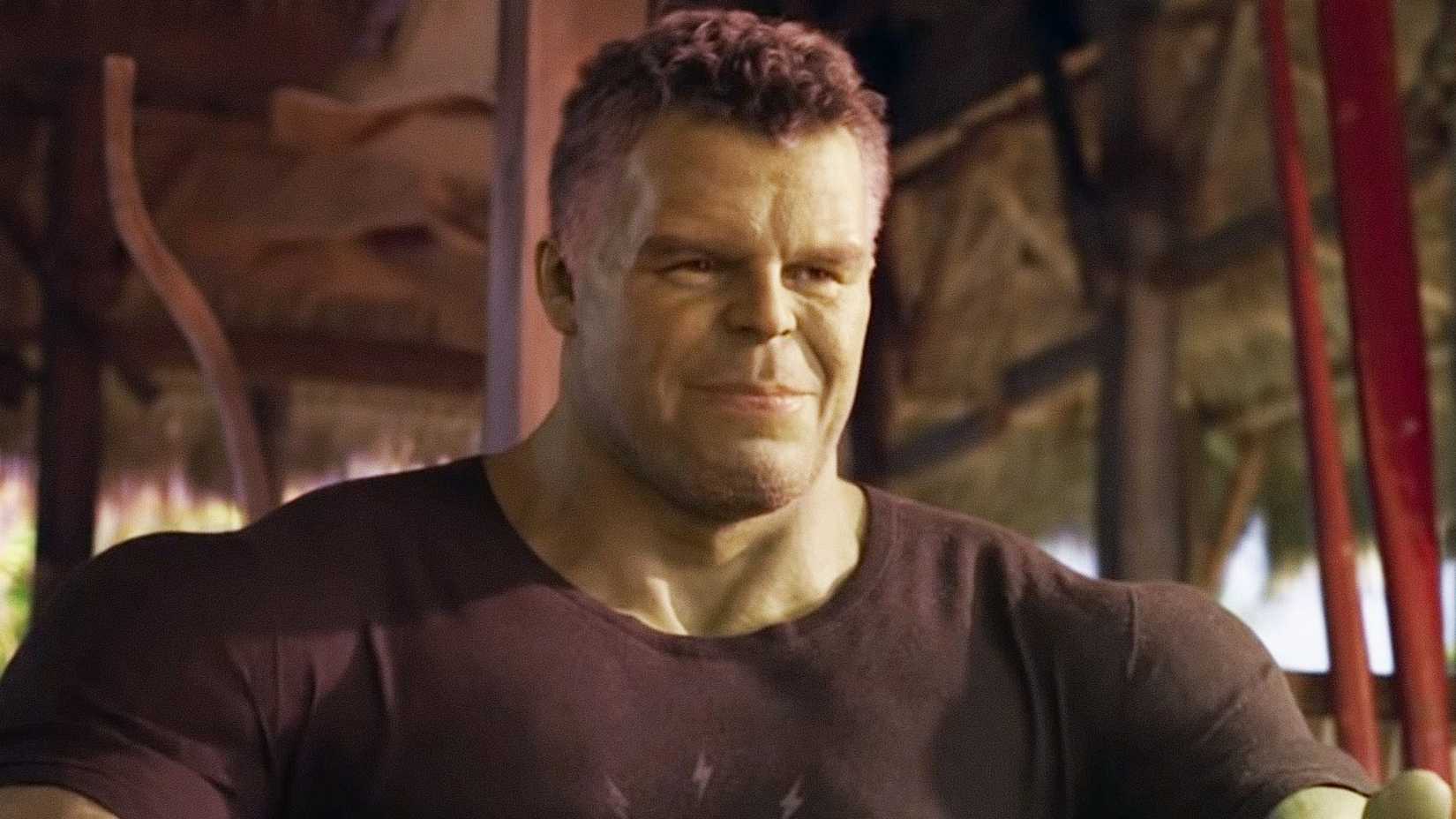
Mark Ruffalo’s Smart Hulk smiles in his shack in She-Hulk Attorney At Law
Bruce Banner’s inner conflict with the Hulk was his defining struggle throughout the MCU’s first three phases. But suddenly, Hulk’s entire story was resolved off-screen between Avengers: Infinity War and Avengers: Endgame. Smart Hulk simply appeared, claiming to have merged the man and the monster through an unspecified method.
Smart Hulk has since been reduced to She-Hulk’s comic relief mentor. Without solo films to explore his inner conflict or evolution, Hulk has become one of the MCU’s biggest wasted opportunities. Now, if Smart Hulk goes back to his savage form, he could risk going back to square one, just like Thor.
Quicksilver
Pietro Maximoff Has Been Insulted Multiple Times
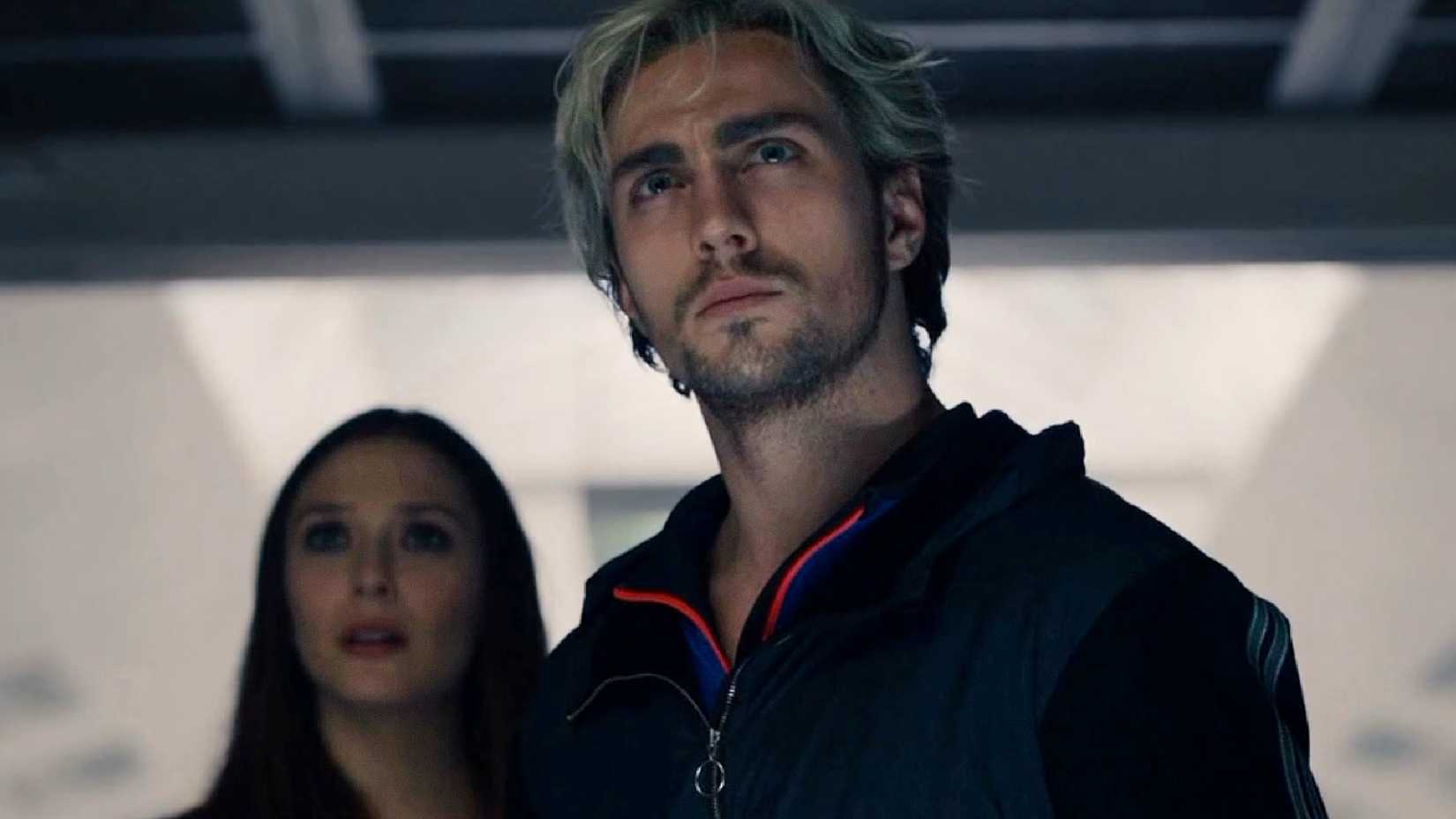
Aaron Taylor-Johnson’s Pietro Maximoff aka Quicksilver looks puzzled next to Wanda in Avengers Age of Ultron
Aaron Taylor-Johnson’s Pietro Maximoff had the potential to be one of the franchise’s most exciting heroes: fast, cocky, and intricately connected to Scarlet Witch, the Avengers, and potentially the X-Men. Sadly, Quicksilver is killed off in his very first movie and in the most ironic way possible. Avengers: Age of Ultron removed one of its promising young actors and one of Wanda Maximoff’s most essential relationships.
Instead of developing Quicksilver as a key Avenger like Scarlet Witch and Vision, Pietro’s life and death are an afterthought. To make matters worse, WandaVision mocked fans’ expectations with its Ralph Bohner twist, which replaces Quicksilver with a completely unrelated impostor. The MCU’s handling of Quicksilver seems unfixable now, and it seems as though Marvel has been making an effort to insult the character at every turn.
Gorr The God Butcher
The MCU’s Thor Is The Total Opposite Of His Comic Book Counterpart
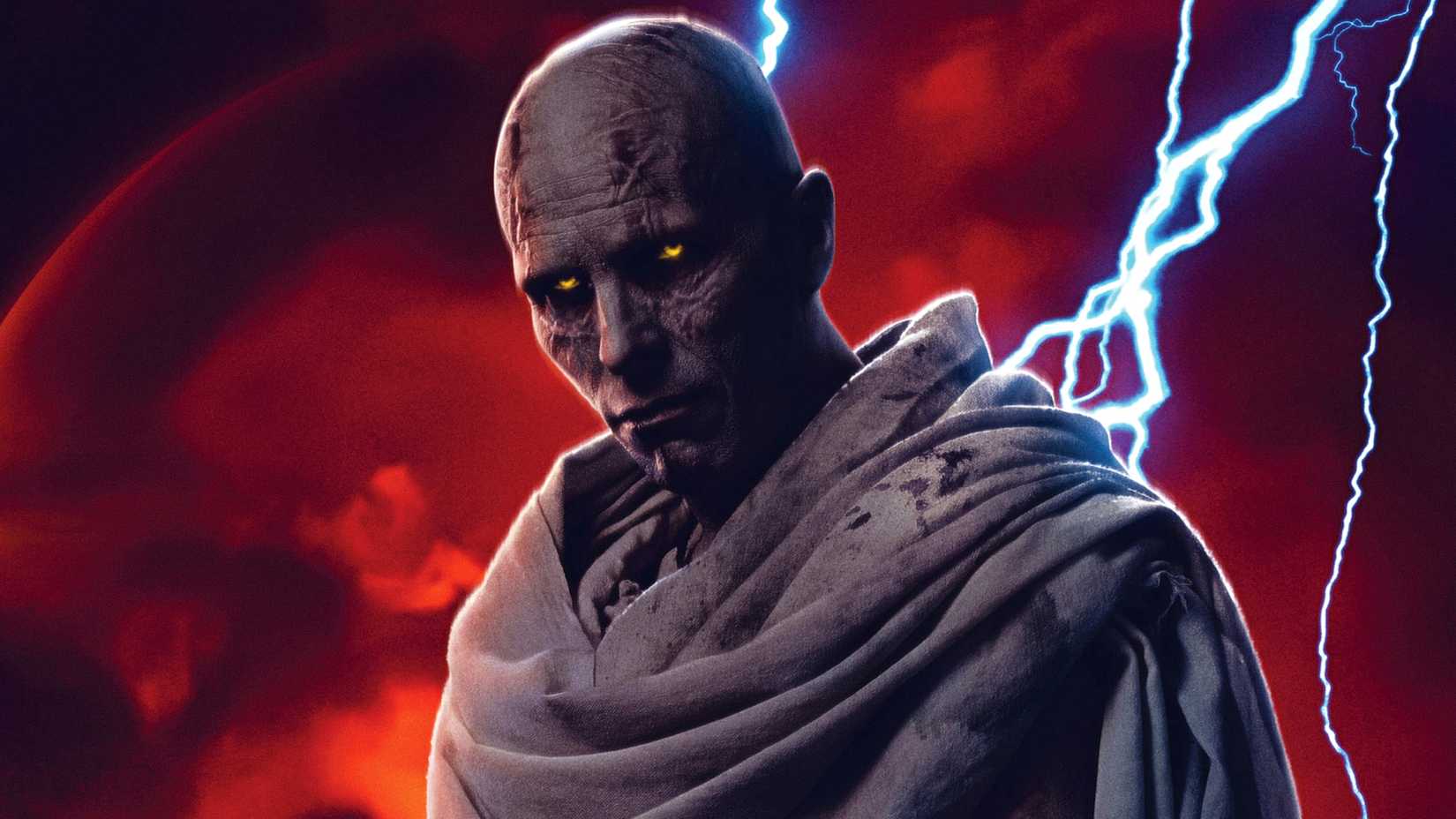
Christian Bale’s Gorr the God Butcher stands in the dark surrounded by lightning in Thor Love and Thunder
Thor: Love and Thunder squandered every bit of Gorr the God Butcher’s potential. Christian Bale gave a haunting performance, but the script did nothing to match it. Gorr is shown butchering exactly one god before he gains his powers and one after, constantly escapes from Thor, and ends up betraying his one and only goal.
Instead of attempting to massacre all deities in the universe, Gorr ends up begging a higher being for a final wish before dying. Not to mention, Gorr’s terrifying comic design is replaced with a human-looking appearance. Thor: Love and Thunder almost set out to do all the opposite of what a Gorr adaptation should do.
The Leader
Samuel Sterns Waited 17 Years To Accomplish Nothing
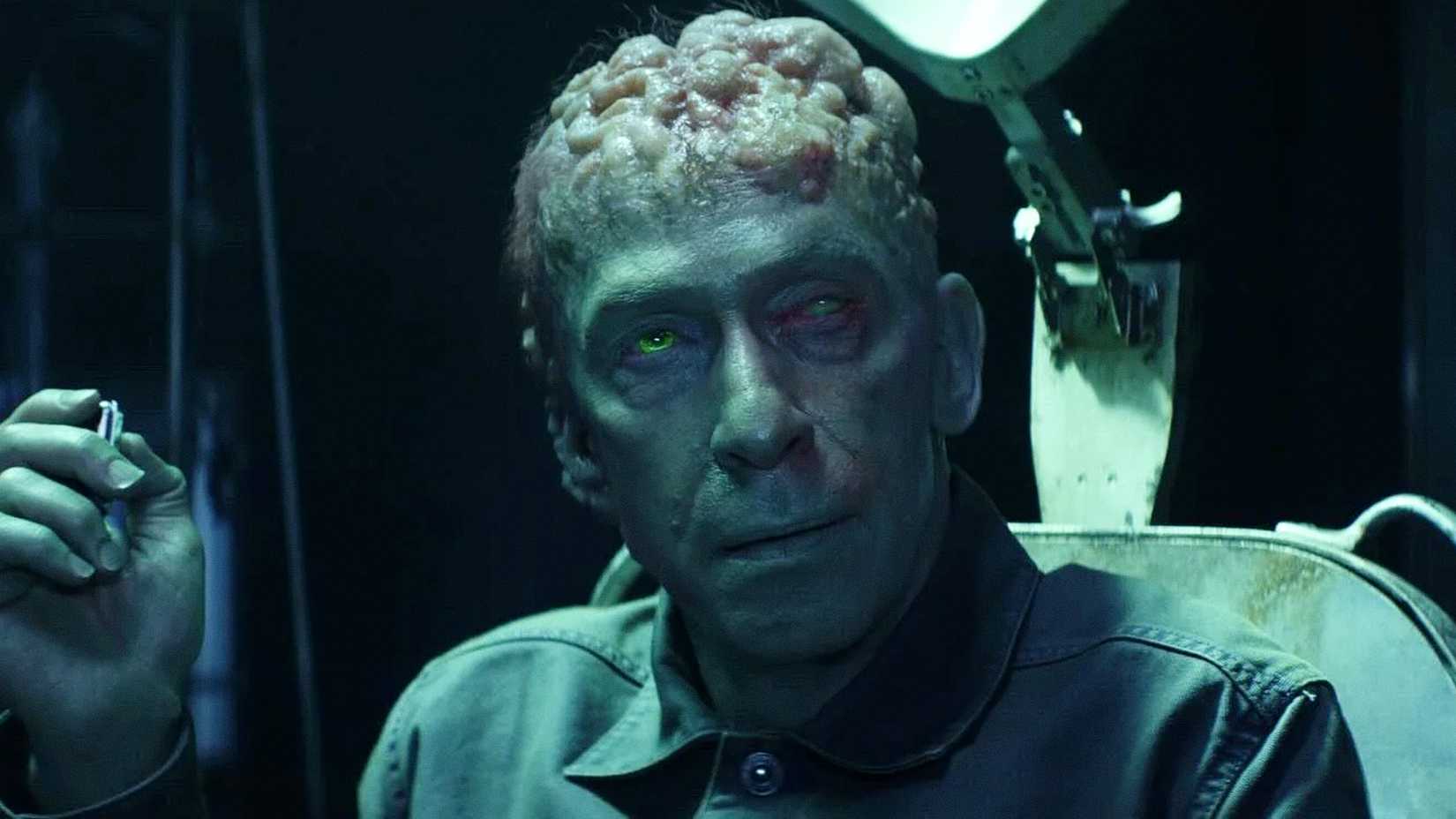
Tim Blake Nelson’s Samuel Sterns reveals his green appearance in a prison cell in Captain America Brave New World
After seventeen years of suspense, the Leader’s long-awaited MCU return was underwhelming. Samuel Sterns’ evolution into Marvel’s green-skinned super-genius promised something huge. Instead, Captain America: Brave New World brought him back with a shallow scheme that barely scratched the surface of his comic-book intellect and his potential as Hulk’s biggest nemesis.
The Leader’s grand plan to manipulate governments fizzles into nothing. He doesn’t face Hulk or the Abomination before getting sent back to prison, and his biggest casualty is a vague adaptation of D-Man. More importantly, the Leader’s final look is a letdown, overshadowed by the comic-accurate design that Marvel inexplicably replaced at some point during production.
MODOK
One Of Marvel’s Most Chaotic Villains Was Reduced To A Henchman
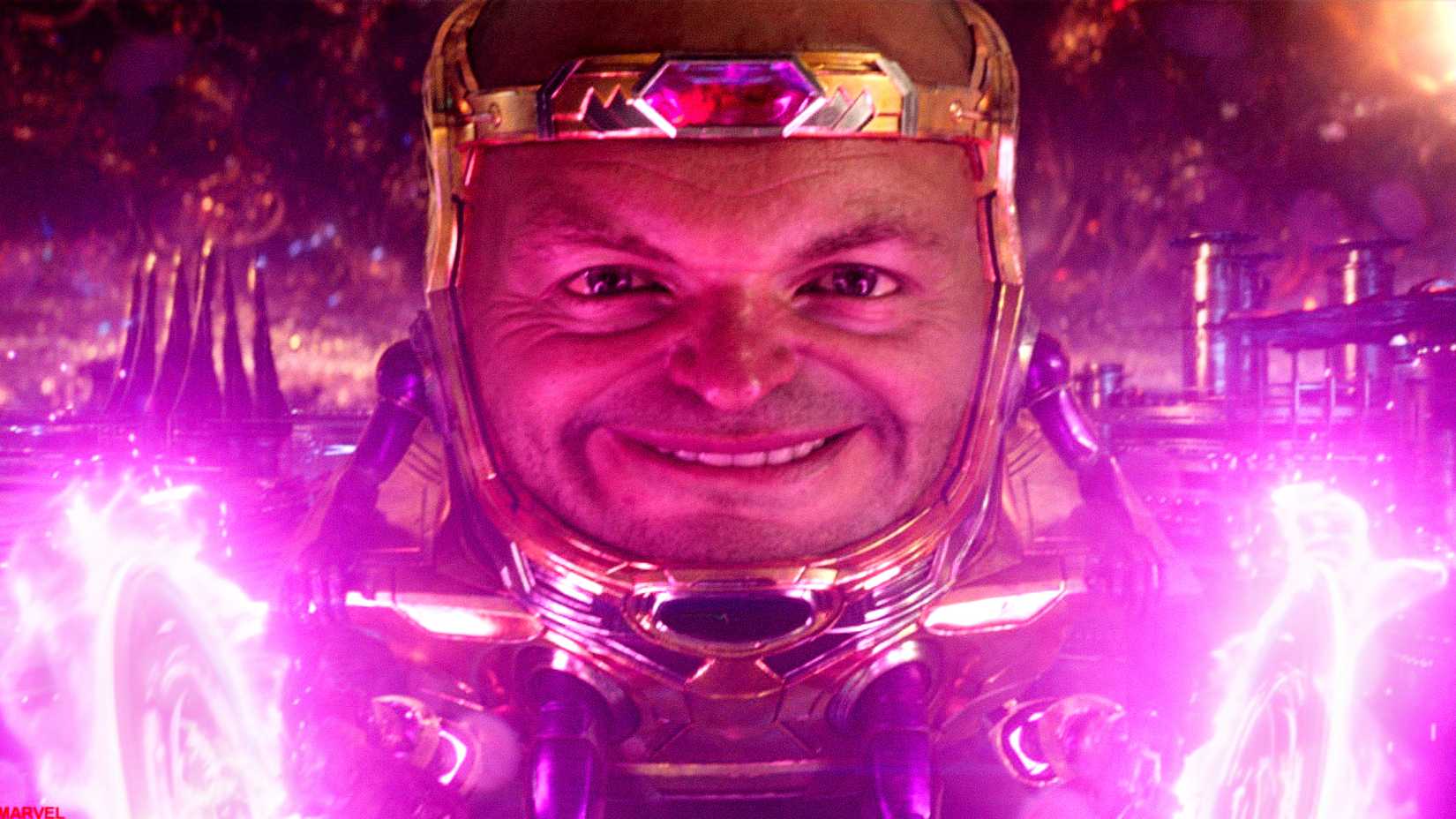
MODOK smiles without his mask off in the Quantum Realm in Quantumania
In the comics, MODOK is a grotesque genius with a dark sense of humor and a knack for conquering the world. He regularly battles Iron Man, Captain America, Hulk, and the assembled Avengers. In Ant-Man and the Wasp: Quantumania, Marvel turned him into a punchline. Darren Cross’ forced return undermined both Darren and the inexistent George Tarleton, and killed off MODOK after a single appearance.
Rather than the manipulative mastermind leading A.I.M. and outsmarting the Avengers, the MCU’s MODOK is Kang’s bumbling lackey. One of Marvel’s most irredeemable villains is convinced to turn heroic in record time, and he seemingly dies in a small explosion. A character this bizarre deserves better than becoming a one-off joke.
Kang The Conqueror
Kang’s Masterful Set-Up Collapsed In A Single Movie
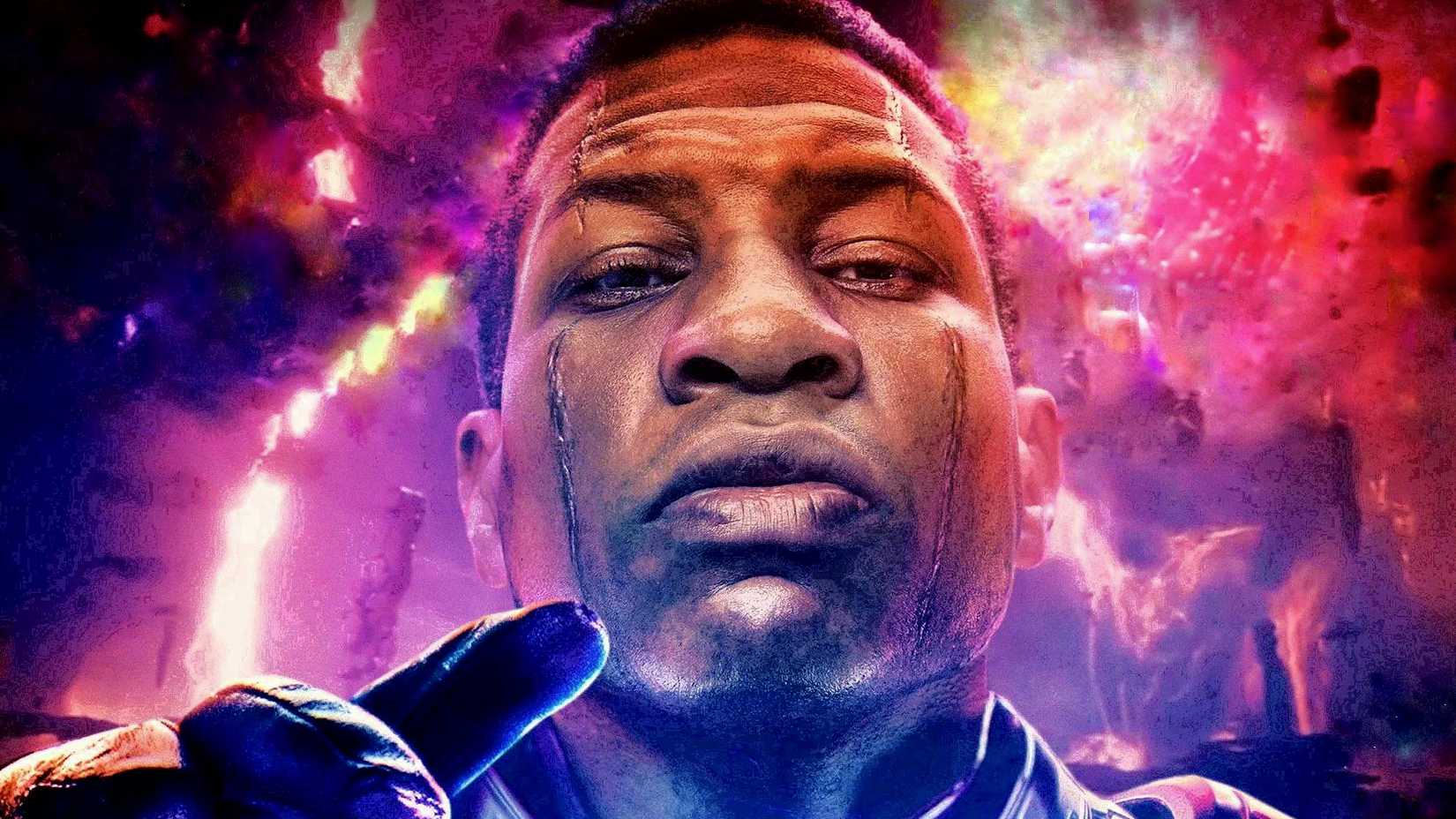
Jonathan Majors’ Kang the Conqueror extends his hand in the Quantum Realm in Quantumania
Kang the Conqueror was meant to be a more terrifying villain than Thanos himself, taking the Mad Titan’s place as the MCU’s main villain. Loki Seasons 1 and 2 built up to Kang’s debut beautifully through He Who Remains and Victor Timely. Then, Ant-Man and the Wasp: Quantumania shattered this momentum. Kang spends most of the movie monologuing and being humiliated by Ant-Man and his family.
For a character who claims to have killed innumerable Avengers across countless realities, Kang’s defeat at the hands of Ant-Man, MODOK, and a colony of ants makes him look laughably weak. Kang’s story ends sooner than that of much weaker and far less ambitious villains. And Jonathan Majors’ real-life controversies aside, his performance as Kang is surprisingly flat, indistinguishable from other sci-fi villain portrayals.