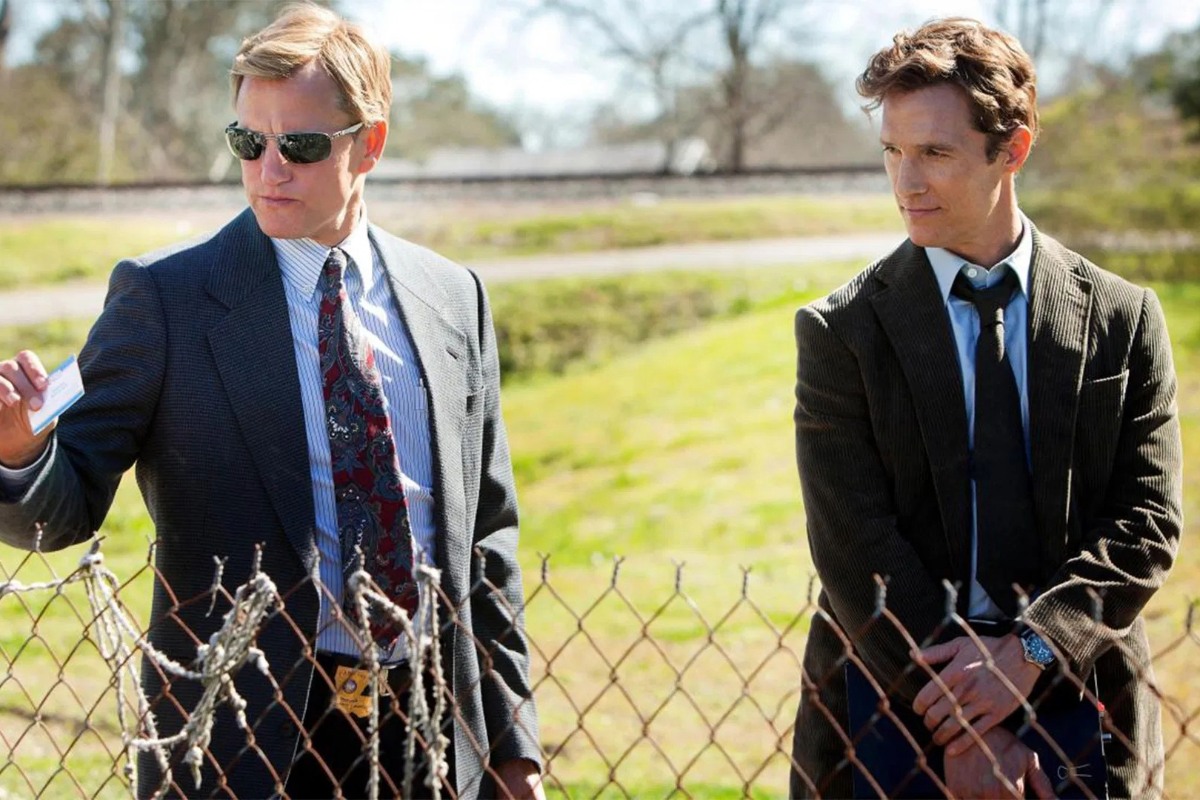
He’s on tour for another franchise and still refuses to reopen the case that made him a legend. Why would an A-lister choose memory over momentum while his former partner keeps the door ajar?
Nic Pizzolatto may be mulling a return to the season that made True Detective a sensation, but Woody Harrelson has other priorities. Speaking on NBC’s Today Show while promoting Insaisissables 3, he said he’d rather safeguard the original’s brilliance than test it with a sequel. The stance bucks Hollywood’s revival reflex and even contrasts with Matthew McConaughey’s openness to more. Harrelson and McConaughey will cross paths again soon, just not at HBO’s crime scene.
A sequel to remember, but never pursue
Since its debut in 2014, True Detective season 1 has stood as an iconic entry in prestige television. Created by Nic Pizzolatto and directed by Cary Joji Fukunaga, the series introduced audiences to the gripping dynamic between Rust Cohle, played by Matthew McConaughey, and Marty Hart, portrayed by Woody Harrelson. The first season’s gritty Southern Gothic atmosphere, philosophical undertones, and thrilling narrative earned massive acclaim. With such a cultural impact, speculation about a continuation has persisted, yet the prospect of a direct sequel remains remote.
Woody Harrelson shuts the door
During recent promotions for the upcoming film Now You See Me 3 (set for release on November 12, 2025), Woody Harrelson addressed whether he and McConaughey would ever return to True Detective. He was unequivocal, expressing no interest in revisiting Marty Hart and effectively ruling out participation in a potential follow-up, a possibility Nic Pizzolatto has reportedly considered. For Harrelson, returning would risk tarnishing what made that season exceptional.
What made True Detective season 1 legendary
The lasting impact of True Detective season 1 owes much to its exceptional team and storytelling. Beyond Pizzolatto’s enigmatic writing, the direction by Cary Joji Fukunaga turned the series into an immersive experience. Harrelson and McConaughey’s instinctual chemistry, coupled with career-defining performances, anchored an investigative odyssey into the dark underbelly of Louisiana. While subsequent seasons of the anthology shifted in tone and reception, the first installment remains a touchstone of serialized storytelling.
Harrelson and the integrity of storytelling
For Harrelson, the decision centers on protecting the sanctity of the original season. In his view, revisiting the characters might compromise the “greatness” the series achieved. By contrast, McConaughey appears open to the idea of a continuation, highlighting a thoughtful split between legacy and creative risk. Even so, Harrelson’s willingness to collaborate with McConaughey elsewhere persists, with industry chatter pointing to possible future work together in a different context.
One star, many sequels but not this one
Harrelson’s stance is striking in an era defined by revivals and franchise expansions. From Now You See Me 3 to a wave of second and third installments dominating theaters, the impulse to capitalize on past triumphs is undeniable. His reluctance stands as a rare exception, a deliberate choice that preserves the singular identity of True Detective season 1 and reinforces its distinctive legacy in television history.