By Andrea Shalal
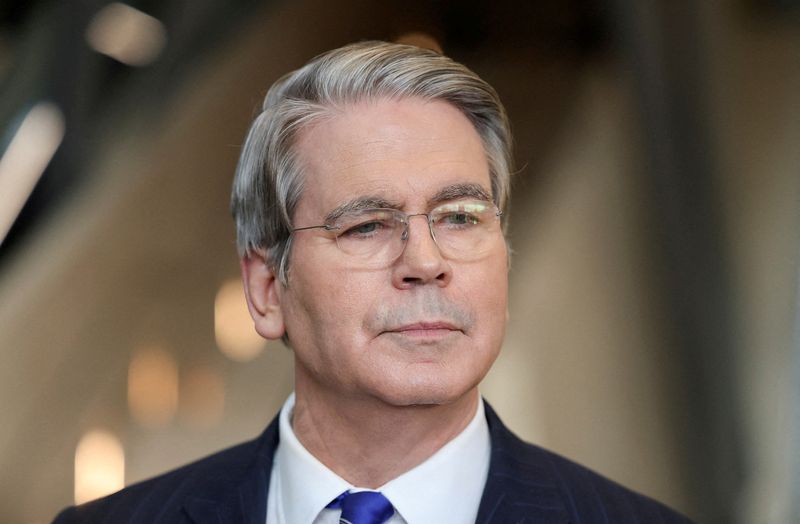
WASHINGTON (Reuters) -U.S. Treasury Secretary Scott Bessent on Wednesday said Americans would see “substantial announcements” in coming days aimed at lowering the prices of products like coffee, bananas and other items not grown in the U.S.
Bessent told the Fox News program “Fox and Friends” that the announcements, which he did not define, would bring down prices “very quickly,” adding that people would start feeling better about the economy in the first half of 2026.
Coffee prices fell sharply on Wednesday amid signs that the U.S. will cut selected import tariffs, potentially easing supply tightness in the world’s top consuming country.
U.S. President Donald Trump and other top officials have focused on reducing the cost of living after a string of defeats for Republican candidates in last week’s elections, where Democrats made affordability a key issue. More than half of the line items reported in the monthly Consumer Price Index from the Labor Department were rising at more than a 3% annualized rate as of the latest report for September, according to analysis by Apollo Global Management Chief Economist Torsten Slok.
Democratic wins in New Jersey, New York and Virginia, driven in part by cost-of-living concerns, revealed concerns among voters over ongoing inflation, which economists say has been fueled in part by high import tariffs imposed by Trump.
After the election defeats, Trump once again floated the prospect of giving households rebate checks funded by tariffs, and floated the idea of a 50-year mortgage.
Bessent, asked about those ideas, said a $2,000 rebate check proposed by Trump would be for those earning less than $100,000 per year, but no decisions had been made. “It’s in discussion,” he said. Bessent did not address the 50-year mortgage idea, which has led to a backlash from conservative allies, business leaders and lawmakers, who have questioned the efficacy of such a plan.
LOWERING TARIFFS
Trump, in an interview aired on Fox News’ “The Ingraham Angle” show on Tuesday, said the U.S. would lower some tariffs on coffee imports, repeating comments he first made in late October during his trip to Asia.
Coffee roasters in the U.S. have been plowing through their stockpiles as they await the outcome of ongoing U.S.-Brazil trade negotiations. Brazilian coffee, which accounts for a third of the beans consumed in the U.S., has been priced out of that market by the 50% import tariffs that Trump imposed in August.
Asked about Trump’s comments about lowering tariffs on coffee producers Vietnam and Brazil, Bessent said, “It’s tough to do a lot of specific things, but I can tell you … you’re going to see some specific announcements in coming days in terms of things we don’t grow here in the United States, coffee, coffee being one of them, bananas, other fruits, things like that.” He gave no further details.
In September, U.S. consumers paid nearly 19% more than a year earlier for roasted coffee and nearly 22% more for instant coffee, according to that month’s CPI report. Banana prices were up nearly 7% year over year compared with essentially no change for fresh fruit more widely.
The U.S. grows bananas in Hawaii and Florida, but commercial production is limited and most bananas are imported from countries where labor is cheaper and land costs are lower.
Bessent said other measures already taken by the Trump administration, including reducing taxes on overtime and tips, would kick in early next year, as well as moves to boost domestic manufacturing through foreign investment.
“Real wages are going to increase,” Bessent said. “I would expect in the first quarter, second quarter of next year …. Americans are going to start feeling better.”
Many households will see large tax refunds next year given changes in tax law, allowing deductions for car loans and ending taxes on Social Security benefits for some seniors. Parents of children born after December 31, 2024 and before January 1, 2029 could also receive a $1,000 initial deposit if they opened a Trump account, Bessent said.
(Reporting by Andrea Shalal and Susan Heavey; Editing by Alex Richardson, Paul Simao and Diane Craft)