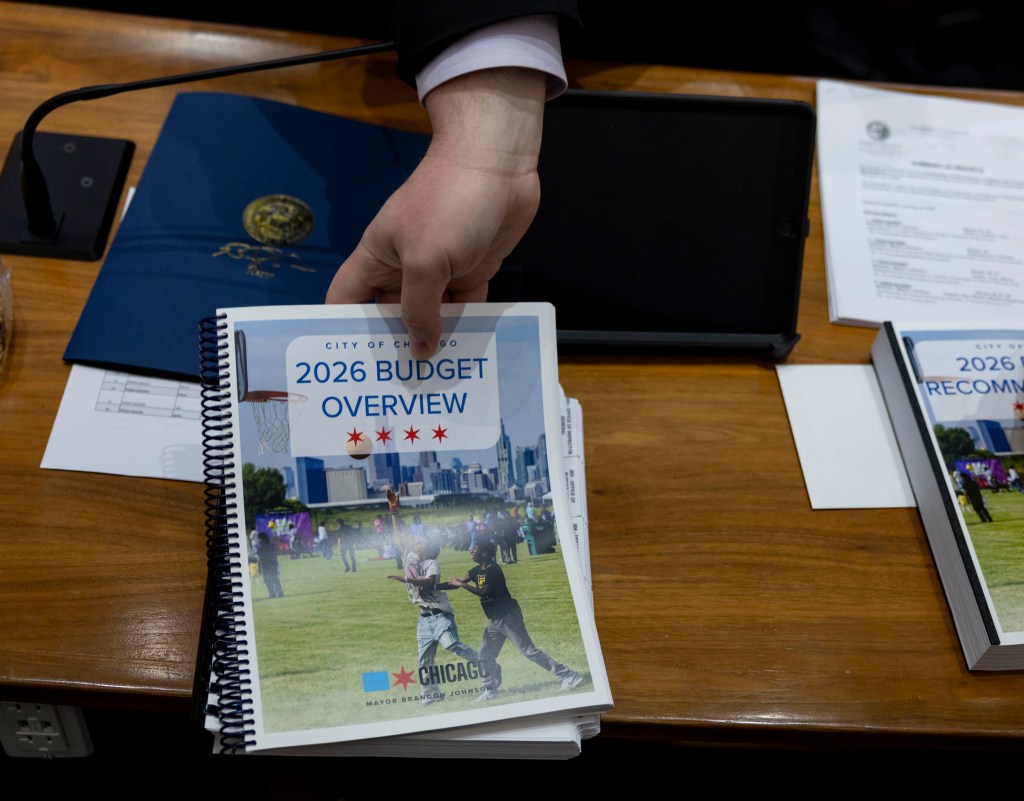
Chicago stands at a crossroads. The city is facing a $1.19 billion deficit that is largely structural and is being led by a mayor who is only proposing more tax increases and more debt. Federal pandemic money, unwisely used to fund operations, is gone, and as long as Donald Trump is president, it’s going to stay that way.
A recently released EY report — commissioned by the city for $3.2 million — identifies between $530 million and $1.3 billion in potential efficiencies that could reduce the need for new revenue. The mayor’s budget includes only a tiny portion of these ideas — about $75 million, according to the Civic Federation.
Before we ask Chicago taxpayers for one more dollar, we must show that we’ve done everything possible to deliver essential services efficiently and effectively. It’s not too late to adopt the remaining EY reforms or pursue other cost-saving measures and long-term reforms. Here are a few we should implement now:
- Consolidate back-office functions (human resources, information technology, legal), reduce management layers (supervisors manage six to eight people rather than three), and eliminate noncritical positions from the over 4,000 roles that are currently vacant, saving $147 million to $257 million.
- Centralize procurement. Currently, every department makes individual purchases, meaning we are not buying in bulk and getting economies of scale. Serious reform could save $55 million to $111 million, while the mayor suggests a mere $10 million.
- Cost recovery for large events. Ensuring we are getting reimbursed for all the police, traffic enforcement and cleanup we provide to hundreds of events could generate $21 million.
- Modernize our vehicle fleet of 15,000 vehicles over 36 departments by reducing duplicative purchases and maintenance, selling inactive vehicles and centralizing services.
- Adopt a real estate strategy that assesses the city’s 500 facilities, 10,400 vacant land parcels, sells profitable land and property, consolidates office space and maximizes Riverwalk revenue.
- Ensure employee benefits match peer city benefits. Our public servants deserve excellent benefits, but it’s hard to believe the mayor identified not one reform. We could offer credits for employees who go on a spouse’s plan, reduce health maintenance organization contributions by employees to incentivize movement from preferred provider organization to HMOs or negotiate better prescription drug plans.
- Optimize public safety service delivery. Public safety professionals are essential to our city, which is why we must ensure their services are delivered efficiently and effectively. Civilianizing administrative roles currently performed by sworn officers, expanding telehealth diversion to handle noncritical 911 calls and reducing 311 hours from 24/7 could save millions.
Finally, the biggest challenge facing our budget — underfunded pensions — is excluded from this EY report. The tough but honest truth is: Unless Chicago tackles its pension debt, it will never escape its budget hole. Forty percent of the city’s budget already goes toward debt and pensions. This amount will only grow, further crowding out resources for more police, teachers and critical services and putting the benefits of current workers in jeopardy. We have to bring retirees, current employees and taxpayers to the table to talk about real solutions, together, and chart a path forward.
I’ve seen this movie before. As a Cook County commissioner, I wrote a similar report called “Reinventing Cook County.” I offered, and implemented, a number of reforms to consolidate overlapping agencies (e.g., clerk and recorder of deeds), reform procurement to reduce patronage and adopt technology (e.g., digitizing Cook County court records) to reduce costs and improve services.
Rather than slashing government services or taxing our citizens out of Chicago, I say we reinvent. If we were to start over today, providing critical services, who would do what, and where would they do it? We must reinvent government, not because we hate it, but because we love it and owe it to the taxpayers to show them it can work.
We paid for a road map for reform in the EY report. Now we need leadership with the courage to choose the road of reinvention.
U.S. Rep. Mike Quigley, D-Chicago, is a member of the U.S. House Committee on Appropriations and exploring a run for mayor of Chicago.
Submit a letter, of no more than 400 words, to the editor here or email letters@chicagotribune.com.