PHOENIX — Imagine having a heart condition so severe you can’t walk to your mailbox — and then being told you’re too sick for treatment.
That’s been the reality for thousands of people suffering from mitral annular calcification, or MAC, a dangerous and worsening calcium buildup around the heart valve affecting roughly 30% of older adults. Traditional open-heart surgery can be life-threatening for patients with MAC, but a new procedure is changing that.

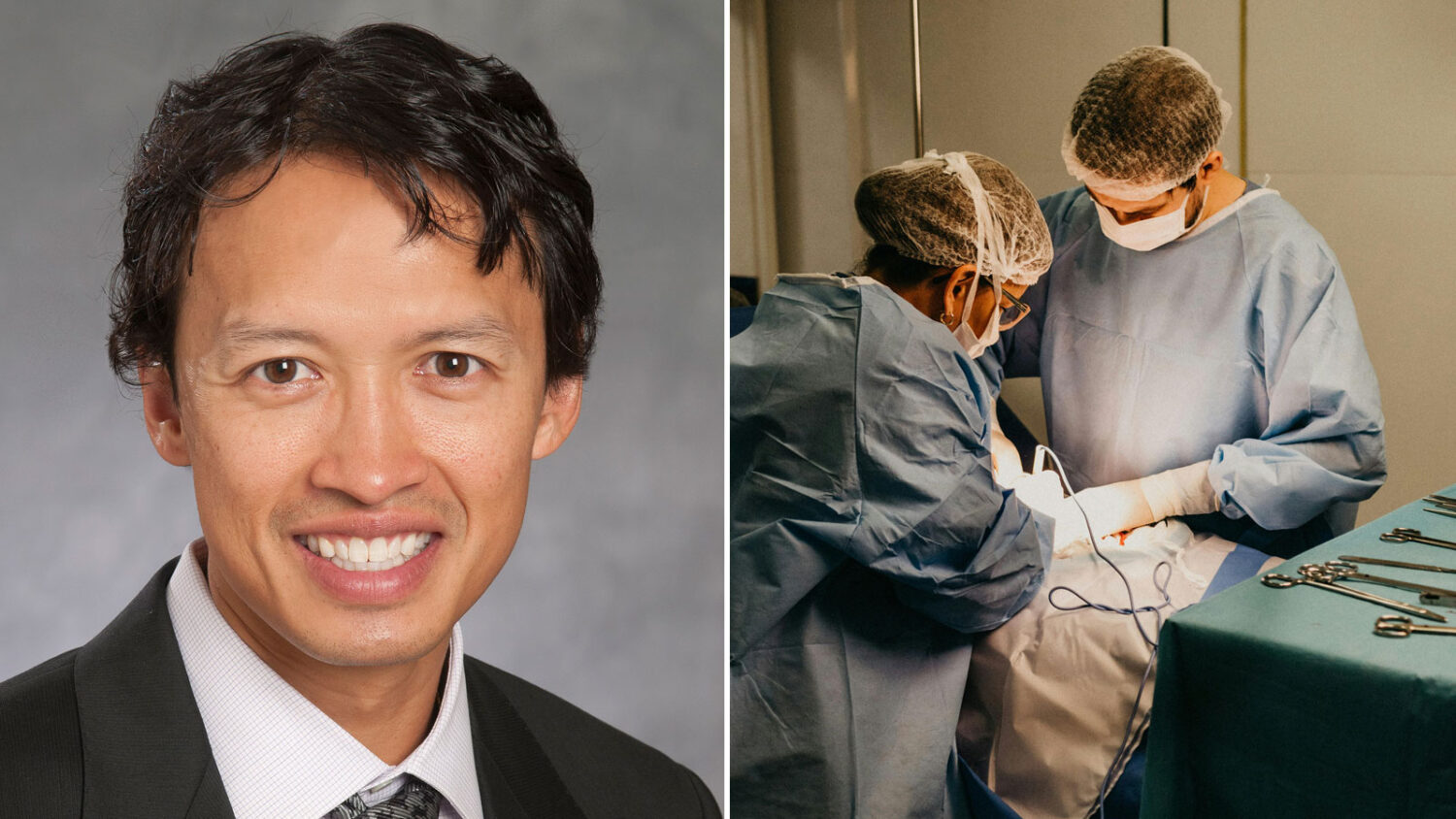
In 2016, Dr. Paul Sorajja with Banner University Medical Center Phoenix became the first doctor in the world to use a specialized device called Tendyne to treat a patient with MAC. He then went on to lead the study that got the procedure approved by the FDA this year.
“The heart never stops. There’s no heart-lung machine,” Sorajja said. “It doesn’t require any cutting or sewing into the calcification of the valve, which makes it a very safe procedure.”
How does new treatment for heart condition work?
The procedure replaces a leaky heart valve with the Tendyne device through a small incision between the ribs. The device expands inside the MAC patient’s existing valve to stop leakage.
Previous treatment options for the heart condition were far riskier. Surgeons would try to cut or remove the calcification through open-heart surgery, but that often led to fatal tears or leaks. Some even tried using off-label valves not designed for MAC, and patients frequently died.
“In the previous experiences, the risk of death with traditional surgery was 8% to 10% or more. With the off-label valve therapies that people were trying, the risk of death was as high as 25%. With this new technology, we are now down into the 6% range, which is a lot more favorable for these patients,” Sorajja said.
For Sorajaa, the impact on patients has been indisputable.
“They’re just really grateful for the years they’ve been given,” he said. “You can think of it as if you had cancer or something life-threatening, and then somebody shows up with a drug that saves your life — it’s akin to that. It’s lifesaving and life-changing.”
He said the study showed the procedure was effective in 95% of cases — with nearly all patients reporting an improvement in their symptoms and quality of life.
We want to hear from you.
Have a story idea or tip? Pass it along to the KTAR News team here.
