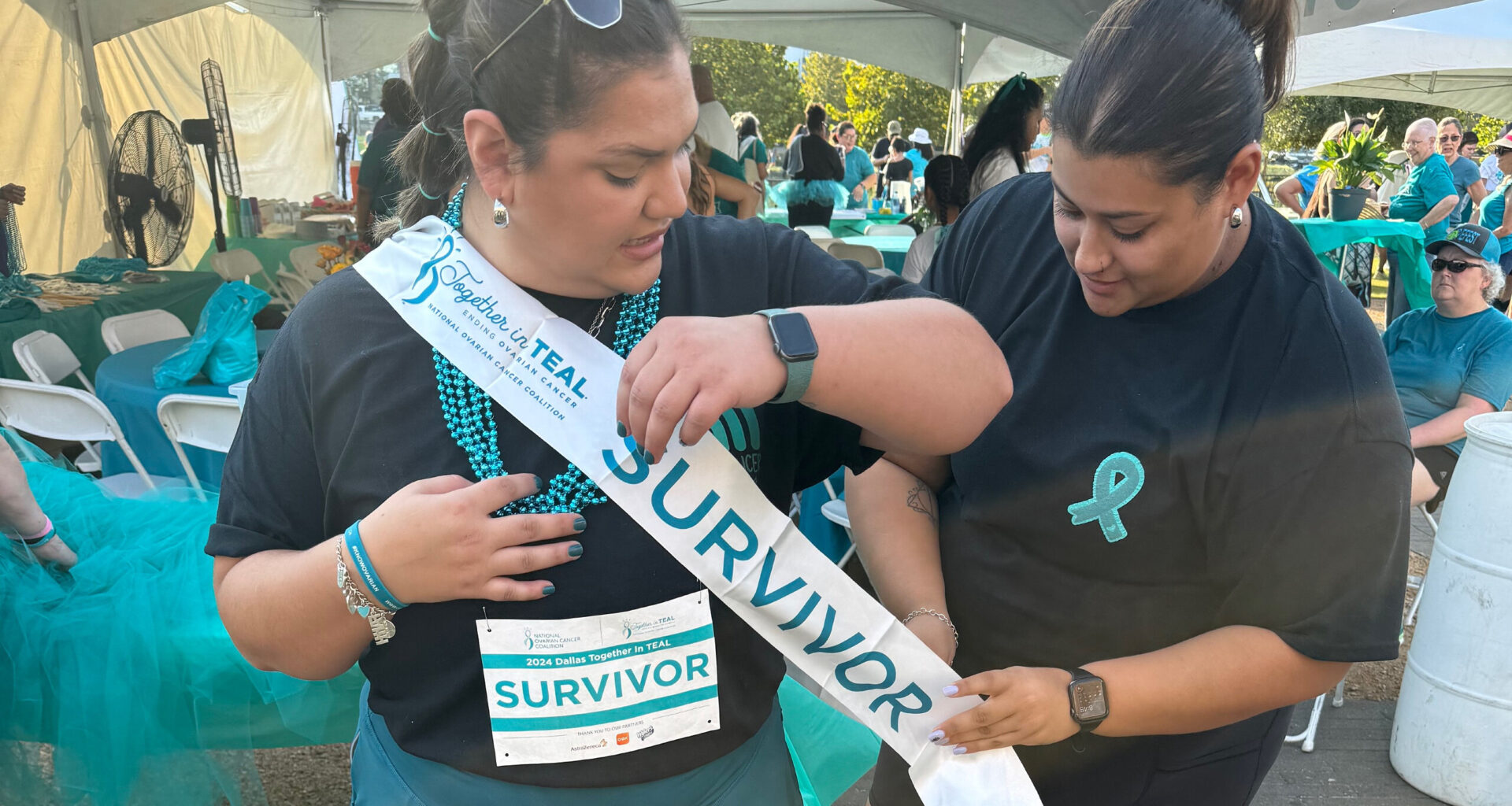
Erica Cooper became her best friend’s primary caregiver about five years ago.
Cooper and Jessika Ramirez were roommates in Fort Worth, ready to take on the world as two young women in their mid-20s. Then Ramirez found out her cancer had come back after being in remission for a couple years.
Cooper became her chosen sister’s caregiver because of their living situation at the time, but it also felt like the natural choice, she said.
“It just felt like something you do for someone you love and less of a responsibility,” Cooper said.
More people nationwide are accepting such responsibility. Nearly 63 million in 2025, or almost a quarter of adults in the United States, serve as primary caregivers for someone with a medical condition or disability, according to a report from the National Alliance for Caregivers. That is a 45% increase compared to a decade ago.
Despite wanting to help those they love, being a caregiver is not easy. The alliance’s report indicates that 64% of caregivers report emotional stress from the responsibility. On average, they provide 27 hours of support a week, with about a quarter of caregivers providing 40 or more, according to the group’s findings.
With November being National Family Caregivers Month, local experts note the value of supporting and acknowledging the important responsibility bestowed on caregivers.
Christi Jackson, a community social worker at Cancer Care Services, said she often initiates conversations about stress and anxiety when she speaks with patients’ family members.
“Their focus is on the patient and wanting to appear strong for and support them,” Jackson said.
Once she gets them talking, caregivers often become more receptive to detailing their challenges and asking for help, Jackson said.
Being a caregiver for someone with a long-term chronic condition versus an acute condition, which is generally temporary, can impact providers in different ways, she said.
“You can see how it wears on a person over time,” Jackson said. “People get adrenaline when it’s a short burst, when they can see the end in sight. But when there isn’t an end in sight, then it’s a lot more challenging.”
The responsibility of being a caregiver can also feel isolating, Jackson said, especially if the caregiver lives alongside the person and “they’re not able to get away.”
Cancer Care Services recently began providing sessions for caregivers so they can better communicate their needs and manage stress.
Caregiver resources in Tarrant County
- Aging and Disability Resource Centers provides resources ranging from in-home care to transportation and meals for caregivers in Texas. Access resources here.
- Cancer Care Services provides financial assistance and social connection for those affected with cancer and their caregivers. Access resources here.
- UNT Health Fort Worth was selected by the Texas Department of State Health Services to increase local dementia support in Tarrant County. Access resources here.
- United Way of Tarrant County provides medical benefits counseling, home safety modifications and other resources for older adults and their caregivers. Access resources here.
For Cooper, she’s found a better balance over time between caring for Ramirez and self-care.
“Obviously, I’m honored to be a part of that journey for her,” she said. “But I also have to acknowledge the goals in my life that I should attend to myself. Honoring that for myself, as well as honoring the role that I play in her life, and navigating and doing both respectfully and without regret, has been interesting.”
Cooper considers herself to be relatively blessed compared to other caregivers. Ramirez is still working and relatively independent.
Being recognized for the work done as a caregiver can be helpful.
“The name caregiver carries a lot of weight, and caregivers feel the pressure of that weight more often than not,” Cooper said. “Unfortunately, because of the conditions our loved ones are in, they may not be able to say it, feel it, express it, but I know that it’s there. So having acknowledgement from outside people, it’s not necessary, but it’s valued.”
Ismael M. Belkoura is the health reporter for the Fort Worth Report. Contact him at ismael.belkoura@fortworthreport.org.
At the Fort Worth Report, news decisions are made independently of our board members and financial supporters. Read more about our editorial independence policy here.
Related
Fort Worth Report is certified by the Journalism Trust Initiative for adhering to standards for ethical journalism.
Republish This Story

Republishing is free for noncommercial entities. Commercial entities are prohibited without a licensing agreement. Contact us for details.