By Jack Tomczuk
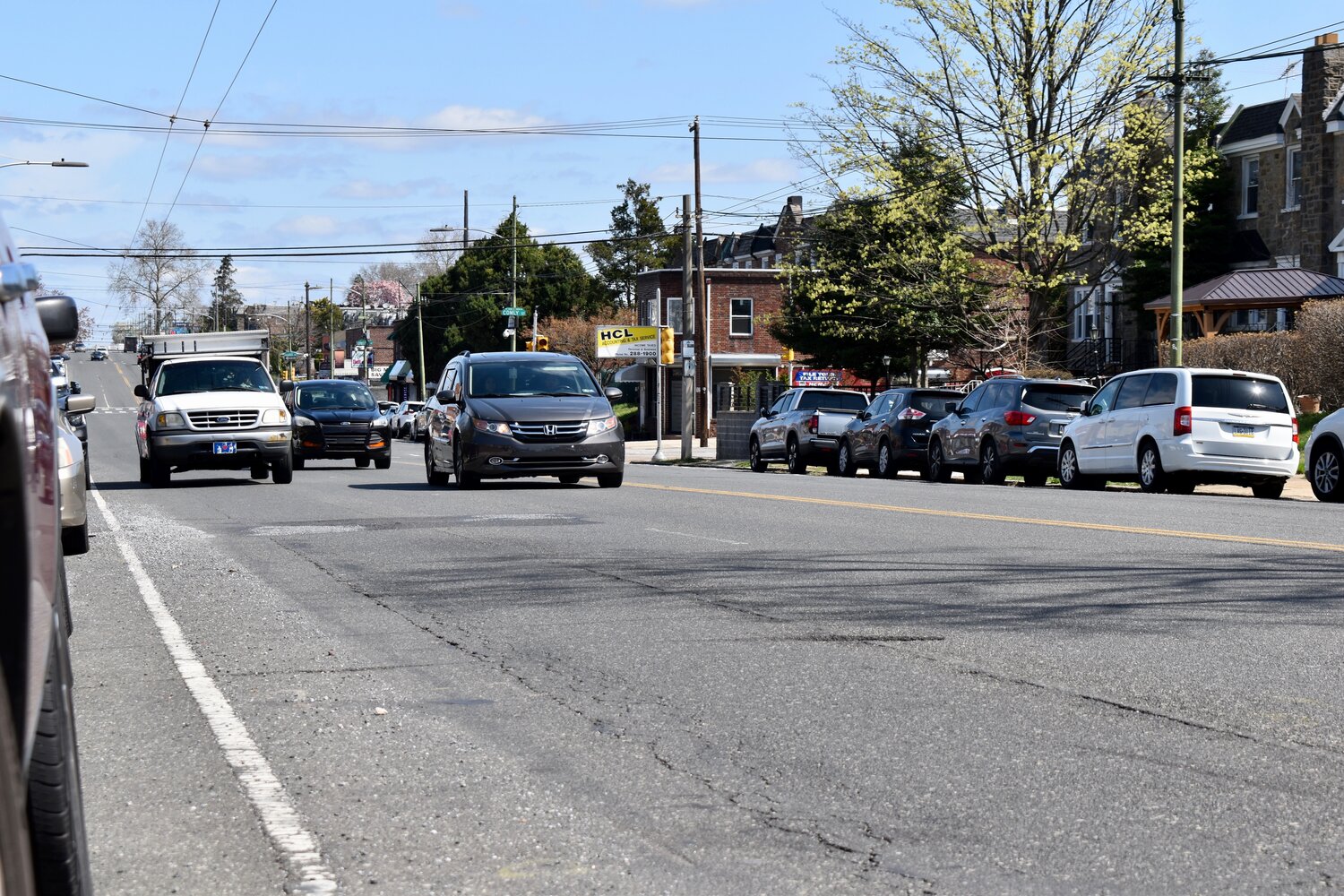
Mayor Cherelle Parker is promising to implement traffic safety enhancements on all of Philadelphia’s most dangerous roadways over the next five years.
Her administration also wants to change how speed limits are set, have police conduct high-profile driving enforcement campaigns, and further expand the use of speed cameras.
The steps were among the many incorporated into Philadelphia’s Vision Zero Action Plan 2030, released last week. It’s the first comprehensive report examining the program and setting new goals since 2020, under then-Mayor Jim Kenney, who first adopted “Vision Zero,” a set of strategies deployed internationally with the aim of eliminating traffic deaths.
Crash fatalities and injuries have been on a moderate decline over the past five years, but the numbers are still much higher than prior to the COVID-19 pandemic. Last year, 120 people died in Philadelphia and 362 others were seriously injured; deaths averaged under 86 annually between 2015 and 2019.
Philadelphia’s rate of traffic deaths per 100,000 residents is three times higher than New York, two-and-a-half times higher than Boston and even exceeds the rate in Los Angeles, considered a more auto-centric city, according to the report.
Of particular concern is a recent rise in collisions involving children. Since 2020, crashes involving youth pedestrians under the age of 18 have spiked more than 60%, the Vision Zero analysis found.
In conjunction with the action plan, the Parker administration updated the High Injury Network – the 12% of city streets responsible for 80% of the crash fatalities and serious injuries. Previously, the map incorporated state crash data from 2014 to 2018. It’s now been reconfigured based on statistics between 2019 and 2023.
Officials use the HIN to prioritize roadway safety projects. The Parker administration said it plans to publish a capital funding plan in 2026 to address the identified routes.
“My administration is committed – no excuses – to program safer improvements on every single mile of this network by 2030,” the mayor wrote in a letter that opened the report.
The improvements are likely to include road diets, separated bicycle lanes, loading zones, speed bumps – all of which are mentioned in the report – and other physical measures. Such road reconfigurations have sparked heated neighborhood debates in recent years, impacting redesigns on Washington Avenue in South Philadelphia, Castor Avenue in Northeast Philadelphia, and Spruce and Pine streets in Center City, among other corridors.
But transportation officials, in the Vision Zero report, say the strategies were broadly popular during their outreach to nearly 3,000 city residents through roundtable discussions, surveys and polls that were conducted as a part of the planning process.
Parker’s team intends to lobby Harrisburg on a number of fronts to further the traffic safety strategy.
The plan calls for a change in state law to provide local control over speed limits. Currently, localities must utilize the 85th percentile method, determining the limit based on the mph of 85% of drivers traveling on a particular road. “This standard is a mismatch for a dense urban environment like Philadelphia,” the report argues.
State lawmakers should ease restrictions on the city’s automated speed enforcement program to permit the expansion to more stretches of road, the plan’s authors write.
Cameras are now active on Roosevelt Boulevard and Broad Street and have been authorized (but not yet activated) for five other state routes and seven school zones. Further legislation is needed to add any additional areas.
“I am laser-focused on expanding automated enforcement – because we know that speed cameras save lives,” Parker said in the document’s introductory message. “Over the next several years, we will bring this life-saving technology to more corridors across our great city.”
Legislation will also be requested to legalize parking-protected bike lanes on state roads. Another proposed change that depends on Harrisburg is granting Philadelphia police the power to use speed guns. As of now, only state troopers are permitted to carry the devices.
At least four times a year, the PPD should deploy “high visibility enforcement waves” to crack down on aggressive driving, people not wearing seatbelts, impaired driving and other issues that contribute to deadly collisions, the plan states.
Other Vision Zero action items include implementing “no turn on red” zones across Center City and University City; expanding the Indego bike share program; and increasing traffic safety education to school children through the Safe Routes Philly initiative.