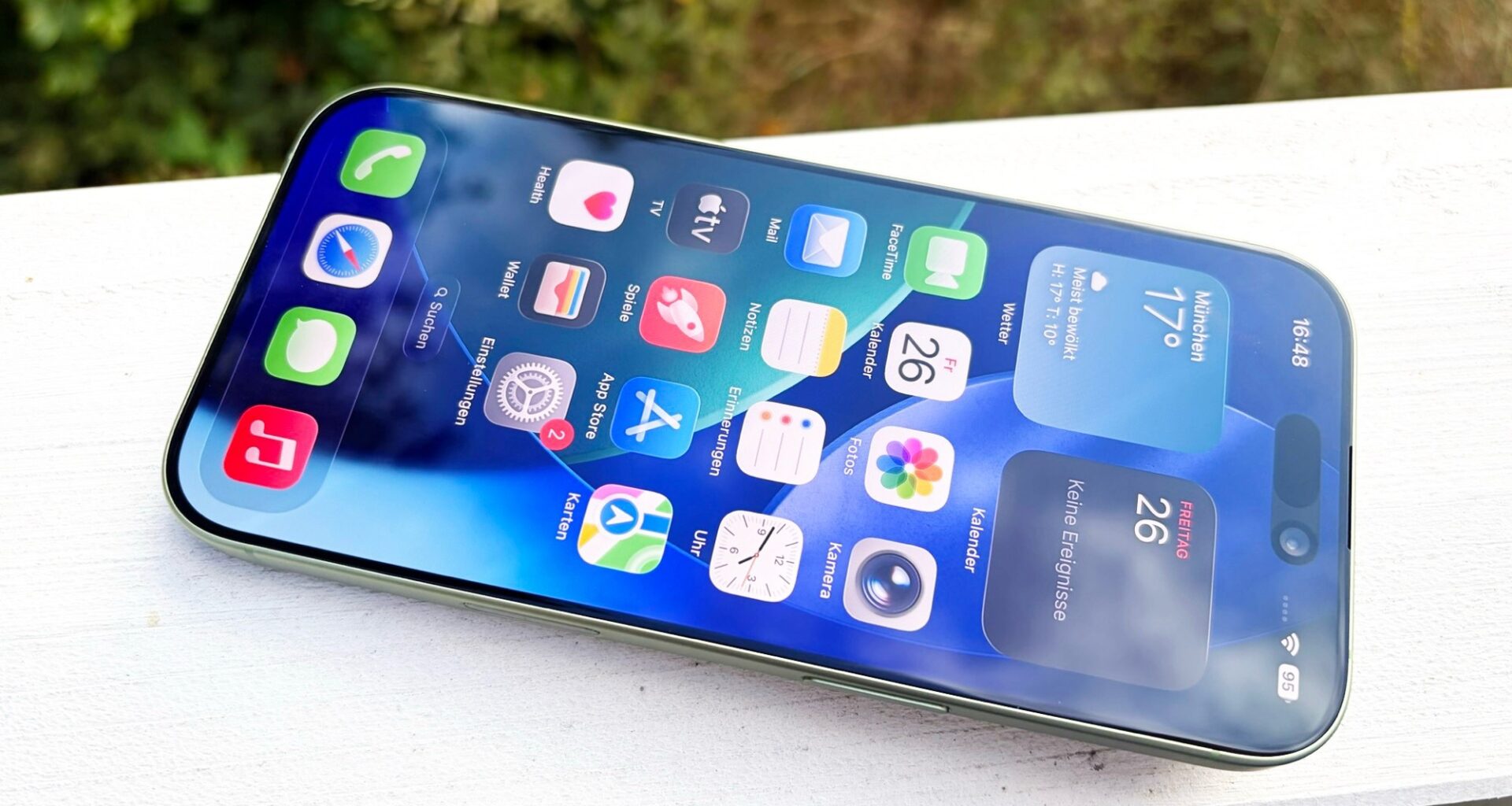
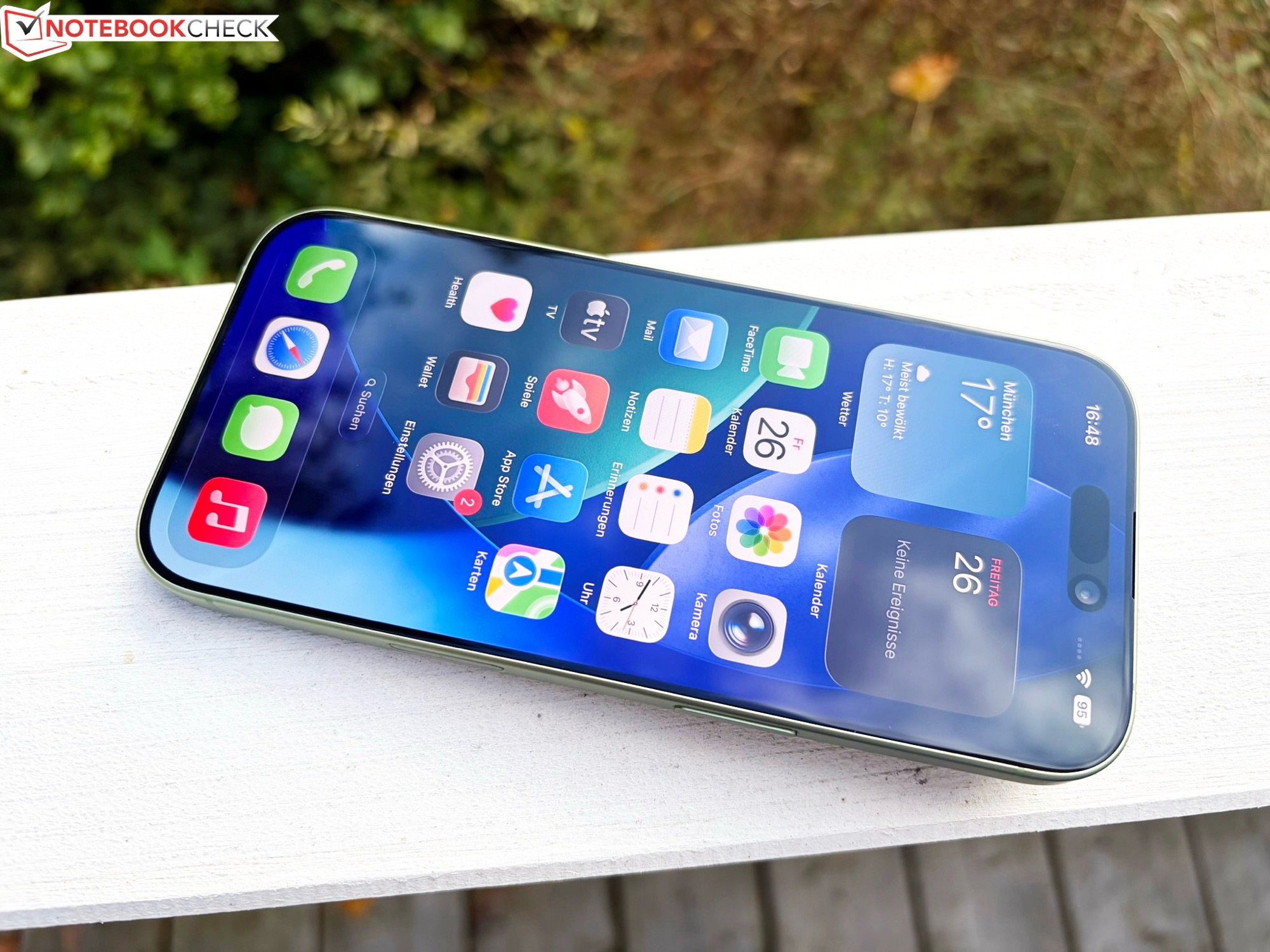
 The iPhone 17e could offer similarly thin screen bezels as the iPhone 17 (pictured, image source: Notebookcheck).
The Apple iPhone 17e is expected to launch in just a few months and will likely be positioned as a more affordable alternative to the iPhone 17, featuring the same processor and long-term software support. Rumors are now suggesting that Apple will give the iPhone 17e a design upgrade.
The successor to the Apple iPhone 16e is expected to launch in spring 2026. If Apple follows the same schedule as this year, the announcement can be expected in February. According to the latest information from The Elec, Apple’s panel suppliers BOE, Samsung Display and LG Display are already preparing to ship 8 million displays for the first half of 2026, which are intended for the iPhone 17e.
Apple is reportedly once again using a panel with specifications similar to those of the iPhone 14 screen. The “cheap iPhone” is thus expected to have an OLED panel with a screen diagonal of 6.1 inches, a resolution of 2,532 x 1,170 and a peak brightness of 1,200 nits, but continue to keep the 60 Hz refresh rate. On the other hand, the iPhone 17e’s panel is expected to have thinner screen bezels, which should give the smartphone a slightly more modern look and make the dimensions of the case slightly smaller.
Rumors suggest that the iPhone 17e could also receive an upgrade to Dynamic Island, which would replace the large, old-fashioned notch of the iPhone 16e. Apart from the display changes, the next-generation base model iPhone is expected to be equipped with the Apple A19 ARM chip from the iPhone 17. It is still unclear whether the iPhone 17e will feature the new 18 MP front camera with square sensor used in the iPhone 17. It is also conceivable that Apple’s next-generation low-cost iPhone will support MagSafe.
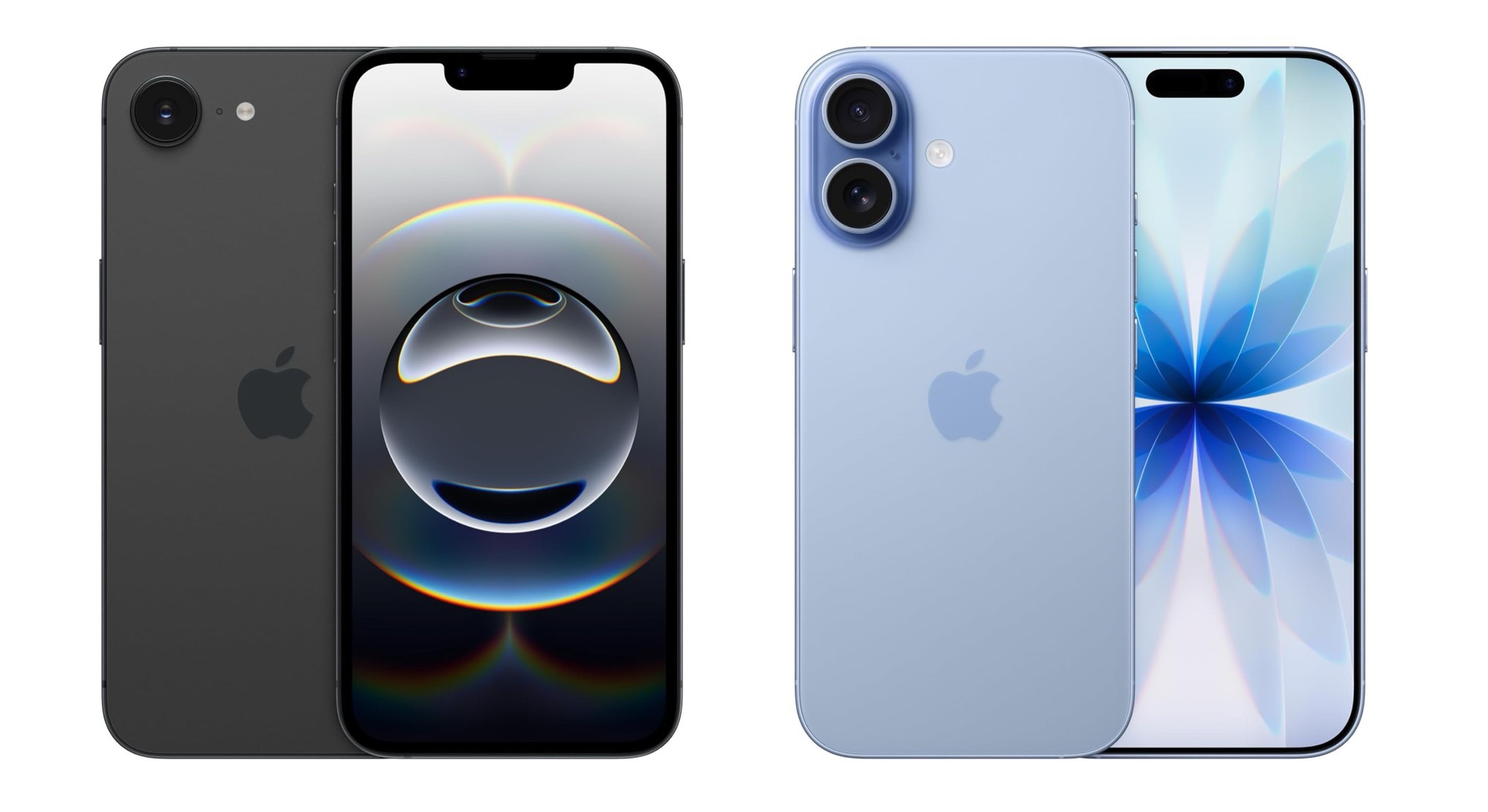 The Apple iPhone 16e (left in the picture) has noticeably thicker screen bezels than the iPhone 17 (right in the picture).
Since 2009 I have written for different publications with a focus on consumer electronics. I joined the Notebookcheck news team in 2018 and have combined my many years of experience with laptops and smartphones with my lifelong passion for technology to create informative content for our readers about new developments in this sphere. In addition, my design background as an art director at an ad agency has allowed me to have deeper insights into the peculiarities of this industry.
 Translator: Jacob Fisher – Translator – 2579 articles published on Notebookcheck since 2022
Growing up in regional Australia, I first became acquainted with computers in my early teens after a broken leg from a football (soccer) match temporarily condemned me to a predominately indoor lifestyle. Soon afterwards I was building my own systems. Now I live in Germany, having moved here in 2014, where I study philosophy and anthropology. I am particularly fascinated by how computer technology has fundamentally and dramatically reshaped human culture, and how it continues to do so.