Affordability
The Trump administration said the move would save Americans money, reducing the average cost of new vehicles by about 2% or $1,000. But environmentalists say the opposite — that increased fuel standards reduce the amount of gasoline needed to go the average mile.
“Consumers will be paying more at the pump,” said Jason Schwartz, legal director of the Institute for Policy Integrity, a think tank based at New York University School of Law.
Schwartz said the Department of Transportation created a “new category of supposed costs” to offset the increased usage of gasoline for less-efficient vehicles. For example, without the focus on creating more efficiency, the car makers could increase horsepower that could lead to savings.
“And so, what the Department of Transportation has done is assign some value to those supposed losses, and is using that to try to offset a mythical cost to try to erase from their tally sheet all the fuel savings that consumers are going to lose out on,” Schwartz said.
In addition to pumping more gas, an annual report from the government’s Energy Information Administration released in April shows that without the Biden-era climate rules that encouraged the manufacturing of cleaner cars, the price of gasoline will rise by 76 cents per gallon, Alson said.
“I would say it’s very deceptive what the Trump administration is saying that this will save consumers a lot of money,” he said. Alson added that while he agrees rolling back the fuel efficiency standards would save consumers about $1,000, the costs to consumers of higher gas prices would far outweigh the savings in the costs of new vehicles.
Health impacts on the Philly region
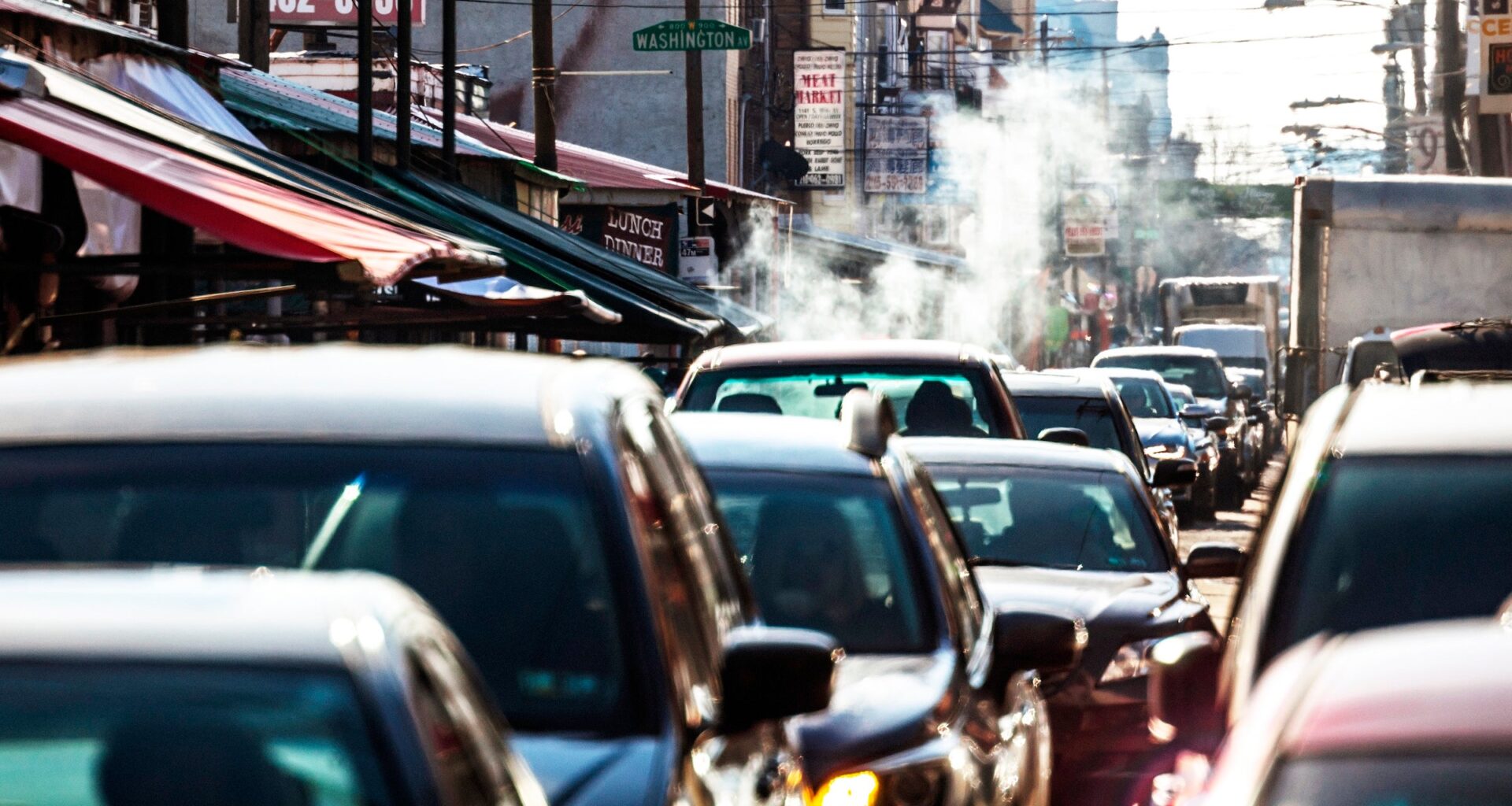
Public health advocates and environmentalists also say that while the fuel efficiency standards had the original goal of reducing reliance on foreign oil, the impact on air quality was significant.
“And that has been an incredible boon for public health and millions of lives saved and early deaths averted, because of those improvements in air quality,” said Jane Clougherty, professor of environmental and occupational health at Drexel University’s Dornsife School of Public Health.
Clougherty said reducing fuel use would have lessened the tailpipe emissions, including volatile organic compounds and nitrogen oxides, which are associated with poor health impacts including asthma and cardiovascular disease.
“In Philadelphia, we have a number of really important air pollution sources, including refineries and legacy industries around our region,” Clougherty said. “But no question, nitrogen dioxide is still one of the most important contributors to air pollution in our region.”
NYU’s Schwartz called it a “triple whammy,” starting with passing on more costs to consumers.
“It’s bad enough to increase greenhouse gas emissions. It’s especially bad since we’re already in a climate crisis,” Schwartz said. “It’s especially bad in combination with all of the other environmental rollbacks that we’re seeing. All those effects are just going to compound on each other.”