(Credits: Bradford TImeline)
Mon 8 December 2025 0:00, UK
Nothing is ever more popular in American music than when they have their own innovations and ideas repackaged and sold back to them.
Just look at The Beatles and the Rolling Stones, playing various blends of rhythm and blues back to ever more adoring American audiences, and then the rest of the British Invasion bands that followed in their wake, like The Who and The Kinks or The Animals.
Then think about those later stadium-sized blues-rock inspired groups like Led Zeppelin and Queen, or the total chart domination of ‘psychedelic rock’ from Pink Floyd, and even the pure-pop bubblegum of more modern times in the shape of groups like the Spice Girls and One Direction. All of this so-called British music has clear antecedents in American cultural traditions, styles and genres. It doesn’t matter that none of the British groups mentioned above (with the exceptions of The Kinks, The Stones and The Beatles) ever matched or even bettered the American originals they were so inspired by; the novelty of having an American style recreated, re-branded and reflected back at an American audience was enough to send fans wild.
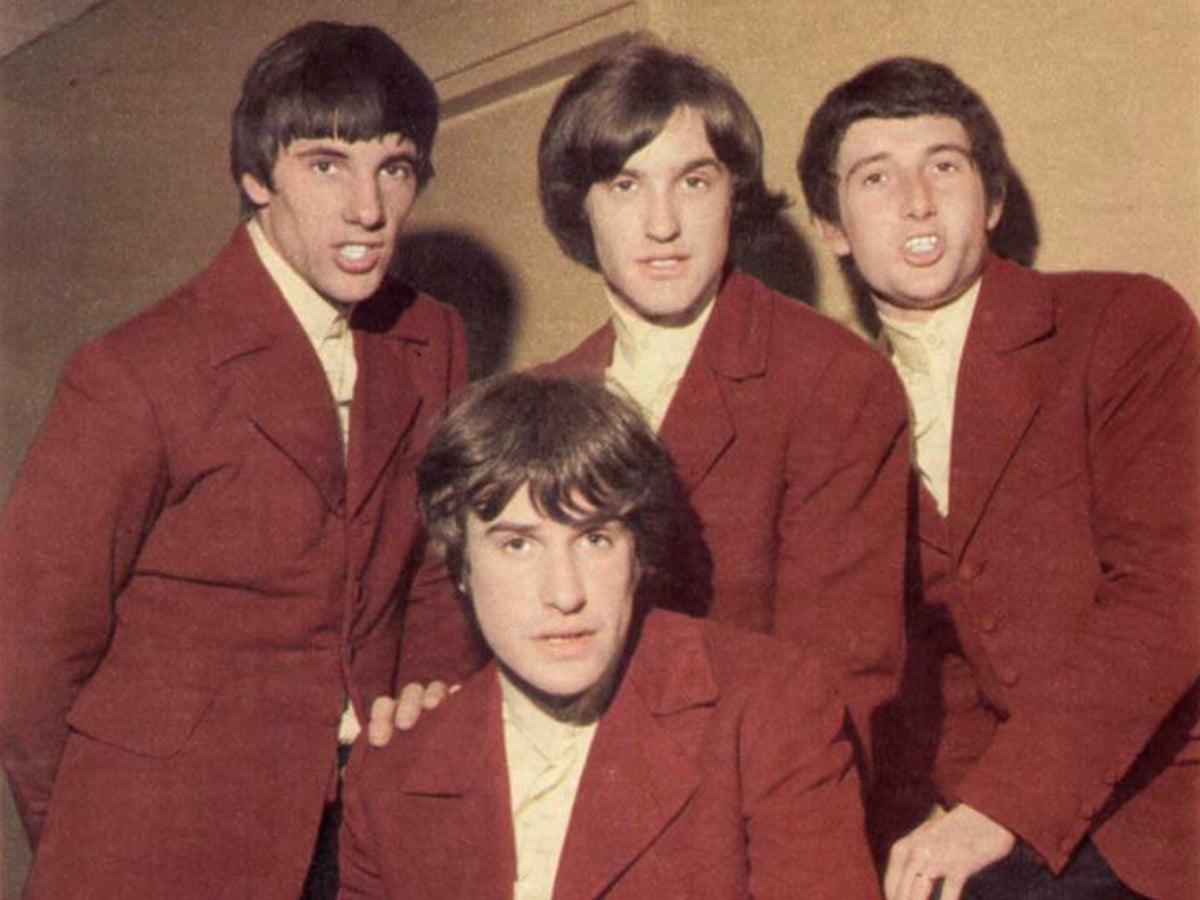
Unfortunately for The Kinks, it was likely their own wild antics which prevented them from being even more successful in America than they ever really were. The British invasion was in full swing when The Kinks first landed on American soil for an appearance on the TV show Hullabaloo in 1965.
At the time, the London four-piece had been riding a wave of success in the UK, starting with their late 1964 single ‘You Really Got Me’, which went all the way to number one in Great Britain before being picked up for distribution by Reprise Records in the States and rising into the top ten of the charts Stateside. The group saw similar success with their debut album and follow-up singles ‘All Day and All of the Night’ and ‘Tired of Waiting for You’, but on their first trip to America, that wave of success crashed down all around them.
Already a notoriously volatile band – the group had by now, and would continue to, been through their fair share of on-stage altercations – it seemed that a penchant for violence and rough and rowdy behaviour followed wherever they went.
Their 1965 United States tour was plagued by infighting between band members and near-constant feuding with concert promoter Betty Kaye. The group were known to take their frustrations at the business side of the show out on the stage, and so, out on the audience, either playing extremely short sets or else maddeningly and meanderingly long versions of individual songs, in protest of the conditions they were playing in. In more than one case, they refused to go on stage at all unless they were paid in advance for the performance.
Before the tour was out, Kaye had filed a formal complaint with the American Federation of Musicians union, which duly revoked the Kinks’ work permits, effectively banning them from performing again in the country.
The permits would not be reinstated for another four years, by which time the British invasion had receded into memory, the culture having moved on and meaning that The Kinks had missed out on access to the biggest market for their music at the height of its popularity.
That they had begun to break into the top ten with their singles shortly before their arrival indicates that there was a growing appetite for their music in America, but without being able to go and see the group in person, fans took their interests elsewhere. The Kinks would only return to the top ten of the Billboard Hot 100 two more times in their career, once in 1970 with ‘Lola’ and once in 1982 with ‘Come Dancing’. They would never in their career make it all the way to number one in the United States, though.
Related Topics