Two former U.S. Navy captains who admitted taking bribes as part of the “Fat Leonard” corruption scandal have lost their bids to have their felony convictions vacated in the wake of prosecutorial misconduct that tainted the late stages of the long-running case.
David Williams Haas and Jesús Vasquez Cantú, both of whom served time in federal prison for their roles in the Navy’s worst-ever bribery scandal, cited the government misconduct in seeking to have their felony convictions thrown out. They sought instead to be allowed to plead guilty to misdemeanor charges, as some others in the case had been allowed to do.
U.S. District Judge Janis Sammartino ruled Friday that the misconduct by prosecutors in the case, which the government has acknowledged occurred during a 2022 trial, happened long after both Haas and Cantú pleaded guilty and thus did not affect their pleas.
“Defendant fails to make any specific showing that his guilty plea was impacted by any of the misconduct or issues uncovered during the trial which took place more than four years after he pled guilty,” Sammartino wrote in her order denying Cantú’s motion.
The judge issued a nearly identical order denying Haas’ motion and denied both men a “certificate of appealability” that would allow them to appeal their cases to a federal circuit court, ruling they did not make “a substantial showing that (they have) been denied a constitutional right.”
Attorneys for Cantú and Haas did not respond to requests for comment, nor did the U.S. Attorney’s Office in San Diego, which had opposed both motions.
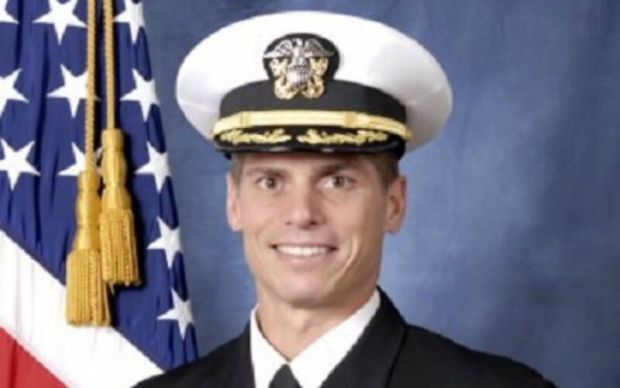
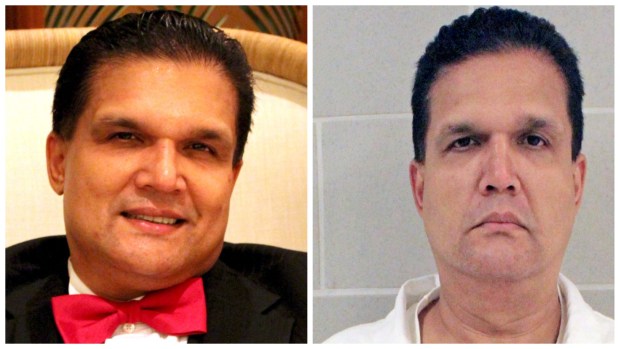
Haas and Cantú were among three dozen Navy officers and others charged with taking bribes from Leonard Glenn Francis, a Malaysian contractor known as Fat Leonard because of his enormous size. Francis spent decades bribing a rotating cast of officers from the Navy’s 7th Fleet in the Western Pacific with gourmet meals, five-star hotel rooms, premium liquor, prostitutes and cash.
Many of those officers, in turn, steered U.S. Navy ships to the Southeast Asian ports controlled by Francis and his company, Glenn Defense Marine Asia. Francis and GDMA then defrauded the U.S. government of at least $35 million by charging heavily inflated prices for routine services such as security, tugboats, trash removal, food and water replenishment.
Both Haas and Cantú admitted to accepting bribes from Francis while serving in leadership roles on the Blue Ridge, the 7th Fleet command ship from which Francis heavily recruited allies. Sammartino sentenced them in February 2023 to two years and six months each in prison.
Cantú admitted in his plea agreement that he accepted bribes — including dinners, drinks, hotels and sex with prostitutes — on at least eight occasions, and in return he supplied Francis with proprietary Navy information and advocated inside the Navy on behalf of GDMA. Haas admitted that while he was a captain on the Blue Ridge, he accepted bribes valued at nearly $91,000, including multiday parties in Indonesia and Tokyo, at least one of which included dinner, nightclub entertainment and the services of prostitutes. Haas admitted that in return, he used his influence to benefit GDMA, including ensuring that an aircraft carrier docked at one of Francis’ ports in Malaysia.
 A courtroom sketch of the sentencing hearing for Leonard Glenn Francis, aka “Fat Leonard,” on Nov. 5, 2024. From left are Assistant U.S. Attorneys Fred Sheppard and Mark Conover, U.S. District Judge Janis Sammartino, defense attorney William Douglas Sprague and Francis. (Krentz Johnson)
Later in 2023, the government’s case began to crack under the pressure of the prosecutorial misconduct that occurred during and after the case’s lone trial. Due to that misconduct, prosecutors dropped all charges against one defendant and allowed eight others who had pleaded guilty or been convicted of felony charges by a jury to instead plead guilty to misdemeanors.
Haas and Cantú filed motions in February arguing that they were similarly situated to those nine other Navy and Marine Corps officers, arguing the only difference was that they had already been sentenced. Their attorneys argued that Haas and Cantú received disproportionate sentences from those nine defendants, raising “significant questions about the selective application of justice” by federal prosecutors. They also argued that prosecutors should be made to provide discovery with specific details about the misconduct that occurred.
Sammartino in April denied Haas and Cantú’s discovery motions. In denying their other motions on Friday, the judge ruled against them both on the merits as well as on procedural grounds, finding that they waited too long to file their motions.
The judge ruled that both men “failed to demonstrate prejudice or that he is actually innocent” and that they failed to explain specifically how their guilty pleas were impacted by the misconduct that came to light years later.
As for Francis, the man at the center of the corruption scheme, he is appealing his 15-year sentence to the 9th U.S. Circuit Court of Appeals. Oral arguments in that appeal are set for Wednesday.