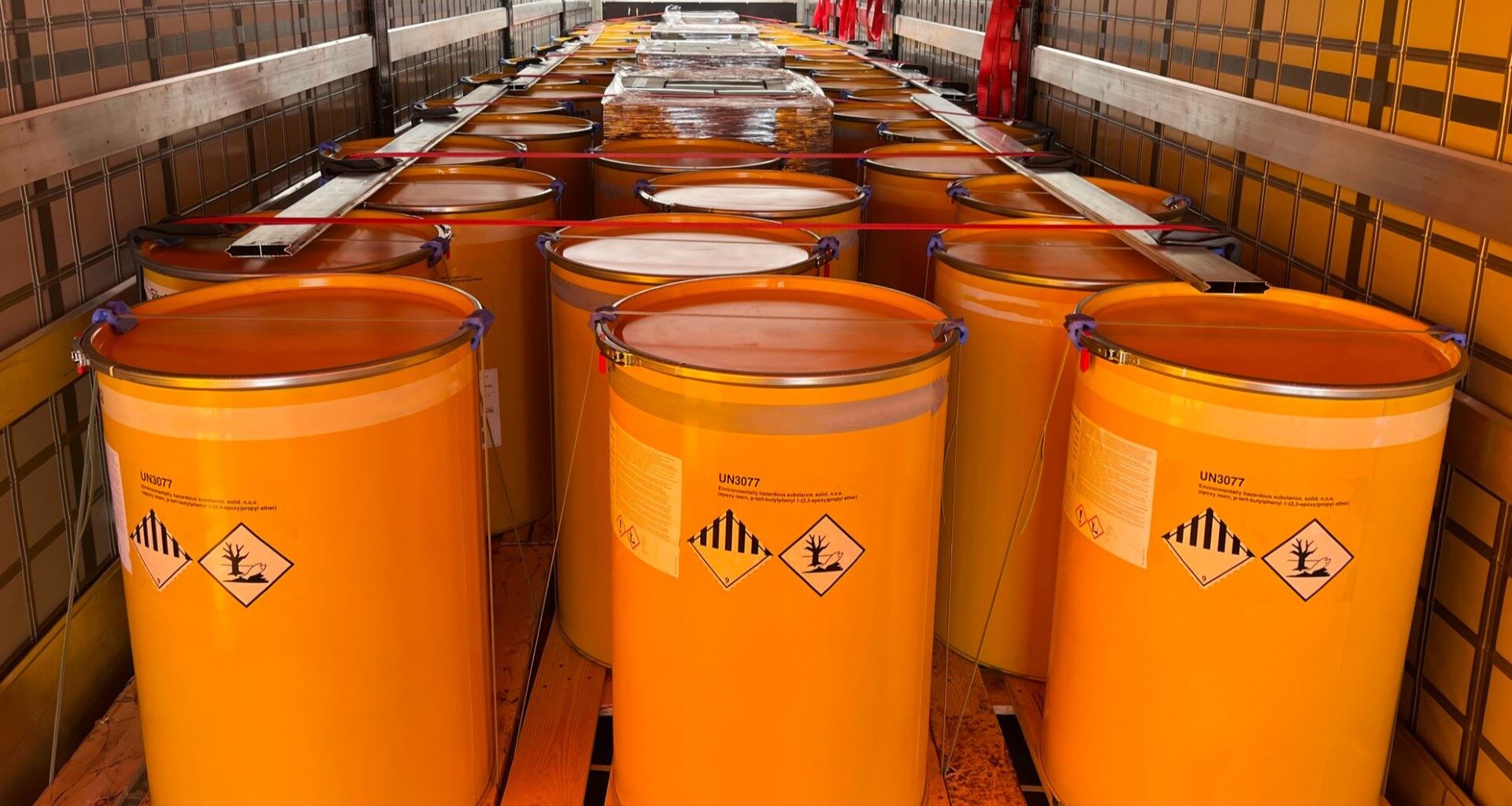
Transporting toxic nuclear waste is a tricky business, especially if it involves crossing borders and potential threats to public safety.
EnergySolutions, an international nuclear services company, wants to import over a million cubic yards of radioactive waste from Canada to a disposal site in Utah, according to a report by Utah News Dispatch.
The waste is classified as the least hazardous level, and it includes things like gear worn by workers who handled radioactive materials. The site in Utah, around an hour away from Salt Lake City, has been processing waste like this for more than 30 years.
But even a low risk is still dangerous, and advocacy groups have been pushing back on this proposal. The Healthy Environment Alliance of Utah is questioning EnergySolutions’ public safety plan for the waste transfer, which will be transported by train.
“Any level of radiation can be harmful to humans,” said Carmen Valdez, senior policy associate at the organization, per Utah News Dispatch.
“There is no safe level, frankly. And our concern is the lack of public transparency from the company in bringing in international waste, which can lead to international security issues.”
TCD Picks » Upway Spotlight
💡Upway makes it easy to find discounts of up to 60% on premium e-bike brands
However, there are some bureaucratic discrepancies to be ironed out before the waste makes the journey south. It’s unclear whether it would be classified according to U.S. or Canadian standards, as only Class A waste can be processed at the Utah facility.
A change in Utah legislation also now includes depleted uranium under the Class A category, which would permit the material to be sent to that site.
EnergySolutions is still waiting on approval from the NorthWest Interstate Compact, a panel representing eight states that oversees low-level radioactive waste management.
The use of nuclear energy and the management of its resulting radioactive waste are complex issues that local governments are still working out.
TCD Picks » Stasher Spotlight
💡Stasher’s reusable food storage options make it easy and affordable to live life with less plastic
Nuclear power is able to produce low-carbon electricity, and this can support energy security and the clean energy transition. But it has drawbacks, too, like the health risks from radioactive waste, general safety concerns, and high upfront costs.
“The governor is in favor, the Legislature is in favor, and they want this to happen,” said Valdez, per Utah News Dispatch. “But there’s no talk about the general public and if they want this waste coming into our country and into our state too.”
Get TCD’s free newsletters for easy tips to save more, waste less, and make smarter choices — and earn up to $5,000 toward clean upgrades in TCD’s exclusive Rewards Club.
