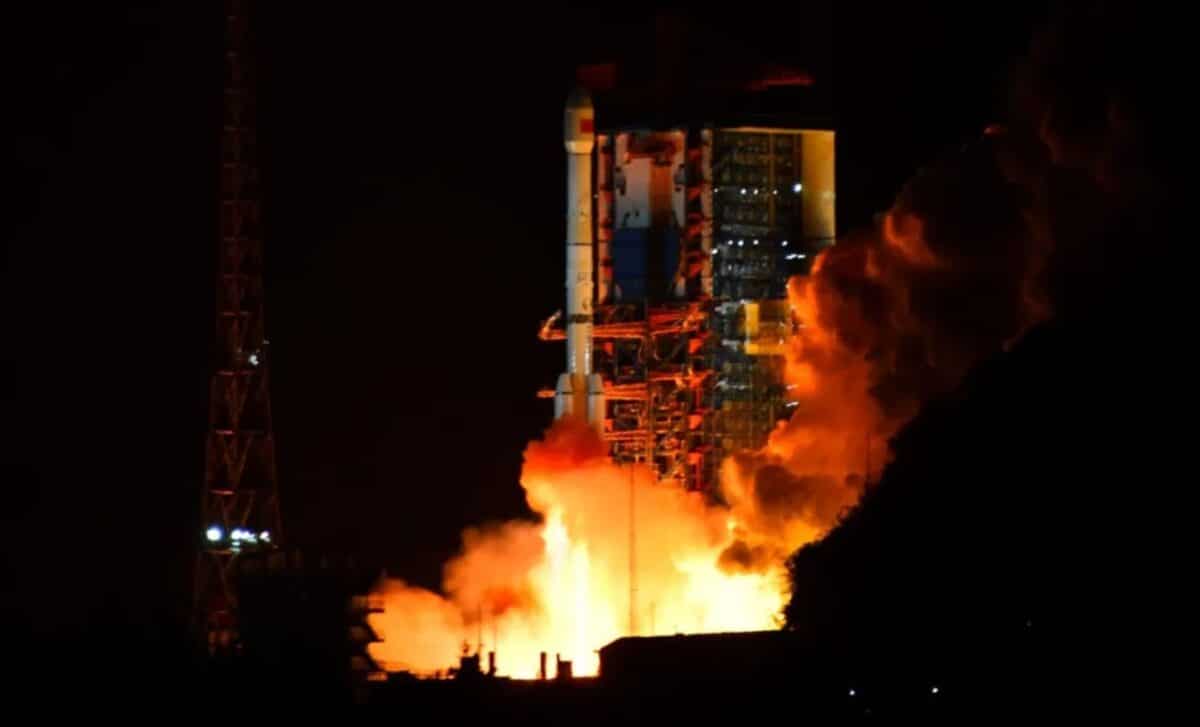
China successfully launched three Long March rockets within a 19-hour period, breaking its own record for the most launches in such a short time. The historic sequence of missions, which took place between December 8 and December 9, 2025.
The three launches, which occurred across three different launch centers, included both commercial and classified payloads, underscoring the breadth of China’s space ambitions. According to the China Aerospace Science and Technology Corporation (CASC), the successful launches mark a new chapter in the country’s space endeavors.
A Rapid-Fire Launch Sequence
The first launch of the three took place on December 8, 2025, at 5:11 p.m. EST, when a Long March 6A rocket launched from the Taiyuan Satellite Launch Center in northern China. The rocket carried a batch of broadband satellites designed to enhance China’s Guowang megaconstellation, a project aimed at improving global internet access. The deployment of these satellites marks a significant step in China’s plan to build a comprehensive satellite network for telecommunications.
Later that night, at 10:41 p.m. EST, a Long March 4B rocket launched from the Jiuquan Satellite Launch Center in the Gobi Desert. This mission carried the Yaogan 47 satellite, a classified military payload. Although details about the satellite remain undisclosed, it is believed to serve country’s military purposes.
The third and final launch took place on December 9, 2025, at 10:08 a.m. EST when a Long March 3B rocket lifted off from Xichang Satellite Launch Center in western China. This mission delivered the TJSW-22 satellite, another classified payload. Like the Yaogan 47, the TJSW-22 satellite’s specific function remains a closely guarded secret, but it is expected to contribute to China’s military and intelligence-gathering capabilities.Based on a statement published by the China Aerospace Science and Technology Corporation (CASC), all three launches were successful.
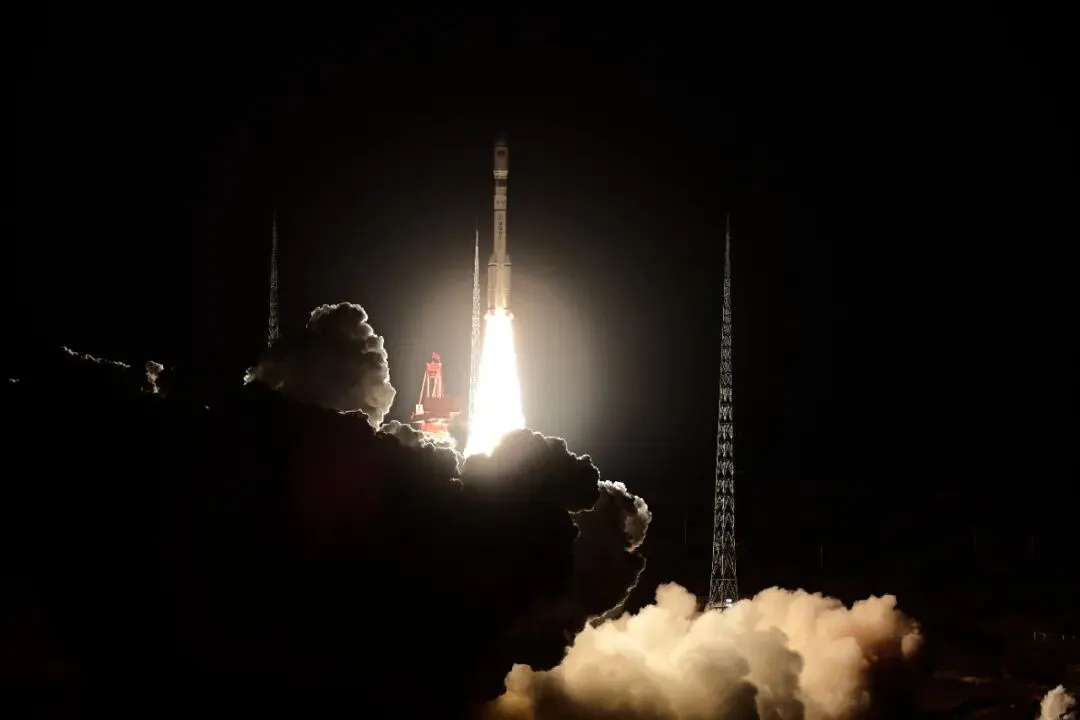 The Long March 6A rocket successfully launched 15 satellites. Credit: Wu Jingbo
China’s Growing Space Program
This trio of launches demonstrates the growing sophistication and frequency of China’s space missions. As stated by the release, the triple launch was the first time in the organization’s history that it had successfully launched three rockets in a single calendar day.
China’s space program has evolved rapidly over the last decade, with the country making significant strides in launching satellites, building its own space station, and advancing its rocket technology. The country’s ability to launch multiple missions within such a compressed timeframe reflects its growing competence in space operations.
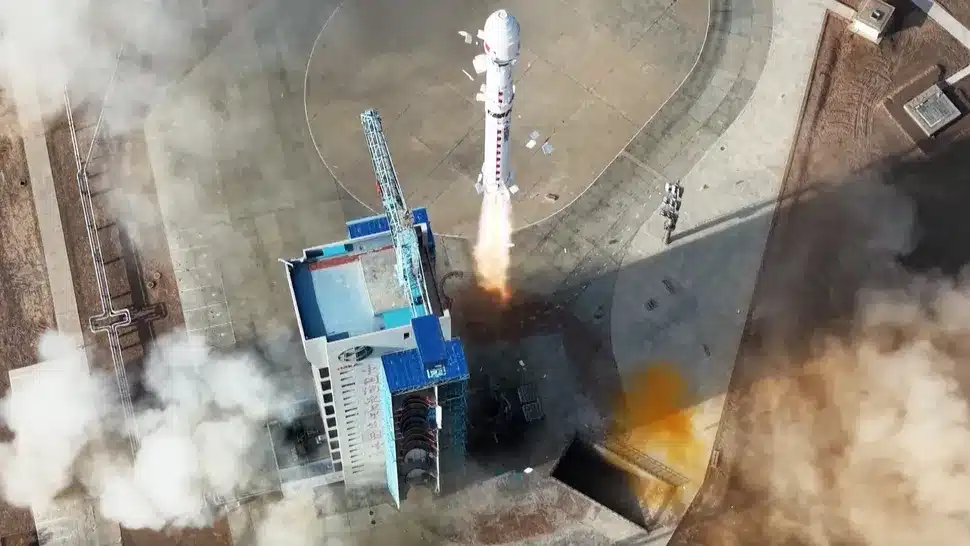 The Long March 4B rocket from China successfully launched the Yaogan 47 satellite into space from the Jiuquan Satellite Launch Center. Credit: CCTV
Space Dominance: A Strategic Lever for Armed Forces
Two of the three rockets launched during this historic sequence carried classified military satellites, underscoring the strategic importance of space for national defense. Both the Yaogan 47 and TJSW-22 satellites are believed to be involved in military reconnaissance and intelligence gathering.
China’s focus on deploying advanced military satellites aligns with its broader strategy to bolster its defense capabilities. As geopolitical tensions rise, the role of space-based assets in military operations becomes ever more important. China’s commitment to advancing its military space program reflects the growing role of space in global power dynamics, particularly in areas such as communications, intelligence, and surveillance.