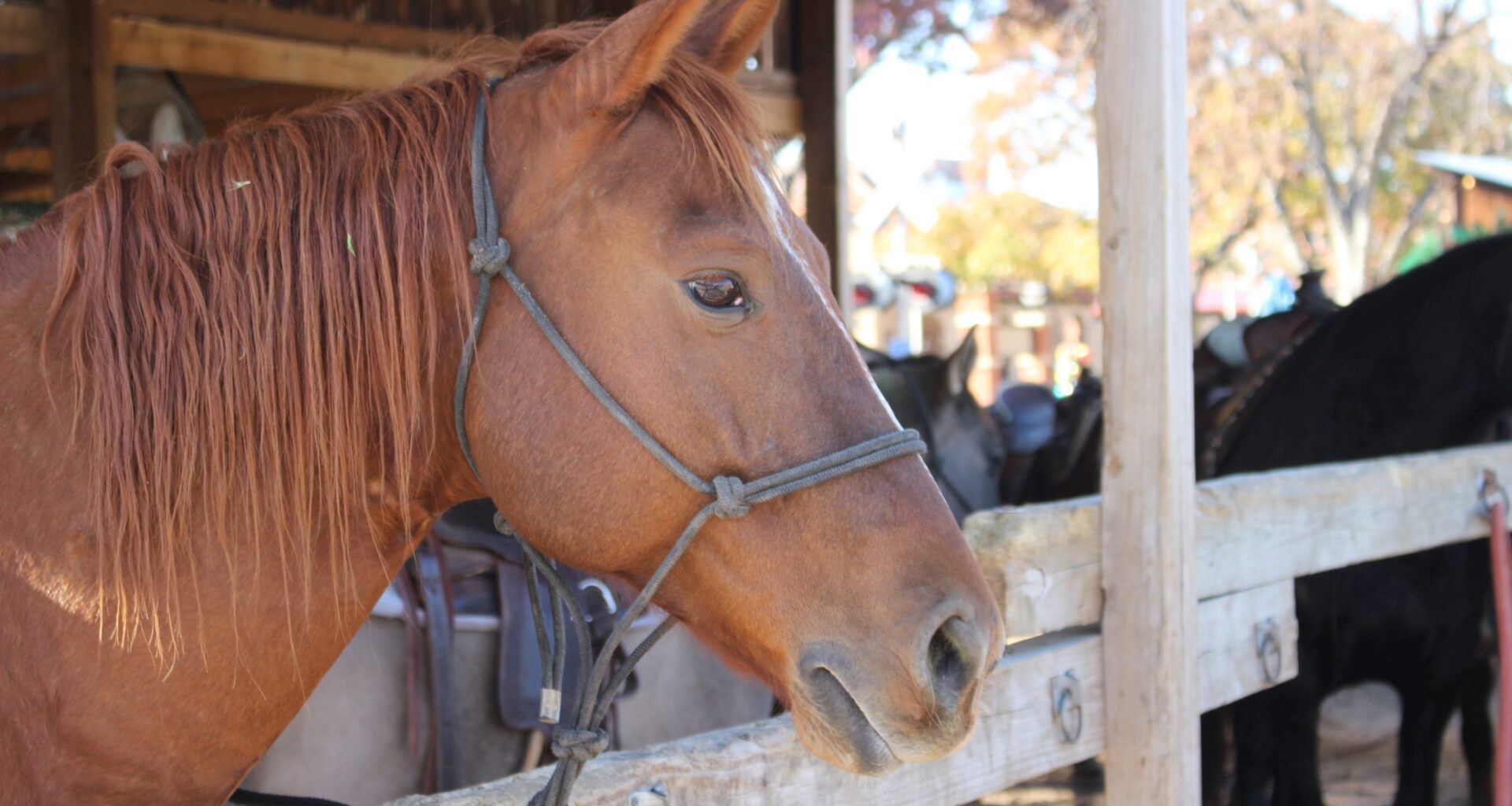
The outbreak of a neurological disease linked to equine herpes virus appears to have passed, the state’s agricultural commissioner said.
“We’ve passed the tipping point,” Sid Miller, the Texas agriculture commissioner, said in an interview last week. “There’s no new cases for a couple of weeks.”
But Miller advised against being complacent, saying those in the industry should observe strong practices for common sense, including cleaning feed and water troughs.
“I bleach down my stalls when I go to a new event,” he said. “Be careful about isolating new horses that come into your stable for a few weeks before they go mingle. We still need to be diligent and use good cowboy logic when it comes to protecting the horses.”
The outbreak originated Nov. 5-9 at the Women’s Professional Rodeo Association World Finals and Elite Barrel Race in Waco.
The outbreak disrupted equine events, with numerous postponements.
The Fort Worth Stock Show & Rodeo, whose big annual run starts in January, said it is “closely monitoring” the situation.
“Working alongside (the Texas Animal Health Commission), the Will Rogers Memorial Center and Dickies Arena, FWSSR establishes stringent rules and regulations as well as sanitary protocols and procedures regarding livestock, horses and poultry that are exhibited and compete at the Fort Worth Stock Show & Rodeo each year,” the stock show said in a statement.
The stock show will remain in close communication with the state agency and various equine association officials to lessen risks for the horse, the statement continued.
The Equine Disease Communication Center in Lexington, Kentucky, has recorded cases of equine herpesvirus myeloencephalopathy in six states, with the largest number in Texas. Not all of the cases are connected to the Waco event, the center says in updated data on its web site.
The Texas Animal Health Commission is responsible for collecting reports on such outbreaks and reporting them to the center. Spokespeople for the Texas agency did not respond to requests from the Report for an interview or to emailed questions, including when the last reported cases occurred.
The virus most commonly causes respiratory disease, but some strains cause neurological disease, the center says on its site. Neurological symptoms occur from lack of blood flow and resulting damage to the brain or spinal cord, the center says.
According to the site, Texas has experienced 30 confirmed cases of the horse virus with neurologic signs.
“Classic clinical signs of (the virus) include fever, swelling/stocking up of the limbs, hindlimb weakness, and urine dribbling,” the center said. “Some horses are more severely affected and display behavior changes, signs of cranial nerve dysfunction, seizures, and inability to stand.”
The outbreak is serious, but the majority of cases aren’t fatal, the center said. “In most outbreaks … 60-70% of affected horses recover with treatment and supportive care.”
Other states that have seen confirmed cases are Oklahoma, Louisiana, South Dakota, Colorado and New Mexico. Oklahoma’s nine cases make up the largest number of cases outside Texas, the center said. It’s not clear how many of the cases outside Texas are connected to the Waco event.
The Animal Health Commission, on its site, advises owners of horses that may have been exposed to the virus to take precautions:
- Clean and disinfect tack, boots, equipment and grooming supplies.
- Isolate the horses that attended the event for at least two weeks.
- Monitor the temperature of returning horses twice daily for at least 14 days after the last known exposure. If a fever of 102.5 degrees or higher develops, contact a veterinarian.
- When doing feeding and chores, work with the returning horses last, wear boots and coveralls, and remove them before working with your other horses.
- Wash your hands.
- Submit laboratory samples for horses displaying clinical symptoms to the Texas A&M Veterinary Medical Diagnostic Laboratory or other accredited laboratory.
This <a target=”_blank” href=”https://fortworthreport.org/2025/12/14/horse-virus-outbreak-wanes-but-precautions-still-urged/”>article</a> first appeared on <a target=”_blank” href=”https://fortworthreport.org”>Fort Worth Report</a> and is republished here under a <a target=”_blank” href=”https://creativecommons.org/licenses/by-nd/4.0/”>Creative Commons Attribution-NoDerivatives 4.0 International License</a>.<img src=”https://i0.wp.com/fortworthreport.org/wp-content/uploads/2021/04/cropped-favicon.png?resize=150%2C150&quality=80&ssl=1″ style=”width:1em;height:1em;margin-left:10px;”>
<img id=”republication-tracker-tool-source” src=”https://fortworthreport.org/?republication-pixel=true&post=326025&ga4=2820184429″ style=”width:1px;height:1px;”><script> PARSELY = { autotrack: false, onload: function() { PARSELY.beacon.trackPageView({ url: “https://fortworthreport.org/2025/12/14/horse-virus-outbreak-wanes-but-precautions-still-urged/”, urlref: window.location.href }); } } </script> <script id=”parsely-cfg” src=”//cdn.parsely.com/keys/fortworthreport.org/p.js”></script>