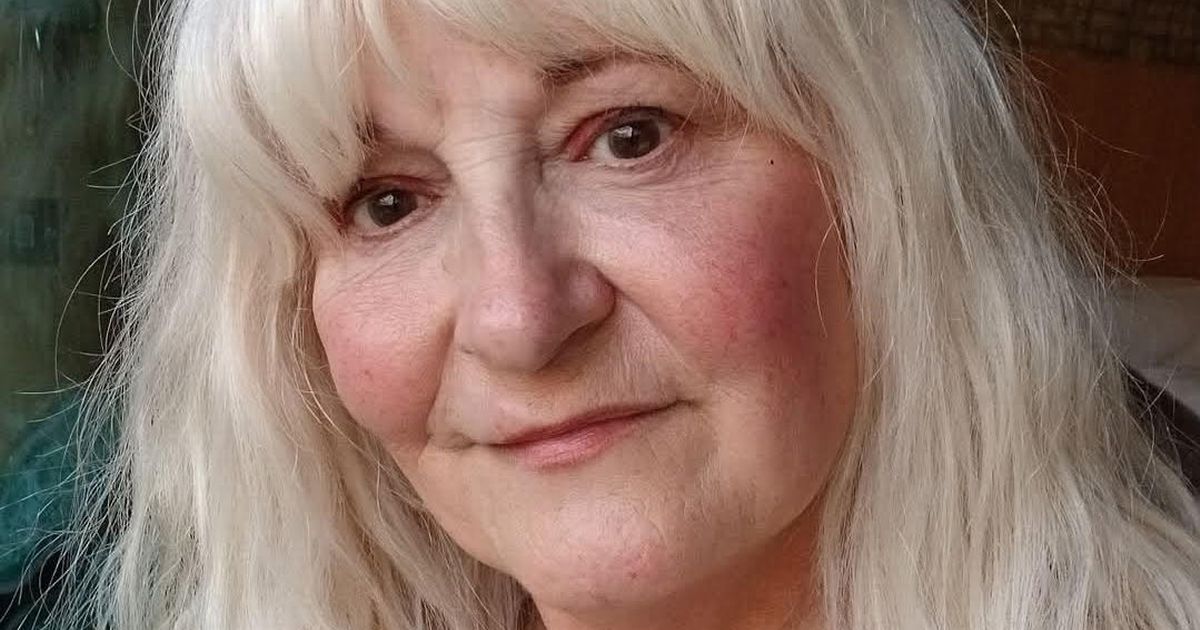
Emma was diagnosed the pills for her depression, anxiety and night terrors – but they come at a costNeil Shaw Assistant Editor (Money and Lifestyle)
08:31, 15 Dec 2025Updated 08:36, 15 Dec 2025
 Emma Parsons-Reid has explained the side effects (Cover Images)
A woman who found herself waking, terrified, at 3am every morning unable to get back to sleep says one pill has helped – but comes at a cost. Emma Parsons-Reid, 58, had been waking every morning gripped with terror and feeling anxious and fearful for the future.
She was juggling a mother with advanced dementia, family relationship problems, a 91-year-old dad who recently passed away and a husband with stage-4 cancer. Emma, from Cardiff, said: “The terror, waking up at three in the morning…I could be awake for hours, and immediately my head would go to something awful and dark. The doctor suggested sertraline and I agreed.”
Emma had taken antidepressants previously when her marriage broke down two decades ago. She married in April 1996, but by October, her husband had walked out. She remembers him telling her: “I’m going. I don’t want to stay married to you anymore” as she was laying out clothes to dry on the radiator. “I remember literally trying to hold on to his ankles and crying: ‘Why? Why are you going?’”
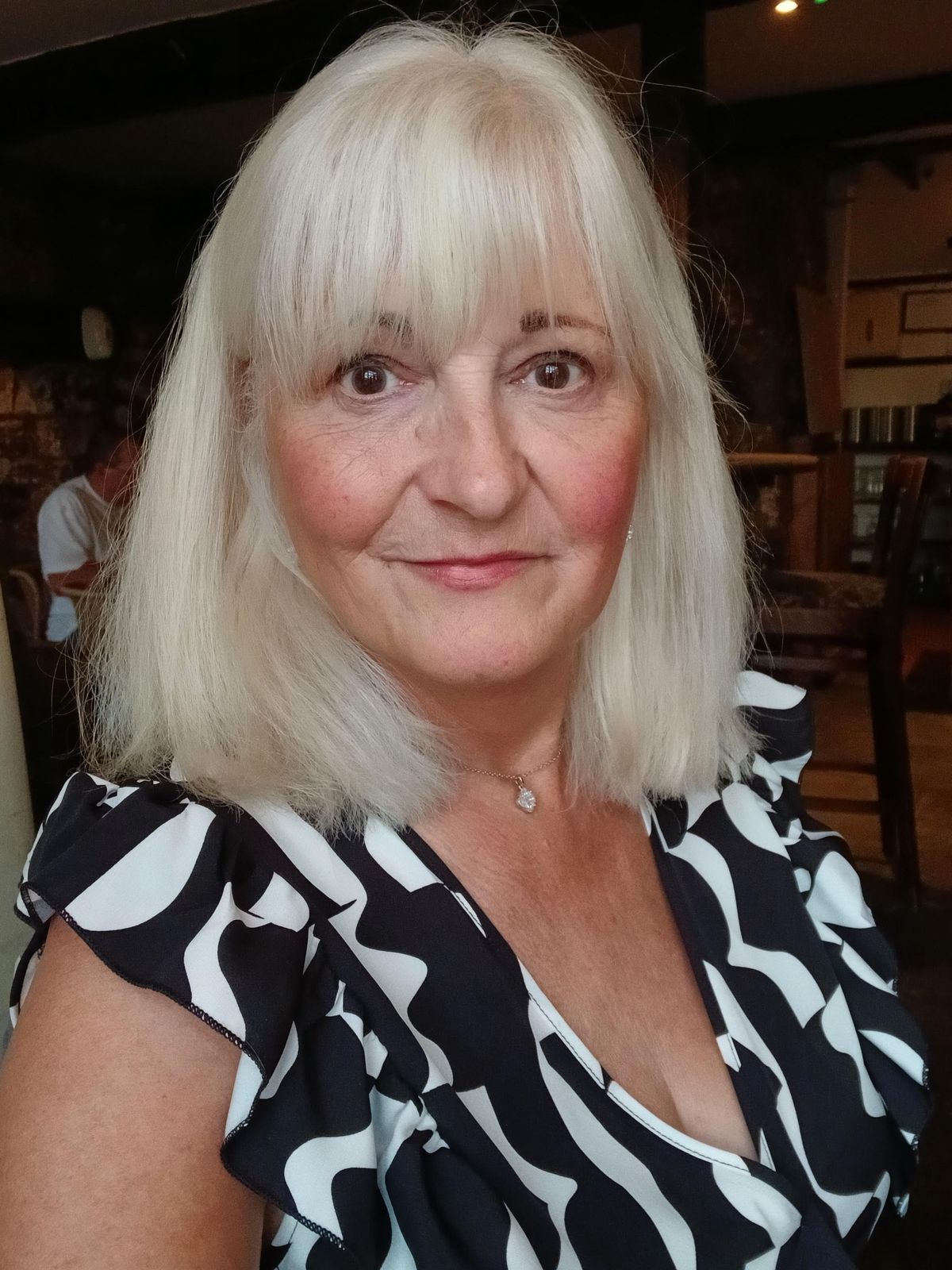 Emma says it is about balance (Cover Images)
He left immediately and she found herself alone with her young daughter in his military accommodation where she was no longer entitled to live. She spiralled into agoraphobia and separation anxiety as she urgently sought a new home.
“I couldn’t breathe. I realise now I was hyperventilating. I couldn’t relax to take a deep breath. I just became scared everywhere. It changed me forever. I knew I would never be the same again,” she said. The prescription antidepressant Paroxetine helped her steady, but it had side effects, the most notable being sexual. Emma moved on and met someone else, but the pills deadened sensation.
“I was quite numb downstairs, like being on a bike all day. You can’t feel anything. It was like going through the motions”, she says.
New research has found more than half of anti-depressant users experience sexual dysfunction, with millions of British experiencing low libido and lack of pleasure. 40% are having less sex.
Although these are common side effects, it is not well known that these medications can cause sexual problems, and users often don’t feel comfortable talking about the subject with their friends, family or their GP. Roughly one in six adults in England are currently taking prescribed antidepressants, which equates to more than 4.6 million people experiencing reduced sexual desire as part of their treatment.
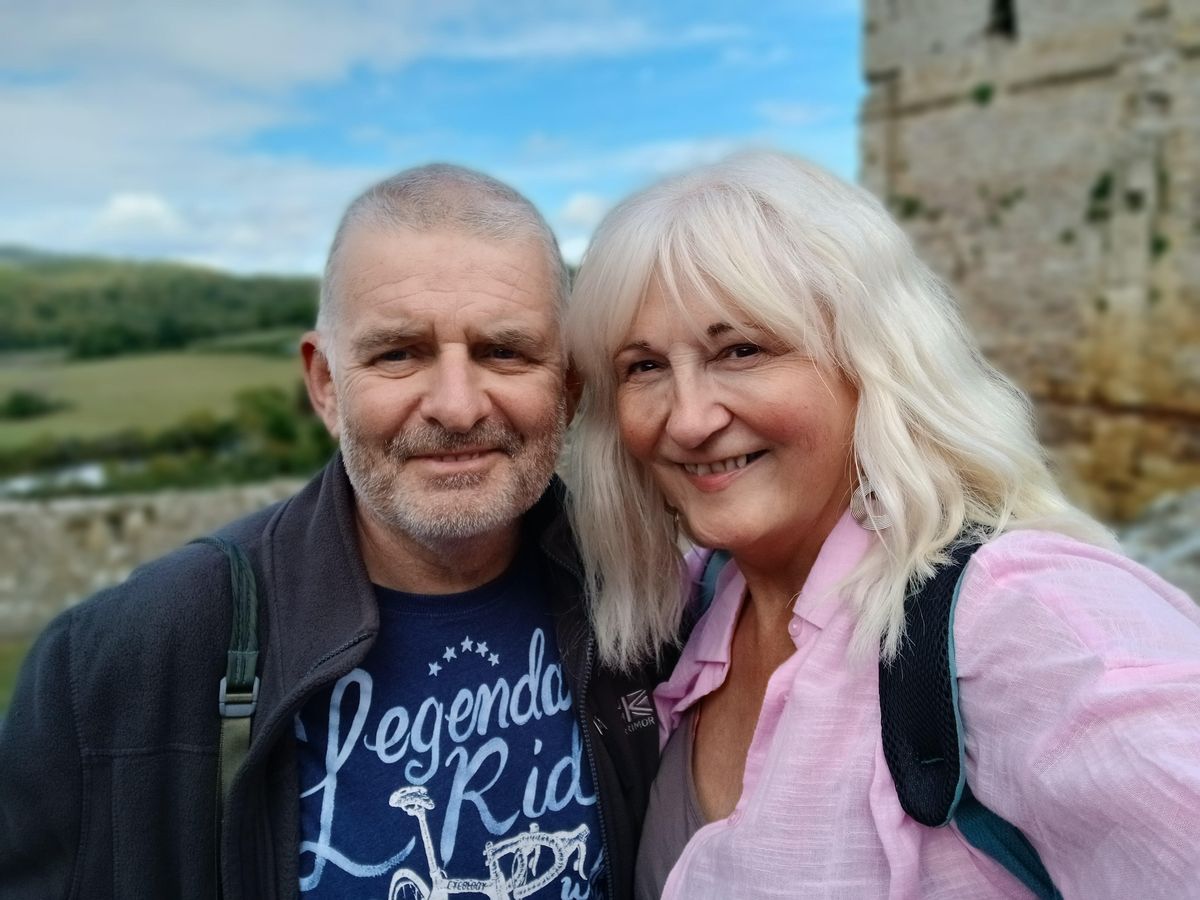 Kevin is Emma’s soul mate (Cover Images)
Emma has teamed up with Lovehoney to share her account and encourage others to understand that the sexual side effects don’t have to ruin your love life. In 2002, she met her current husband Kevin, a calm, kind presence she calls her ‘anchor’. They married, built a home and with distance Emma could see that survival had made her stronger.
But now, facing his illness, she knows she has to rely on the medication for help, and she is grateful for it. Anti-depressants make the difference between coping and unravelling, she explains. “The medication has given me hope that I can get through this period,” she said.
The change is visible in small ways. “I decided I’m gonna buy myself a new car,” she said, amused by her own decisiveness. She is seeing friends again, organising a neighbours’ Christmas meal, pushing herself out of the house.
“I feel empowered,” she says. “I’ve got to look after me.” Medication has also changed the weather at home. Kevin needs steadiness as he undergoes treatment and Emma wants to be present for him.
“It is better for both of us,” she says. “He benefits from me being on them because he can see already that I’m feeling better. And there is something about sex, especially when there’s so much death around you, that makes you feel alive. You’ve just got to keep going.
“We are sexually active. My husband is my soulmate. I just want to be close to him,” she explains.
It is a trade off, but one she is happy to make. “Because you need to keep getting up every day. If you keep running on empty, you’re not going to be around to have sex.”
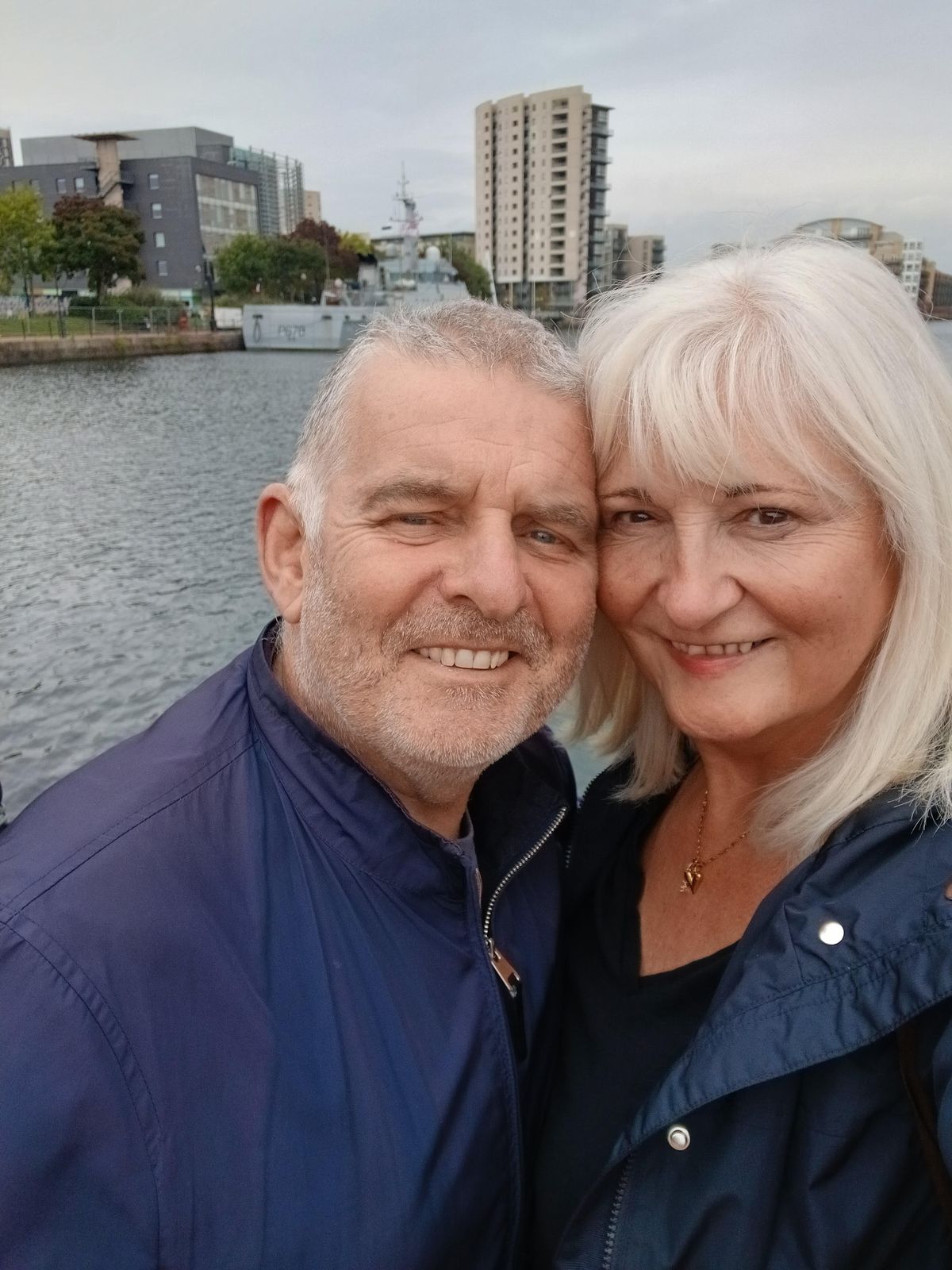 Kevin and Emma (Cover Images)
If someone is hesitating, worried about libido or side effects, Emma offers some practical advice: “You just have to balance,” she says. “I only take a low dose – enough to keep me from cracking up. I want to feel normal sexually and I want to still have emotion.
“I know I’ve got to look after me and do what I need.”
Lovehoney has teamed up with GP and sexual function expert, Dr Anand Patel, to highlight the hidden side effects and how to deal with them. Dr Patel says sexual side effects are well-known but rarely discussed openly: “Antidepressants work by boosting serotonin levels, which can help lift mood and ease anxiety. But serotonin can also slow down the brain’s arousal and reward systems, meaning reduced desire, dulled pleasure and delayed orgasm.
“The good news is that for most people, these effects are temporary and manageable. With the right medical support – such as dose adjustments, medication changes or therapy – sexual wellbeing can absolutely be restored. No one should feel embarrassed bringing this up with their doctor. A simple conversation can make a big difference.”
Dr Anand said don’t be afraid to have a conversation with your doctor. Remember that this is common. You can simply say: “I’ve noticed some changes in my sex drive since starting this medication, is that something we can talk about?”
Know what questions to ask your healthcare provider if you are being prescribed anti-depressants. Questions like: “How likely is this medication to affect my sex drive?”, “Are there alternatives?”, and “If I notice changes, what should I do?” are completely valid.
Regular exercise, good sleep, stress management, mindfulness and relationship therapy can all help improve libido while continuing antidepressant treatment for those looking at lifestyle changes first.