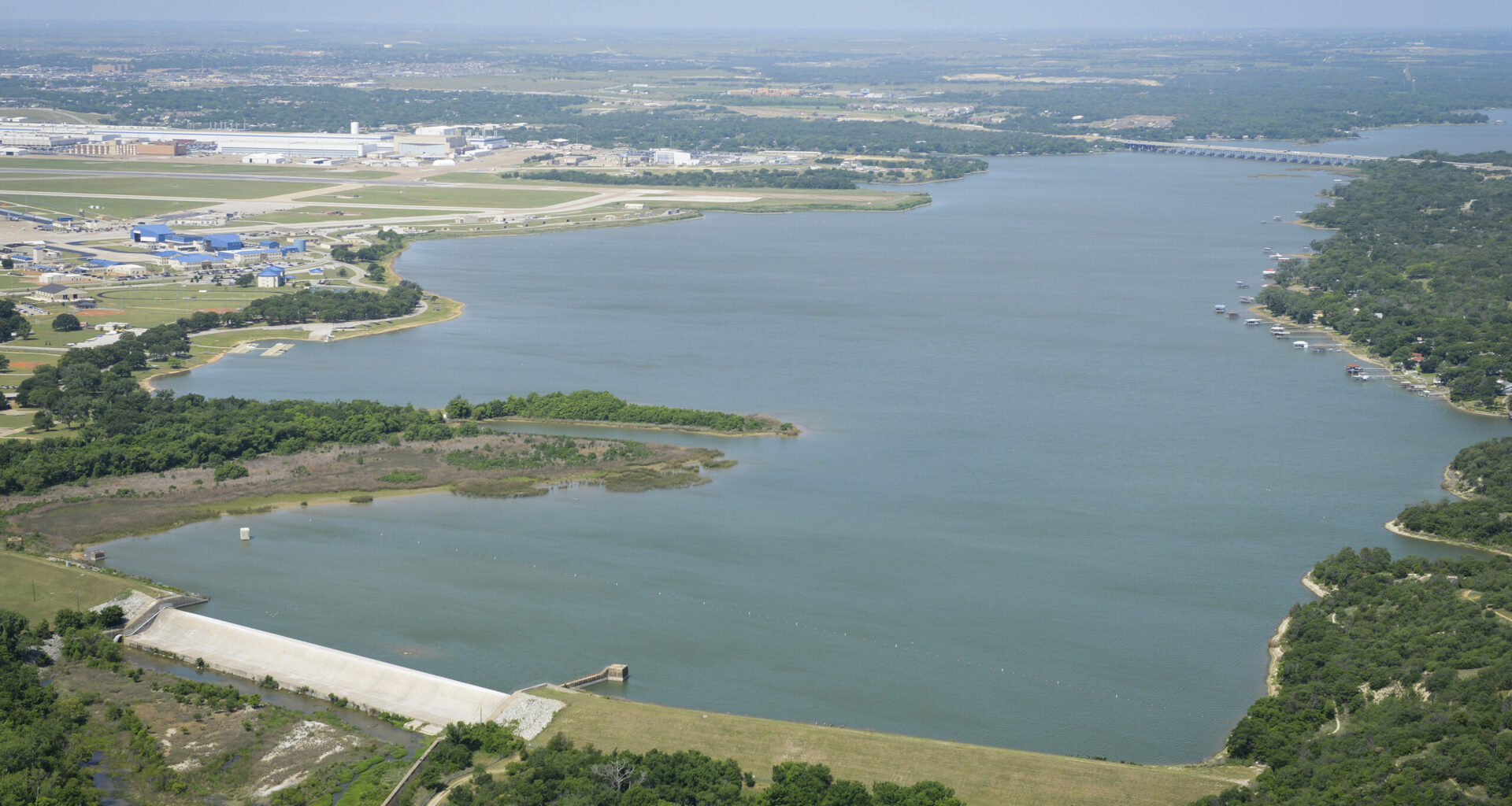
Fort Worth will receive $351 million in federal environmental funds to produce more treated water and to push recycling projects forward as booming growth and population prompts the need for more resources.
A $347 loan from the Environmental Protection Agency’s Water Infrastructure Finance and Innovation Act program will fund the construction of the Mary’s Creek Water Reclamation Facility in west Fort Worth, agency officials announced in a Dec. 15 news release.
That water treatment plant, a joint project between the Fort Worth water utility and the Tarrant Regional Water District, is slated to operate by summer 2028 and aims to “significantly increase” Fort Worth’s water system, the city’s website reads.
That will mean providing more water for industrial and irrigation uses, according to the release.
The Village Creek treatment plant in far east Fort Worth provides water for most of the city’s service area, producing about 166 million gallons of treated water a day. The Mary’s Creek facility will begin with producing 10 million gallons per day with a maximum potential expansion of up to 25 million gallons.
The loan comes as Fort Worth and Tarrant County officials regularly stress the need for additional resources and expanded water treatment facilities.
Major new developments — such as new data centers, golf courses and new housing to keep up with population growth — are driving most of Fort Worth’s water demands, area leaders have told the Report.
Earlier this year, water utility director Chris Harder presented to council members a proposal to expand Fort Worth’s westside water treatment plant and transmission lines to produce up to 40 million gallons a day, up from the current production of 18 million gallons.
In August, council members approved $180 million for expanding the Eagle Mountain Water Treatment Plant in far north Fort Worth. Improvements to that facility will add 35 million gallons of water per day by 2028.
Investments in Fort Worth’s water supply system will allow officials to serve residents and customers through the next 20 years, Harder said in February.
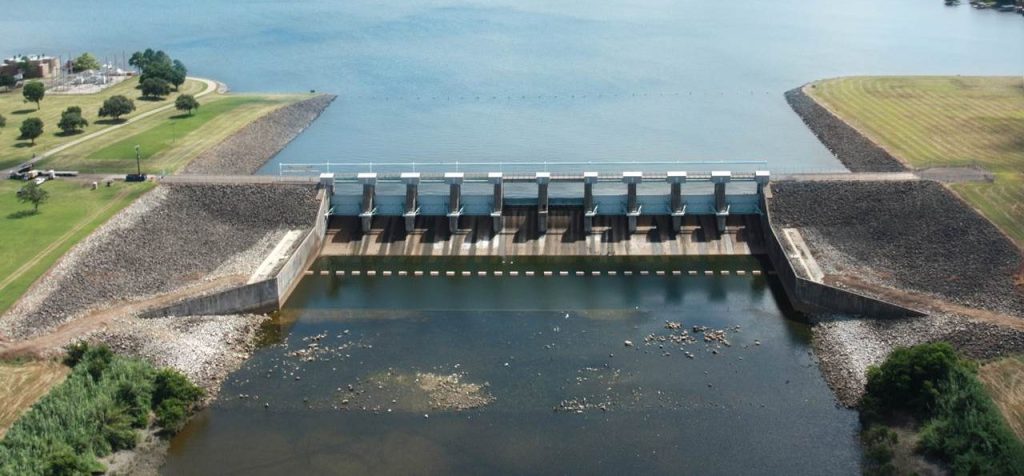 The Cedar Creek Reservoir, located southeast of Dallas and operated by the Tarrant Regional Water District, is one of the major drinking water sources for the Fort Worth area. The water district is designing the Marty Leonard wetlands at the reservoir. (Courtesy image | Tarrant Regional Water District)
At the Tarrant Regional Water District, officials have said they’re focused on securing new resources as Tarrant County, one of the 11 counties it serves, is expected to reach 3.4 million residents by 2080.
Usually met with opposition, large reservoirs are North Texas’ most viable options to help the area tap billions of gallons of water over the next few decades, water district officials have said.
As part of the $351 million, Fort Worth was awarded a $4 million grant from the EPA’s Solid Waste Infrastructure for Recycling (SWIFR) grant program. The funds will go toward the city’s project focused on collecting and recycling large waste such as appliances, construction materials, furniture and electronics, according to the release.
The funds are a major investment for residents and “reinforce our commitment to delivering high-quality, cost-effective services as Fort Worth continues to grow,” Mayor Mattie Parker said in the release.
City spokespersons did not immediately respond to the Report’s request for comment.
Fort Worth reached 1 million residents this year.
City officials are working on updating its long-term waste plan and identifying solutions, environmental services director Cody Whittenburg said in September. Those plans come as the city’s only landfill, just outside Kennedale, is estimated to max out in about a decade, almost 30 years earlier than expected.
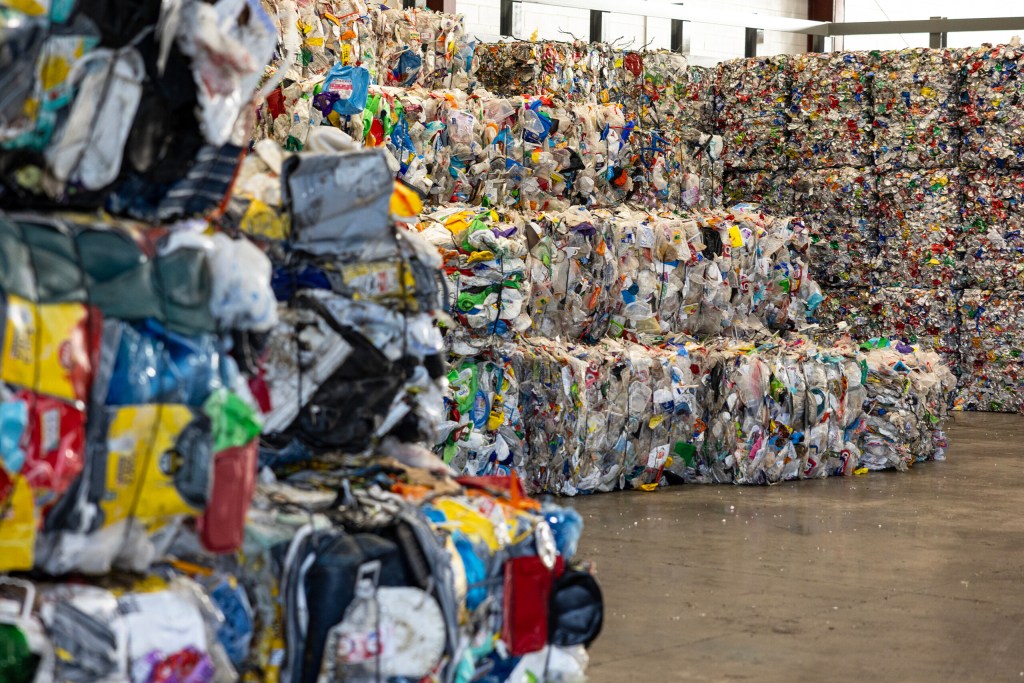 Recyclable materials sorted at the south Fort Worth WM recycling facility, pictured Oct. 28, are compacted. (Maria Crane | Fort Worth Report/CatchLight Local/Report for America)
Fort Worth is at the liberty of transporting waste to two other landfills serving the western region of North Texas, with one located in Arlington and the other in Alvarado in Johnson County. However, longer commutes to landfills lead to increased costs.
Additionally, obtaining a permit for another landfill is not feasible. Securing a permit requires an average of 15 to 20 years due to the time and costs that go into engineering and soil studies, identifying an adequate site and design and construction.
Fort Worth staffers aim to relieve its waste stream and looming landfill expiration primarily through recycling.
That includes its newest and only recycling center that opened in October, designed to process 144,000 tons of recyclable waste a year.
As of Oct. 14, Fort Worth generated 374,000 tons of waste in 2025, Whittenburg told council members that month. About 18% of that waste could be recycled, diverting less trash from the Fort Worth landfill, he said.
City staffers will provide Fort Worth leaders with an updated waste plan by early next year, Whittenburg said.
Nicole Lopez is the environment reporter for the Fort Worth Report. Contact her at nicole.lopez@fortworthreport.org.
At the Fort Worth Report, news decisions are made independently of our board members and financial supporters. Read more about our editorial independence policy here.
This <a target=”_blank” href=”https://fortworthreport.org/2025/12/15/soaring-water-demand-increasing-trash-prompt-350m-award-heres-how-it-helps-fort-worth/”>article</a> first appeared on <a target=”_blank” href=”https://fortworthreport.org”>Fort Worth Report</a> and is republished here under a <a target=”_blank” href=”https://creativecommons.org/licenses/by-nd/4.0/”>Creative Commons Attribution-NoDerivatives 4.0 International License</a>.<img src=”https://i0.wp.com/fortworthreport.org/wp-content/uploads/2021/04/cropped-favicon.png?resize=150%2C150&quality=80&ssl=1″ style=”width:1em;height:1em;margin-left:10px;”>
<img id=”republication-tracker-tool-source” src=”https://fortworthreport.org/?republication-pixel=true&post=329964&ga4=2820184429″ style=”width:1px;height:1px;”><script> PARSELY = { autotrack: false, onload: function() { PARSELY.beacon.trackPageView({ url: “https://fortworthreport.org/2025/12/15/soaring-water-demand-increasing-trash-prompt-350m-award-heres-how-it-helps-fort-worth/”, urlref: window.location.href }); } } </script> <script id=”parsely-cfg” src=”//cdn.parsely.com/keys/fortworthreport.org/p.js”></script>