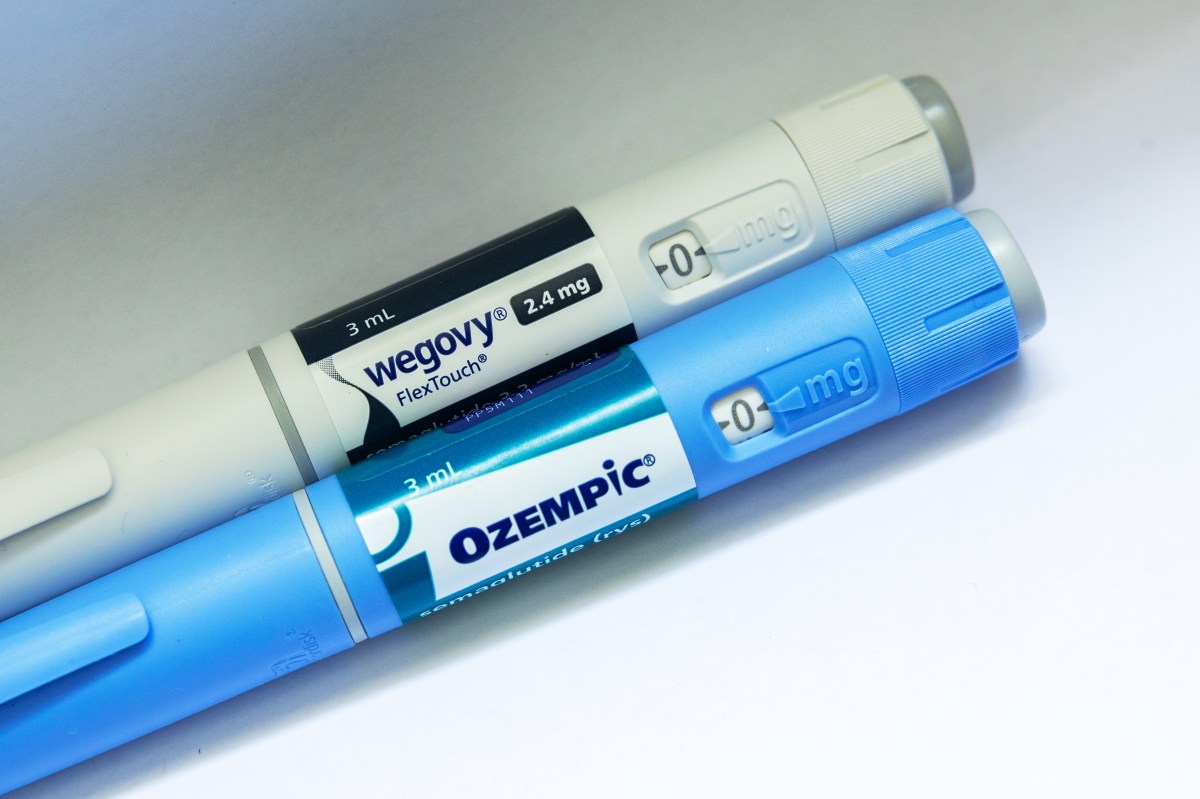
Several common drugs will be cheaper next year under Medicare, from weight-loss drug Ozempic to breast-cancer medication Ibrance, according to the Centers for Medicare & Medicaid Services (CMS).
The Trump administration approved the lower prices for 15 widely used Medicare-covered drugs for next year. Total spending on the drugs should drop by 44 percent, or about $12 billion, CMS officials said.
Why It Matters
The price reductions could dramatically help some older adults, but it’s unclear to what extent because Medicare recipients already have an out-of-pocket cap. However, for those who primarily rely on certain medications, the savings could be substantial.
 What To Know
The Centers for Medicare & Medicaid Services (CMS) reported that for the 55 million Americans enrolled in Medicare Part D, savings are likely to be $685 million. But because 5.3 million people are estimated to use the 15 medications, the CMS has estimated an average saving of $129 per enrollee.
The Inflation Reduction Act (IRA) gave Medicare the ability to negotiate the price of certain high-cost drugs for the first time in 2022. Under the new agreement, lower prices will also take place for Medicare Part D prescriptions.
Discounts will range from 38 percent to 85 percent. Additionally, the IRA set a $2,000 out-of-pocket cap for seniors in 2025. By 2027, the cap is likely to grow to about $2,200, according to the CMS.
The full list of drugs:
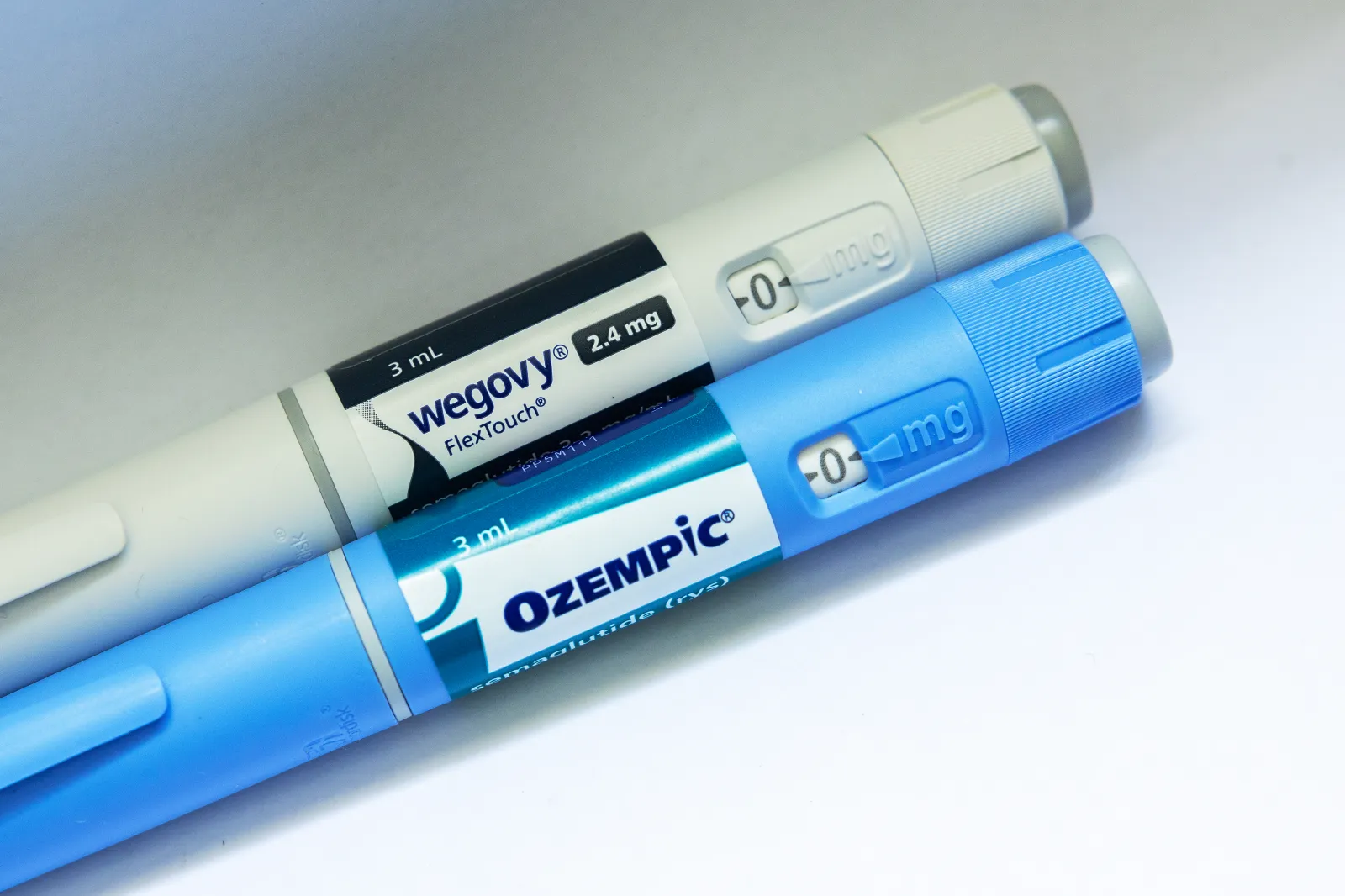
- Ozempic, Rybelsus, Wegovy (weight loss, diabetes)
- Trelegy Ellipta (asthma)
- Xtandi (prostate cancer)
- Pomalyst (multiple myeloma, Kaposi sarcoma)
- Ibrance (breast cancer)
- Ofev (lung diseases)
- Linzess (IBS)
- Calquence (leukemia)
- Austedo, Austedo XR (Huntington’s disease)
- Breo Ellipta (asthma)
- Tradjenta (diabetes)
- Xifaxan (IBS)
- Vraylar (bipolar disorder, schizophrenia)
- Janumet, Janumet XR (diabetes)
- Otezla, Otezla XR (plaque psoriasis)
“The top drugs on this list are some of the most commonly prescribed medications and were chosen because they will make the largest financial impact on the Medicare population as a whole,” Chris Fong, CEO of Smile Insurance and a Medicare specialist, told Newsweek.
What People Are Saying
Chris Fong, CEO of Smile Insurance and a Medicare specialist, told Newsweek: “Beneficiaries should expect a few things to happen: 1. Lower monthly out of pocket and 2. The out of pocket cap for medications may take longer to hit because the of the lower negotiated prices. We aren’t too concerned with #2 because what we have seen in our client consultations is an overall savings for clients taking those medications.”
Alex Beene, a financial literacy instructor for the University of Tennessee at Martin, told Newsweek: “The move targets drugs that lead to higher Medicare spending and forces manufacturers to accept lower prices in exchange for continued access to the Medicare market. For beneficiaries, this translates into lower out-of-pocket costs at the pharmacy and improved access to life-saving treatments that many seniors have struggled to afford in recent years.”
Kevin Thompson, the CEO of 9i Capital Group and the host of the 9innings podcast, told Newsweek: “GLP-1 drugs sit at the top of the list when it comes to recent price reductions, following the Trump administration’s move toward so-called “most-favored-nation” pricing. In reality, much of this framework was already put in place under the Inflation Reduction Act, but the current administration is pushing the pricing pressure further.”
What Happens Next
Thompson said because health officials view GLP-1s as a pathway toward better long-term health outcomes by addressing obesity as a whole, the lower costs could lead to financial savings in the long run.
“Lower weight, lower downstream costs. That’s the theory,” Thompson said. “What remains unclear, however, are the long-term side effects and second-order consequences of widespread, long-duration use.
“For beneficiaries, yes, drugs should be cheaper. Out-of-pocket caps remain in place, and once those caps are hit, patients are not supposed to be charged beyond them. The important thing to consider is what a covered drug is. If the drug is not covered, then the out-of-pocket max does not apply.”