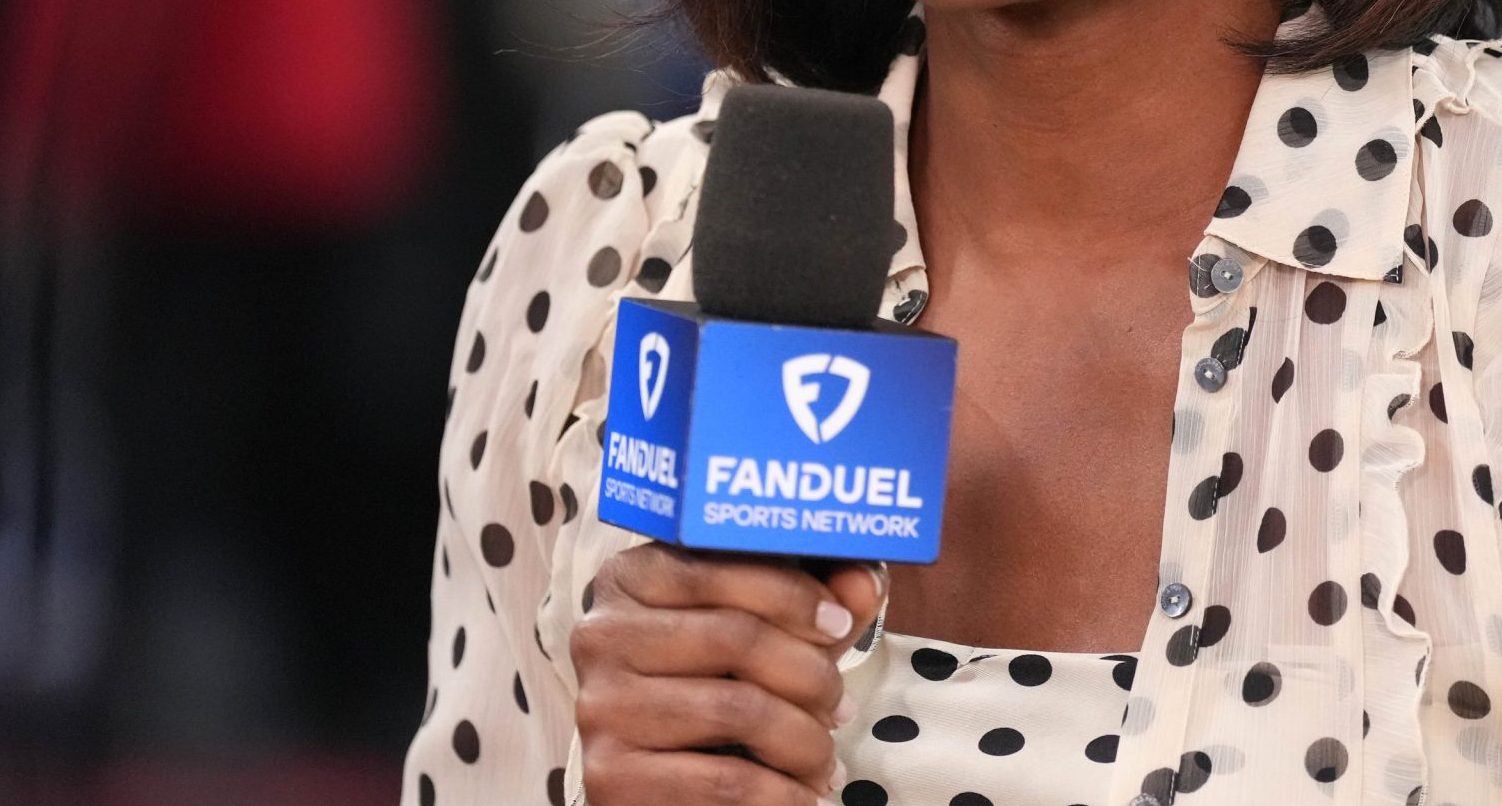
Main Street Sports Group, the owner of the FanDuel-branded regional sports networks, is reportedly on its death bed.
According to a report by Tom Friend in Sports Business Journal, the FanDuel Sports Networks are at serious risk of dissolving unless a previously reported sale to sports streaming platform DAZN closes by January. The news comes as Main Street missed a December rights payment to the St. Louis Cardinals. The company’s 29 combined franchises between the NBA, NHL, and MLB are similarly at-risk of missing rights payments in the coming months.
Per Friend, if the DAZN purchase does not close, Main Street will “wind down and dissolve” the FanDuel Sports Networks at the end of this year’s NBA and NHL regular seasons, though the NBA is seemingly preparing for a scenario in which the company could fold in the middle of this season. Should that occur, the league will step in and utilize its League Pass platform for the 13 teams currently airing on FanDuel Sports Networks. In this scenario, teams would need to scramble to ink linear distribution deals with local over-the-air affiliates in order to remain on traditional television platforms.
One NBA team executive called that scenario “our worst fear,” per SBJ.
Main Street Sports Group, of course, is the successor to Diamond Sports Group, the company that emerged from a lengthy Chapter 11 bankruptcy dispute about a year ago after submitting a go-forward plan that involved reducing rights payments for its affiliated teams. Those reduced payments still offer significantly higher rates for the franchises than an over-the-air partnership would, which explains why so many teams have stayed with their regional sports networks despite the declining economics of the business.
While rare, the circumstances of a team moving its local broadcasts from one platform to another in the middle of a season is not unprecedented. During the Diamond Sports Group bankruptcy case, multiple MLB teams had their rights revert back to the club after failing to receive local rights payments. In those cases, MLB swiftly stepped in to stream games on its league-owned platform, and subsequently inked over-the-air deals, similar to how the NBA plans to handle the situation.
Main Street reportedly will not file for bankruptcy again should it fail to continue making rights payments. Instead, the company would enter a “cure period” of undesignated length in which it could make late payments to its teams. Should those payments fail to be made, local broadcast rights would revert back to the teams. SBJ reports that Main Street intends to end its deals with NBA and NHL teams with “minimal disruption” if the DAZN deal does not come to pass.
This process could accelerate a timeline for leagues like the NBA and MLB to launch a centralized local broadcast platform. SBJ posits that there’s a relatively clear path for the NBA to get 28 of its 30 teams on board for a centralized local broadcast platform as early as next season. The 13 teams dropped by the FanDuel Sports Networks, the five teams which currently broadcast games over-the-air, four additional teams that own their own regional sports networks, the four teams tied to the NBC Sports RSNs, and the Brooklyn Nets and Toronto Raptors. The only two teams that wouldn’t necessarily be incentivized to join are the New York Knicks and Los Angeles Lakers, both of which have massively lucrative local rights deals.
However, the more teams that join, the more such a package would be worth to the tech and streaming giants the league is courting for the platform.
The next step in all of this centers around the DAZN deal. Should the London-based company decide to purchase the beleaguered group of regional sports networks, it appears as if teams will be made whole for their current rights agreements. If DAZN decides this deal is not worth the trouble, NBA and NHL teams could see mid-season media rights upheaval.