Second in a series of four
From headline-makers to quiet fixes, officials at Dallas City Hall made defining choices on politics, priorities and people in 2025. Here’s what stood out:
Consolidating elections
- Action: The City Council unanimously decided to move municipal elections to November from May in odd-numbered years, starting in 2027, linking city races to larger, more widely participatory election dates.
- Outcome: Typically, fewer than 1 in 10 Dallas voters elect the mayor and City Council. Consolidating elections is designed to lower costs, ease voter fatigue and increase turnout.
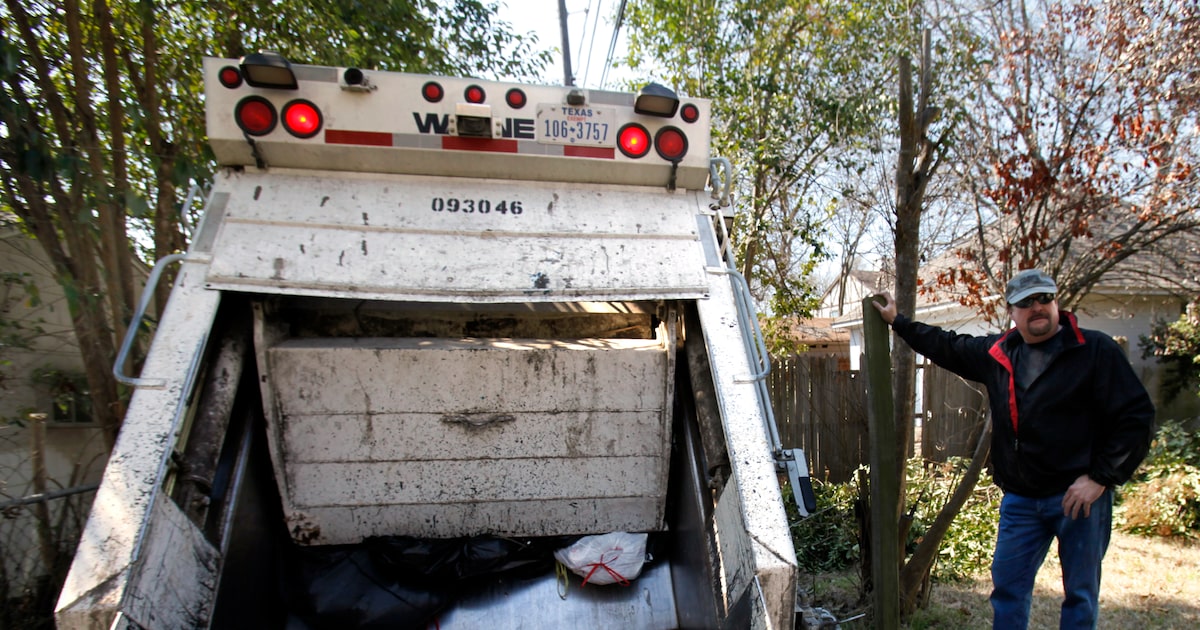
Trash pickup
- Action: City officials had proposed phasing out alley trash pickup for homes with narrow, dead-end or unpaved alleys, citing cost and safety concerns. The latest plan would have affected about 26,000 households, but was paused after resident opposition.
- Outcome: The city now is surveying residents for their preferences. Homes with alley pickup make up more than a third of the city’s customers. Higher collection costs could translate into higher fees if the service continues.
More for street repair
- Action: Dallas officials said they’re focusing on street repairs in the latest budget. They allocated about $162 million for street improvements and maintenance, covering 750 lane miles, up from about $125 million for 710 lane miles last year.
- Outcome: Increased investments will help the city improve traffic flow and fix festering potholes that damage cars.
Short-term rental clash
- Action: The city is pressing its bid to enforce limits on short-term rentals, such as Airbnb and Vrbo, in single-family neighborhoods. The dispute is now before the Texas Supreme Court after lower courts blocked enforcement.
- Outcome: Neighbors and officials want tighter oversight, citing noise and housing-supply concerns. Hosts and the tourism industry face uncertainty as the legal fight drags on, even as Dallas prepares for the 2026 FIFA World Cup.
Modernizing parking rules
- Action: The City Council updated off-street parking and loading rules citywide, replacing zoning language dating to the 1960s.
- Outcome: Fewer mandatory parking spaces could lower development costs and allow denser housing, reshaping neighborhoods and downtown growth.
What’s ahead in 2026
The debate over City Hall’s future will intensify as council members consider relocating government operations to a commercial space downtown or repairing the I.M. Pei’s landmark building.
Expect fights over cost, symbolism and preservation on whether the move represents progress or abandonment. The final stay-or-go decision will reverberate across the southern half of downtown.
Political Points