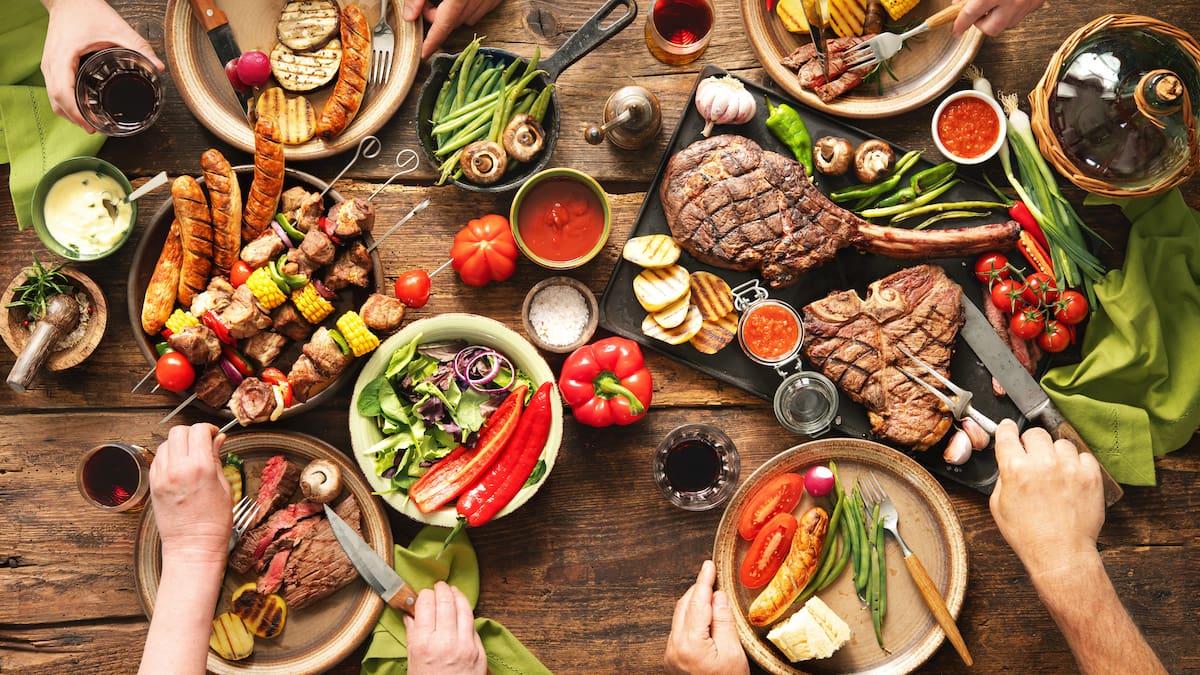
As Listener.co.nz resident nutritionist, Jennifer Bowden explores myths about nutrition and healthy eating. Here are her top 10 columns of 2025.
Why sushi is no longer a healthy eating out option
As sushi’s global popularity has grown, it has been adapted to
meet new tastes. Instead of simple small slices of fresh fish (sashimi) or seafood paired with vinegared rice (nigiri) or wrapped in seaweed (maki), Western-style sushi rolls often stray far from the dish’s healthful origins.
Is picky eating just a childhood phase? When you should seek help
Parents are often concerned about their child’s eating habits, and understandably so as early food choices shape lifelong dietary patterns. While many children go through phases of picky eating, some face more severe challenges such as Avoidant/Restrictive Food Intake Disorder (ARFID). So, how can we tell if a child’s eating behaviours warrant intervention?
9 warning signs it’s a fad diet, not a healthy eating plan
Fad diets are everywhere, offering quick fixes and bold promises to transform your body and life. And as our awareness of the physical and psychological harms of fad diets grows, so, too, have the creators’ efforts to disguise fad diets as “healthy eating plans” or “lifestyle changes”.
Separating fact from fiction is crucial because not only do fad diets fail for 95% of dieters in the long term, they can also spectacularly backfire by causing a slowed metabolic rate, increased body fat storage and appetite, which leads to food fixation, overeating, weight regain and a bundle-load of unnecessary shame for the dieter. So, how can you tell if a healthy eating plan really is a sustainable plan or just another fleeting fad diet in disguise?
Can fish and chips ever be good for you?
Fish and chips are more than just a meal in New Zealand — they’re a tradition. Whether wrapped in paper and shared at the beach or picked up for an easy Friday night dinner, this takeaway classic is woven into our culture. But from a nutrition perspective, how does this deep-fried food stack up? And is there a way to enjoy it while still maintaining a balanced approach to eating?
Why ‘you are what you eat’ is one of the most dangerous food myths around
“You are what you eat.” It’s a saying that’s been repeated so often it sounds like common sense. We’re taught that if we eat healthy food, we’ll be healthy; whereas, if we eat “junk,” we’ll feel like junk. On the surface, it seems harmless—just a reminder to eat healthily. But scratch beneath the surface, and it reveals a troubling myth with real-world consequences.
Are vege chips any better for you than potato chips?
Once upon a time, chippies – the Brits call them crisps – were simply slices of potato fried in oil, sprinkled with salt and eaten straight from the foil packet. But the snack aisle has had something of a virtue-signalling makeover. Now we’re lured by kūmara crisps, cauliflower crackers, and pea-protein puffs which promise all the crunch with extra virtue – more protein, more vegetables and less guilt.
But are these products healthier, or is it just clever marketing hype wrapped in recyclable packaging?
Is the three bite rule mindful or disordered eating?
Western cultures pride themselves on giving people the freedom to be who they want, do what they want and live how they want – except, it seems, when it comes to food. The food dimension of our lives is fraught with rules – foods are labelled as ‘good’ or ‘bad’, “eating windows” dictate when we must feast or fast, and now even the way we eat is being policed – enter Tik Tok’s “three-bite rule”. But is this so-called mindful eating hack really as wise as it sounds?
We’ve all heard of the Mediterranean diet, but what’s really in it?
Mention the word “diet” and many people think of calorie counting, carb bans and flavourless food. But the Mediterranean diet is something quite different — it’s more a way of eating and living than a prescriptive meal plan, and it’s earned its reputation not through hype, but through decades of solid science.
Can a snack boost your memory or stop dementia in its tracks?
“Eat walnuts – they look like little brains!” It’s the sort of nutrition advice you’ll find floating around the internet, nestled somewhere between kale smoothies and promises that blueberries will make you a genius. But is there really such a thing as “brain food”? Can a snack boost your memory or stop dementia in its tracks?
The ingredients in flavoured milks that might surprise you
Flavoured milk is a supermarket chameleon. It can appear in brightly coloured cartons aimed at children, slimline sports bottles for gym-goers, or long-life packs in the pantry. With flavours ranging from strawberry to trusty chocolate and newfangled caramel butterscotch, flavoured milk promises all the benefits of milk, plus a bit of fun. But behind the appealing packaging lies a processed product with ingredients you may not expect.
- Share this article
- Copy Link
- Twitter/X
Reminder, this is a Premium article and requires a subscription to read.