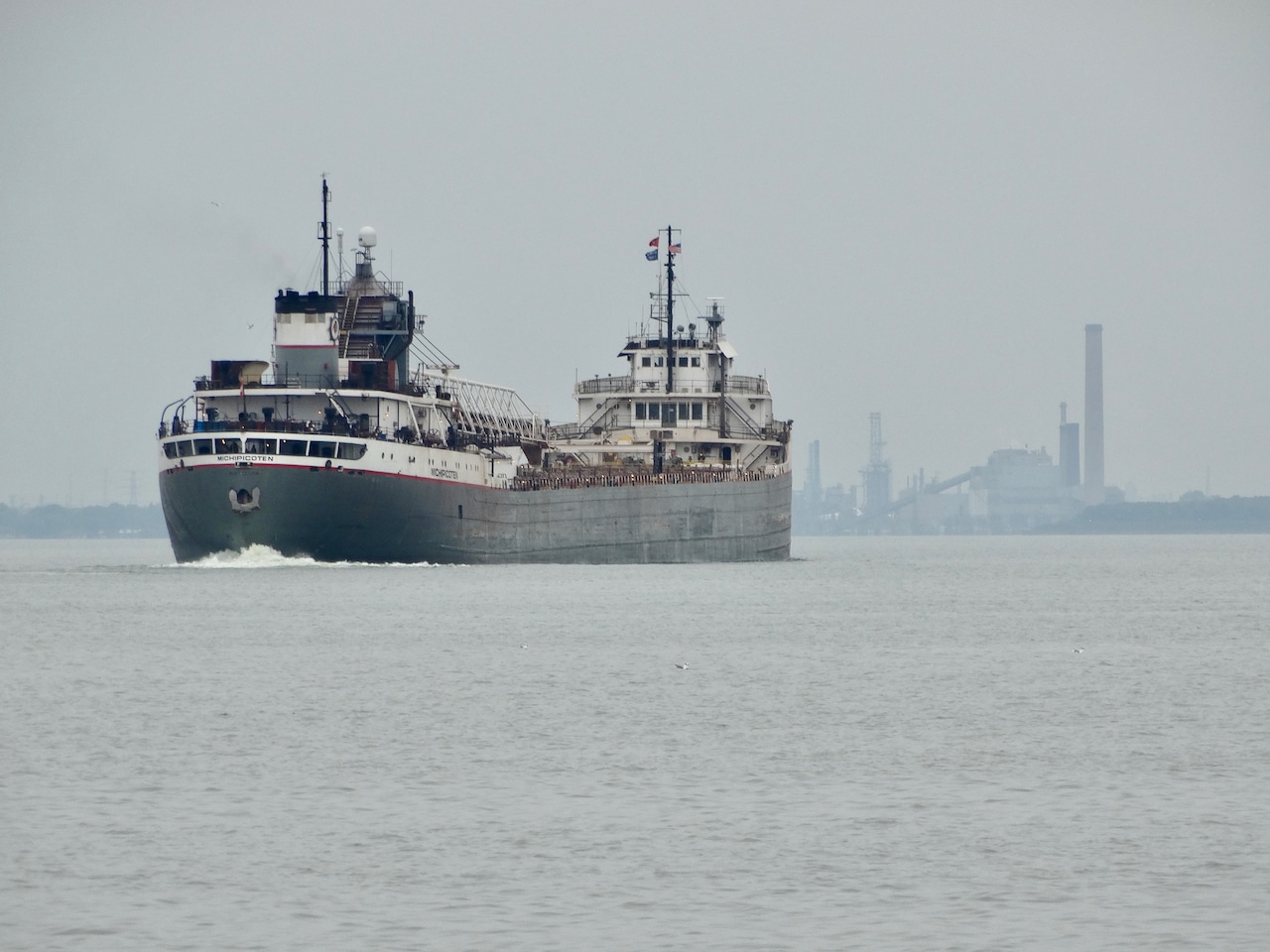
LANSING, MI — Michigan is asking a federal appeals court to strike down an Environmental Protection Agency regulation that could negatively impact the Great Lakes.
Attorney General Dana Nessel filed an amicus brief on Friday, Dec. 25, asking the U.S. Court of Appeals for the D.C. Circuit to strike down EPA standards that don’t require existing ships on the Great Lakes to install treatment systems for ballast water discharge.
Under the EPA standards finalized in September 2024, only new vessels in the Great Lakes require treatment systems.
Ships hold ballast water in tanks to regulate their weight. The water in the tanks can contain invasive species that spread to a new environment when released.
“The harms caused by invasive species spread through ballast water are catastrophic, well documented, and felt by the people who live and work around the Great Lakes,” Nessel said in a press release.
Nessel, joined in the filing by attorneys general from Illinois and Vermont, argues the standards violate a 2018 amendment to the Clean Water Act directing the EPA to issue ballast water discharge standards.
The filing argues the EPA ignored the direction and “(relies) on justification not permitted” under the Clean Water Act, the release said.
Michigan had stricter ballast water regulations in place until the federal standards were created in 2024, the release said.
Invasive species have already caused damage to the Great Lakes ecosystem.
Zebra mussels, native to the Black, Caspian and Azov seas in Eurasia, were introduced to the Great Lakes in the late 1980s from ballast water tanks. Zebra mussels cost the region $200 million every year, Nessel said in the release.
After the 2024 EPA change, golden mussels, an invasive species from China, were found at a California port. Without regulation, those golden mussels could end up in Great Lakes ports, Nessel said.