In 2025, Google, Apple, Samsung, and everyone else who announced new tech products delivered beautifully curated keynotes that told us exactly what they wanted us to hear about the said devices.
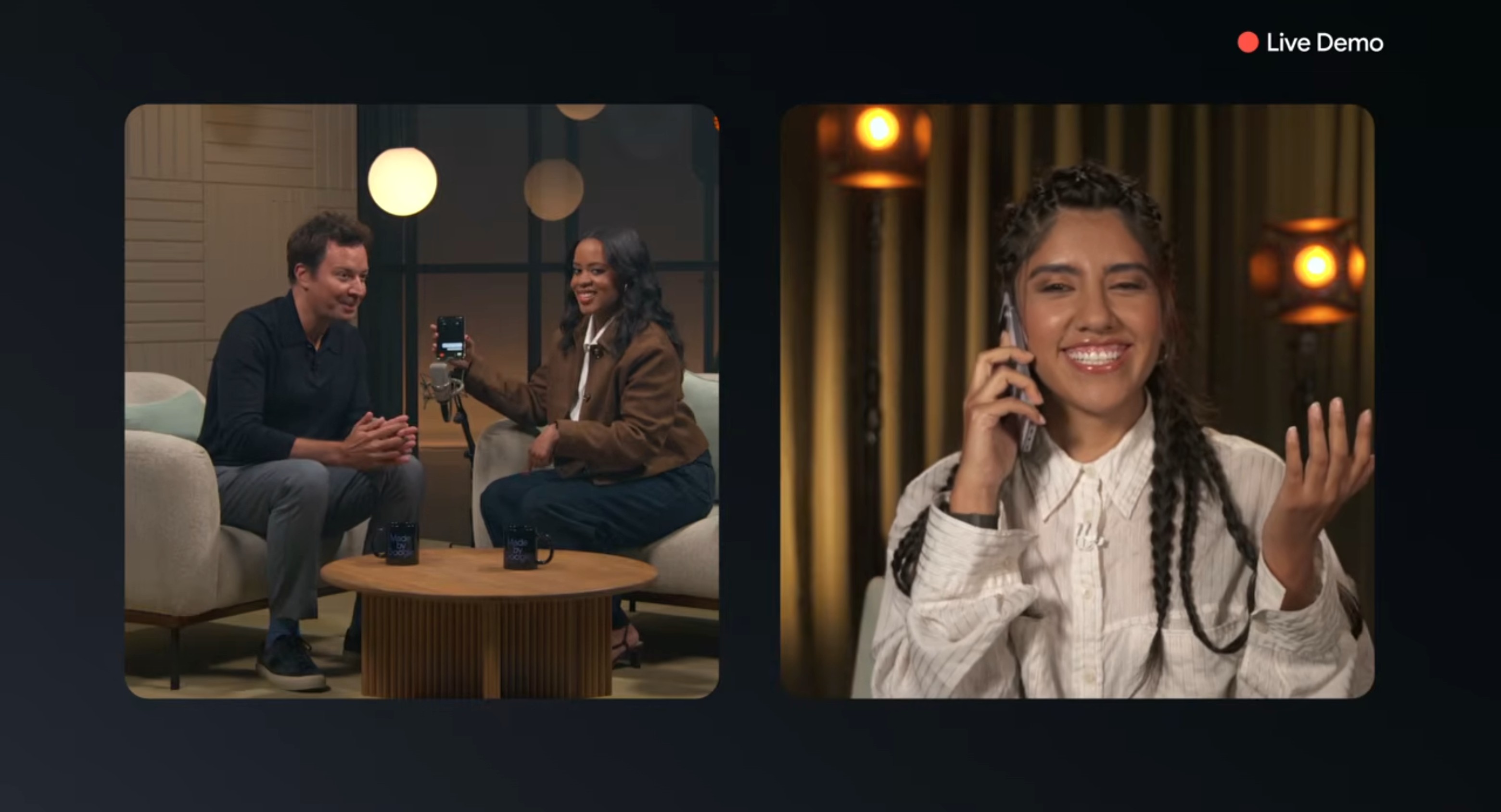
I agree that Google went above and beyond this year for its Pixel 10 launch, delivering something that felt less like a Keynote and more like a massive production hosted by Jimmy Fallon. On the opposite end, Meta literally winged it with live demos of their new smart glasses. While the demos didn’t go as planned, they stayed fairly realistic, which is what we, as consumers who pay a hefty price for electronics, would appreciate seeing.
You may like
Here’s what I’d love to see change in 2026 — and what’s worth keeping.
Give it to me straight — in plain English
(Image credit: Nicholas Sutrich / Android Central)
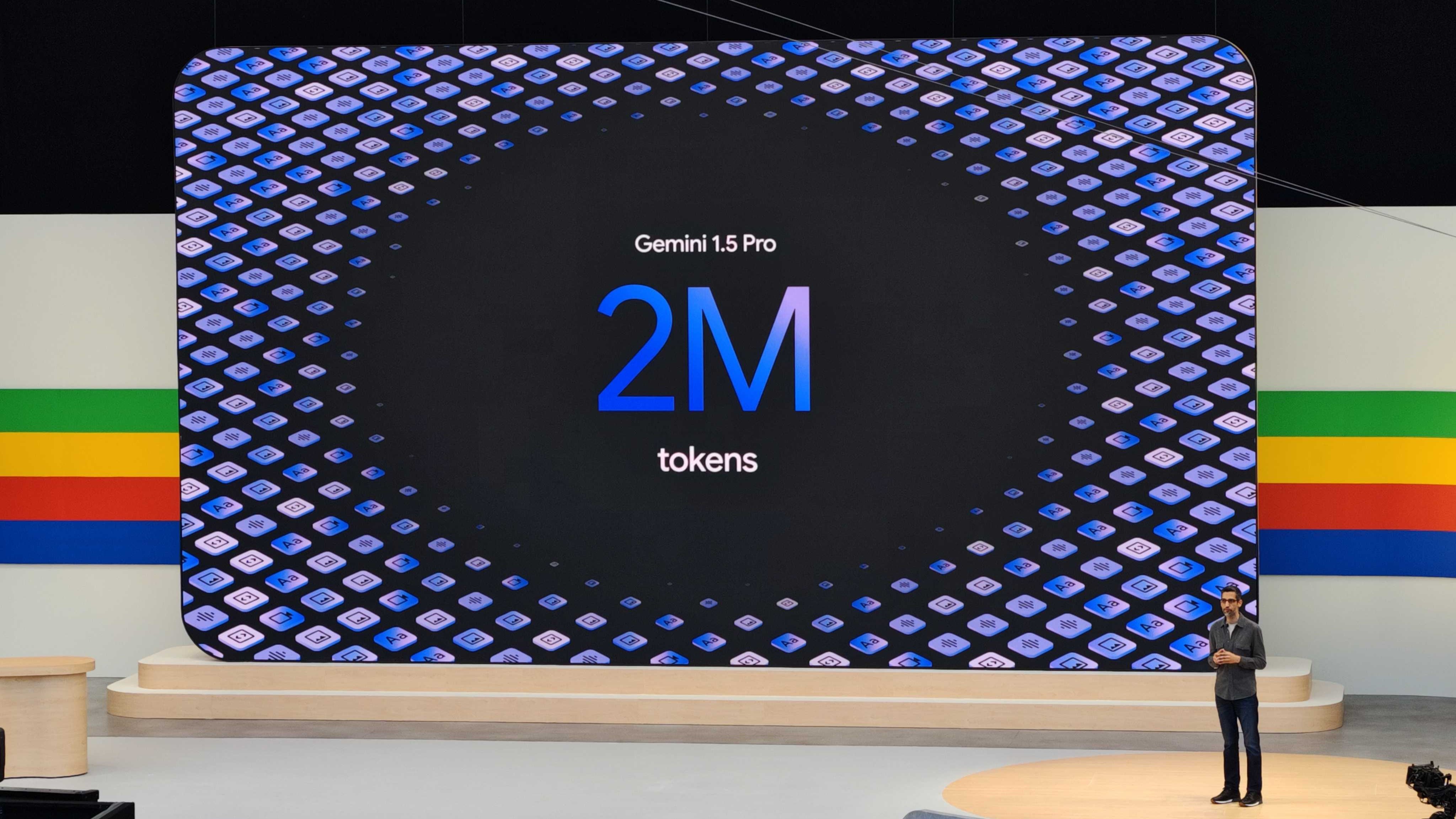
Too often, companies end up explaining features the way they’d talk to engineers and not, well, us. We hear about “tokens per second,” model sizes, or how “Siri now has a deeper understanding of your personal context.”
There’s a ton of technical jargon, and not much about how those things show up in the real world. Launch events need to answer questions when explaining a new feature — It comes down to the basics: “Why would I actually need it, when would I use it, and what problem would it solve?”
If I don’t understand the practicality of a new feature and how it would help me in the real world, then what’s the point of having some elaborate speech about it?
(Image credit: Future)
Take Google’s Gemini, for instance: instead of telling me it’s faster, smarter, and more “multimodal,” tell me whether Gemini can look at a photo I took and explain why it looks bad and how to fix it before I share it. Even Samsung and Apple end up using loads of jargon in their Keynotes.
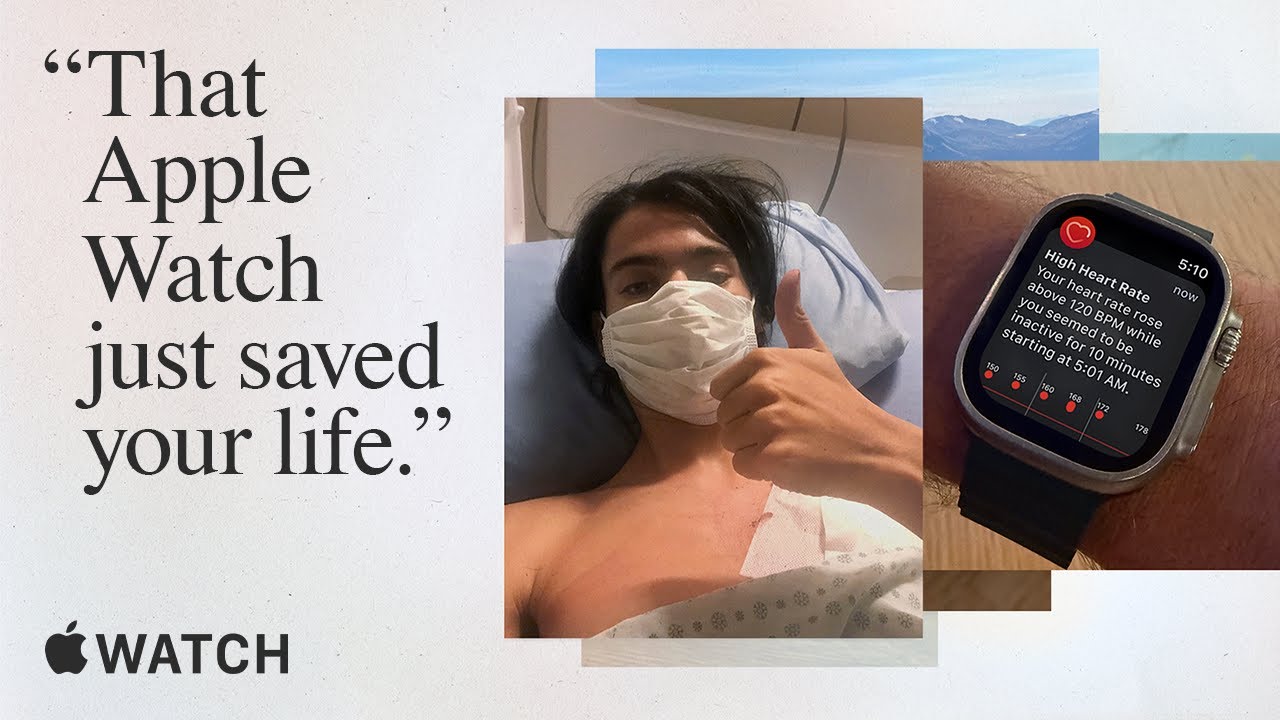
Apple loves to show off those emotionally hitting polished stories — the Apple Watch saving a life, the iPhone shooting a fancy music video (with tons of extra gear, post-production edits, of course). Samsung often bombards viewers with so many features so quickly, with little guidance on which actually matter.
Dear Apple | Apple Watch – YouTube
But they skip the messy part: regular people trying to use that same tech and ending up with a terrible photo, bad lighting, or just a picture that looks nothing like the ad. In 2026, I want to see companies balance those magical tales with what these features actually look like for a totally average user. Because great stories definitely make people care, but great explanations push people to buy the product.
Keep consumer launches and developer events separate
(Image credit: Android Central)
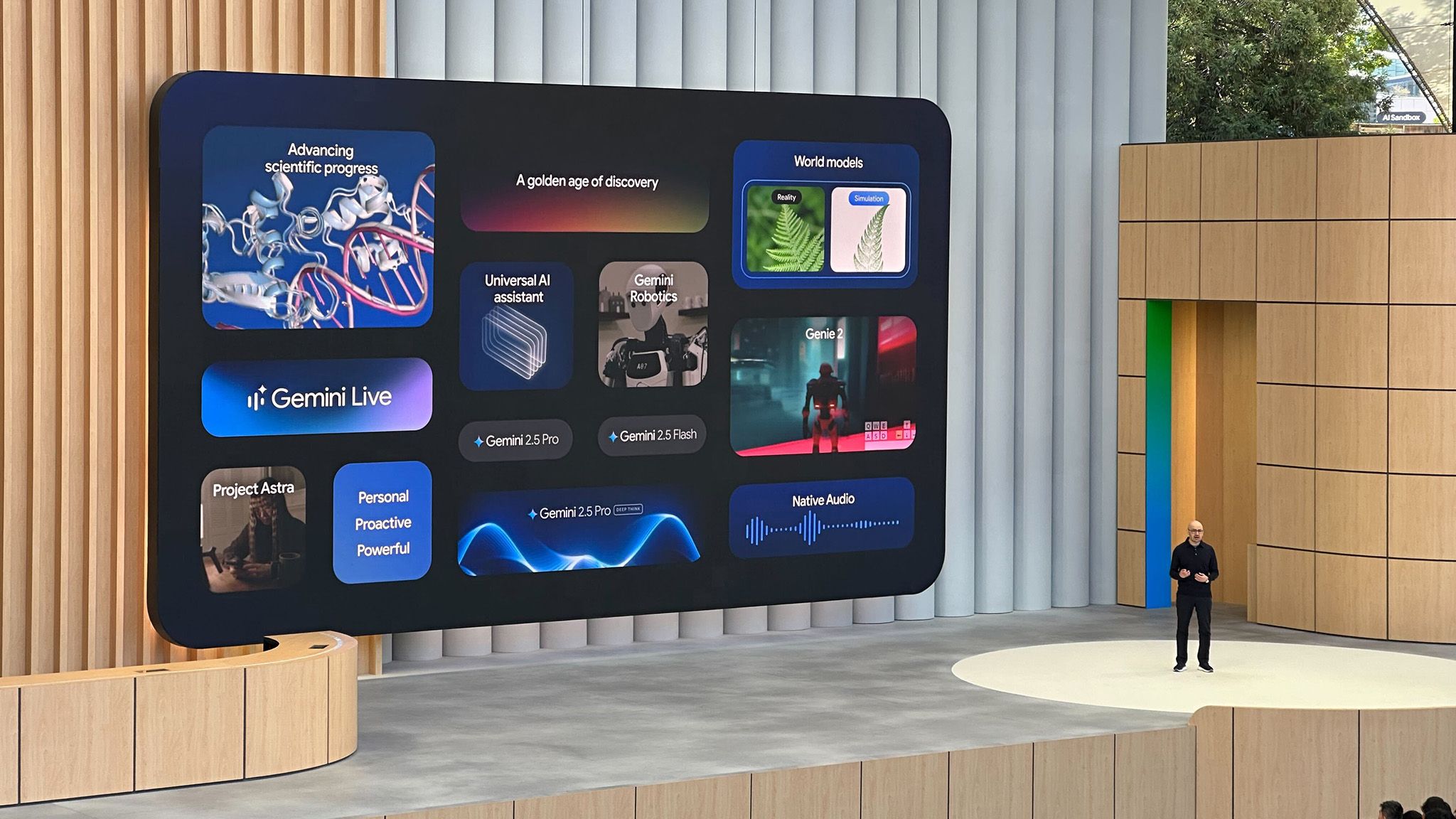
Google’s I/O and Apple’s WWDC keep developer updates separate from their launch events, but they sometimes blur the line between the two. For example, this year’s I/O featured major product announcements, including the launch of Android 16, a demonstration of Gemini’s multimodal capabilities, and a preview of a prototype of Google’s XR glasses.
This mix at an event aimed just for developers is definitely cool. Google’s probably trying to get more than just coders interested in I/O, but it’s also leaving people confused about whether they should be glued to I/O or just watch the “Made by Google” for consumer-focused announcements. If you ask me, I’d say keep the two separate, don’t overcomplicate it. That way, the audience knows what to expect at each event and won’t miss anything of interest.
Keep the live demos — even if they fail
Roll it back 👓✨ Here’s that Android XR demo from #GoogleIO one more time. – YouTube
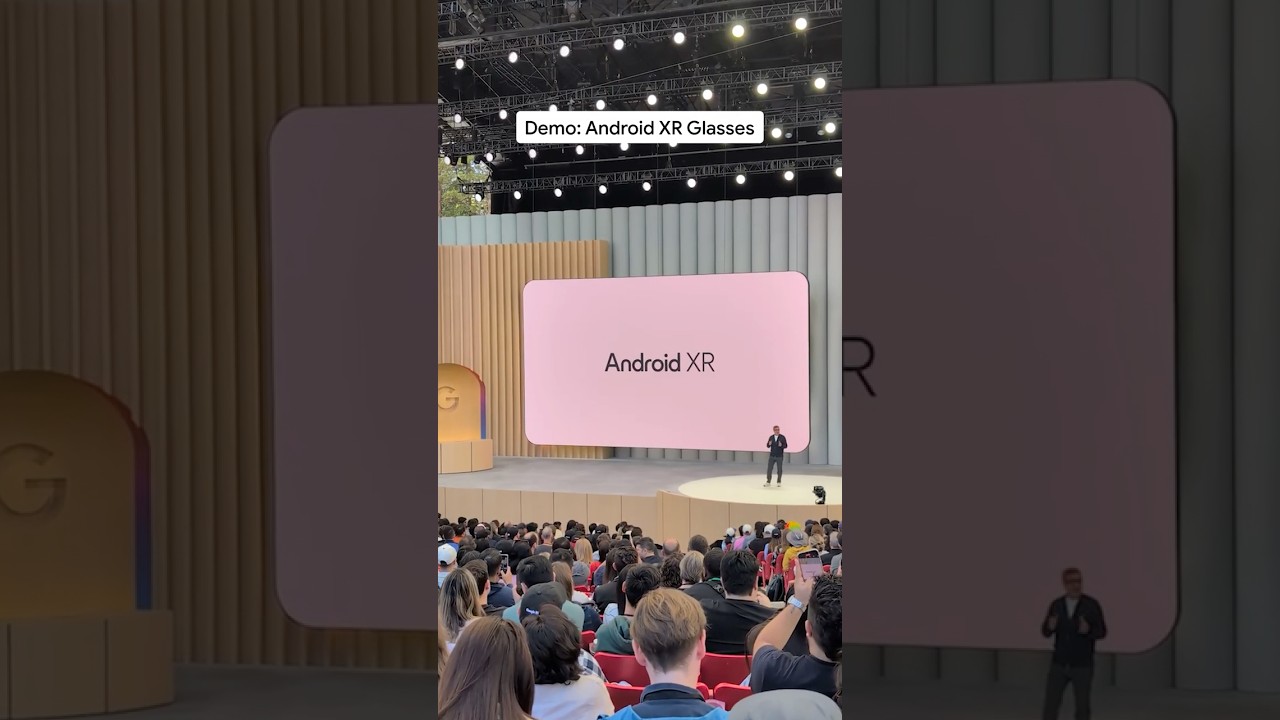
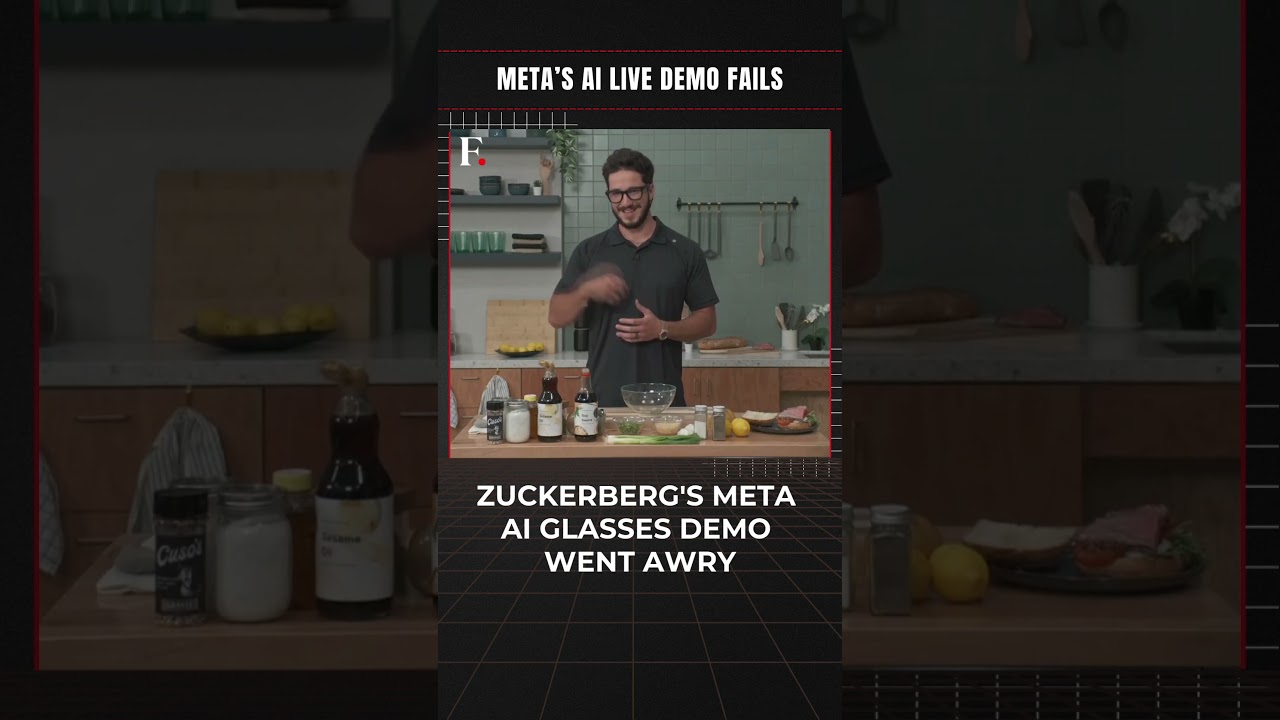
Both Google and Meta actually tried live demos in 2025, and sometimes, despite practicing it a zillion times before D-day, they don’t go as planned. WiFi dropped, or connectivity lagged, leading to awkward pauses during a live show.
But that necessarily isn’t failure. While people pick on these moments to criticize the company, make a ton of memes, they can also work to the company’s favor. It showed us the reality that mistakes happen — especially with common issues like connectivity problems, and this to me comes across as more authentic and raw, rather than scripted videos.
It also gives companies a real-world moment to look at what works and what still needs work before a product reaches consumers.
#FirstpostNews: Zuckerberg’s Meta AI Glasses Demo Goes Wrong | N18G – YouTube
So, for 2026, companies should totally keep the live demos. But they could try to swap out the celebrities for everyday people to make things more relevant for someone watching on their couch at home. You know, parents, students—those who don’t care about the techy buzzwords but who will actually be using these cool new devices and features.
And just keep things simple, to the point, showing us how features will help normal people, rather than over-the-top shows with so much going on that people forget about it as soon as the show’s over.