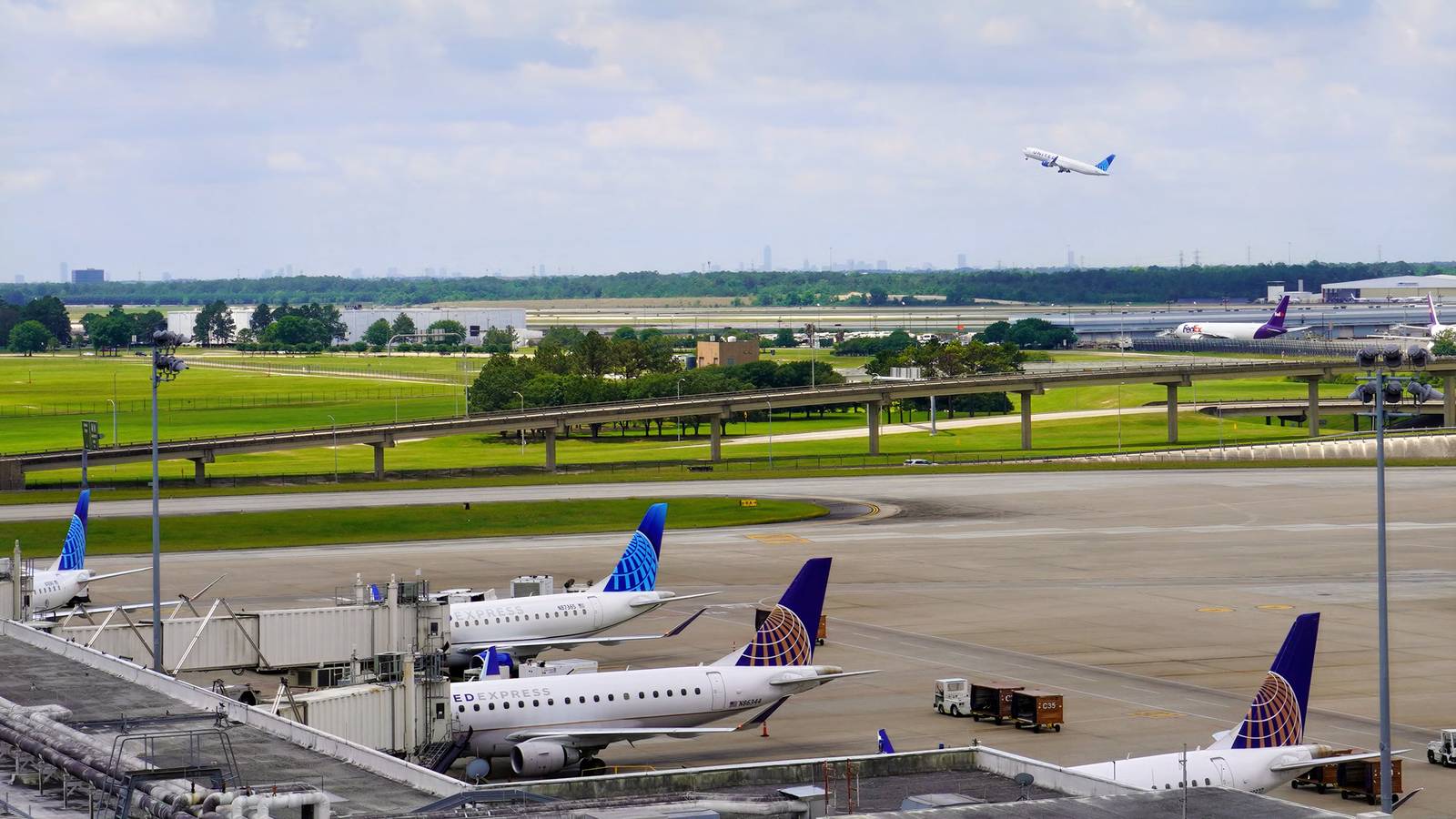
Two commercial jets operated by United Express and Volaris narrowly avoided a midair collision shortly after takeoff from  Houston George Bush Intercontinental Airport. The incident occurred on December 18 when both aircraft were departing the airport on separate routes. According to air traffic control recordings, one aircraft made an unexpected turn, placing it directly in the flight path of the other. Collision avoidance systems and rapid pilot response ultimately prevented a catastrophic outcome.
The close call adds to a growing list of near-miss events in US airspace over the past two years. ATC audio captures the moment controllers recognized the developing conflict and issued urgent instructions. Both aircraft received automated collision alerts and took evasive action. The Federal Aviation Administration has confirmed it is reviewing the incident.
Near Midair Collision Due To A Wrong Turn
Credit: George Bush Intercontinental Airport.
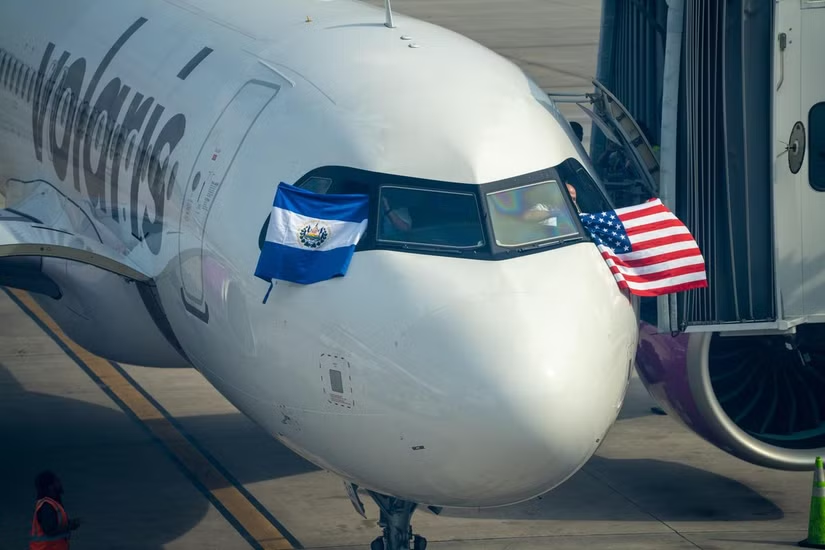
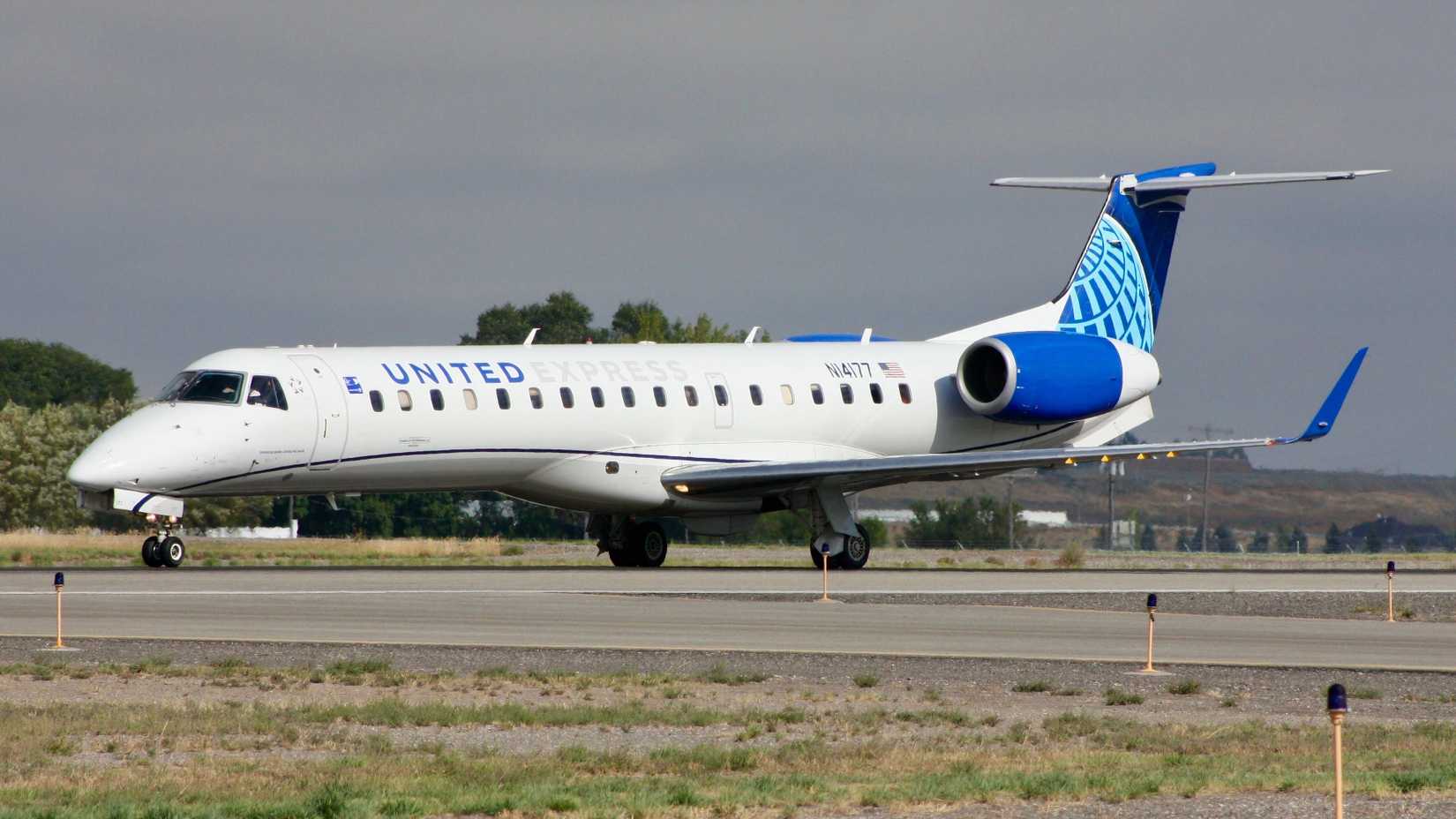
According to ABC News, the incident involved a Volaris Airlines flight departing Houston for El Salvador and a United Express flight bound for Jackson, Mississippi. Both aircraft were airborne and climbing after takeoff when the Volaris jet made an unauthorized right turn. That maneuver placed it directly into the path of the United Express aircraft.
Flight data reviewed by VASAviation and published in this recording shows that the two aircraft, the United Express Embraer ERJ-145XR and Volaris Airbus A320neo, came dangerously close to each other during the initial departure phase. Both jets received Traffic Collision Avoidance System (TCAS) alerts, prompting pilots to take evasive action. Controllers simultaneously issued corrective vectors to separate the aircraft. After resolving the conflict, both flights continued safely to their destinations.
Other Incidents And The Importance of TCAS
Credit: Shutterstock
Midair near-misses during departure are especially concerning due to high workload and limited reaction time. Pilots are managing climb profiles, airspeed, and communications while the aircraft is accelerating rapidly. Any unexpected maneuver at low altitude significantly increases risk. Safety experts note that unauthorized turns during departure are among the most dangerous pilot errors.
The Houston incident mirrors other recent close calls in US and international airspace. In one notable case, a JetBlue A320 narrowly avoided a mid-air collision with a US military tanker near Curaçao after the tanker, which was not on the radar, crossed the airliner’s flight path. Unlike the Houston event, the tanker was effectively invisible to onboard collision-avoidance systems, forcing JetBlue’s pilots to rely on visual detection and rapid maneuvering. Together, these incidents highlight how gaps in surveillance or onboard systems can drastically reduce safety margins, underscoring the importance of layered defenses and strict procedural compliance.
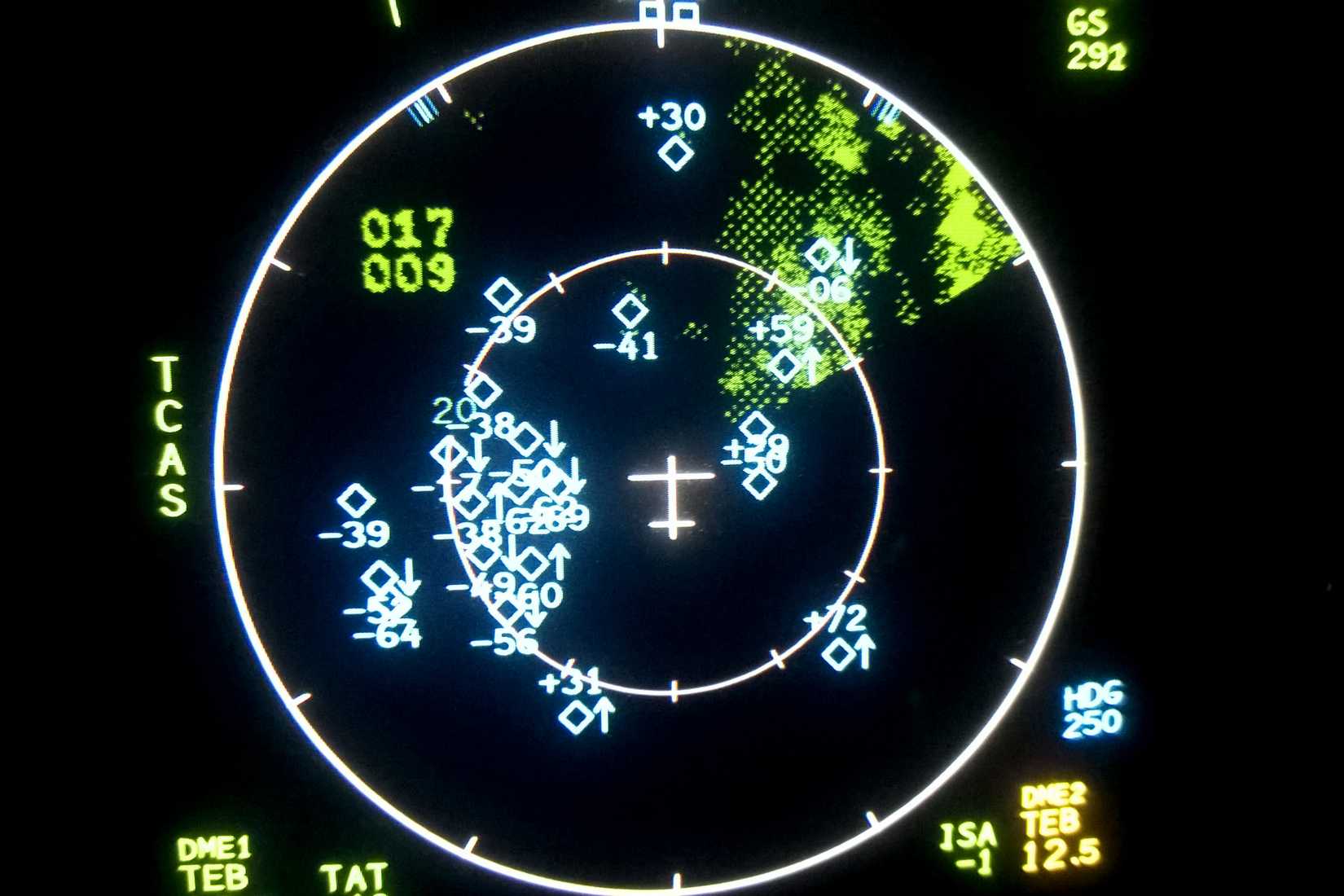
The TCAS plays a critical role in modern aviation safety by independently monitoring aircraft proximity and issuing resolution advisories when a collision risk is detected. The system operates independently of air traffic control, continuously scanning the surrounding airspace and communicating with nearby aircraft transponders to build a three-dimensional traffic picture. When potential conflicts arise, TCAS first issues a Traffic Advisory (TA) to alert pilots, followed by a Resolution Advisory (RA) instructing crews to climb or descend to maintain safe separation. Pilots are required to follow these voice-based commands immediately, even if they conflict with ATC instructions. In the Houston incident, TCAS alerts provided crucial seconds of warning, underscoring why aviation authorities continue to emphasize TCAS compliance as a last line of defense against midair collisions.
Related
ATC Error Leads To Near-Miss Between United Airlines & FedEx Transatlantic Flights
Tragedy was narrowly averted by ATC voice instructions and TCAS alerts.
Credit: Shutterstock
The lack of immediate response is common while internal safety reviews are underway. Airlines typically coordinate closely with regulators such as the FAA following serious incidents. Any findings may result in procedural changes or additional crew training.
The FAA has confirmed it will respond to requests for information regarding the incident on Monday. In recent years, the agency has increased scrutiny of near-miss events, particularly those occurring near major hub airports. Advances in surveillance technology and data analysis are helping regulators identify risk patterns earlier. However, human factors remain a persistent challenge.
While no passengers were injured and both flights landed safely, the Houston near-miss underscores how thin aviation safety margins can be during departure. Such incidents rarely make headlines unless recordings surface, but they drive continuous safety improvements. For investigators, this event will likely yield valuable lessons to prevent potentially dangerous situations midair.