 Microplastics are tiny plastic particles smaller than 5 mm that are now found in many foods that we consider healthy. Microplastics are even in sea salt, seafood, fruits, vegetables, and honey. Microplastics come from polluted water, air, packaging, and food processing. Eating these contaminated foods regularly will increase your exposure to these pollutants, and while the health effects are still being studied, experts are concerned about inflammation, chemical contaminants that may be attached to plastic particles, and also about the fact that plastics are very common in our diet. The good news is that you can lower your exposure to microplastics by making a few smart swaps and simple habits that not only maintain the nutrition of your meals but also reduce your microplastic intake.
What studies reveal about microplastics in everyday foods
According to the research published by Springer Nature, numerous food products that are often eaten by people, mainly processed and packed items, may expose people without their knowledge. Scientific studies have discovered these minute plastic particles in a variety of foods that we consume daily. A 2022 study analysing commercially available salts was the one to find that microplastics in both sea salt and rock salt can be detected measurably. The results indicate that microplastics become part of the food due to contaminated environments, industrial processing, and plastic packaging. Specialists point out that purchasing fresh and less processed foods, as well as changing to more hygienic storage methods, will greatly help in lowering the total microplastic intake.
The Plastics Problem: Nano & Microplastics and Their Dangerous Impact on Heart Health
Microplastics in food: 12 healthy items affected and safer alternatives1. Seafood (mussels, oysters, shrimps):  It is common for many shellfish to absorb microplastics from the water and to incorporate the pieces in the edible tissue.Swap: Where interchanging consumption of different kinds of sea products, opt for bigger, whole fishes (and limit seafood intake), or get from the suppliers plating for heavy metals whose products are safe.2. Table salt (sea salt, rock salt):
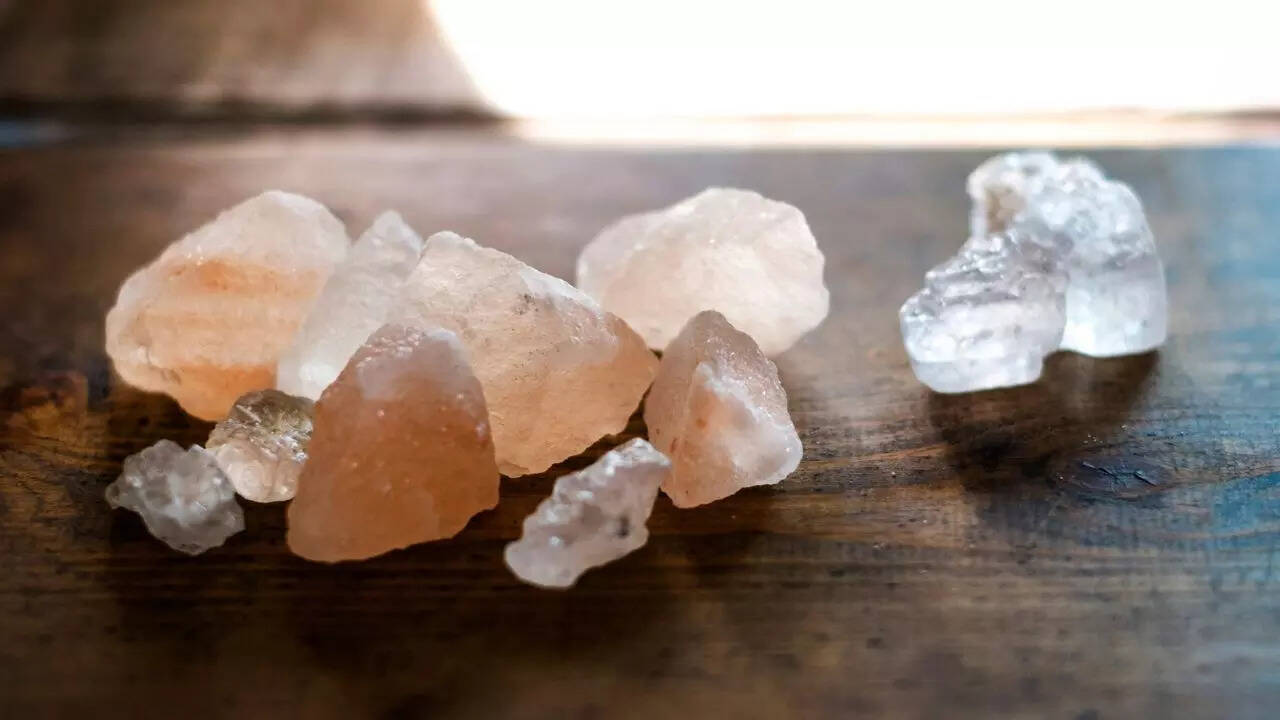 At times, salt production is the main reason for the concentration of microplastic particles.Swap: Go for the iodised, tested brands, or take less salt in your food while using different seasonings; if producers advise, you can also rinse salts.3. Bottled water:
 There are times when studies reveal that bottled water contains more microplastics than tap water.Swap: Filtered tap water with carbon/UF filters is a good option, and the water can be stored both in glass and stainless-steel containers.4. Honey:
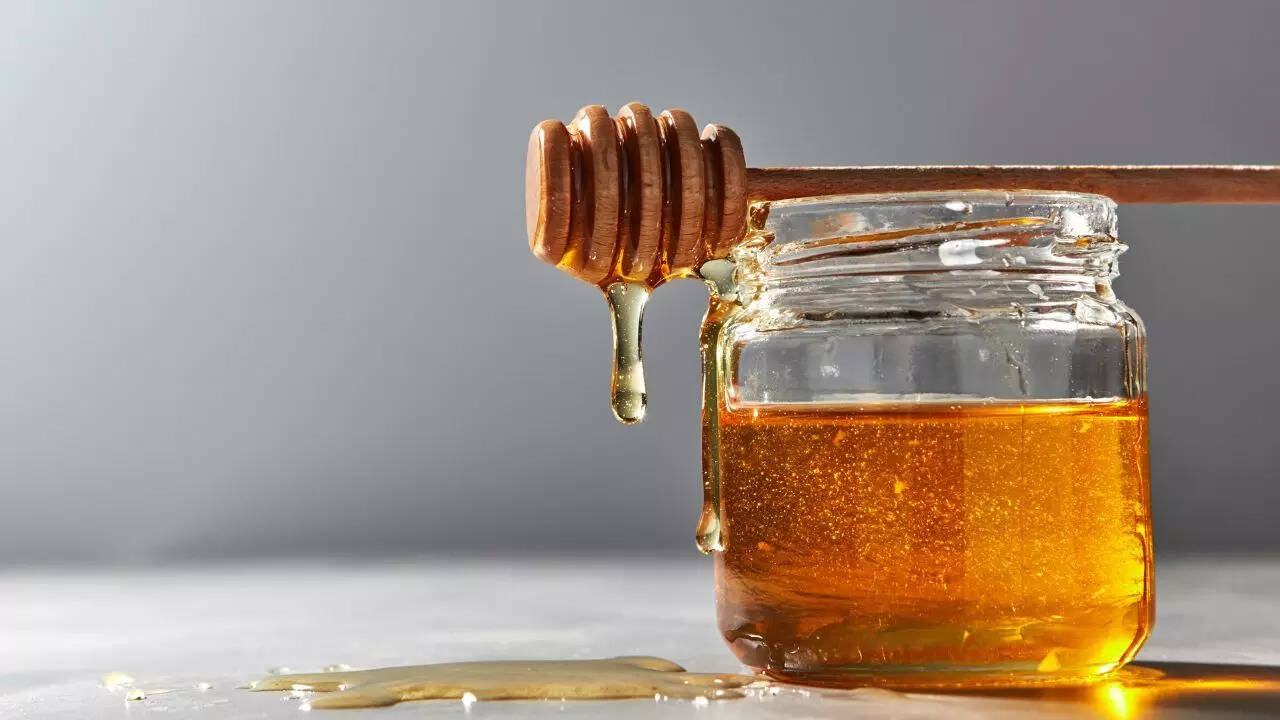 Honey contamination can be caused by the honey processing or by environmental deposition.Swap: Get your honey locally – buy raw honey that comes in glass jars and stay away from plastic-packaged brands.5. Tea (tea bags):
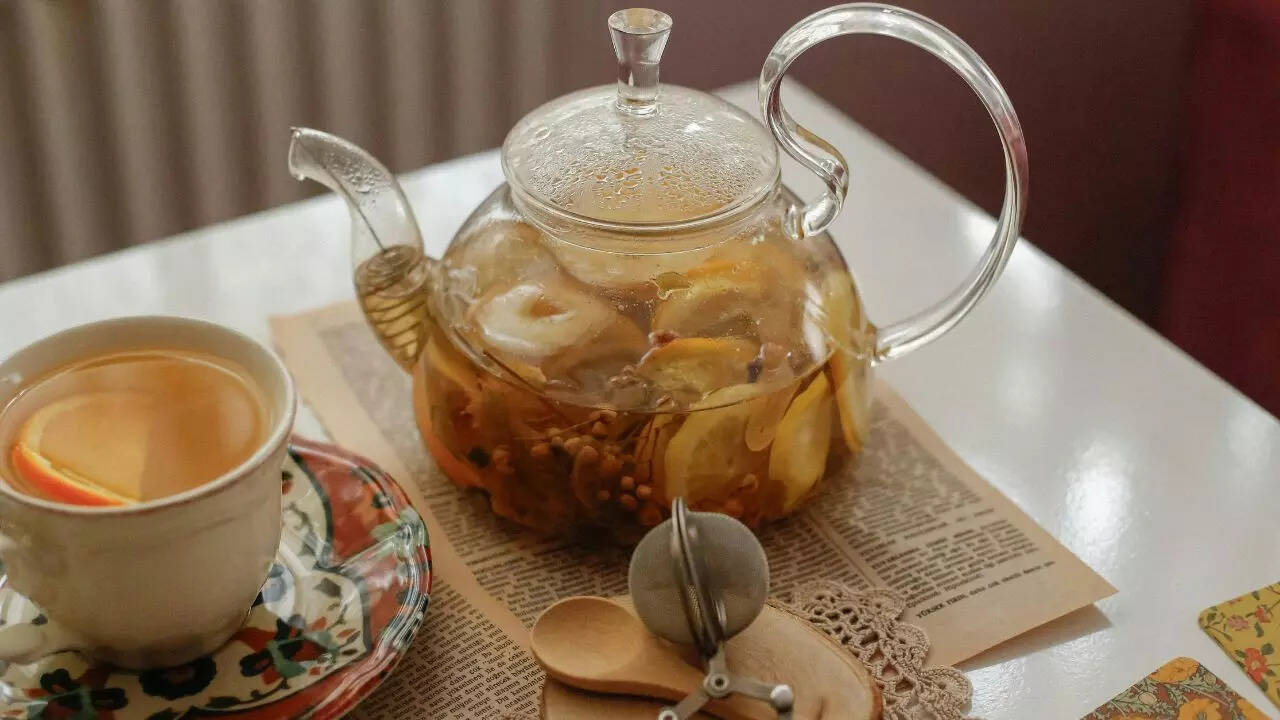 Some tea bags (particularly those made of nylon or PET) release microplastics when dipped in hot water.Swap: Loose-leaf tea with a metal infuser is the best option, or you can go for paper-bag brands if they are plastic-free and certified.6. Salted/processed snacks:
 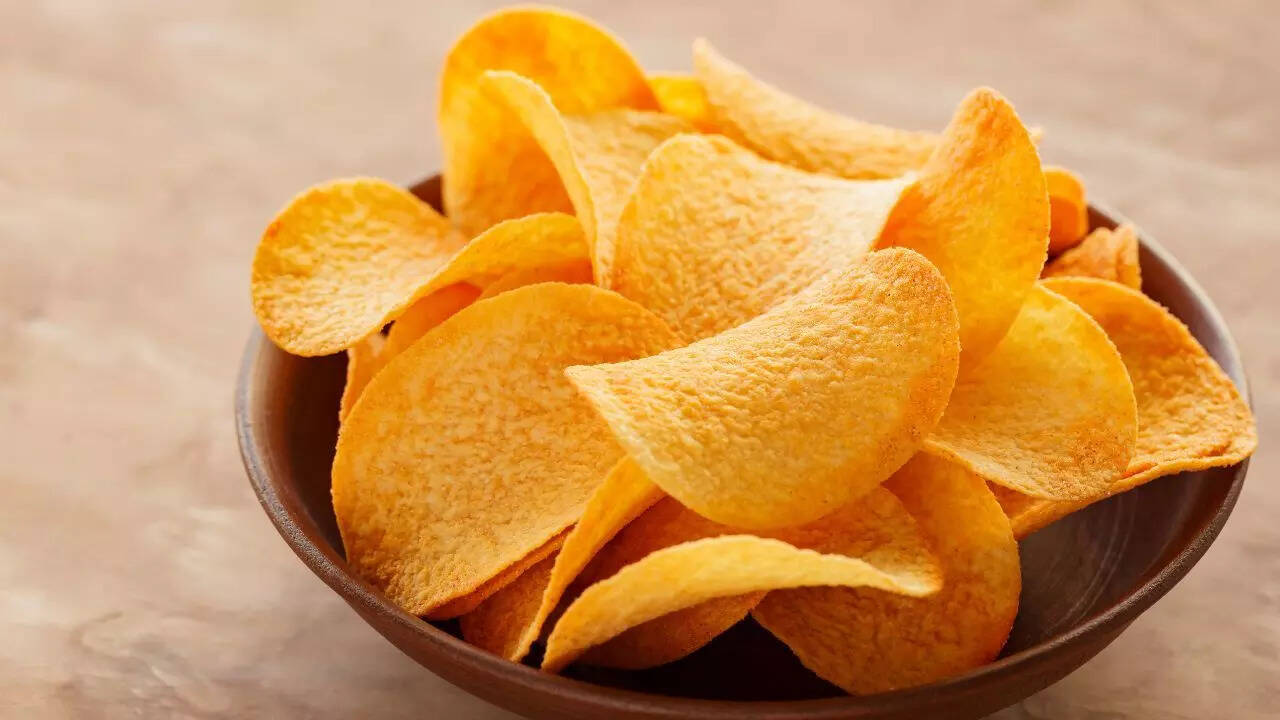 It is common that snacks are exposed to plastic fragments during the stages of processing and packaging.Swap: Prepare snacks at home and keep them in the glass jars or reusable tins.7. Canned foods:
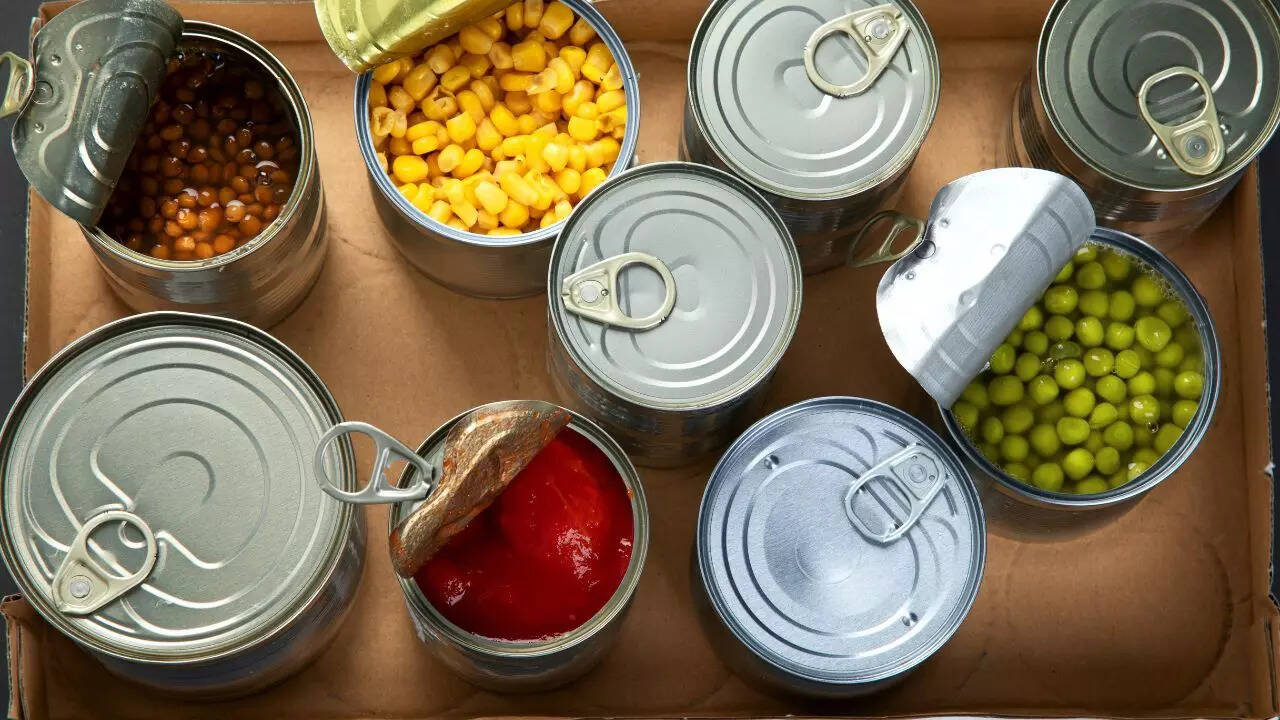 Plastic can be the source of the inner lining as well as the parts that facilitate the process.Swap: When there is an option, go for products packed in glass or freshly made meals.8. Sugars and sweeteners:
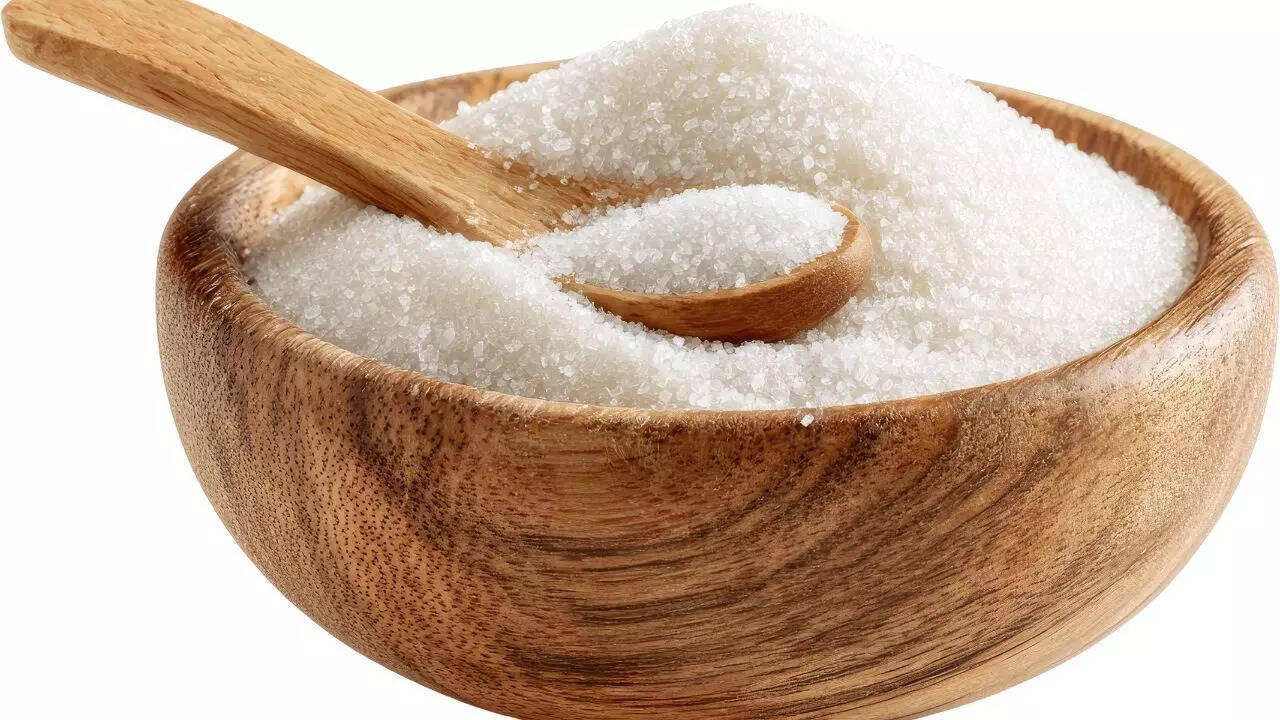 Processing and packaging may also contaminate these fine powders.Swap: Buy from trusted sources and in large quantities with minimum plastic use; also, you can use whole fruit as a sweetener.9. Milk powder and powdered supplements:
 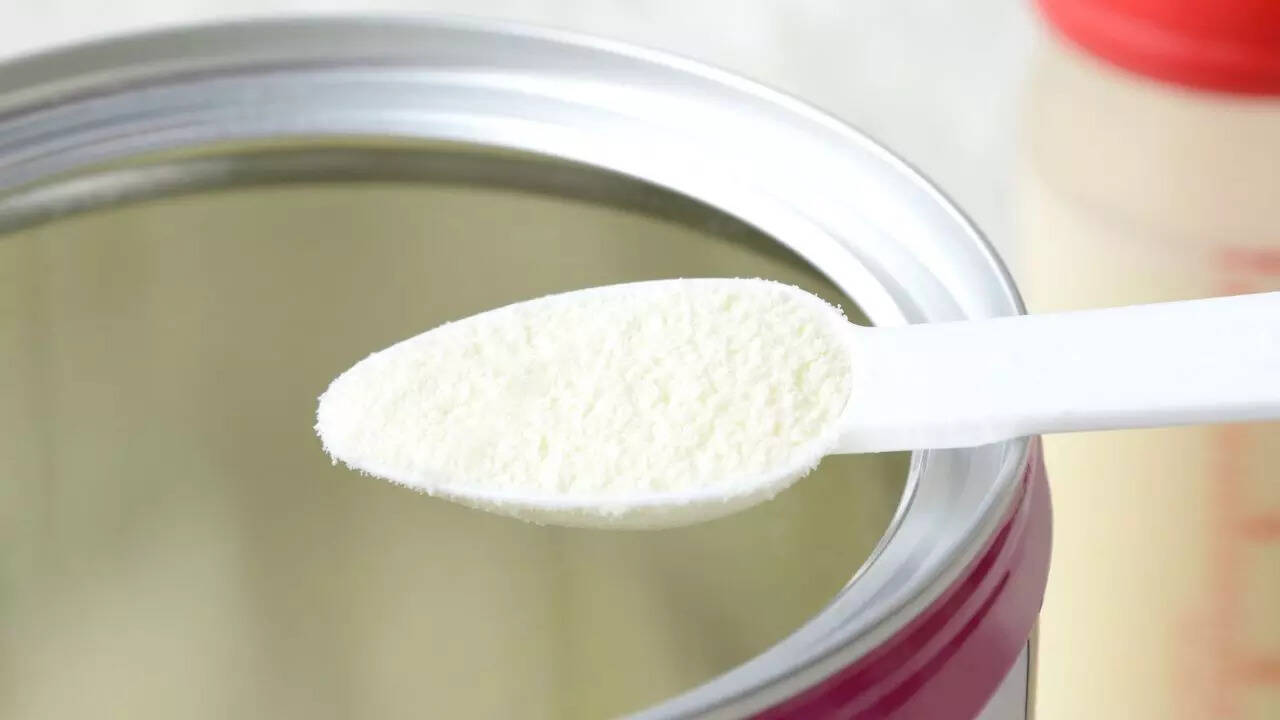 Most of the time, powdered products show plastic contamination from their packaging or processing.Swap: If it’s feasible, go for fresh liquid dairy; alternatively, get powder that is packed in glass-lined containers.10. Fruits and vegetables (surface contamination):
  Produce can be laden with airborne microfibres or residues of contaminated irrigation water.Swap: Wash thoroughly and peel when it is reasonable; also, you can choose organic and locally grown products that are watered with clean water.11. Meat and poultry (packaging residues):
 Plastic trays and wraps are capable of releasing microfragments, especially when heated in a microwave.Swap: Purchase from butcher counters, which have little plastic wrapping, and don’t heat your food in plastic.12. Baked goods and processed grains:
 Baked goods and processed grains can get microplastics through their processing equipment and packaging.Swap: Bake at home using whole grains; by doing so, you can keep the product fresh by storing it in glass or cloth.Practical tips to reduce microplastic intake
- Don’t put food in plastic containers in the oven or microwave if you’re heating food.
- For storing food and reheating, choose glass, ceramic, or stainless-steel containers.
- Install a good water filter and only drink tap water if it is safe.
- Choose loose-leaf tea and whole foods rather than packaged, processed ones.
- Where it is possible, buy in bulk from packaging that is plastic-free and unionise with brands that disclose microplastic testing.
Microplastics are everywhere, even in foods that are marketed as healthy, but small, consistent changes to how you shop, store, and cook can lower your exposure to them without losing out on nutrition. While the scientific community is still investigating the long-term effects, getting rid of the sources that you can easily avoid is a step that you can take right now.Disclaimer: This article is a summary of the current research and is meant for informational purposes only and should not be considered a substitute for advice from health professionals.Also read | How to make restaurant-style creamy white sauce pasta at home