The Florida Fish and Wildlife Conservation Commission has released the results of Florida’s 2025 black bear hunt. The three-week season drew sharp criticism from animal advocacy groups despite assurances from state wildlife officials that the population can sustain limited hunting.The hunt began Dec. 6 and concluded Dec. 28. FWC officials say the hunt was carefully regulated and based on years of conservation and population data.Through a random drawing, a total of 172 permits were issued and each permit allowed the harvest of one bear, according to the FWC. There were 52 bears harvested during the 2025 bear hunt, which FWC said is a hunter success rate very close to other states with similar hunt parameters. This information means 30% of people who got the permit killed a bear during the hunt.Several wildlife advocates told WESH 2 they got permits just so there would be bears that didn’t get hunted.This year’s numbers are significantly lower than the last bear hunt that took place in 2015, where 304 bears were killed, and over 3,700 permits were issued. The FWC issued a release on Tuesday sharing the results.”The 2025 black bear hunt, rooted in sound scientific data, was a success. We’re proud to have joined the more than 30 states that manage black bears with regulated hunting,” said FWC Executive Director Roger Young in the release. “The limited number of permits issued in areas with the largest bear populations and other components of the hunt prioritized a conservative approach that ensures the long-term health of bear populations in Florida, while providing opportunity for hunters.”Hunting is an effective tool for managing wildlife populations around the world and is a key part of the North American Model of Wildlife Conservation,” said FWC Chief Conservation Officer George Warthen. “It’s about helping bears succeed over the long term in our state and is a way for us to guide an iconic Florida species into the future, for their benefit and ours.” “Our officers maintained a strong, engaged presence throughout the hunt to help ensure it was conducted safely and legally,” said Colonel Alberto Maza, Director of the FWC Division of Law Enforcement. “While our officers were there to uphold the rules, the primary focus was education. I’m proud of our officers for protecting this important resource and supporting the goals of the agency’s Bear Management Plan.”More information on the bear hunt, along with answers to frequently asked questions, can be found at MyFWC.com/hunting/bear.
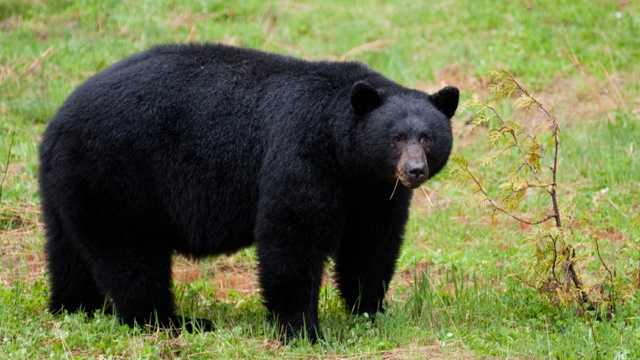
The Florida Fish and Wildlife Conservation Commission has released the results of Florida’s 2025 black bear hunt.
The three-week season drew sharp criticism from animal advocacy groups despite assurances from state wildlife officials that the population can sustain limited hunting.
The hunt began Dec. 6 and concluded Dec. 28. FWC officials say the hunt was carefully regulated and based on years of conservation and population data.
Through a random drawing, a total of 172 permits were issued and each permit allowed the harvest of one bear, according to the FWC.
There were 52 bears harvested during the 2025 bear hunt, which FWC said is a hunter success rate very close to other states with similar hunt parameters.
This information means 30% of people who got the permit killed a bear during the hunt.
Several wildlife advocates told WESH 2 they got permits just so there would be bears that didn’t get hunted.
This year’s numbers are significantly lower than the last bear hunt that took place in 2015, where 304 bears were killed, and over 3,700 permits were issued.
The FWC issued a release on Tuesday sharing the results.
“The 2025 black bear hunt, rooted in sound scientific data, was a success. We’re proud to have joined the more than 30 states that manage black bears with regulated hunting,” said FWC Executive Director Roger Young in the release. “The limited number of permits issued in areas with the largest bear populations and other components of the hunt prioritized a conservative approach that ensures the long-term health of bear populations in Florida, while providing opportunity for hunters.”
Hunting is an effective tool for managing wildlife populations around the world and is a key part of the North American Model of Wildlife Conservation,” said FWC Chief Conservation Officer George Warthen. “It’s about helping bears succeed over the long term in our state and is a way for us to guide an iconic Florida species into the future, for their benefit and ours.”
“Our officers maintained a strong, engaged presence throughout the hunt to help ensure it was conducted safely and legally,” said Colonel Alberto Maza, Director of the FWC Division of Law Enforcement. “While our officers were there to uphold the rules, the primary focus was education. I’m proud of our officers for protecting this important resource and supporting the goals of the agency’s Bear Management Plan.”
More information on the bear hunt, along with answers to frequently asked questions, can be found at MyFWC.com/hunting/bear.