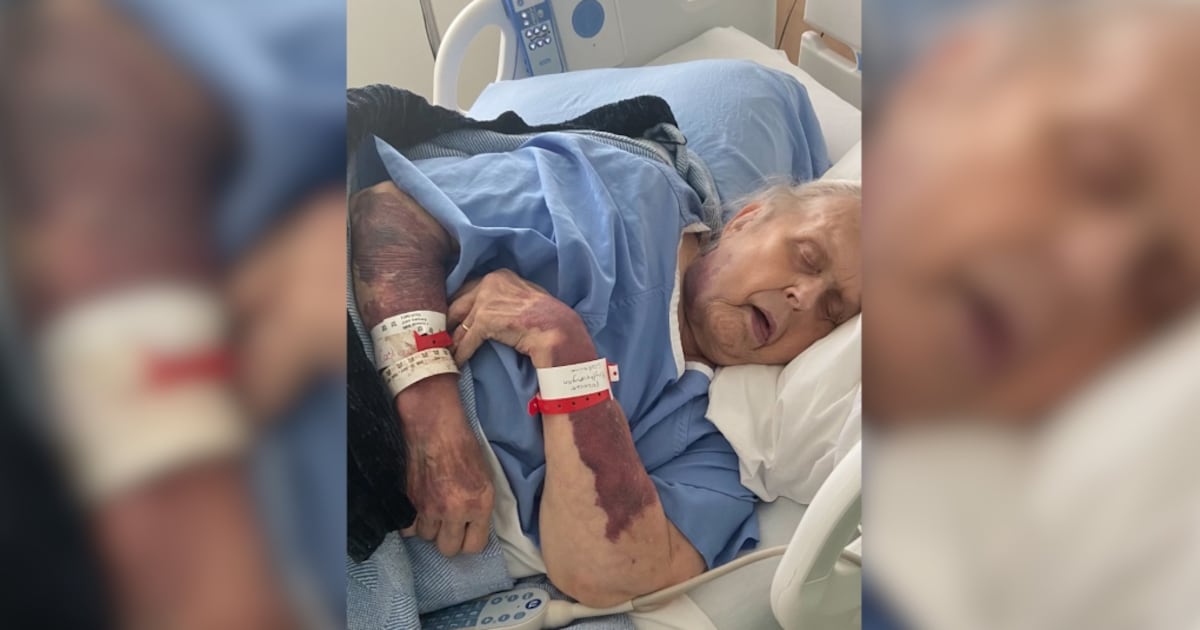
Patient Ombudsman is calling for changes to a Toronto hospital after a senior with dementia was allegedly assaulted by a security guard. Jon Woodward reports.
An Ontario healthcare watchdog is calling for changes after finding what it called “hawkish and militaristic” language in a Toronto hospital policy for security guards in the wake of two injuries there, including an 84-year-old woman who was badly bruised two years ago.
Ontario’s Patient Ombudsman discovered language including the phrase “tour of duty” in the “warlike” marching orders of the “protection agents” at Michael Garron Hospital in Toronto’s East End – suggesting a culture that would be at odds with the core mission of a hospital.
“This framing of such policies, and the organizational culture it implies, is not consistent with the goals and principles of a health care environment,” the Ombudsman said in its full report into the injures that was obtained by CTV News.
“Language associated with combat may not reflect the positive and supportive environment in a health care organization and supported by the core values, particularly compassion and respect,” the Ombudsman wrote.
Michael Garron Hospital says it has accepted the recommendations, including changing the language in the policy and has also equipping its security staff with body-worn cameras, which are used by several Canadian police forces to record evidence of any use-of-force incidents.
The Ombudsman’s office began the report on its own initiative in the wake of a CTV News report into how 84-year-old June Turcotte had arrived at Michael Garron hospital for basic tests in September 2023 only to end up covered in bruises.
Turcotte, who is deaf and has dementia, stayed for hours longer than anticipated. One family member left instructions on how to communicate with her through a white board before leaving for the night.
That family member returned the following morning to find Turcotte restrained and covered in bruises. Turcotte’s family says they were told by staff she was put in a headlock.
“It was a shock,” recalled June Turcotte’s son Michael in an interview with CTV News in 2024. “An 84 year old lady in a bed is no threat to anybody. And if the only resource they have is putting her in a headlock and causing those kinds of injuries then the system really needs to be looked at and changed.”
The Ombudsman found that the use of force rates at the hospital had increased, from 1.8 interventions per 1,000 emergency room visits in 2023 to 2.1 interventions per 1,000 visits, which worked out to just under 3 uses of force at the hospital per week.
Those numbers could be reflective of the genuine threats that healthcare staff face on the job, said ER doctor Alan Drummond.
“Substance abuse is rampant. Dementia is increasing. People are medically ill and they often become quite delirious and have a lack of control,” Drummond said.
He pointed to high-profile incidents in Vancouver, where a nurse was strangled unconscious in March, and a Halifax attack where two hospital employees were stabbed last January.
Drummond says hospitals must take such threats seriously and put into place policies and a culture of safety to prevent the likelihood of these events occurring. But he also said he thinks those measures should not go so far as to prevent the hospital from being a supportive place for those who need it.
“As we take things to the extreme sometimes, I hope we are not destroying what we built which is an environment that we come to for help and reassurance,” he said.
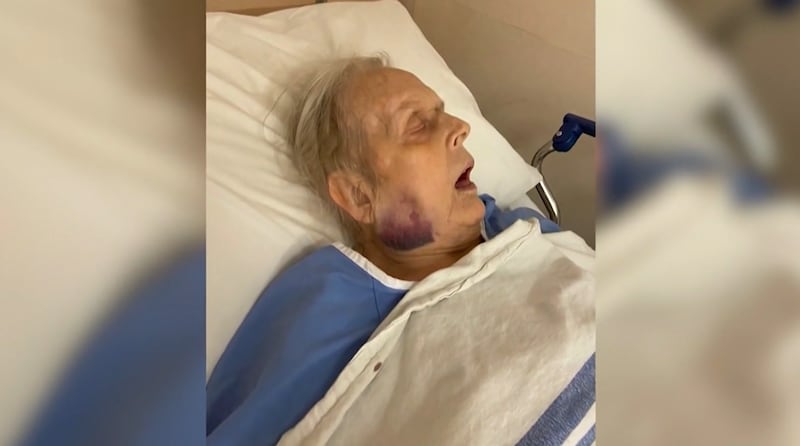 Woodward report
The report notes there is no security footage of the Turcotte incident itself. In interviews, and using security footage of nearby areas, the Ombudsman reconstructed events. At around 1 a.m., Turcotte woke and was asking to leave the hospital with a relative.
A nurse approached, gave Turcotte a cane, and walked her back to the patient room. A doctor appeared briefly, and then a security guard arrived and introduced him or herself and tried to use the communication board to encourage Turcotte to return to bed.
The emergency department physician directed a nurse to give 1mg of Ativan and apply “soft restraints” to the patient. While she was being lifted, Turcotte is alleged to have tried to strike a staff member with a cane. The report suggests the “headlock” may have been the guard using a hand to prevent Turcotte from spitting.
Turcotte was restrained and fought against those restraints for more than three hours, the report says. A doctor ordered x-rays of her wrists to investigate the pain she reported but didn’t find any fractures.
Toronto Police didn’t charge the security guard and the province’s Ministry of the Solicitor General didn’t discipline the guard either. The hospital’s external reviewing agency also found the force “necessary and reasonable” though the Ombudsman found a long-standing contractual relationship with the hospital created a “perception of conflict of interest and undermines the credibility of their assessment.”
Since the incident, the hospital has created a geriatric emergency department area, revised its physician and triage nurse schedules, assigned another half-time employee to the unit, and revised its security policies to do away with militaristic language.
“Michael Garron Hospital (MGH) takes patient complaints seriously and has carefully reviewed the ombudsman’s report. MGH has implemented all recommendations made in the ombudsman’s report. We remain committed to providing compassionate, high-quality care to all patients and families in our community,” said hospital VP Phillip Kotanidis in a statement.
The Patient Ombudsman, Craig Thompson, said in a statement that his investigation summaries don’t name hospitals or patients to protect personal health information and to encourage organizations to view investigations as opportunities to improve rather than laying blame.
“Complaints related to hospital security are not isolated to one hospital,” he said. “My office felt that investigating this issue and sharing recommendations would give us the opportunity to improve patient experiences across the health system.”
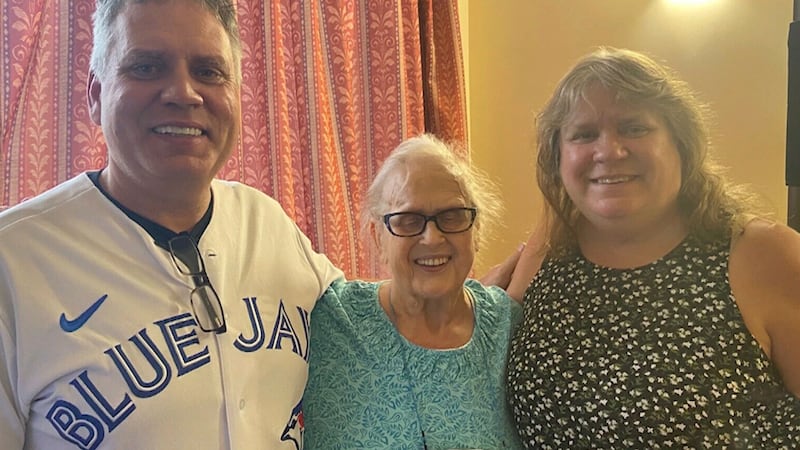 June Turcotte
The Turcottes hope the changes at Michael Garron Hospital will be replicated elsewhere to reduce the chances of a similar incident resulting in injuries to another elderly person.
“You shouldn’t go to emergency and get injured,” Michael Turcotte said.