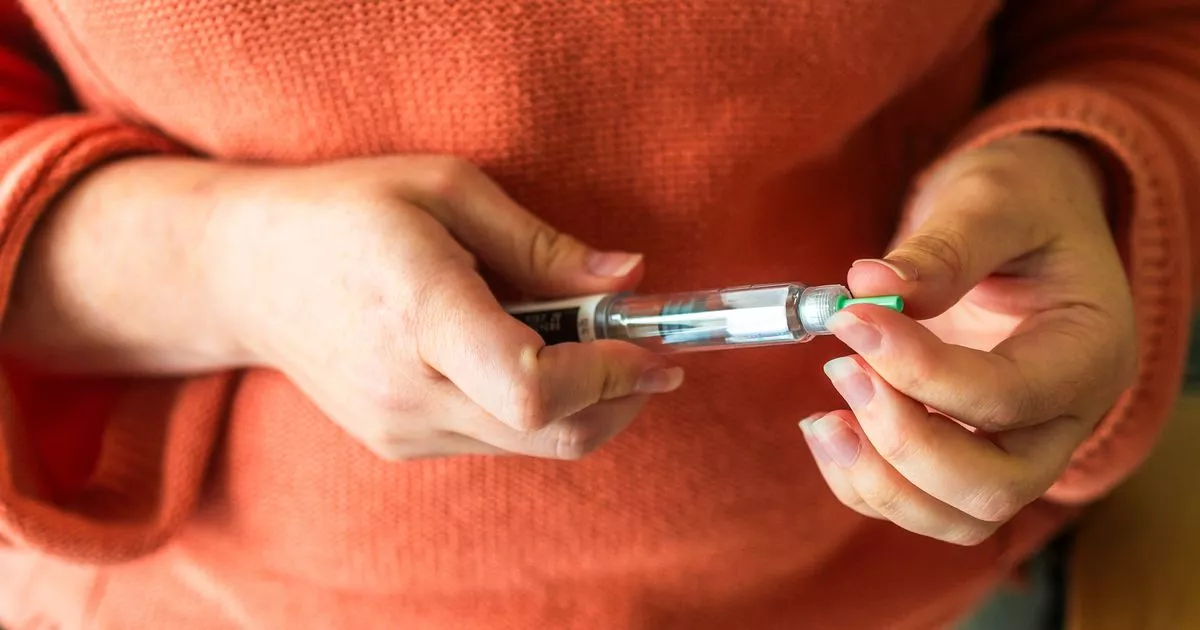
Patients are urged to check the latest guidance and speak to their GP if they have any questions
12:44, 04 Jan 2026Updated 12:45, 04 Jan 2026
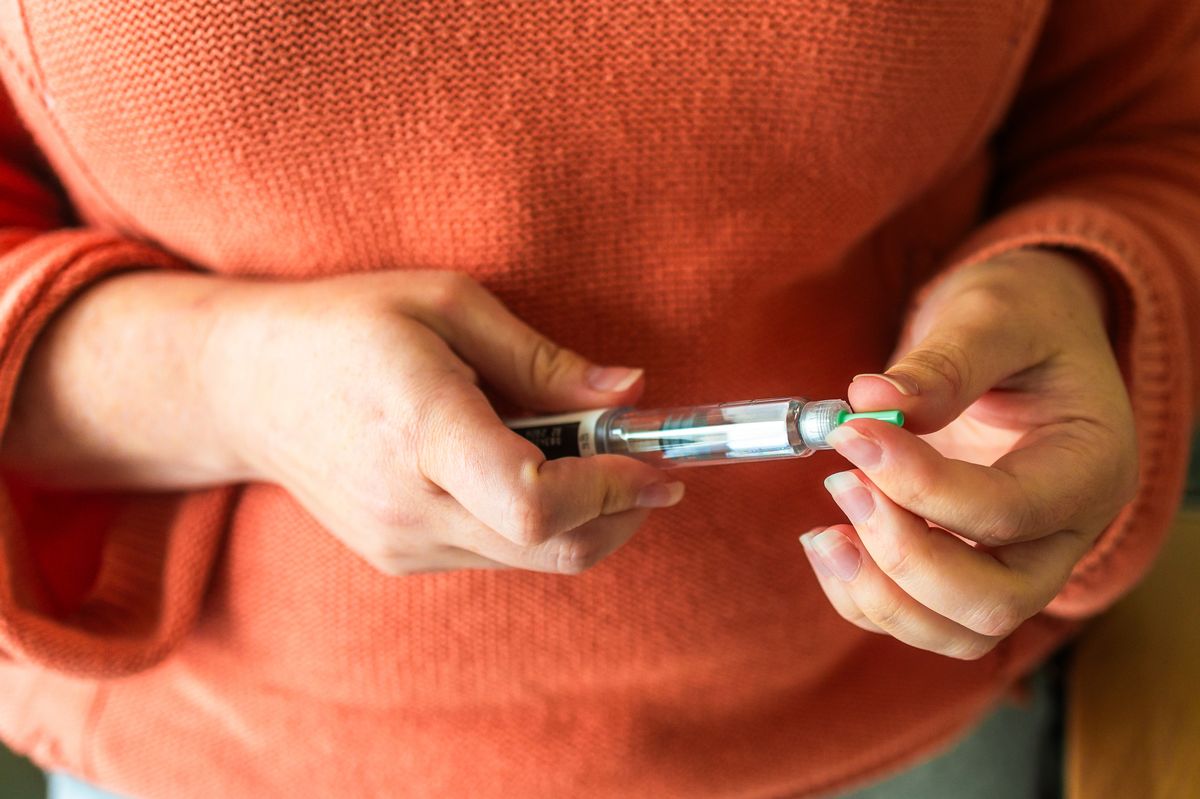 Advice can be found on the NHS website (stock image)(Image: Getty)
With the arrival of January, many people will be planning on starting the New Year with new health and fitness goals, including trying to lose weight. Exercising regularly, going to the gym, and maintaining a balanced, healthy diet are key factors that help improve overall well-being and can contribute to weight loss. However, for some people, taking these steps may not be enough.
Some medications that can help trigger weight loss can be an option for certain people, though they are typically intended for people with type 2 diabetes and potentially those who have had difficulty losing weight through lifestyle changes alone. They aren’t only for people who “can’t” lose weight on their own, but are more like a helpful tool when other ways haven’t worked well enough.
GLP-1 agonists are medications such as tirzepatide and semaglutide, often known by brand names like Mounjaro, Ozempic, or Wegovy. They are prescribed for people with type 2 diabetes or to help with chronic weight management in certain adults. These medicines work by slowing down the rate at which food leaves the stomach, by mimicking gut hormones to control blood sugar and reduce appetite.
For people who are eligible for such injections and have been prescribed them by a GP, there is an important NHS alert that patients should be aware of. It primarily affects anyone who is also taking other medications at the same time, including the contraceptive pill and Hormone Replacement Therapy (HRT).
An ‘important notice’ statement can be seen on the NHS website that’s aimed at patients using jabs and taking the pill or HRT. The health service warns that taking certain injections can reduce the effectiveness of the pill and HRT.
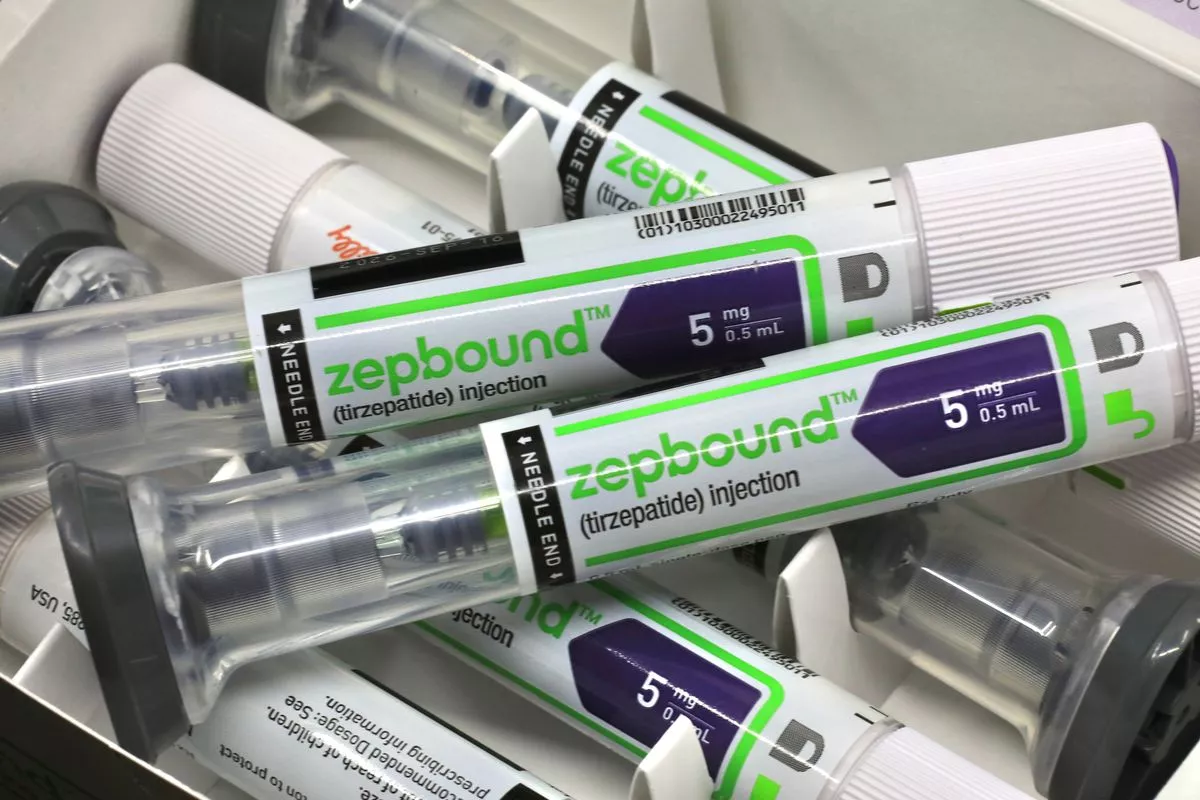 GLP-1 agonists are medications such as tirzepatide and semaglutide (stock image)
It says: “Many patients are now using weight loss medications like Tirzepatide (Mounjaro) or Semaglutide (Ozempic, Wegovy, Rybelsus) — either for diabetes or privately for weight loss. These medications work partly by slowing down how your stomach empties, which can affect how well other medicines (like the contraceptive pill or HRT tablets) are absorbed by your body.”
If you take the contraceptive pill:
Tirzepatide (Mounjaro) may reduce how well any oral contraceptive works, including the Progesterone-Only Pill. The NHS says you should:
- use a non-oral method (eg coil or implant)
- or add a barrier method (like condoms) for four weeks after starting or increasing the dose.
It adds: “Use extra protection (like condoms) if you have vomiting or diarrhoea and follow the missed pill rules (see the patient information leaflet which comes with your pill) if you vomit within three hours of taking the pill or have diarrhoea for more than 24 hours.”
Regarding Semaglutide and others, the NHS says “these do not appear to reduce the effectiveness of the pill”. But side effects like vomiting or diarrhoea can still reduce how well the pill is absorbed.
 Mounjaro (tirzepatide) reduces the absorption of the contraceptive pill (stock image)
“So, use extra protection (like condoms) if you have vomiting or diarrhoea and follow the missed pill rules (see the patient information leaflet which comes with your pill) if you vomit within three hours of taking the pill or have diarrhoea for more than 24 hours,” the NHS says. “Please see further information here: Patient Information GLP 1 Agonists And Contraception.”
The NHS also says GLP-1 agonists do not affect non-oral contraception methods. Therefore, it is safe to use options like the coil (IUD), implant, or injection without any extra precautions when taking a GLP-1 agonist. If you are interested in changing your contraception, you should discuss this with your doctor.
The health service adds: “GLP-1 agonists should not be used if you are pregnant. It is crucial to use effective contraception when taking these medicines. If you become pregnant while on these medications, you should speak to your doctor immediately. You should also stop taking GLP-1 agonists several weeks before attempting to conceive.”
If you’re taking Hormone Replacement Therapy (HRT):
This applies if your HRT includes progesterone tablets like:
- Progesterone or Utrogestan
- Norethisterone
- Medroxyprogesterone acetate
There is some concern that medications – such as Tirzepatide (Mounjaro) and Semaglutide – may reduce the absorption of these tablets. The NHS says: “This could lead to irregular bleeding and may affect the protection of your womb lining (potentially leading to an increased risk of endometrial cancer).
“Contact the surgery to discuss your HRT or contraception options while using weight loss medication.”