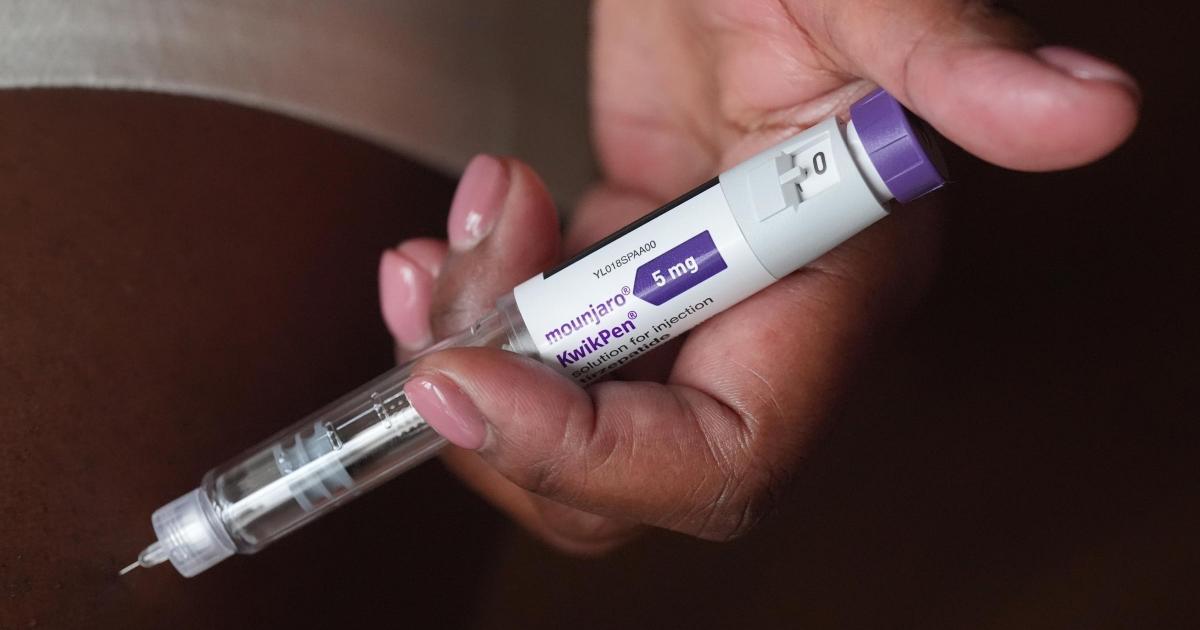
It’s estimated that 2.5 million people in the UK are now using weight loss jabs. As searches for “how to store Wegovy” rise by 44%, experts are warning that dropping temperatures can put these sensitive medications at risk. While the injection pens are delivered in chilled containers, if temperatures drop too low, the medicine can be damaged.
Pharmacist Jason Murphy says: “Colder weather can pose a significant risk to those taking weight loss injections, as this can negatively affect storage conditions.
“Your medication can be significantly affected when temperatures are not correctly maintained. Understanding the storage instructions when using any prescribed medication is vital to keep it in optimal condition.
“Weight loss injections are protein-based biological medications. These are drugs derived from living organisms, such as bacteria, mammalian cells, or yeast. They are complex, large molecules and are produced through biotechnology, making them sensitive to temperature variations and extreme highs and lows. Extremely cold temperatures or freezing can damage their protein structure, harming their medicinal effect, and making them potentially dangerous to use.
“This is because freezing damages the medication at a molecular level, as the active ingredients within weight loss injections are delicate peptide molecules with complex three-dimensional structures that are inherently sensitive to temperature extremes.
“Freezing causes the formation of ice crystals within the liquid, and these crystals disrupt and rupture the peptide structures. Therefore, if you think your weight loss jab is or has been frozen, dispose of it immediately, as defrosting won’t help to rectify the irreversible structural damage, and the altered molecules will no longer bind effectively to the body’s GLP-1 receptors, significantly reducing or eliminating the medication’s effectiveness.
“It is vital to store weight loss injections in a refrigerator (2-8°C or 36-46°F) to ensure they stay in the best condition. Bear in mind that weight loss injections can be stored at room temperature for up to 30 days (some injections, such as Wegovy, are 42 days, so always check with your prescriber or refer to the patient information leaflet).”
Jason, who is a weight loss expert at Chemist4U has also shared advice for those travelling this winter: “For those heading on holiday or travelling during the winter season, remember to pack your injections in your carry-on, since the baggage hold on a plane can plummet to below-freezing temperatures. If you are worried about travelling in chilly temperatures, you could put the pen in an insulated container to prevent it from getting too cold.
The Met Office has issued a yellow weather warning for parts of our region.
Snow showers and ice may cause disruption tomorrow, Saturday 3 January.
For more information, including advice on how to stay safe visit – https://t.co/HHoplleWFx pic.twitter.com/SAcPRv9nF5
— NorthumbriaNHS (@NorthumbriaNHS) January 2, 2026
“These are available on Amazon, and some come with a temperature display on the front, so that you can ensure your medication is stored at optimum temperatures.
“Finding the right temperature for your pen is important: not too hot or too cold. If you inject after incorrectly storing your pen, it might not be safe for use. If a pen is suspected to have been frozen, it must be discarded immediately and not used.”
There are a few important things to consider when checking if a weight loss pen is safe to use:
- Inspect the pen to ensure it is not damaged, and the medicine inside is clear, with no particles or cloudiness.
- The liquid should be colourless or slightly yellow. If you are concerned that you have left your pen in extremely cold temperatures and are unsure whether it is still safe to use, always consult your prescriber before injecting.
- Staying hydrated whilst taking weight loss injections and travelling is key. Weight loss injections can cause side effects such as nausea, which can be exacerbated for some by the impact of travel sickness, which, without sufficient fluids, can lead to dehydration.
New tablet version could be easier to store and cheaper than Mounjaro
This comes as experts have said after a new study into a more stable once-a-day pill could offer “more access” to weight loss medication.
Researchers said the pill will be cheaper than weight loss injections and could potentially make the medication available to a wider group of people who currently cannot afford to pay the high cost of the jabs.
The new pill, orforglipron, is a GLP-1 agonist, a type of medication which helps lower blood sugar levels, slows the digestion of food and can reduce appetite.
The tablets are currently in trial phases and are not yet available to the public – current GLP-1 drugs on the market are taken as injections and can be expensive.
Recommended reading:
Co-op and M&S launch special ‘mini meals’ for those taking weight-loss jabs
Co-op is launching a new own-brand range of GLP-1 friendly meals from January 7, specially developed for shoppers with smaller appetites following data which reveals 3% of the UK population – which is the equivalent of one in every 30 – is now using a form of weight loss medication.
Each meal is packed with protein, fibre and at least two of your five a day, and are inspired by global cuisines, including Co-op’s Butternut Squash, Beans and Grains 250g, Co-op Chicken & Sweet Potato Penang Curry 250g, Co-op Chicken & Courgette Alfredo Pasta 250g and Co-op Butternut Squash, Beans & Grains 250g, all £3.50 each.
Nicole Tallant, Retail Trading Director, Co-op, says: “There is also a growing need to cater for smaller appetites with meals that provide the quality without so much of the quantity. This whole new range is aimed at supporting shoppers’ wellbeing in a meaningful, accessible and convenient way.”
M&S also has a new Nutrient Dense range of 20 products, formulated for customers to meet their daily recommended amounts of fibre, vitamins and minerals, claiming the meals were ideal for those with a lower appetite or people taking GLP-1 weight loss medication.
The launch follows a dramatic rise in the number of people using GLP-1 weight-loss drugs.
Figures given to the Telegraph from life science analytics company IQVIA show that 2.49 million packs of Mounjaro and Wegovy were purchased in July – up from 493,000 the previous year.
Between July and August, sales jumped by an additional million, the newspaper reported, but this was amid widespread reports of stockpiling ahead of the September price increase.
Estimates suggest about 90% of people on weight-loss jabs pay for them privately online and via high street pharmacies.
The NHS has started its roll-out of Mounjaro but there are tight restrictions on which patients are eligible.
Over three years, the health service expects to give the jabs to 240,000 people.