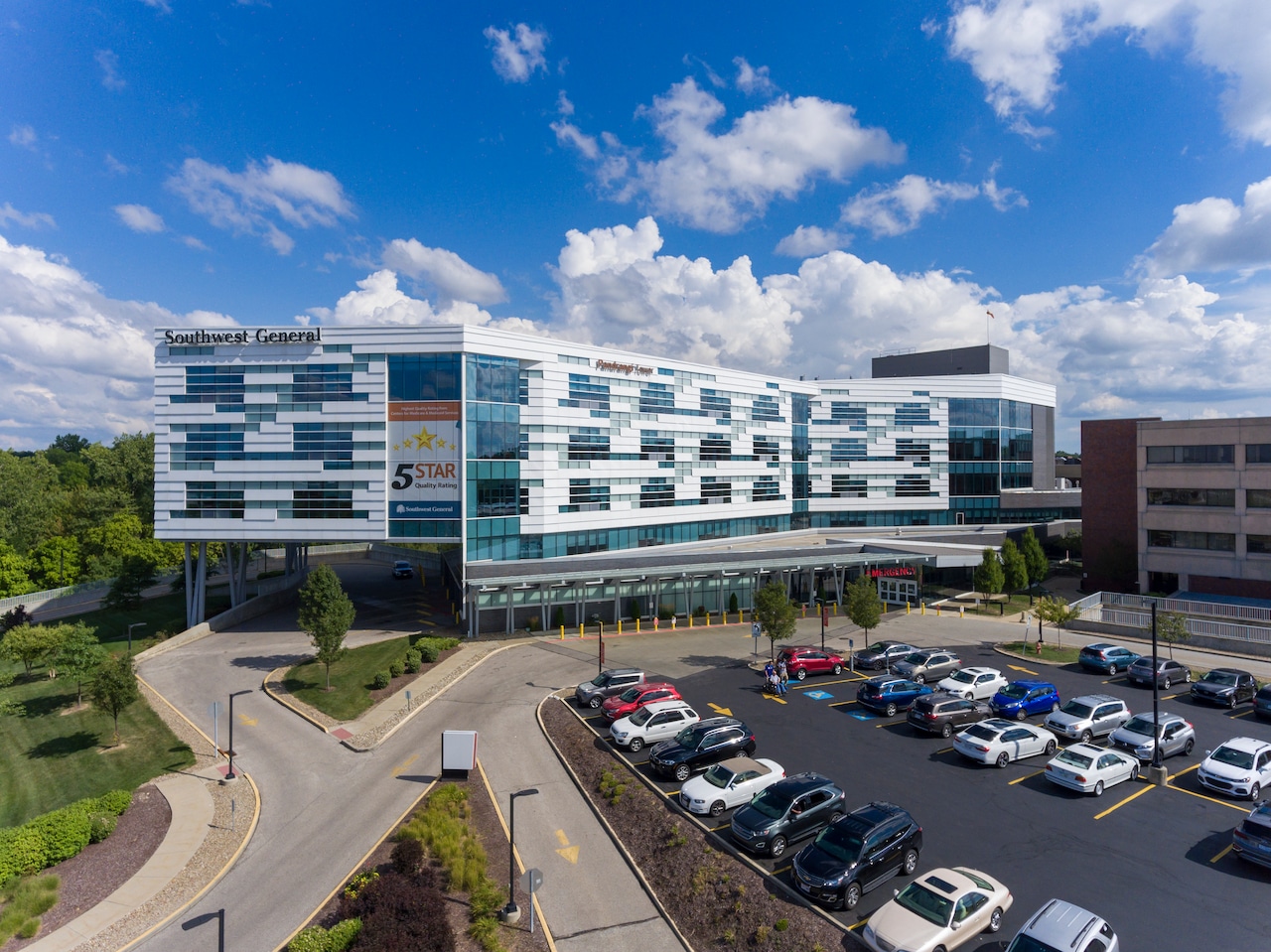
CLEVELAND, Ohio — Drug interactions may make medications less effective, or cause unexpected side effects. Meet with a Southwest General Health Center pharmacist to review your medications and have your questions answered on Thursday, Jan. 8 from 11 a.m. to noon at Southwest General’s Old Oak Center, 7575 Old Oak Blvd., Middleburg Heights.
The event is free and open to the public; people who are not Southwest General patients can attend.
The session will be repeated at the same time and place on Thursday, Feb. 12.
Alcohol, health conditions can affect drug interactions
If you take several different medicines, see more than one doctor, or have certain health conditions, you and your doctors need to be aware of all the medicines you take, the Food and Drug Administration advises.
Ask your pharmacist for the package insert for each prescription drug you take. The insert provides more information about potential drug interactions, the Food and Drug Administration said.
There are three main types of drug interactions:
- Drug-drug interactions happen when two or more drugs react with each other. This type of interaction may cause unexpected side effects. For example, mixing a sedative and allergy medication can slow reaction times and make it dangerous to drive or operate machinery.
- Drug-food/beverage interactions may result from drugs reacting with certain foods or alcohol.
- Drug-condition interactions may occur when an existing medical condition makes certain drugs potentially harmful.
Before taking a drug, ask your doctor or pharmacist the following questions:
- Can I take it with other drugs?
- Should I avoid certain foods, beverages or other products?
- What are possible drug interaction signs I should know about?
- How will the drug work in my body?
- Is there more information available about the drug or my condition?
Online sources for drug interaction information
Here are other places to find information about drug interactions:
The WebMD Drug Interaction Checker
Drugs.com Drug Interaction Checker