Introduction
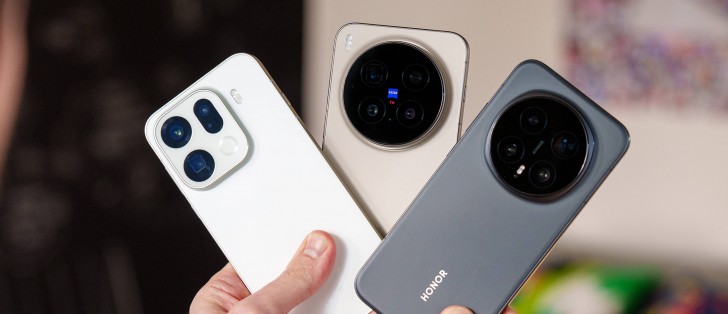
What’s in a name? Where do we draw the line between a Pro and an Ultra cameraphone? Well, it doesn’t need to fall onto us to make the distinction – the brands are doing it for us. We did an Ultra camera phone shootout a couple of months back, and it’s time to round up a few Pros. Oppo and vivo have had theirs out for some time now, and Honor is the latest to join this race.
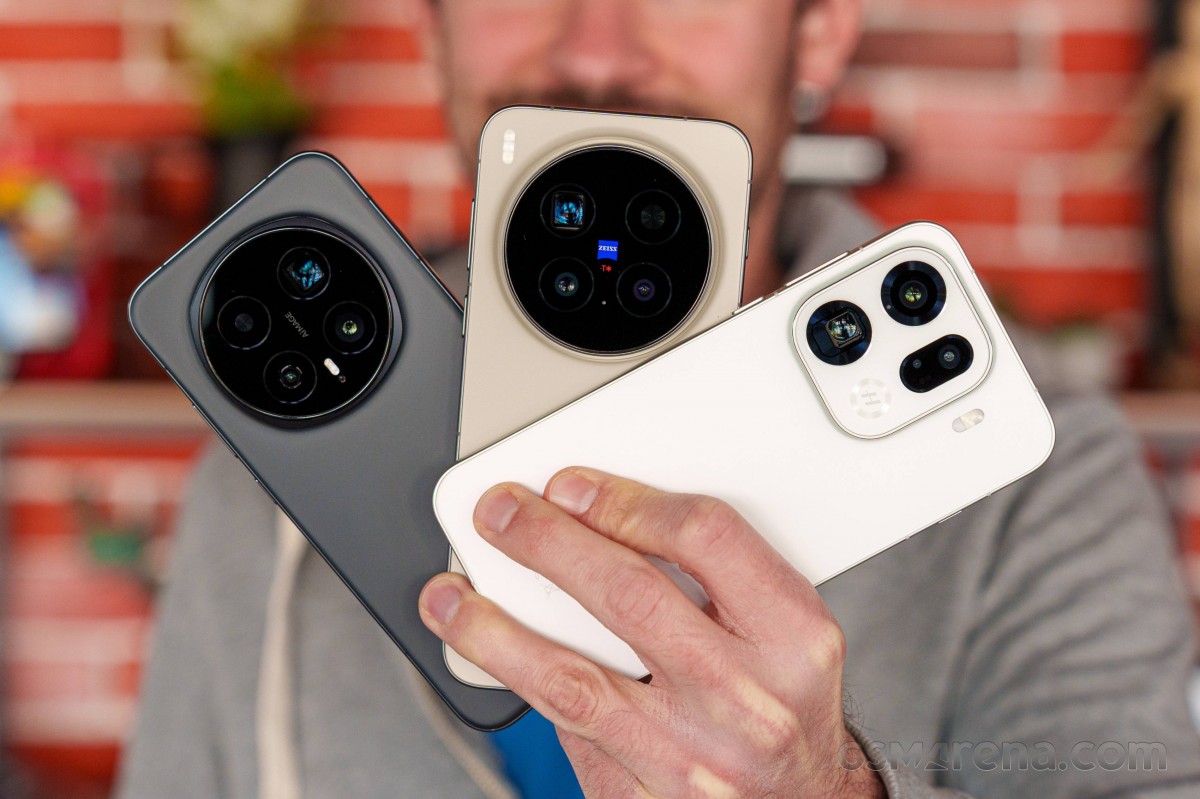
Honor Magic8 Pro • vivo X300 Pro • Oppo Find X9 Pro
The selection we have here – the Honor Magic8 Pro, Oppo Find X9 Pro, and vivo X300 Pro – is closer to being truly international and as such this comparison has potential for being of more practical use than our earlier article, which was more of an academic pursuit, given the selection of the phones – two China-only releases from Oppo and vivo, plus a Google-less Huawei joining the global Samsung and Xiaomi.
All three of the phones here adopt a relatively similar camera configuration with three rear modules (so no double telephotos). One of them, the ‘main’ camera, has a sensor with an optical format around 1/1.3″, a 23-24mm focal length, and an f/1.5-f/1.6 aperture – no more changeable apertures on the Honor, and no 1.0″-type sensors either.
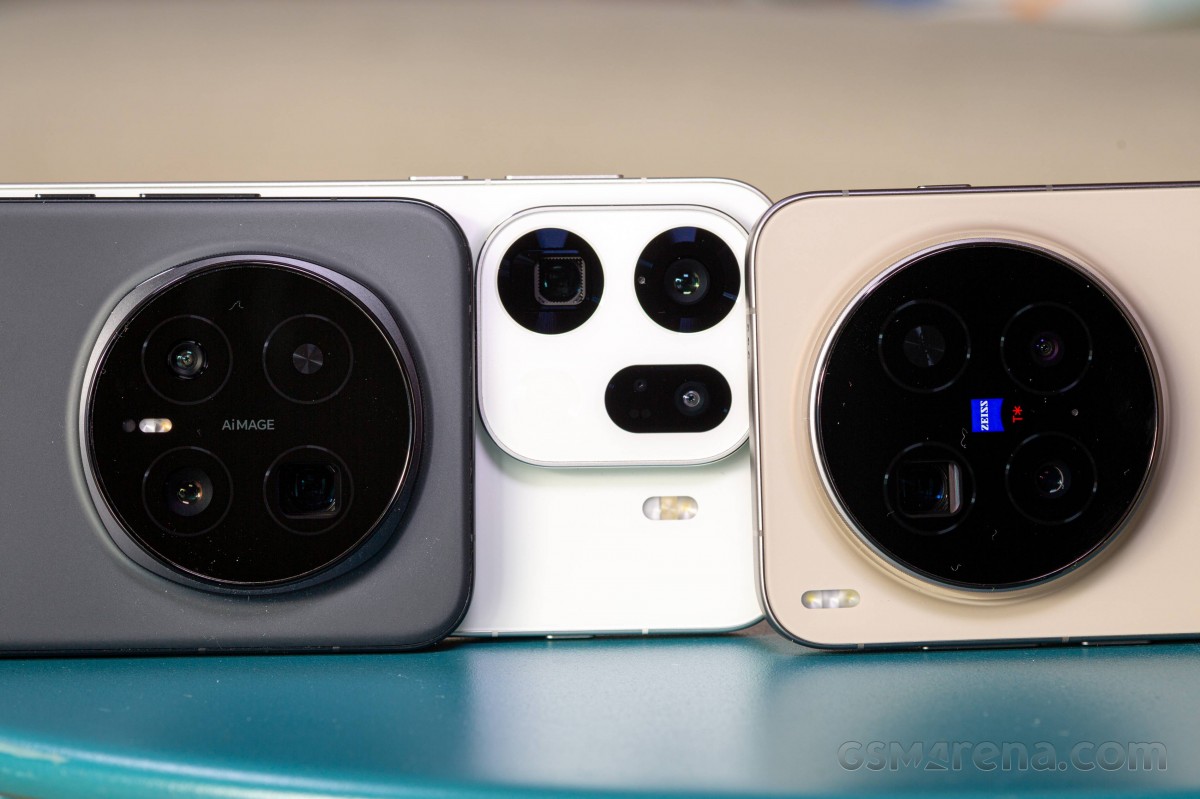
Honor Magic8 Pro • Oppo Find X9 Pro • vivo X300 Pro
When it comes to the ultrawides, the Oppo and the vivo share very similar specs, with identically sized sensors and 15mm-equivalent lenses. The Honor’s sensor is marginally smaller (inconsequentially so), but its lens is notably wider at 12mm, so there’s a difference that might matter. All three feature autofocus, of course.
The telephotos are also similar, but still not without nuances. All three use 200MP sensors, yes, but the Honor and the vivo have larger 1/1.4″ imagers while the Oppo opts for a 1/1.56″ unit. The Oppo differs in its lens too – its periscope has a 70mm focal length and an f/2.1 aperture in contrast to the 85mm f/2.6-f/2.7 lens on the other two.
The similarities continue on the front, where all three have 50MP sensors and very wide lenses. The Magic’s lens has been stripped of autofocusing capability, which is a surprising development and one that puts it at a disadvantage against the other two.
Here’s a quick rundown of the important numbers before we proceed to looking at the samples.
Honor
Oppo
vivo