
 Getty Images
New York Cracks Down on Online Predators as Federal Child Care Funds Are Frozen: What These Policy Changes Mean for You
At a Glance:
- New York State Senator Andrew Gounardes’ Stop Online Predators Act will be included in Governor Kathy Hochul’s 2026 State of the State Address.
- While New York lawmakers are moving to strengthen online protections for kids, Trump’s administration has decided to freeze certain federal child care funds in five states, including New York, creating uncertainty for families who rely on subsidies and services.
- Both developments paint a mixed but important picture for parents, as the year has started strongly in terms of New York family policy changes.
Psst… Check Out CDC Updates Childhood Vaccine Schedule: Here’s What NYC Parents Should Know
New York Pushes Stronger Online Safety Protection for Kids
New York is taking a firm stance on online child safety. Governor Kathy Hochul announced that she will include the Stop Online Predators Act in her 2026 State of the State agenda, signaling strong support for legislation aimed at protecting children on digital platforms.
The Stop Online Predators Act bill is sponsored by State Senator Andrew Gournardes, who has been focused on tech accountability and online safety in recent years. Gourdardes issued a statement highlighting the “reality of modern internet” and his fight against online predators. “With these commonsense protections, we’re once again sending a clear message that New York will always prioritize our kids’ safety over Big Tech’s profits,” the State Senator adds.
The legislation is designed to curb online grooming and exploitation on platforms where children spend significant time, particularly gaming and social platforms such as Roblox, where over 40 percent of users are minors, specifically under 13.
Why the Stop Online Predators Act Matters and What It Would Do If Passed
According to lawmakers, online safety regulations are often inconsistently enforced, creating risks for exploitation as platforms can allow adult users to interact and privately message children. Senator Gounardes has argued that if products like toys and car seats are regulated to protect kids, digital platforms should be held to similar standards.
If the bill is passed, the legislation would require online platforms to implement clearer protections for children, including:
- Age assurance measures to determine a user’s actual age.
- Private messaging turned off by default for kids, unless a parent opts in.
- Private profiles for minors, limiting access by strangers.
- Parental approval for friend requests and messaging for users under 13.
- Parent approval for financial transactions on children’s accounts.
- Parental access to a child’s approved friends list (for kids under 13).
Enforcement would be handled by the New York State Attorney General, with potential penalties of up to $5,000 per violation. For many parents, the bill represents a proactive step toward making online spaces safer, regardless of current parental control settings or family rules for electronic usage.
 Getty Images
Federal Child Care Funds Freeze Raises Red Flags
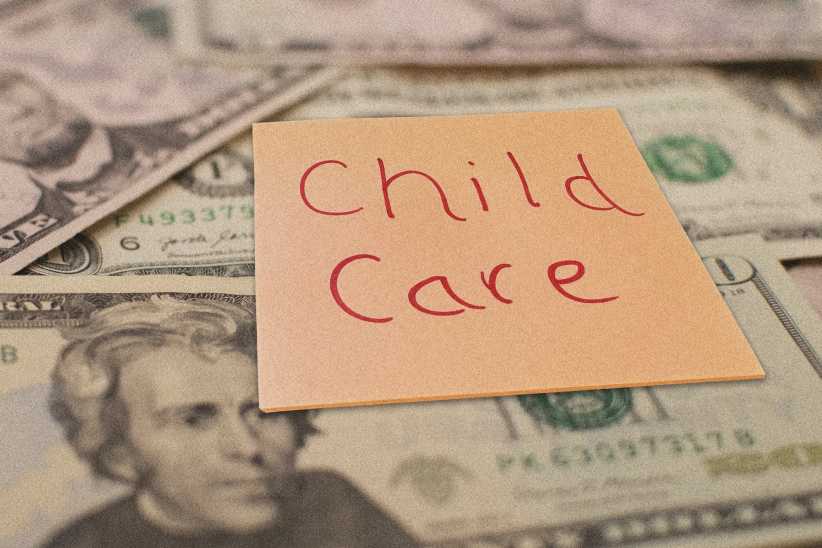
While New York is moving towards protecting our children in one area, families and caregivers are facing uncertainty in another. At the federal level, Trump’s administration just announced a freeze on certain child care assistance funds affecting five states, including New York, according to Reuters. The Department of Health and Human Services (HHS) has cited “concerns about fraud and misuse” as one of the reasons.
This pause jeopardizes programs that help working families afford child care or early childhood services. Governor Kathy Hochul deemed this as “vindictive and cruel.”
How the Funding Freeze Could Affect New York Families
The federal child care funds freeze may affect low-income families and children with special needs the most. While still unclear, it could have short-term ripple effects, including reductions in child care subsidies, fewer available early childhood services, and perhaps most importantly, financial strain on child care providers.
Federal Child Care Funds and Online Safety for Kids: Progress and Pressure
There’s no sugarcoating. For many New York families, these changes showcase a complicated reality. On one hand, the state is positioning itself as a national leader in online child safety, holding tech platforms accountable and prioritizing kids’ well-being in digital spaces. On the other hand, federal funding decisions could make everyday logistics (like paying for child care) more challenging.
What Parents Can Do Now
- Stay informed about changes to online safety laws and platform settings.
- Openly talking to your kids about digital boundaries and online behavior.
- Monitor updates from state officials regarding child care funding and support programs, and start seeking help and local alternatives, if available.
- Reach out to local representatives if child care access becomes a burden.
As New Yorkers move into 2026, families can see both meaningful protections and real issues at the same time. Understanding how these family policy changes affect us personally can help parents advocate and speak up for their children–online, at home, and within their own communities.
Psst… Check Out 3 New Health Care Laws: Here’s What’s Covered for New Yorkers