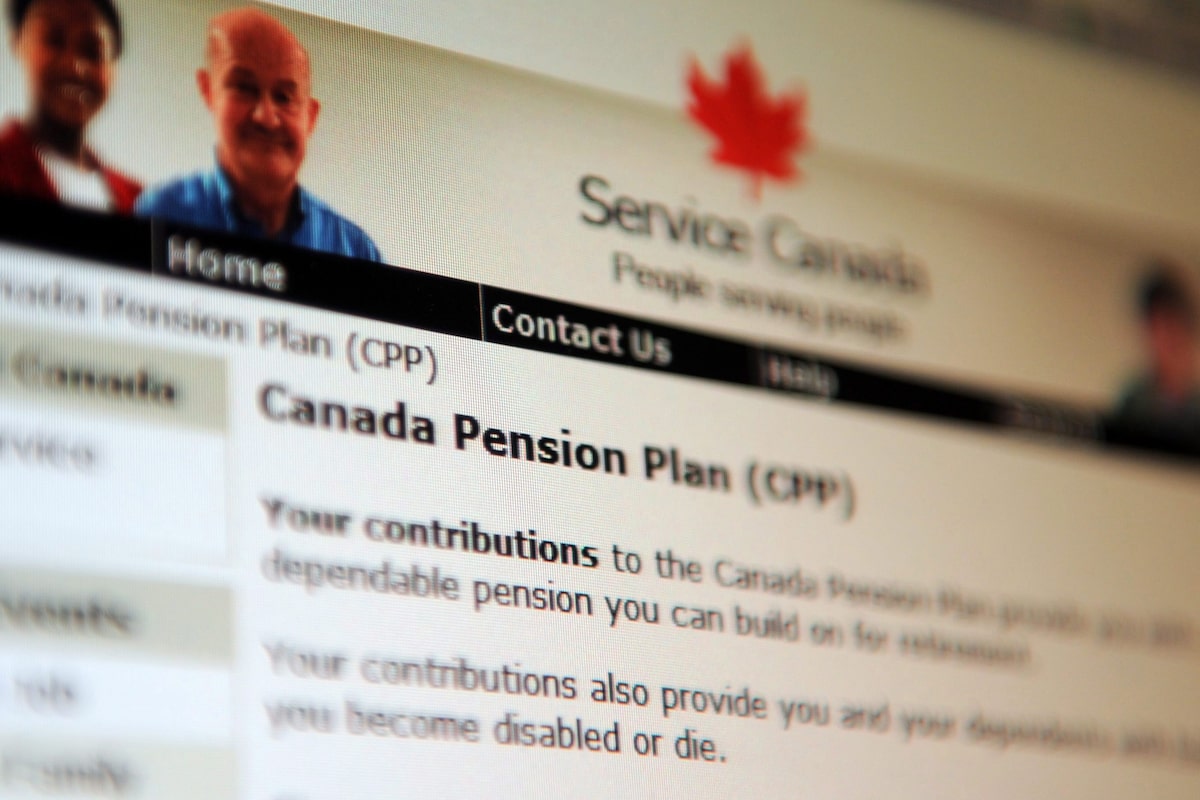
Canada Pension Plan payments increased just 2 per cent for 2026 – a drop from the 2.6-per-cent hike last year – providing little relief for retirees who are still coping with high prices.
Starting this month, the maximum monthly CPP payment for those starting their pension at age 65 will be $1,507.65, up from $1,433 last year. The smaller increase reflects cooling inflation, since CPP adjustments are tied to changes in consumer prices.
Five 2026 tax changes: New RRSP contribution limits, tax brackets and more
Focus on the 10 Ds for tax and estate planning in the new year
While inflation has eased overall, many retirees say the pension increase falls short. Prices for essentials such as groceries, gas and housing remain far higher than they were before the pandemic, raising concerns that seniors may have to dip into their savings sooner than expected, or rethink their retirement plans altogether.
The smaller increase “doesn’t meet seniors’ needs,” said Laura Tamblyn Watts, chief executive of seniors’ advocacy group CanAge.
“Expenses are going up, and they’re going up in areas that tend to affect seniors more than younger people.”
CPP payments are adjusted annually based on changes in Statistics Canada’s Consumer Price Index, which tracks how much Canadians pay for goods and services. This year’s increase is based on inflation data from November, 2024, to October, 2025, compared with the previous year.
The goal is to ensure CPP keeps pace with inflation. But Ms. Tamblyn Watts says that this calculation doesn’t accurately represent the pressures that seniors are facing. She says that while headline inflation has slowed, the specific costs seniors incur are still rising faster than average.
For example, inflation hit 2.2 per cent in November, but grocery prices still rose 4.7 per cent, marking the largest increase since December, 2023.
How a retired accountant spent his frugal father’s inheritance meaningfully
Charting Retirement: How much better is a public-sector pension plan?
Ms. Tamblyn Watts argues that CPP adjustments should be based on a different inflation measure that better reflects seniors’ spending patterns. That could mean reworking the basket of goods used to calculate inflation, so it gives greater weight to necessities such as food, housing, health care and transportation, she said.
In the meantime, she says, many retirees are already making painful trade-offs. Some are turning down the heat in their homes or buying expired food because it’s discounted. Others are cutting back on social activities or leaving their homes less often because of the cost of transportation.
“One of the biggest concerns we have is loneliness and social isolation,” she said.
While CPP rises and falls with inflation, retirees’ overall income growth depends largely on how their savings are invested.
Those with a financial cushion may be able to rely on long-term investment growth, including stocks. But higher living costs have made that harder for retirees who need easy access to cash to cover daily expenses.
Jennifer Watson, a certified financial planner and managing partner at Watson Investments in Oakville, Ont., advises retirees to keep enough cash on hand to cover immediate expenses. “You want to make sure you have a safe buffer,” she said.
But she cautions against holding too much in cash for a long period. When people feel anxious about their income, they can become overly conservative, and that can backfire, she said.
“The real risk becomes that you’re running out of money,” she said, because cash typically doesn’t grow fast enough to keep up with inflation over time.
That risk is compounded if retirees don’t rein in discretionary spending and end up withdrawing from their savings more quickly than planned. Ms. Watson recommends regular budget reviews to identify where costs can be trimmed and warns against taking on credit card debt to make ends meet.
When it comes to long-term growth in investments, Ms. Watson advises against trying to predict the market and suggests focusing on growth that outpaces inflation. “Most people need their money to be working for them, well above inflation, to make it through retirement,” she said.