Your support helps us to tell the story
From reproductive rights to climate change to Big Tech, The Independent is on the ground when the story is developing. Whether it’s investigating the financials of Elon Musk’s pro-Trump PAC or producing our latest documentary, ‘The A Word’, which shines a light on the American women fighting for reproductive rights, we know how important it is to parse out the facts from the messaging.
At such a critical moment in US history, we need reporters on the ground. Your donation allows us to keep sending journalists to speak to both sides of the story.
The Independent is trusted by Americans across the entire political spectrum. And unlike many other quality news outlets, we choose not to lock Americans out of our reporting and analysis with paywalls. We believe quality journalism should be available to everyone, paid for by those who can afford it.
Your support makes all the difference.Read more
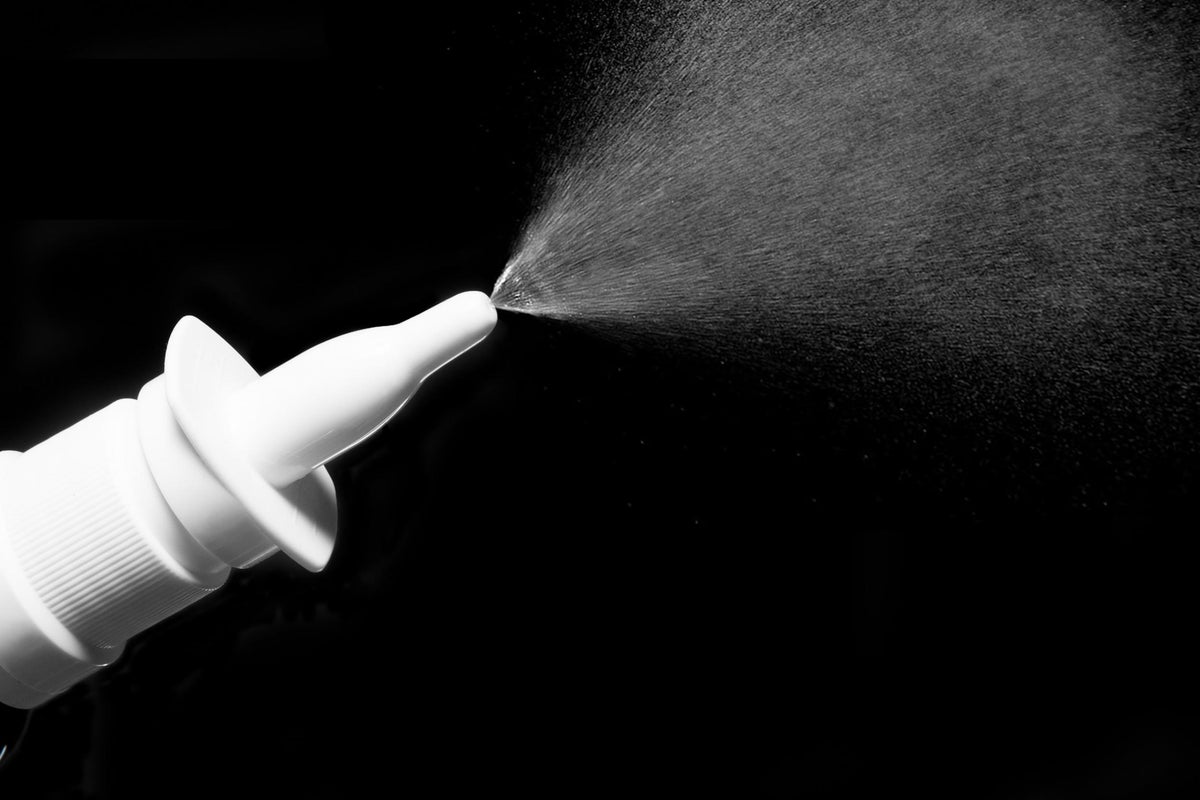
Individuals experiencing blocked noses are being advised to limit the use of nasal decongestant sprays to a maximum of seven days, as prolonged use risks worsening symptoms.
A recent poll underscores this concern, finding that almost six in 10 pharmacists report patients are unaware of the dangers of extended use.
While offering short-term relief for colds, allergies, and sinusitis, the Royal Pharmaceutical Society (RPS) warns that using sprays beyond a week can cause ‘rebound congestion’.
This preventable condition, also known as rhinitis medicamentosa, causes symptoms to worsen, with patients becoming dependent on sprays to breathe more easily.
An RPS survey of 300 pharmacists found 59% think the public is not aware of this risk, while almost three-quarters (74%) said packaging should be clearer about the seven-day limit.
 Using nasal sprays for longer than the prescribed time limit can cause congestion symptoms to return (PA Archive)
Almost two-thirds (63%) said they had intervened in cases of suspected overuse.
Professor Amira Guirguis, chief scientist at the RPS, said: “Nasal decongestant sprays can be helpful for short-term relief, but using them for longer than seven days can make your congestion significantly worse.
“Our research shows that many people are unaware of this risk, which means they may continue using these sprays without realising they could be prolonging their symptoms.
“We’d like to see clearer warnings on the packaging which you can’t miss and greater awareness of the seven-day limit. If your congestion lasts more than a week, speak to your pharmacist. There are safe and effective alternative options to help you manage your symptoms.”
The RPS urged patients to always follow the instructions on the packaging of nasal sprays and to seek advice from pharmacists if congestion continues after seven days.