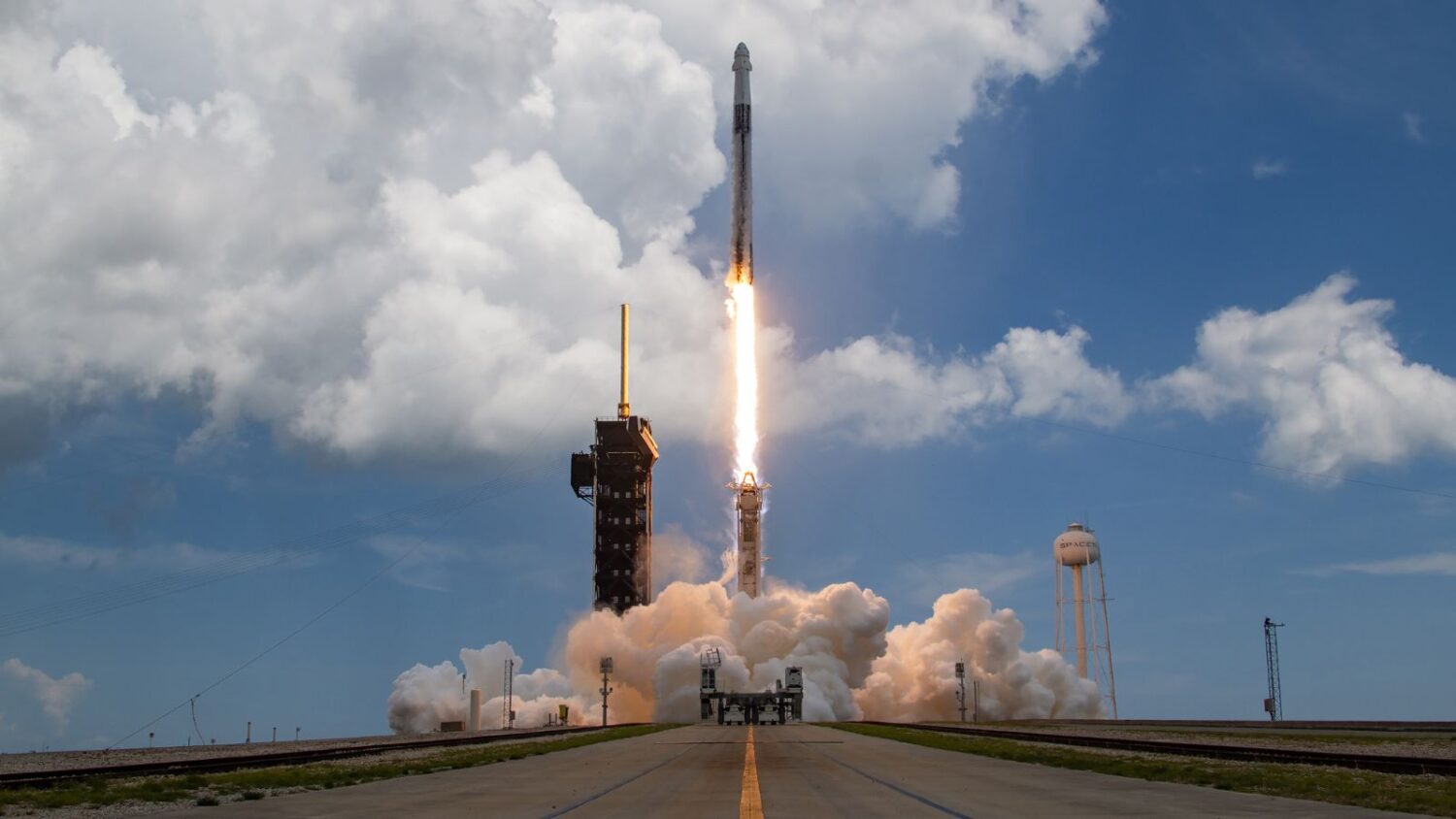
PHOENIX — Arizona State University will play a supporting role in this weekend’s SpaceX launch of a Twilight mission.
The Falcon 9 launch will take place at Vandenberg Space Force Base in California on Sunday.
A cereal box-sized ultraviolet telescope that ASU played a major role in building will be carried up to space as part of the launch of the rocket from Space Launch Complex 4E.
Despite its small size, the telescope has a big name: the Star-Planet Activity Research CubeSat, or SPARCS for short.
Why is the telescope ASU helped build part of the upcoming SpaceX launch?
After the SpaceX launch, SPARCS will help assess how habitable the space environment is for planets orbiting low-mass stars of the M and K spectral types. It makes these assessments by monitoring these stars’ flares and sunspot activities.
During the mission, the telescope will collect high-energy photons from these stars, which will help scientists see how stellar flares can change the atmosphere of a planet, according to the university’s news outlet, ASU News.
Researchers at ASU designed and assembled the spacecraft’s payload, which includes SPARCS, according to ASU News. Fifteen undergraduate ASU students worked on SPARCS.
The Sunday launch will be filmed live on both the SpaceX website and on the company’s X account.
The live webcast of the SpaceX launch will begin around 15 minutes prior to liftoff, which is scheduled for 6:19 a.m. MST.
We want to hear from you.
Have a story idea or tip? Pass it along to the KTAR News team here.
