Inflation held steady in December and appeared to be easing, even as higher food prices still ate at consumers’ wallets.
The Consumer Price Index (CPI) rose 2.7% over the prior year in December and 0.3% over the previous month’s muddy inflation reading, helped along by kitchen-table costs and price increases for some tariff-sensitive categories. Still, some expenses declined on a monthly basis, including used-vehicle prices.
Here’s what the latest CPI report means for your household.
Learn more: What is the Consumer Price Index (CPI)?
2025 was the year of meteoric beef prices.
Overall, meat, poultry, and fish prices were up 6.9% in December compared with a year earlier, driven by a 16.4% increase in beef and veal costs, which were also up 1% on a monthly basis. The average price for a pound of ground beef is now approaching $6.69 amid strong demand for protein and a shrinking cattle herd.
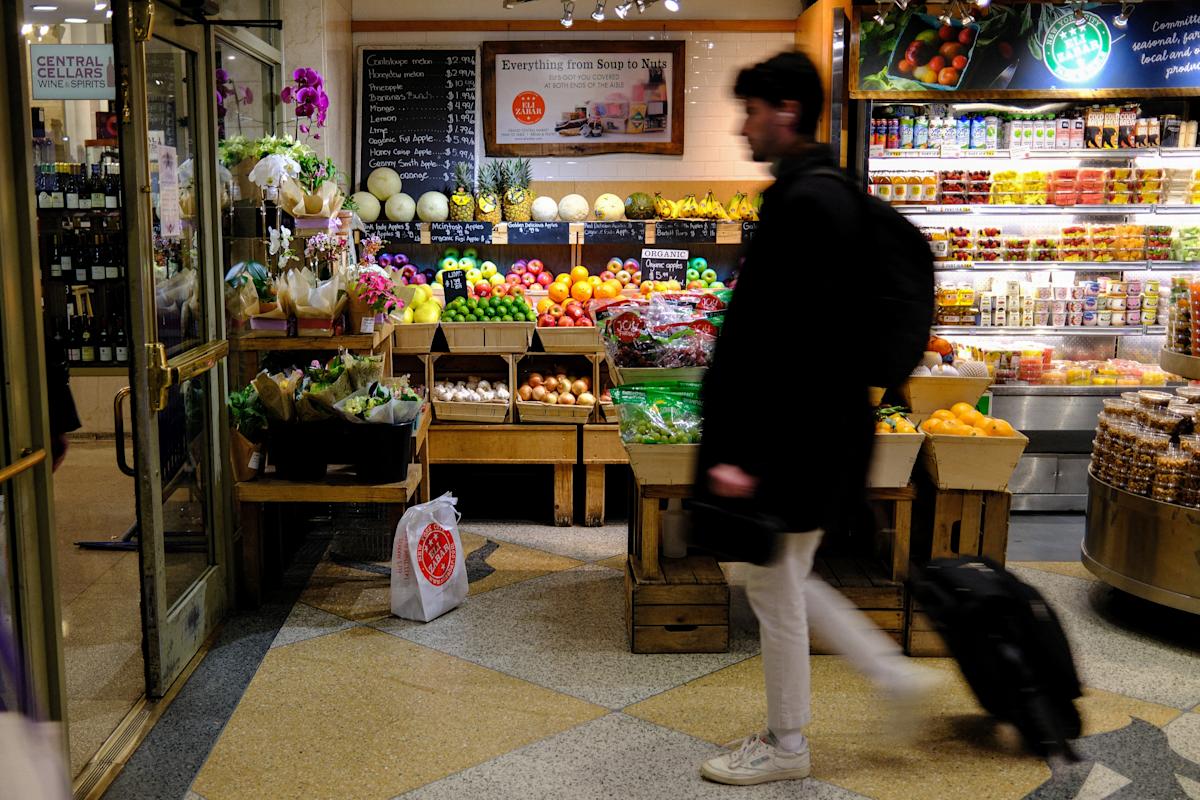
That meaty issue isn’t the only price hike dogging grocery shoppers. Coffee costs were also up 19.8% in December from a year earlier, while candy and chewing gum prices notched a 10% annual increase. Banana prices also rose 5.9% on an annual basis in December, though they slid 1.6% from a month earlier.
Looking for something more affordable? Consider eggs, where prices have plummeted 20.9% from a year ago and 8.2% just between November and December.
Sign up for our personal finance newsletter, Mind Your Money
Americans looking to kick off the year with some far-flung travel have this to consider: airfare prices were up 5.2% in December from November’s levels.
Still, the cost of flying is far below the “revenge travel” highs of 2022. Prices were 3.4% lower when compared to a year ago.
For those opting to hit the road, car and truck rental prices were similarly down by 4.1% in December on an annual basis, and motor fuel was 3.2% lower.
The picture was a tad less rosy for car shoppers, with new- and used-vehicle prices slightly higher in December than in 2024, though prices declined or held steady over the month.
Hotel and motel prices, meanwhile, rose 3.5% on a monthly basis heading into the holiday season, but were down 1.8% annually.

Are President Trump’s sweeping tariffs hitting consumers’ spending?
Import-heavy categories like furniture and bedding, while up 3.6% on an annual basis, actually slid 0.4% between November and December. Clothing prices, meanwhile, were up 2.1% from a year earlier and 0.7% on a monthly basis. And footwear prices jumped 1.1% between November and December.
“Distortions caused by the government shutdown have made the inflation data harder to interpret, but the recent run of figures suggests inflation has peaked,” Michael Pearce, chief US Economist at Oxford Economics, said in a note. “We think tariff-driven price rises have mostly been passed through and anticipate further disinflation in services inflation in 2026 will drive inflation back closer to the 2% target by the end of the year.”
Read more: How Trump’s tariffs affect your money
Emma Ockerman is a reporter covering the economy and labor for Yahoo Finance. You can reach her at emma.ockerman@yahooinc.com.
Sign up for the Mind Your Money newsletter
Read the latest financial and business news from Yahoo Finance