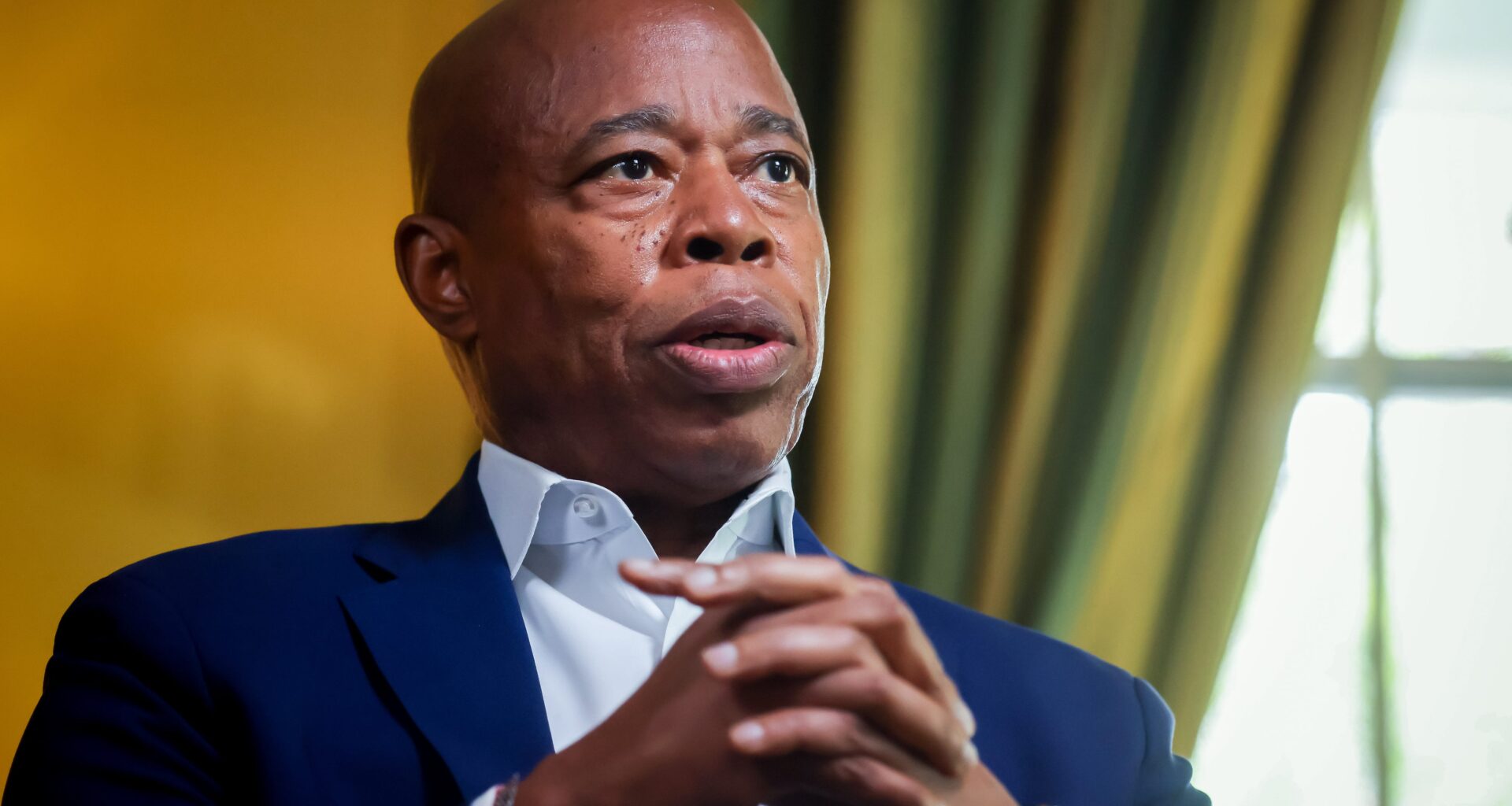
NEW YORK (BLOOMBERG) — Eric Adams’ fondness for crypto — which during his one-term tenure as mayor of New York included the launch of the ill-fated ‘NYCCoin’ — is once again attracting controversy.
Less than two weeks after being succeeded by Zohran Mamdani, Adams re-emerged to promote a new city-inspired cryptoasset called NYC Token. A portion of the proceeds would go to fight antisemitism and educate children about the blockchain, Adams said during appearances in Times Square and on the Fox Business television channel. Adams encouraged the public to buy into the project.
The value of the token – which has no official affiliation with New York City or any state or local government – surged on Monday to as high as 58 cents before crashing within hours to under 10 cents. Crypto market observers and analysts have cried foul, drawing parallels to what’s known in the industry as a “rug pull” — crypto slang for a project in which the creators appear to withdraw or sell a significant number of tokens without explanation.
“Our market maker made adjustments in an attempt to keep trading running smoothly, and as part of this process, moved liquidity,” according to an email statement sent from NYC Token. “The team has not sold any tokens and is subject to lockups and transfer restrictions.”
“The team has not withdrawn any money from the account,” the statement added. When called by Bloomberg, a representative also declined to name any members of the NYC Token team.
A website for the token described it as a “community” cryptocurrency for New York City, and “represents the unstoppable energy of the Big Apple. Built for dreamers, innovators, and believers who understand that in New York, anything is possible.”
That kind of volatile price pattern has become almost routine among so-called memecoins in recent years as a way for speculators attempting to time the move to walk away with a quick profit.
The price changes meant the fully diluted market value of NYC Token collapsed to below $100 million from a high of $600 million, according to blockchain analytics firm Bubblemaps. By contrast, the memecoin associated with President Donald Trump had a fully diluted market value of more than $70 billion at its peak. The Trump-associated memecoin has since lost around 90% of its value.
Earlier, a social media account on X under the name ‘Buy NYC Token’ sought to downplay any speculation, saying in a post that “our partners had to rebalance the liquidity,” and that the team added “additional funds to the liquidity pool.” The account on X had disabled the ability to send it direct messages.
“What they did, effectively trapped traders, forcing many to sell at a loss in a lower liquidity environment, and adding liquidity back in does not undo the damage done,” said Nicolai Sondergaard, research analyst at blockchain data analytics firm Nansen.
Nansen’s Sondergaard said that any liquidity rebalancing affecting a crypto project would typically be announced ahead of time. “It would also have made more sense to adjust the ranges instead of fully removing liquidity from the pool, only to add some again later,” Sondergaard added.
Nicolas Vaiman, CEO at Bubblemaps, said his company identified the liquidity removal by tracking digital wallets via blockchain data. Vaiman said the liquidity changes were similar to what happened in 2025 with Libra, a memecoin that was briefly endorsed by Argentine President Javier Milei. Libra suffered severe price drops.
Adams has been a vocal supporter of crypto since the start of his term in office. As mayor, he said he would convert his first paychecks into Bitcoin and Ether. He promoted crypto as a symbol of innovation and sought to brand New York City as a global crypto capital. He also appeared in photos with crypto investors including Chinese-born billionaire Justin Sun and Tether co-founder Brock Pierce.
The former New York City police captain’s mayoral term was marked by controversy: he was the first sitting mayor in modern history to face federal criminal charges. While the charges were ultimately dismissed in early 2025 following a directive from the US Justice Department, the scandals led to a collapse in public approval. Adams ended his re-election campaign shortly ahead of the November 2025 vote.
“It seems to be pretty obviously just another celebrity memecoin, which doesn’t really have any long-term value and just exists as a way to rinse retail traders,” said Tom Schmidt, general partner at venture capital firm Dragonfly. “Granted, if you’re choosing to trade Eric Adams’ memecoin, you probably know what you’re getting into.”
More stories available on bloomberg.com.