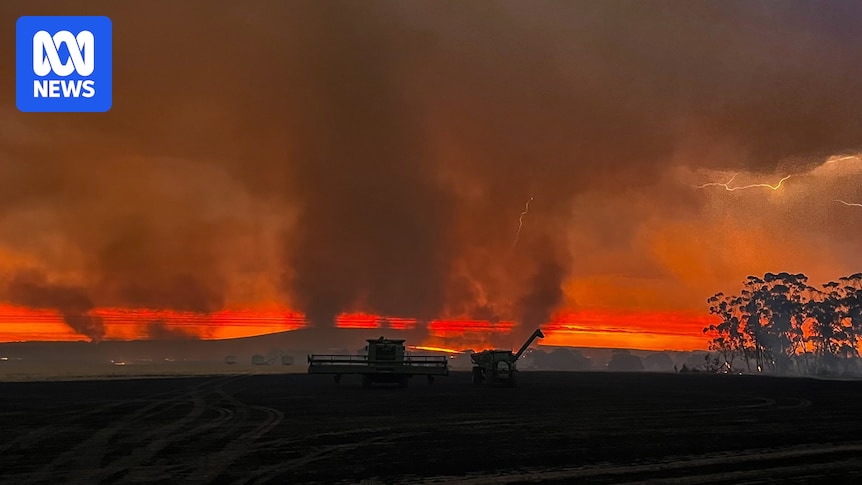
The Victorian government has promised $50 million in support for farmers devastated by the fires across the state as part of what it is calling an “initial” support package.
The federal and Victorian governments will both contribute to the package, providing $40 million in farm grants and $10 million in concessional loans.
Blazes have burned in every corner of the state, causing widespread damage and loss.
More than 1,000 farms have so far been identified as fire-affected, and livestock deaths are estimated to be in excess of 15,000.
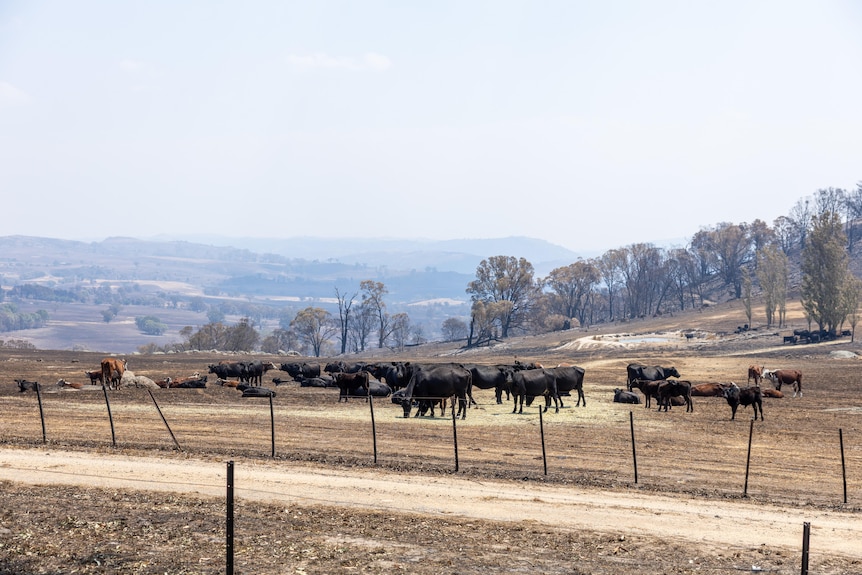
Hay is being delivered to surviving livestock. (ABC Rural: Annie Brown)
Recovery grants
Farmers impacted by the fires can apply for the new $75,000 grant to help with the costs of the clean up and recovery.
“The fires have badly affected some of our great prime agricultural land,” Victorian Premier Jacinta Allan said.
“If [farmers] have stock that needs to be disposed of, these are tough things our primary producers have to work through,” she said.
Concessional loans of up to $250,000 are also being made available for primary producers.
“There is a lot of assets here being damaged and … these concessional loans are about providing the longer-term support,” Ms Allan said.
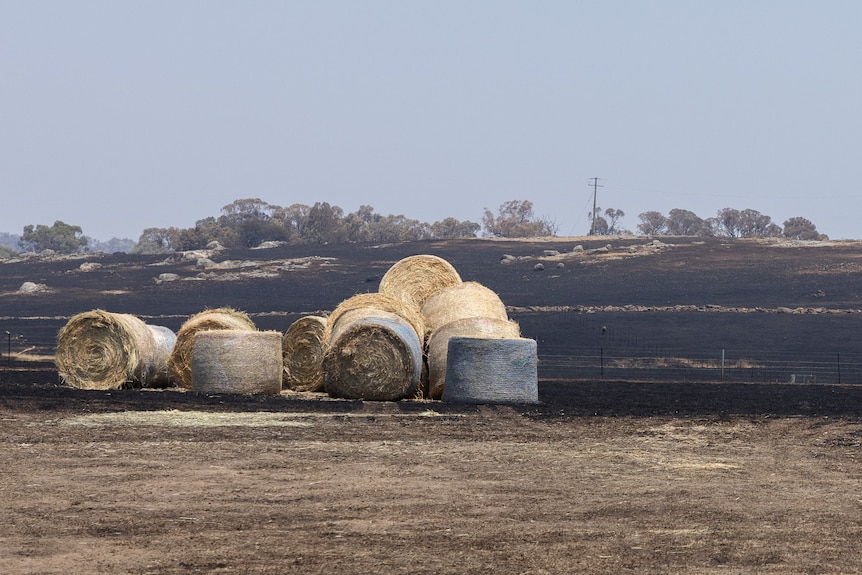
The Victorian government has announced recovery grants to help farmers. (ABC Rural: Annie Brown)
Fires a ‘crisis’ for farmers
Victorian Farmers Federation president Brett Hosking described the widespread damage and loss as a “crisis”.
“I’ve seen farming communities almost wiped off the map … there’s no overestimating the help they need,” he said.
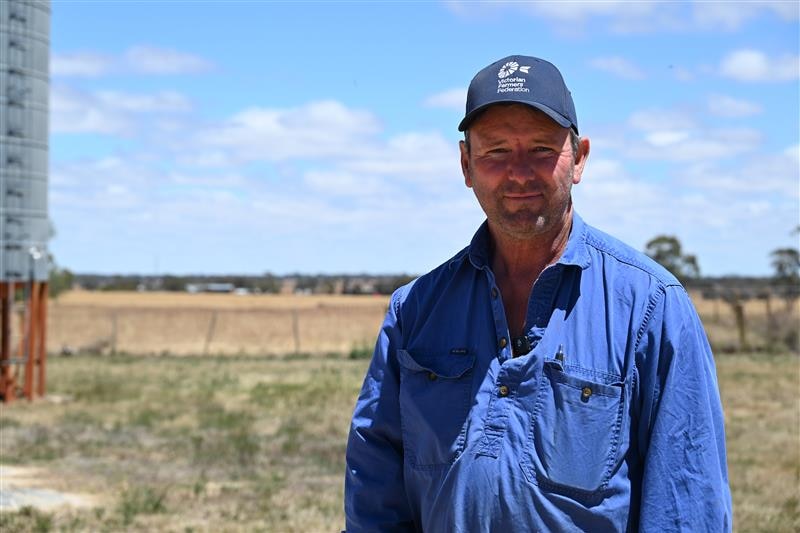
Brett Hosking is asking the public to help farmers in need. (Supplied: Victorian Farmers Federation)
Mr Hosking said financial losses would be in the “tens of millions of dollars.”
“The recent fires have ravaged towns, farms and communities in every corner of Victoria,” he said.
“Many farmers have lost fencing, pastures, infrastructure and livestock, on top of ongoing challenges with drought and rising input costs.”