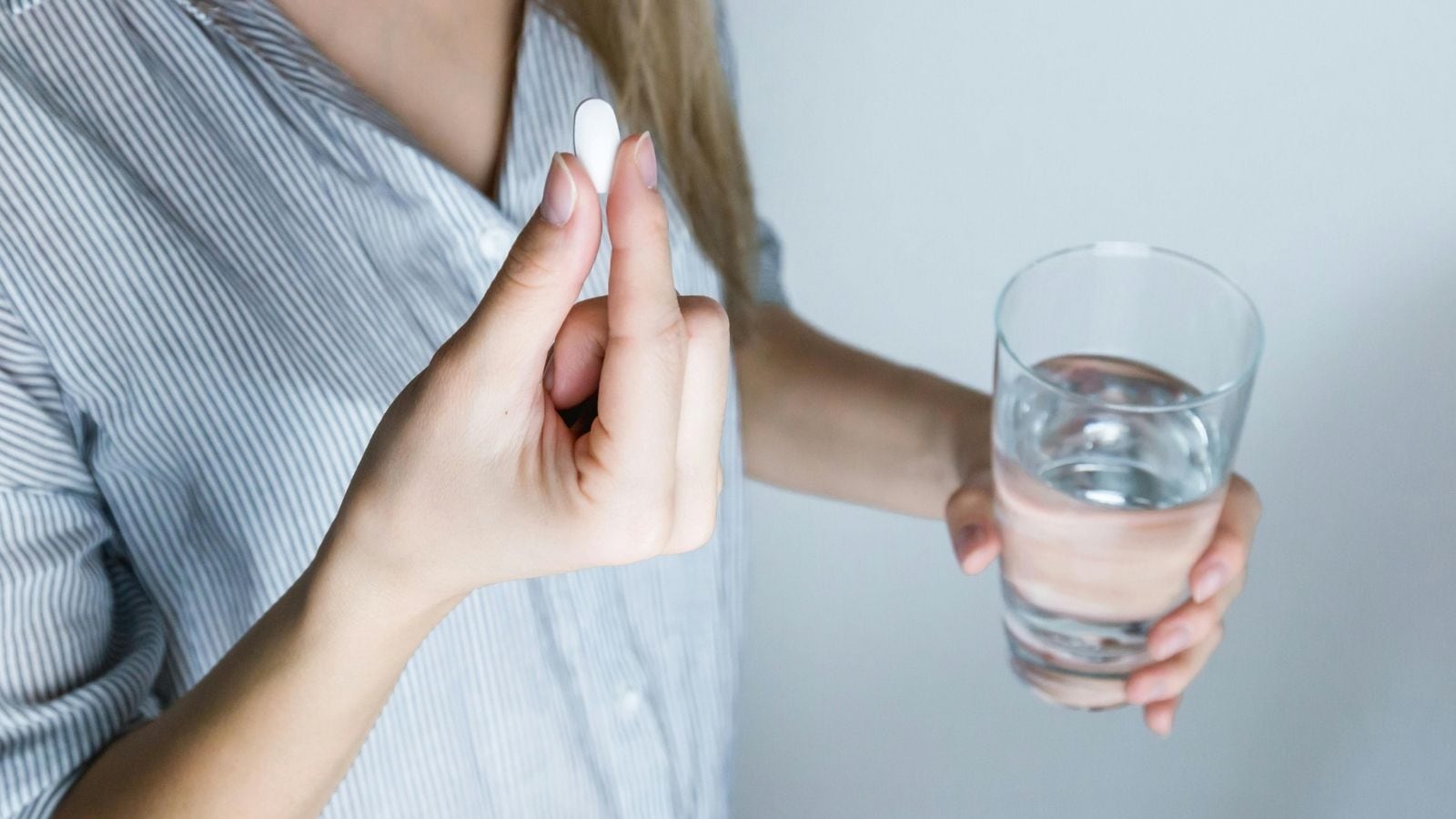
Now that we understand how even a single glass of drink can hijack the brain’s reward system, medications like Naltrexone have been developed to restrict cravings for and consumption of alcohol like any other appetite suppressant. New research shows that they can also suppress many other addictive behaviours like compulsive shopping and unlimited scrolling, encouraging prospects of their “off-label” use.
“Alcohol triggers the release of natural opioids, which are chemicals the body produces to activate brain receptors that help create a pleasurable buzz. Now Naltrexone binds itself to these opioid receptors in the brain and blocks them. So externally consumed opioids such as heroin, morphine, or prescription painkillers are unable to activate the reward pathways. As a result, the individual does not experience the usual ‘high’ or pleasurable effects associated with opioid use or even alcohol. New research shows it can tame other addictive behaviour that uses the same pathway,” says Dr Astik Joshi, psychiatrist at Fortis Hospital, Delhi. Excerpts:
How the drug works for alcohol use disorder

Naltrexone has been approved for the management of alcohol use disorder. Alcohol consumption stimulates the release of endorphins, which activate opioid receptors and contribute to feelings of pleasure and reward. By blocking these receptors, Naltrexone reduces the rewarding effects of alcohol, leading to decreased cravings and lower chances of binge drinking or relapse. Many patients report reduced urge to drink and better control over alcohol intake while on treatment.
What emerging research shows
Beyond substance use disorders, there is growing interest in the role of Naltrexone in managing behavioural addictions such as gambling disorder, compulsive shopping, internet addiction, and even self-harm behaviours. These conditions share a common neurobiological pathway involving the brain’s reward and impulse control systems.
For people who engage in repetitive self-harm or impulsive acts to regulate emotions, the medication may rein in the emotion that perpetuates these behaviours. While this area is still under scientific investigation, early findings are promising and highlight the expanding role of pharmacological support in psychiatric care.
The drug’s impact on compulsive shopping is limited to small, uncontrolled studies. There is moderate evidence and clinical studies suggesting that Naltrexone can effectively reduce gambling urges and severity. Small studies have shown promising results in reducing stealing impulses and hair-pulling behaviours. It has been studied for stimulant and cannabis use disorders, with some promising preliminary results, but more research is needed.
Medication is not a standalone solution
It is important to emphasize that Naltrexone is not a magic cure. Addiction is a complex biopsychosocial condition and the best outcomes are seen when medication is combined with psychotherapy, behavioural interventions, family support and long-term follow-up. Careful patient selection, medical supervision and adherence to treatment plans are essential for safety and effectiveness.
Story continues below this ad
With increasing awareness and reduced stigma around mental health and addiction, medications like Naltrexone offer hope to individuals and families affected by these conditions. When used appropriately, it can empower patients to regain control over their lives, reduce relapse risk, and support long-term recovery.
Expand
© The Indian Express Pvt Ltd