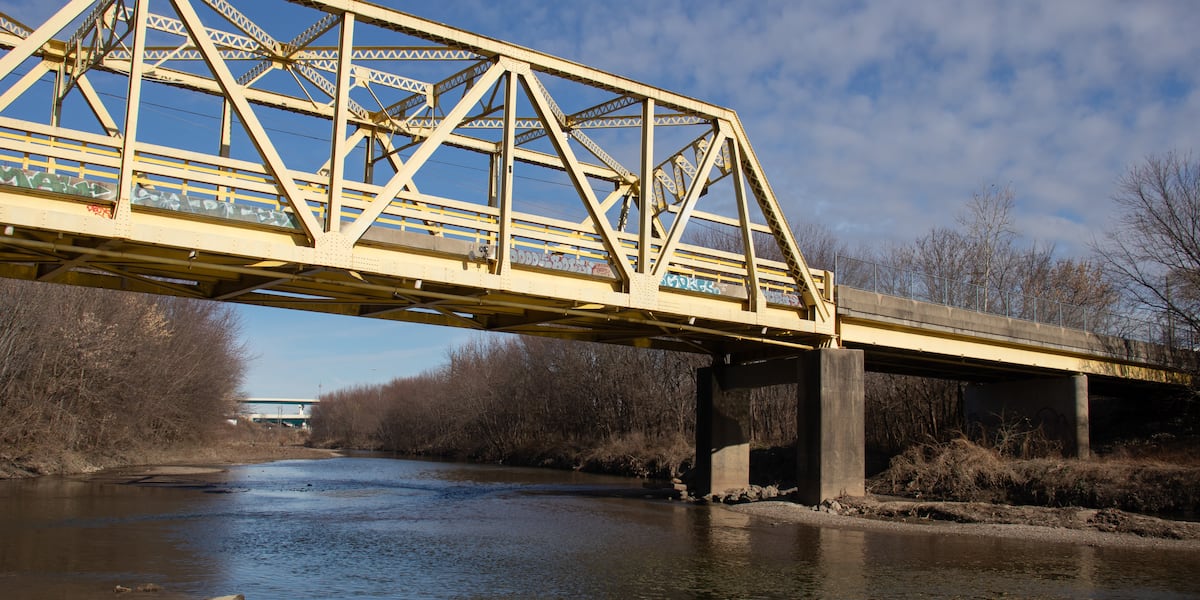
CINCINNATI (WXIX) – The Environmental Protection Agency and the Army Corps of Engineers want to remove federal protections for thousands of wetlands and waterways nationwide, including Cincinnati’s Mill Creek.
The EPA proposes to narrow the definition of Waters of the United States (WOTUS), a term that determines whether a waterway or wetland is federally protected under the Clean Water Act.
This proposal stems from the 2023 Supreme Court decision in Sackett v. EPA, which ruled that the federal government has jurisdiction over “relatively permanent, standing or continuously flowing bodies of water.”
The change will also cut red tape for businesses and farmers, the EPA says.
“Under the existing definition of WOTUS, confusion and lack of clarity are adding to the cost of doing business,” the agency wrote in a statement. “Reducing unnecessary regulatory burden reduces their costs and lowers the cost of living for all of us.”
But some Cincinnati environmentalists are concerned the narrowing of WOTUS could lead to more pollution.
Mill Creek Alliance Executive Director Dave Schmitt is especially worried for the future of Mill Creek after the organization dedicated decades to breathe life back into it.
“We’ve been working for 30-plus years now to restore the stream to a more natural condition to fix places where there’s been bad erosion, to restore flood plains, restore wetlands, just restore the natural habitat,” Schmitt tells FOX19 NOW.
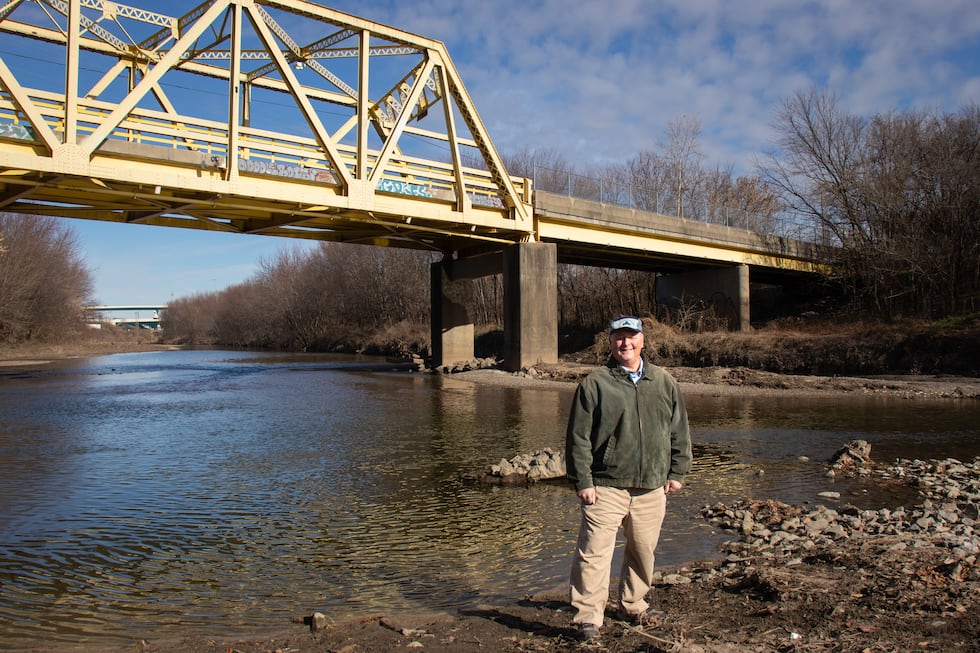 Mill Creek Alliance Executive Director Dave Schmitt says thousands of waterways and wetlands across the U.S. are at risk as the EPA proposes a change to the WOTUS definition.(Mary LeBus/FOX19 NOW)
With the new definition, Schmitt says about 80% of wetlands in the U.S. and thousands of miles of rivers and streams would no longer be protected under the Clean Water Act.
“Meaning that where possibly a developer would not have been allowed to build in the past or would not have been able to come in and drain a wetland or bury a stream, now they could if this new rule goes into effect. So you’d have a huge detrimental impact on the water quality, not only in Mill Creek, but on streams and wetlands all over the country,” Schmitt explained.
“It sounds like it shouldn’t be that important, but it really is.”
Mill Creek’s lengthy history of pollution
Mill Creek, which spans 28.5 miles and flows from Butler County through Hamilton County and into the Ohio River, was considered one of the most polluted waterways in the U.S.
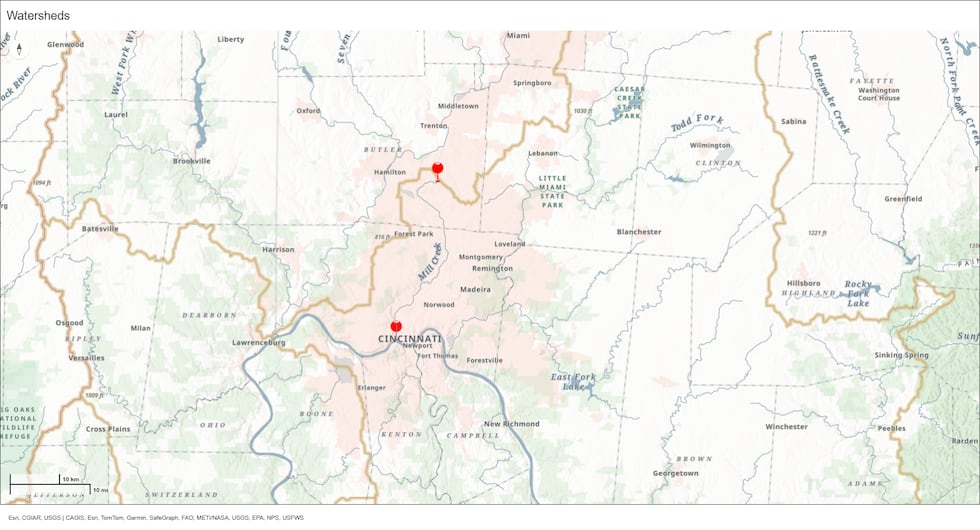 Mill Creek starts in Liberty Township and flows down to Cincinnati and into the Ohio River. The waterway is about 28 miles long.(WXIX)
American Rivers named Mill Creek to its ‘America’s Most Endangered Rivers’ list between 1996 and 1997. The environmental group cited five Superfund sites along the creek’s banks, 31 hazardous waste sites and 158 combined sewer overflow outflows and sanitary sewer overflow outflows.
“Our sewer system was designed 80, 90, 100 years ago, so if we have a big rainstorm and the storm water pipes get full, by design, they overflow into the sanitary sewer pipes, and that causes untreated material to get flushed out into Mill Creek. So that has been a big problem,” Schmitt explained.
The pollution wreaked havoc on the creek, making about two-thirds of the watershed lifeless, Schmitt said.
“Most of the big companies in Greater Cincinnati grew up on Mill Creek, including companies like Procter and Gamble. But the creek over time paid the price for that,” he explained.
“A lot of life, a lot of species, freshwater mussels, almost all the fish… were wiped out over time by that pollution.”
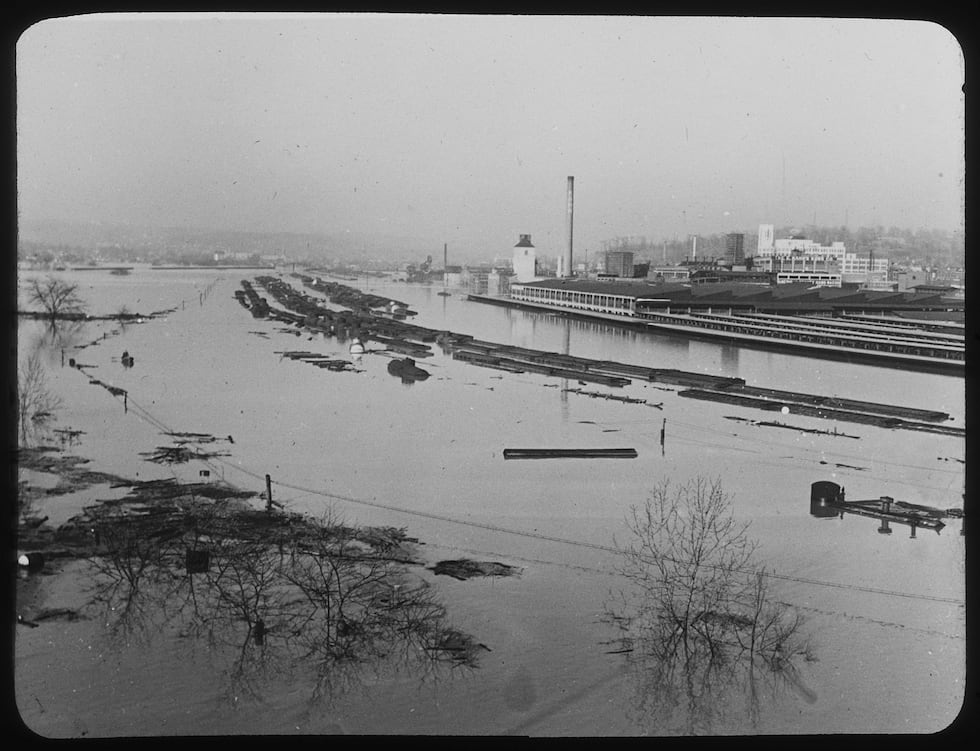 View of Mill Creek valley, Kahn’s Meat Factory and Crosley Radio Factory flooded in 1937.(L. M. Prince Company)
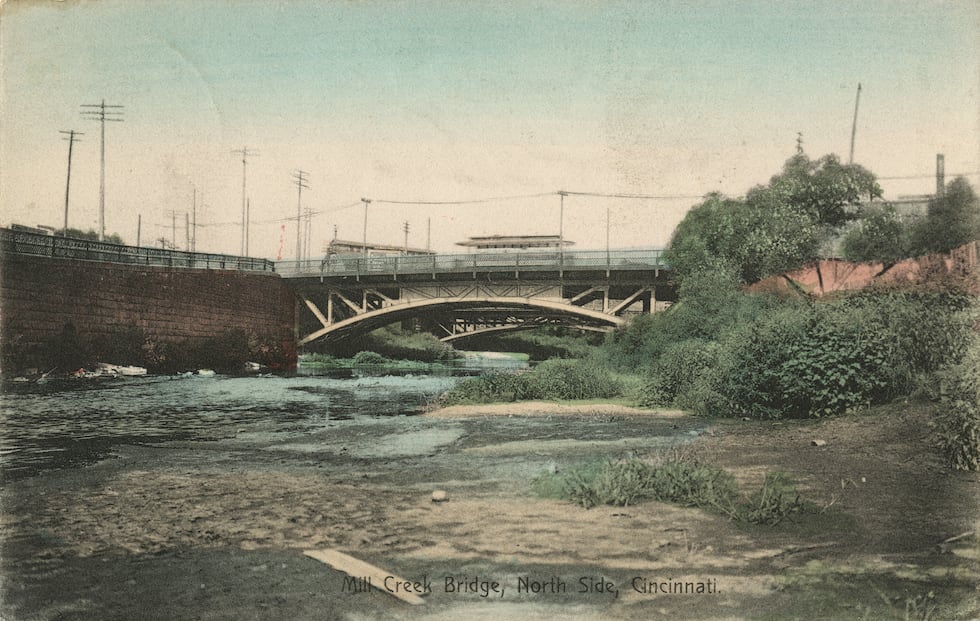 Mill Creek Bridge, North Side, Cincinnati(Kraemer Art Co.)
Much has changed since then. Now, dozens of species of fish call the creek home, and visitors can find beavers, muskrats, bald eagles and osprey nearby.
It is also a place for residents to enjoy time in nature, and to go fishing, paddling and swimming – activities Schmitt says could also be impacted with the EPA’s changes.
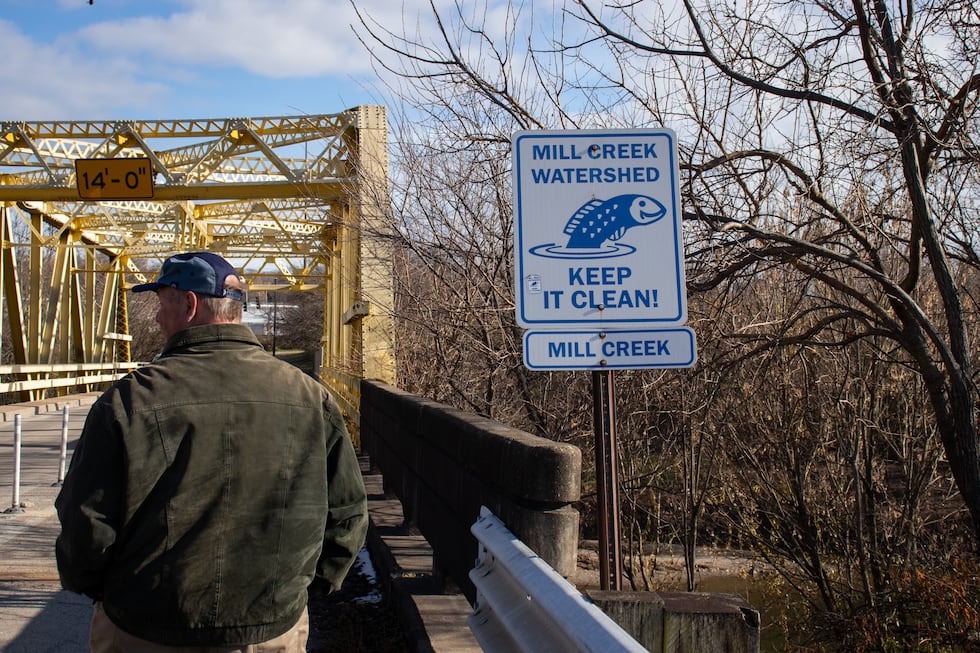 Pollution once wreaked havoc on Mill Creek. Thirty years later, it is now home to dozens of fish species and mussels.(Mary LeBus/FOX19 NOW)
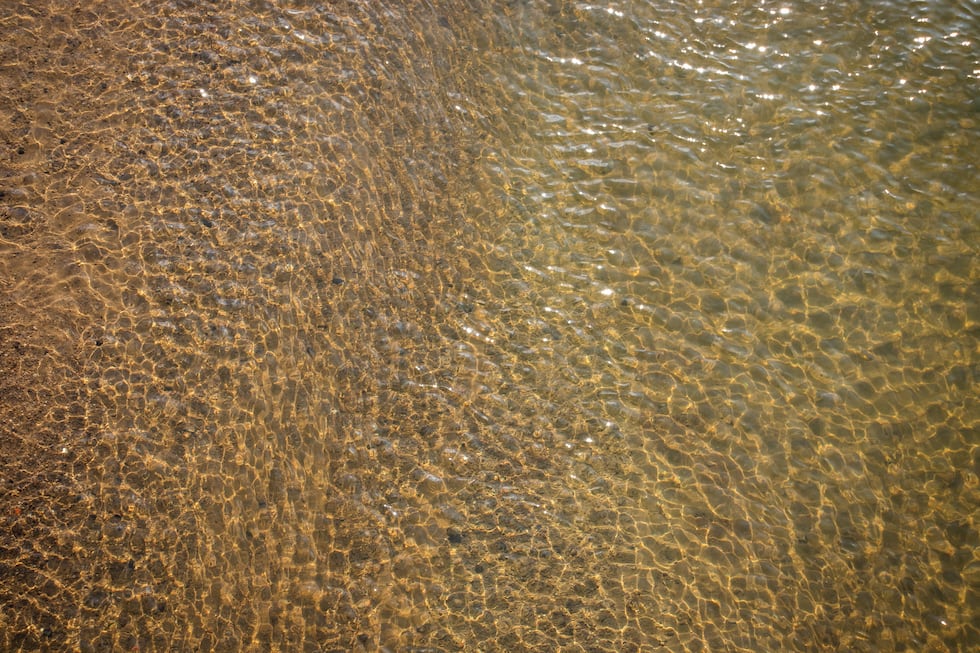 The water of the Mill Creek is so clear, people can see the bottom of the shallow body from the bridge on Millcreek Road.(Mary LeBus/FOX19 NOW)EPA says it chooses the economy & clean water
Other local waterways and wetlands may be at risk too, such as the Little Miami River.
Executive Director of Little Miami Watershed Network Alison Pifer says that while the proposed rule will not change much in comparison to previous rules, it does reduce the amount of wetlands protected under WOTUS and affirms that states have a right to regulate their own waters.
The EPA tells FOX19 NOW that the new definition would protect water quality by balancing the powers between federal, state and tribal authorities. All non-WOTUS waterways and wetlands will be overseen by states and tribes.
“The Trump EPA is committed to ensuring clean water and clean drinking water for all Americans, and the proposed WOTUS definition supports this commitment 100 percent,” the EPA Press Office wrote in a statement.
“We understand that Americans don’t have to choose between economic prosperity and clean water – we choose both.”
Pifer points out that the Ohio EPA has removed protections before, such as in 2022 when the state no longer required a permit to fill in “ephemeral streams.”
“Therefore, it is important that we work at the state level to ensure we have clean water and protect our vital wetland ecosystems,” she said.
“If Ohio were to remove this regulation, it will be much easier and cheaper to fill wetlands. This could affect flood protection and pollution filtration, which are really important ecosystem services that wetlands provide.”
FOX19 NOW reached out to the Ohio EPA about their current protocol when it comes to protecting non-WOTUS waterways and wetlands.
A spokesperson says the agency is compliant with the Clean Water Act through its Division of Surface Water (DSW) programs.
One of those programs is the National Pollutant Discharge Elimination System (NPDES) program, which requires facilities to have a permit to discharge pollutants into water and wetlands. The program offers several kinds of permits, including those for stormwater, sewage treatment and livestock.
“Ohio EPA is following U.S. EPA’s guidance regarding the definition of Waters of the United States,” the spokesperson added in their response.
The U.S. EPA is reviewing public input on its proposal from its 45-day comment period, which has since closed.
“The final rule will take effect once it has completed interagency review, been signed by the Administrator, and is published in the Federal Register,” the EPA’s Press Office wrote.
See a spelling or grammatical error in our story? Please click here to report it.
Do you have a photo or video of a breaking news story? Send it to us here with a brief description.
Copyright 2026 WXIX. All rights reserved.