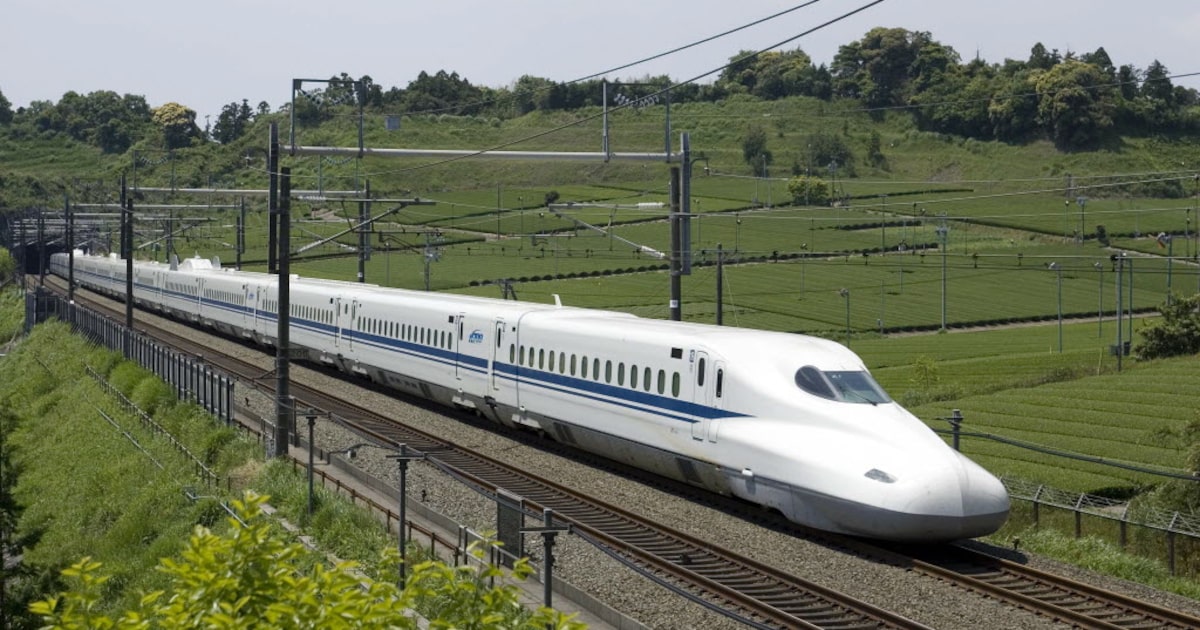
Dallas city leaders issued a second, tougher rebuke of a proposed bullet train running from certain areas in Dallas to Fort Worth.
The City Council’s unanimous vote Wednesday expands a 2024 resolution opposing high-speed rail in key parts of the city and adding new restrictions through parks and West Dallas.
At the same time, the council gave regional transportation officials the greenlight to accept a $500,000 federal grant to study a bullet train system that would run between Houston and Fort Worth.
The council also directed regional transportation officials to consider upgrading the existing Trinity Railway Express line as a cheaper alternative to building the new high-speed rail line heading west to Fort Worth.
Breaking News
Council member Paul Ridley said the revamped resolution was important because it “sets parameters for such rail development should it ever come to pass.”
The North Central Texas Council of Governments Board, which includes some Dallas council members, is set to vote Thursday on accepting the federal grant.
The grant, originally awarded in 2022, must be accepted by April and will be used to define the scope, schedule and budget for studying the Fort Worth-to-Houston corridor.
Two separate bullet trains lines have been proposed: one between Dallas and Houston, and another between Dallas and Fort Worth. Both lines have been in the planning stages as a strategy to lower highway congestion. As of earlier this month, several council members expressed support for a proposed Dallas-to-Houston bullet train.
“The will of the council has been, we support Dallas to Houston,” said council member Cara Mendelsohn during a Jan. 8 council Transportation and Infrastructure Committee meeting. “We have questions about Dallas to Fort Worth.”
Amtrak is involved in developing the southern line to Houston, while NCTCOG is leading the study for the Dallas-to-Fort-Worth project. Regional transit officials hope that if both projects are built, they will eventually connect.